
 EN
EN



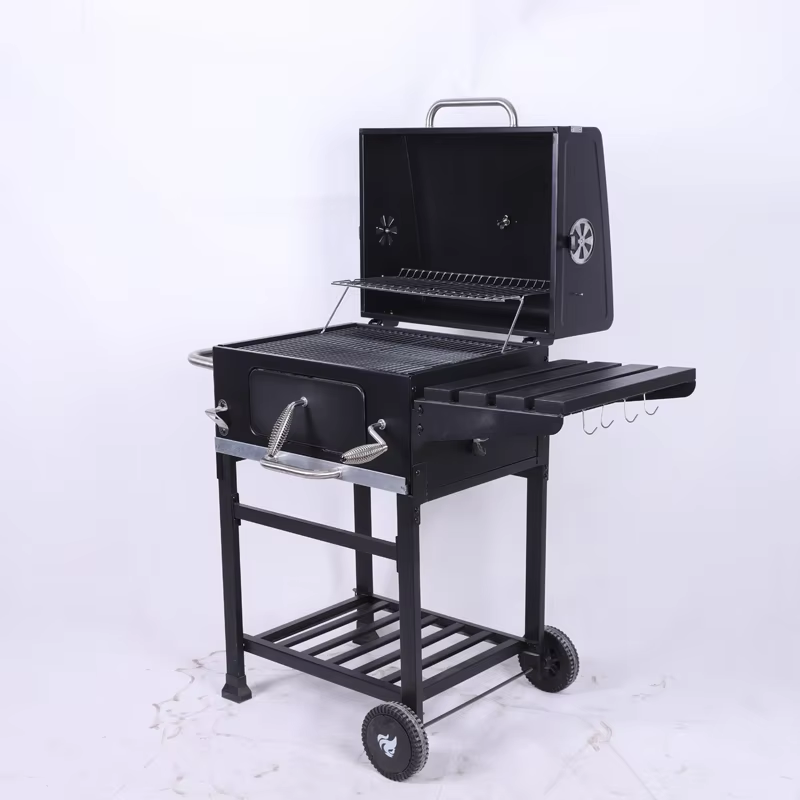
Изборът на подходящ грил за комерсиална употреба е критична инвестиция за ресторанти, фирми за кейтъринг и заведения за хранене. Правилно подбран грил за комерсиална употреба може значително да повлияе върху ефективността на вашата кухня, качеството на храната и операционните разходи. Разбирането на ключовите фактори, които допринасят за издръжливостта и производителността, ще ви помогне да вземете обосновано решение, което ще обслужва вашия бизнес години наред.

Конструкционни материали за грилове за комерсиална употреба
Качество и дебелина на неръждаемата стомана
Основата на всяка издръжлива търговска барбекю-печка е в материалите, от които е изградена. Висококачествената неръждаема стомана, особено от серията 304 или 316, осигурява изключителна устойчивост към корозия, термични повреди и ежедневно износване. При оценката на търговска барбекю-печка проверете дебелината на стоманените компоненти (измерена в калибри). По-дебелите калибри, обикновено 14–16 калибър, осигуряват по-висока конструктивна цялостност и по-дълъг експлоатационен живот в сравнение с по-тънките алтернативи.
Професионалните търговски барбекю-печки са със заварена конструкция, а не с болтови съединения. Заварените връзки елиминират потенциални слаби точки и намаляват изискванията за поддръжка с течение на времето. Решетките за готвене също трябва да са изработени от тежка неръждаема стомана или чугун, за да издържат постоянните цикли на загряване без деформация или разрушаване.
Компоненти за разпределение на топлината
Ефективното разпределение на топлината е от съществено значение за последователна готварска производителност при всеки комерсиален барбекю-грейд. Търсете модели, които включват топлоразпределителни плочи, ароматизиращи решетки или подобни компоненти, които осигуряват равномерно разпределение на температурата по цялата готварска повърхност. Тези елементи също така помагат да се предпазят тръбите на горелките от мазнини и остатъци от храна, като по този начин удължават общия срок на експлоатация на вашия комерсиален барбекю-грейд.
Конструкцията на огнището играе ключова роля за задържане на топлината и енергийната ефективност. Двустенната конструкция с подходяща топлоизолация поддържа постоянна температура и намалява топлинния пренос към външната среда. Тази конструктивна особеност не само подобрява готварската производителност, но и повишава безопасността в оживените комерсиални кухни.
Оценка на производителността на системата от горелки
Топлинна мощност (BTU) и прецизност на регулирането
Системата за горелки представлява сърцето на всеки търговски барбекю-комплект и пряко влияе върху скоростта на готвене и възможностите за контрол на температурата. Търговските модели обикновено са оборудвани с множество горелки с индивидуални регулатори, което позволява на готвачите да създават различни температурни зони за универсално приложение при готвене. При оценката на търговски барбекю-комплект , обърнете внимание на общия изходен BTU и начина, по който той се разпределя по повърхността за готвене.
Висококачествените търговски модели на барбекю-комплекти включват тръби за горелки от латун или неръждаема стомана с прецизно определени диаметри на отворите за оптимален газов поток. Тези материали са устойчиви на корозия и осигуряват постоянна производителност през целия им експлоатационен живот. Системата за запалване трябва да е оборудвана с надеждни електронни компоненти, а не с постоянногорящи запалителни пламъци, за да се гарантира последователно стартиране и намаляване на консумацията на газ.
Функции за безопасност и наблюдение
Съвременните търговски барбекю-печки включват напреднали функции за безопасност, като например устройства за прекъсване на пламъка и системи за мониторинг на температурата. Тези компоненти автоматично изключват подаването на газ при угасване на пламъка, предотвратявайки опасно натрупване на газ.
Правилната интеграция на вентилацията е от съществено значение за безопасната работа на търговските барбекю-печки. Уверете се, че избраната от вас единица има възможности за свързване към източна капуца и адекватно управление на въздушния поток. Този аспект става особено важен при едновременната работа на няколко единици в търговски кухненски среди.
Съображения относно размера и конфигурацията
Размери на повърхността за готвене
Определянето на подходящия размер за търговската ви барбекю печка изисква внимателен анализ на изискванията към менюто и очаквания обем. Изчислете общата необходима площ за готвене въз основа на пиковите ви часове на обслужване и типичните размери на порциите. Търговските барбекю печки се предлагат в различни конфигурации – от компактни модели с два горелки, подходящи за малки операции, до просторни шестгорелкови варианти за заведения с висок обем.
При избора на търговската си барбекю печка обърнете внимание на дълбочината и ширината на повърхността за готвене. По-дълбоките решетки позволяват приготвянето на по-големи парчета месо и прилагането на техники за непряко готвене. При оценката на ширината трябва да се има предвид възможността едновременно да се готвят различни продукти, като се запазва подходящо разстояние между тях за равномерно разпределение на топлината.
Опции за съхранение и мобилност
Множество комерсиални модели барбекю-печки включват интегрирани отсеки за съхранение и странични рафтове, които подобряват експлоатационната ефективност. Долните шкафове осигуряват удобно съхранение на бутилки с пропан, готварски принадлежности и аксесоари. Страничните работни повърхности разширяват функционалната зона около вашата комерсиална барбекю-печка и създават допълнително пространство за подготовката и поднасянето на храната.
Функции за мобилност, като тежки колелца, позволяват гъвкаво позициониране и задълбочено почистване около вашата комерсиална барбекю-печка. Фиксиращите механизми осигуряват стабилност по време на експлоатация, но същевременно позволяват лесно преместване при необходимост. Тази гъвкавост се оказва особено ценна за кейтърингови операции и сезонни открити готварски приложения.
Фактори, свързани с поддръжката и обслужимостта
Достъп до вътрешните компоненти
Дългосрочната издръжливост на всеки търговски барбекю-грейл силно зависи от редовното поддържане и възможността за обслужване на вътрешните компоненти. Добре проектираните уреди осигуряват лесен достъп до горелките, системите за запалване и газовите връзки за рутинно почистване и инспекция. Сменяемите решетки за готвене и топлоизолационните плочи опростяват процеса на почистване и намаляват разходите за труд.
Системата за управление на мазнините значително влияе върху изискванията за поддържане на вашия търговски барбекю-грейл. Търсете модели с вместимост за мазнини в чекмеджета или капани с голям обем, които могат лесно да се изваждат и почистват. Някои напреднали проекти на търговски барбекю-грейлове включват наклонени повърхности, които насочват ефективно потока на мазнини, намалявайки времето за почистване и подобрявайки санитарните условия.
Наличност на резервни части и гаранционно покритие
Преди да финализирате избора си на търговска барбекю печка, проучете наличността на резервни части и условията на гаранцията на производителя. Утвърдените производители обикновено поддържат пълна наличност на резервни части и предоставят подробна техническа документация за обслужване. Разширената гаранционна покрита е показател за увереността на производителя в качеството на изработката на търговската барбекю печка.
Имайте предвид наличността на местни техници по обслужване, запознати с марката на избраната от вас търговска барбекю печка. Бързият достъп до квалифицирани услуги за ремонт минимизира простоите и осигурява непрекъснато функциониране по време на периодите с най-голямо търсене. Някои производители предлагат обучителни програми за персонала по поддръжка в рамките на вашата организация, което намалява дългосрочните разходи за обслужване.
Енергийна ефективност и операционни разходи
Оптимизация на горивното потребление
Експлоатационната ефективност влияе пряко върху общите разходи за притежание на всяка търговска барбекю печка. Съвременните модели включват усъвършенствани конструкции на горелки, които увеличават максимално топлопреминаването, като същевременно минимизират разхода на гориво. Търсете търговски модели барбекю печки с регулируеми въздушни жалузи, които позволяват фина настройка на съотношението въздух-газ за оптимална ефективност на горенето.
Качеството на термоизолацията влияе както върху енергийната ефективност, така и върху кулинарната производителност при търговските барбекю-грейлове. Двустенна конструкция с термоизолация за високи температури намалява топлинните загуби и подобрява икономичността на горивото. Тази конструкция също допринася за по-безопасна експлоатация, като намалява температурата на външните повърхности около вашия търговски барбекю-грейл.
Изисквания за връзка към комунални мрежи
Оценете изискванията за комунални услуги за предстоящата ви търговска барбекю печка, включително размера на газовата тръба и електрическите връзки за системите за запалване. Връзките за природен газ обикновено осигуряват по-стабилни разходи за гориво в сравнение с пропан, но изискванията за инсталация могат да се различават значително. Някои модели търговски барбекю печки предлагат възможност за работа на двойно гориво, което осигурява оперативна гъвкавост.
Имайте предвид изискванията за вентилация и свързаните с тях разходи при планирането на инсталацията на търговската си барбекю печка. Правилните източни системи гарантират безопасна експлоатация и съответствие с местните строителни норми. Включете тези разходи за инсталация в общия си инвестиционен разчет при сравняване на различните модели търговски барбекю печки.
Често задавани въпроси
Какъв е типичният срок на експлоатация на една търговска барбекю печка?
Една добре поддържана комерсиална барбекю печка, изработена от висококачествени материали, може да служи надеждно в продължение на 10 до 15 години при типични комерсиални приложения. Фактическият ѝ срок на експлоатация зависи от честотата на използване, практиките за поддръжка и условията на околната среда. Редовното почистване, правилната експлоатация и навременната подмяна на износващите се компоненти значително удължават експлоатационния ѝ живот.
Колко готварско пространство ми е необходимо за ресторанта ми?
Изчислете приблизително 75 до 100 квадратни инча (484–645 см²) готварска повърхност на всеки очакван едновременен поръчка за вашата комерсиална барбекю печка. Това изчисление взема предвид подходящото разстояние между продуктите и позволява използването на различни готварски зони. При определяне на оптималния размер на вашата комерсиална барбекю печка имайте предвид сложността на менюто и обема на поръчките по време на пиковите часове.
За какви сертификати за безопасност трябва да търся?
Уверете се, че търговската ви барбекю печка притежава подходящи сертификати за безопасност, като например CSA, UL или ETL. Тези сертификати потвърждават съответствието с националните стандарти за безопасност и може да са задължителни според местните строителни норми. Допълнителни сертификати, като одобрението от NSF, демонстрират пригодността на уреда за търговски приложения в областта на храненето.
Колко често трябва да извършвам поддръжка на търговската си барбекю печка?
Ежедневното почистване на повърхностите за готвене и системите за управление на мазнини осигурява оптимална производителност и съответствие със санитарните стандарти за вашата търговска барбекю печка. Седмичното задълбочено почистване на горелките и месечният инспекционен преглед на газовите връзки гарантират безопасна експлоатация. Годишното професионално обслужване от квалифицирани техници помага да се идентифицират потенциални проблеми, преди те да доведат до експлоатационни неизправности.