
 EN
EN



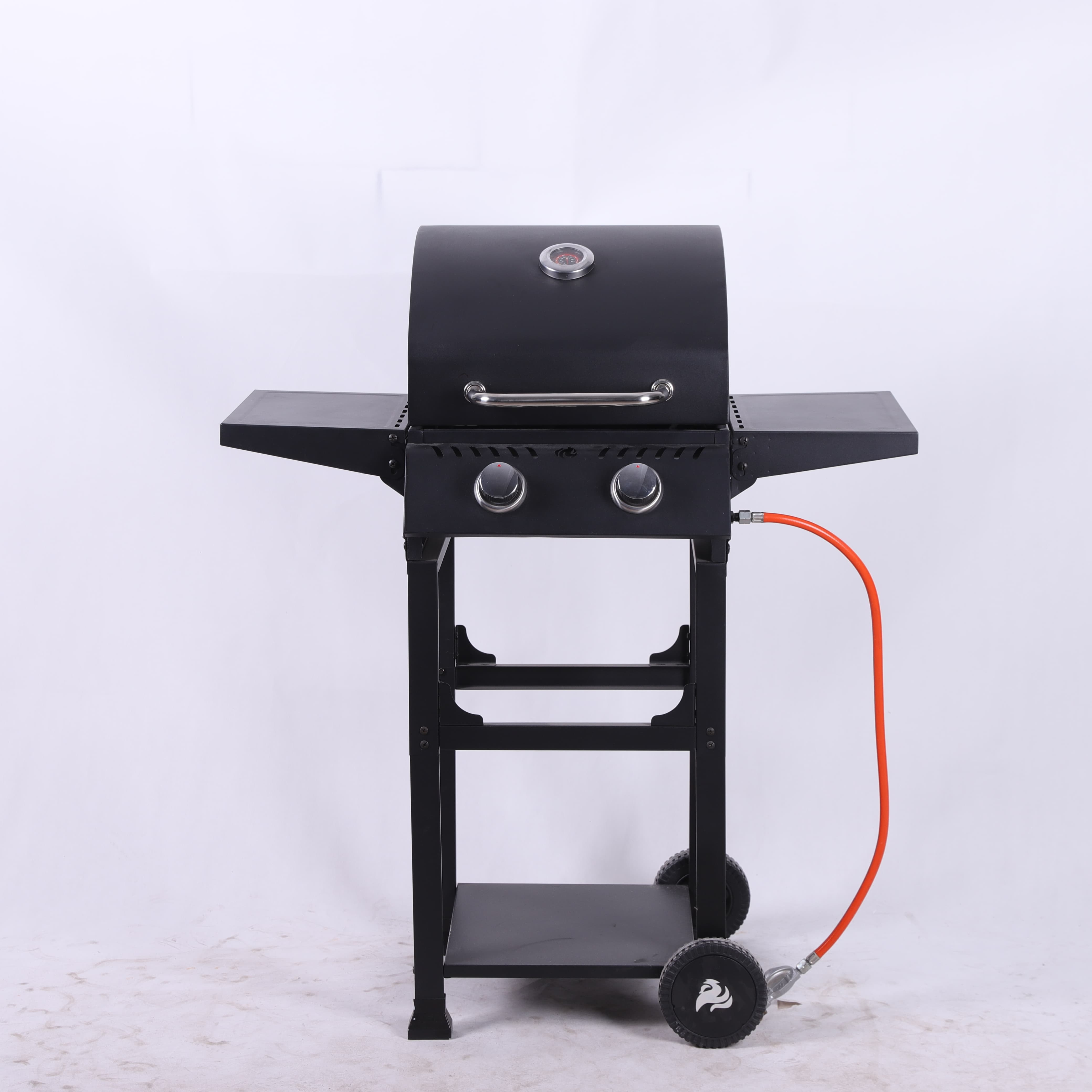
Selecting the right bbq grills for your market requires a strategic approach that balances customer preferences, operational demands, and profitability. Whether you operate a restaurant, catering business, or retail establishment, the choice between bbq grills directly impacts your brand reputation, efficiency, and bottom line. Understanding what drives bbq grills selection in your specific market segment is essential for making an investment that pays dividends for years to come.
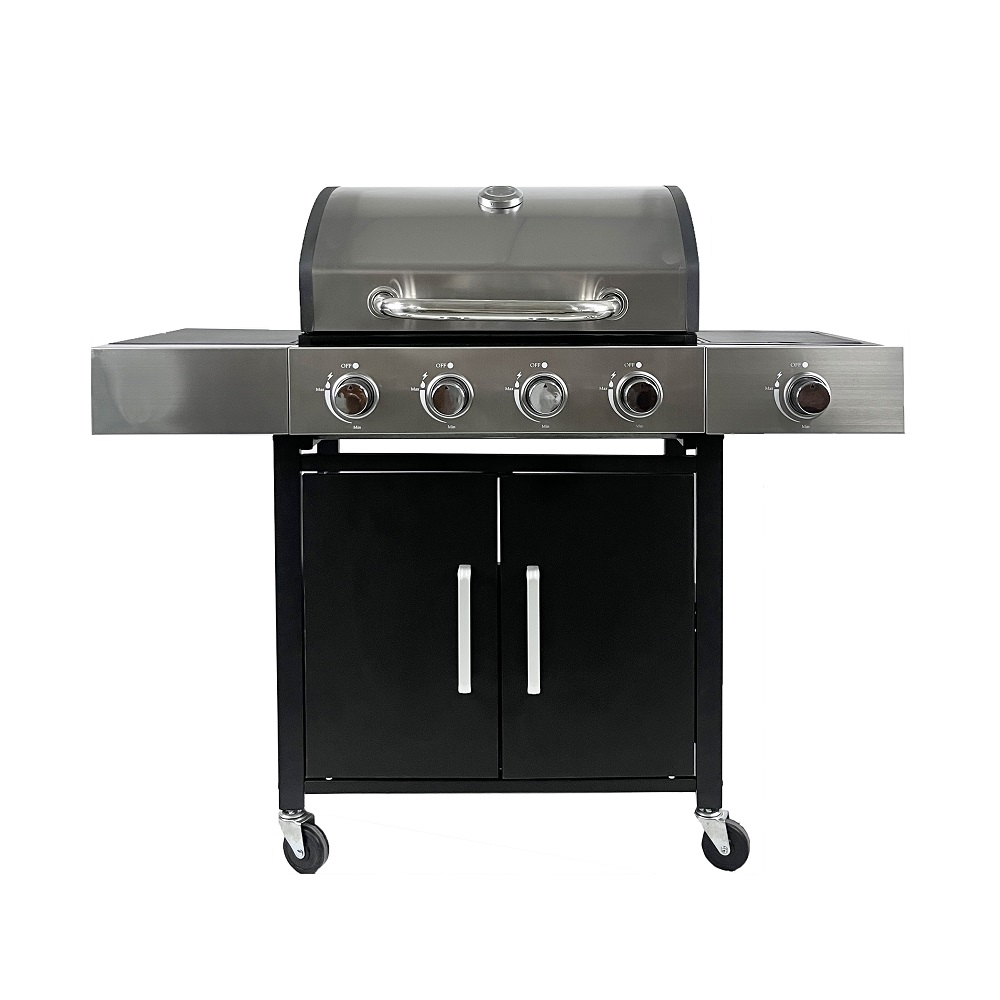
The market for bbq grills spans diverse customer segments, from casual home users to high-volume commercial operators. Each segment values different aspects of bbq grills, whether that means fuel efficiency, cooking capacity, durability, or aesthetic appeal. By analyzing your target market's specific needs and preferences, you can narrow down which bbq grills models will deliver the most value and customer satisfaction.
Understanding Your Market Segment and Grill Requirements
Identifying Customer Preferences for BBQ Grills
Your first step in choosing bbq grills is to clearly identify who your customers are and what they expect from their grilling experience. Different market segments prioritize different features when evaluating bbq grills. Residential customers often seek compact, easy-to-use bbq grills that offer reliable performance for weekend entertaining. Commercial buyers, by contrast, need heavy-duty bbq grills that withstand intensive use and deliver consistent results across high-volume service periods.
Market research into your customers' cooking styles, frequency of use, and budget constraints will reveal which bbq grills models align with their expectations. If your market consists primarily of health-conscious consumers, bbq grills with advanced temperature control and versatile cooking zones become critical. For volume-focused operators, stackable or modular bbq grills systems may provide greater flexibility and efficiency.
Assessing Operational and Space Constraints
Space availability directly influences which bbq grills will work best for your market. Compact outdoor entertainment venues demand smaller bbq grills that don't compromise cooking performance, while large commercial kitchens can accommodate professional-grade bbq grills with extended cooking surfaces. Before selecting specific bbq grills models, audit your available installation space, ventilation requirements, and utility connections.
Environmental factors also shape bbq grills selection. Areas with frequent wind require bbq grills with stable construction and effective wind shields. Rainy climates necessitate weather-resistant bbq grills with protective covers and corrosion-resistant materials. Your market's climate and typical operating conditions should guide your choice of bbq grills to ensure long-term reliability and minimal maintenance issues.
Fuel Type and Performance Characteristics of BBQ Grills
Comparing Propane, Natural Gas, and Charcoal BBQ Grills
Fuel selection is fundamental to choosing bbq grills that meet your market's expectations. Propane-based bbq grills offer portability, quick ignition, and precise temperature control, making them ideal for businesses prioritizing convenience and consistency. Natural gas bbq grills provide cost advantages in locations with established gas lines and work well for high-volume commercial operations. Charcoal bbq grills attract purists who value authentic flavor profiles, though they require more operator skill and time investment.
Each fuel type influences the performance characteristics of bbq grills in distinct ways. Propane bbq grills heat rapidly and maintain stable temperatures, perfect for time-sensitive service environments. Natural gas bbq grills deliver economical continuous operation for busy restaurants. Charcoal bbq grills create superior flavor complexity that commands premium pricing in specialty food markets. Your market's customer expectations regarding flavor, speed, and authenticity should drive your fuel type selection for bbq grills.
Evaluating Heating Power and Temperature Control in BBQ Grills
The heating capacity of bbq grills directly determines cooking flexibility and output volume. Commercial bbq grills typically range from 30,000 to 60,000 BTUs, with higher outputs supporting larger batch cooking and faster meal preparation. Residential bbq grills generally provide 25,000 to 40,000 BTUs, adequate for family-sized gatherings. Your market's typical party size and meal preparation volume should guide your selection of bbq grills with appropriate heating power.
Precision temperature control distinguishes premium bbq grills from basic models. Advanced bbq grills feature independently controlled burner zones, allowing simultaneous cooking of different foods at optimal temperatures. Built-in thermometers, adjustable grates, and modulating flame technology enhance the usability of quality bbq grills. Markets that value consistent product quality and reduced cooking waste will benefit from investing in bbq grills with superior temperature management systems.
Durability, Maintenance, and Total Cost of Ownership for BBQ Grills
Material Quality and Longevity of BBQ Grills
Material composition significantly impacts the lifespan and maintenance demands of bbq grills. Stainless steel bbq grills resist rust and corrosion better than painted steel models, particularly in humid or coastal environments. Cast iron cooking grates in quality bbq grills provide excellent heat retention and flavor development, though they require seasoning and maintenance. Ceramic components in premium bbq grills enhance heat distribution and reduce temperature fluctuations during cooking.
The construction quality of bbq grills determines their resistance to warping, cracking, and structural failure under heavy use. Thick-gauge materials in commercial-grade bbq grills provide superior durability compared to thin-walled consumer models. Markets serving high-volume customers should prioritize bbq grills with reinforced frames, welded joints, and quality components that withstand continuous operation without degradation.
Maintenance Requirements and Long-Term Affordability of BBQ Grills
Choosing bbq grills involves assessing total ownership costs beyond the initial purchase price. Well-constructed bbq grills require regular cleaning, periodic grate replacement, and occasional component repairs. Budget-friendly bbq grills may have lower upfront costs but often demand more frequent repairs and replacement parts. Your market's willingness to invest in maintenance and your team's capability to perform routine servicing should influence bbq grills selection.
Warranty coverage on bbq grills provides crucial protection for commercial investments. Premium bbq grills typically include extended warranties covering burner elements, control systems, and structural components. Commercial operators should factor warranty terms and manufacturer support into their bbq grills purchasing decision. Markets with high operational demands benefit significantly from selecting bbq grills with comprehensive coverage and accessible replacement parts.
FAQ
What size bbq grills should I choose for a restaurant kitchen?
Restaurant-grade bbq grills typically range from 36 to 60 inches in cooking width, with heavy-duty construction supporting continuous operation. Choose bbq grills with at least 40,000 BTUs for reliable cooking power and multiple independently controlled burner zones for menu flexibility. Consult with your kitchen designer and chef to determine which bbq grills dimensions and features optimize your workflow and menu requirements.
How do I know if propane or natural gas bbq grills fit my market better?
Propane-powered bbq grills offer portability and work in any location without gas line infrastructure, ideal for events and mobile operations. Natural gas bbq grills are more economical for stationary installations with established utility connections, making them better for fixed restaurant locations. Evaluate your market's mobility needs, utility availability, and long-term operating costs when deciding between propane or natural gas bbq grills.
What maintenance standards should guide my bbq grills selection?
Select bbq grills that match your team's maintenance capabilities and your market's uptime requirements. Premium bbq grills featuring stainless steel construction, sealed burner systems, and easy-access components reduce maintenance burden significantly. Commercial operations should prioritize bbq grills with modular design allowing quick component replacement and minimal downtime between services.