
 EN
EN



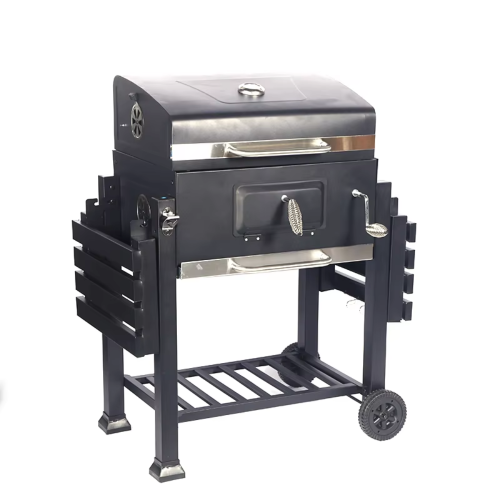
The outdoor cooking equipment industry has experienced unprecedented growth, with businesses across hospitality, retail, and foodservice sectors seeking reliable OEM grill table manufacturing partners. Companies today require more than just standard grilling solutions; they need customized, scalable manufacturing that aligns with their brand identity and operational requirements. Professional-grade outdoor cooking equipment demands precision engineering, durable materials, and manufacturing expertise that can deliver consistent quality at competitive prices.
Understanding OEM Manufacturing for Outdoor Cooking Equipment
Strategic Advantages of OEM Partnerships
Partnering with specialized manufacturers offers significant competitive advantages for businesses entering the outdoor cooking market. OEM relationships provide access to established production capabilities, reducing the capital investment required for manufacturing infrastructure. Companies can leverage existing expertise in metallurgy, welding techniques, and quality control systems without building these capabilities internally. This approach accelerates time-to-market while ensuring product quality meets industry standards and customer expectations.
Cost efficiency represents another crucial benefit of OEM partnerships. Established manufacturers achieve economies of scale through bulk material purchasing, optimized production processes, and efficient supply chain management. These savings translate directly to competitive pricing for partner brands. Additionally, experienced OEM manufacturers understand regulatory compliance requirements across different markets, ensuring products meet safety standards and certification requirements without extensive legal research or testing delays.
Customization Capabilities in Modern Manufacturing
Today's OEM grill table manufacturing partners offer extensive customization options that extend far beyond basic color variations. Advanced manufacturers provide custom dimensions, specialized cooking surfaces, integrated storage solutions, and unique feature combinations. These capabilities enable brands to differentiate their products in competitive markets while maintaining manufacturing efficiency. Custom branding options include logo placement, proprietary hardware finishes, and unique design elements that reinforce brand identity.
Modern manufacturing facilities utilize computer-aided design and precision cutting technologies that accommodate complex specifications without significantly increasing production costs. This technological advancement allows for innovative features such as modular components, convertible cooking surfaces, and integrated temperature monitoring systems. Manufacturers can also incorporate sustainable materials and energy-efficient production methods that align with growing environmental consciousness among consumers and commercial buyers.
Key Features in Professional Grill Table Design
Material Selection and Durability Standards
Professional outdoor cooking equipment requires materials that withstand constant exposure to heat, moisture, and varying weather conditions. Stainless steel remains the gold standard for cooking surfaces and structural components due to its corrosion resistance and ease of maintenance. High-grade steel construction ensures longevity while maintaining appearance standards essential for commercial applications. Powder coating technologies provide additional protection against rust and wear while offering extensive color options for brand customization.
Advanced material treatments and protective coatings extend equipment lifespan significantly compared to consumer-grade alternatives. Heat-resistant materials for handles, wheels, and storage components ensure safe operation and user comfort during extended cooking sessions. Quality manufacturers also incorporate food-grade materials throughout the construction process, meeting health department requirements for commercial food preparation equipment. These material specifications directly impact total cost of ownership and customer satisfaction over the product lifecycle.
Functional Design Elements
Effective grill table design balances cooking performance with practical functionality for diverse operational environments. Adequate workspace surrounding cooking surfaces enables efficient food preparation and serving logistics. Integrated storage solutions provide convenient access to cooking tools, seasonings, and fuel sources while maintaining organized workspaces. Mobility features such as heavy-duty casters facilitate equipment positioning and storage requirements in both commercial and residential applications.
Temperature control systems represent critical functionality in professional cooking equipment. Adjustable airflow mechanisms, precise damper controls, and heat distribution optimization ensure consistent cooking results across different food types and cooking methods. Safety features including heat shields, secure fuel connections, and stable construction prevent accidents while meeting insurance and regulatory requirements. These design elements contribute to operational efficiency and user confidence in demanding commercial environments.
Manufacturing Process and Quality Control
Production Methodology and Equipment
Modern OEM grill table manufacturing utilizes advanced production techniques that ensure consistency and quality across large production runs. Computer-controlled cutting systems provide precise component dimensions while minimizing material waste. Automated welding processes deliver uniform joint strength and appearance, critical factors in both structural integrity and visual appeal. Quality manufacturers invest in specialized equipment designed specifically for outdoor cooking equipment production, including powder coating systems and precision assembly fixtures.
Lean manufacturing principles optimize production efficiency while maintaining flexibility for custom orders and special requirements. Just-in-time inventory management reduces carrying costs while ensuring material availability for scheduled production runs. Skilled technicians operate sophisticated machinery while maintaining hands-on craftsmanship for detailed finishing work. This combination of automation and human expertise produces equipment that meets both performance specifications and aesthetic standards demanded by discerning customers.
Quality Assurance Protocols
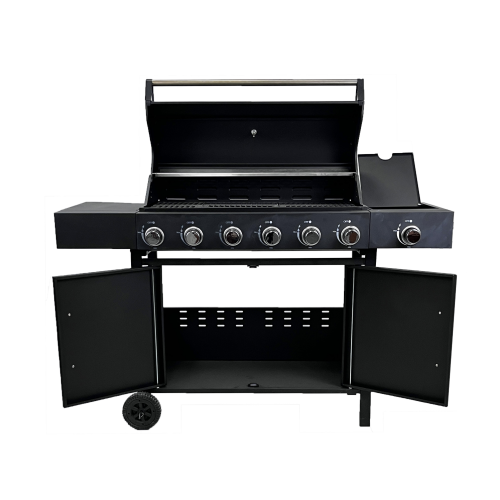
Comprehensive quality control systems begin with incoming material inspection and continue through final product testing. Each production stage includes specific checkpoints that verify dimensional accuracy, joint integrity, and finish quality. Heat testing protocols ensure cooking surfaces achieve and maintain specified temperatures while structural testing validates load-bearing capacity and stability requirements. These systematic quality measures prevent defective products from reaching customers while identifying process improvements that enhance overall manufacturing efficiency.
Final inspection procedures include comprehensive functionality testing that simulates actual use conditions. Temperature distribution analysis ensures even heat coverage across cooking surfaces while safety system verification confirms proper operation of all protective features. Packaging inspection prevents shipping damage while maintaining product appearance during transportation and storage. Documentation systems track quality metrics and customer feedback, enabling continuous improvement initiatives that enhance product performance and manufacturing processes.
Market Applications and Target Industries
Commercial Foodservice Sector
Restaurants, catering companies, and institutional foodservice operations represent significant markets for professional outdoor cooking equipment. These businesses require reliable, high-capacity equipment that maintains consistent performance during peak service periods. Commercial applications demand enhanced durability, easy maintenance procedures, and compliance with health department regulations. Professional kitchens also require equipment that integrates seamlessly with existing workflows and space constraints.
Food trucks and mobile catering operations present unique requirements including compact designs, secure transportation features, and efficient setup procedures. Equipment must withstand constant movement while maintaining cooking performance and safety standards. Weight considerations and power requirements influence design specifications for mobile applications. Professional outdoor events and festival operations also drive demand for portable, high-performance cooking equipment that delivers restaurant-quality results in temporary locations.
Retail and Hospitality Markets
Hotels, resorts, and recreational facilities increasingly incorporate outdoor cooking amenities to enhance guest experiences and differentiate their offerings. These applications require equipment that balances performance capabilities with aesthetic appeal and user-friendly operation. Hospitality venues often specify custom finishes and branding elements that align with their overall design themes. Durability requirements extend beyond cooking performance to include resistance to heavy usage and minimal maintenance requirements.
Retail applications include specialty outdoor equipment stores, home improvement centers, and recreational vehicle dealers. These markets require products that demonstrate clear value propositions to end consumers while maintaining profitable margins for retailers. Product differentiation through design features, performance capabilities, and brand positioning becomes crucial in competitive retail environments. Seasonal demand patterns also influence production scheduling and inventory management strategies for retail-focused manufacturers.
Choosing the Right Manufacturing Partner
Evaluation Criteria for OEM Suppliers
Selecting appropriate manufacturing partners requires comprehensive evaluation of production capabilities, quality systems, and business reliability. Manufacturing capacity must align with projected demand while maintaining flexibility for growth and seasonal variations. Technical expertise in metallurgy, welding, and finishing processes directly impacts product quality and customer satisfaction. Financial stability and business continuity planning ensure reliable supply chain performance throughout long-term partnerships.
Geographic considerations affect logistics costs, communication efficiency, and supply chain complexity. Domestic manufacturers often provide advantages in communication, quality control, and shipping times, while international partners may offer cost advantages for high-volume production. Intellectual property protection and confidentiality agreements become critical factors when sharing proprietary designs or specifications. Reference customers and industry certifications provide valuable insights into manufacturer reliability and performance history.
Partnership Development Strategies
Successful OEM relationships require clear communication of expectations, specifications, and performance metrics from project initiation. Detailed contracts should address quality standards, delivery schedules, pricing structures, and intellectual property rights. Regular communication protocols and performance reviews ensure alignment between partners while identifying opportunities for improvement or expansion. Collaborative product development processes leverage manufacturer expertise while maintaining brand differentiation and market positioning.
Long-term partnership success depends on mutual benefit and shared growth objectives. Manufacturers who understand their partners' market challenges can provide valuable insights for product improvements and new market opportunities. Joint investment in tooling, technology, and process improvements creates stronger relationships while reducing costs for both parties. Regular business reviews and strategic planning sessions ensure partnerships evolve with changing market conditions and business requirements.
FAQ
What minimum order quantities do OEM grill manufacturers typically require?
Most professional OEM grill table manufacturers require minimum order quantities ranging from 50 to 500 units depending on customization complexity and manufacturer capabilities. Simple modifications to existing designs often have lower minimums, while completely custom products typically require higher initial orders to justify tooling and setup costs. Many manufacturers offer flexible arrangements for new partnerships, allowing smaller initial orders with commitments for larger future volumes.
How long does the typical OEM manufacturing process take from order to delivery?
Standard production timelines range from 4-12 weeks depending on order complexity, customization requirements, and manufacturer capacity. Simple products using existing designs and materials can often be completed in 4-6 weeks, while custom designs requiring new tooling or specialized materials may take 8-12 weeks. Manufacturers typically provide detailed production schedules during the quotation process, including milestones for design approval, material procurement, and quality testing phases.
What certifications should I look for in an OEM grill manufacturer?
Essential certifications include ISO 9001 for quality management systems and relevant safety certifications such as UL, CSA, or CE marking depending on target markets. Food service applications may require NSF certification for commercial kitchen equipment. Environmental certifications like ISO 14001 demonstrate commitment to sustainable manufacturing practices. Industry-specific certifications and customer references provide additional validation of manufacturer capabilities and reliability.
Can OEM manufacturers help with product design and development services?
Many experienced OEM manufacturers offer comprehensive design and engineering services including concept development, CAD modeling, prototype production, and testing services. These capabilities enable partners to bring products to market faster while leveraging manufacturer expertise in materials, production processes, and cost optimization. Collaborative design processes often result in products that balance performance requirements with manufacturing efficiency, ultimately reducing costs and improving market competitiveness.