
 EN
EN



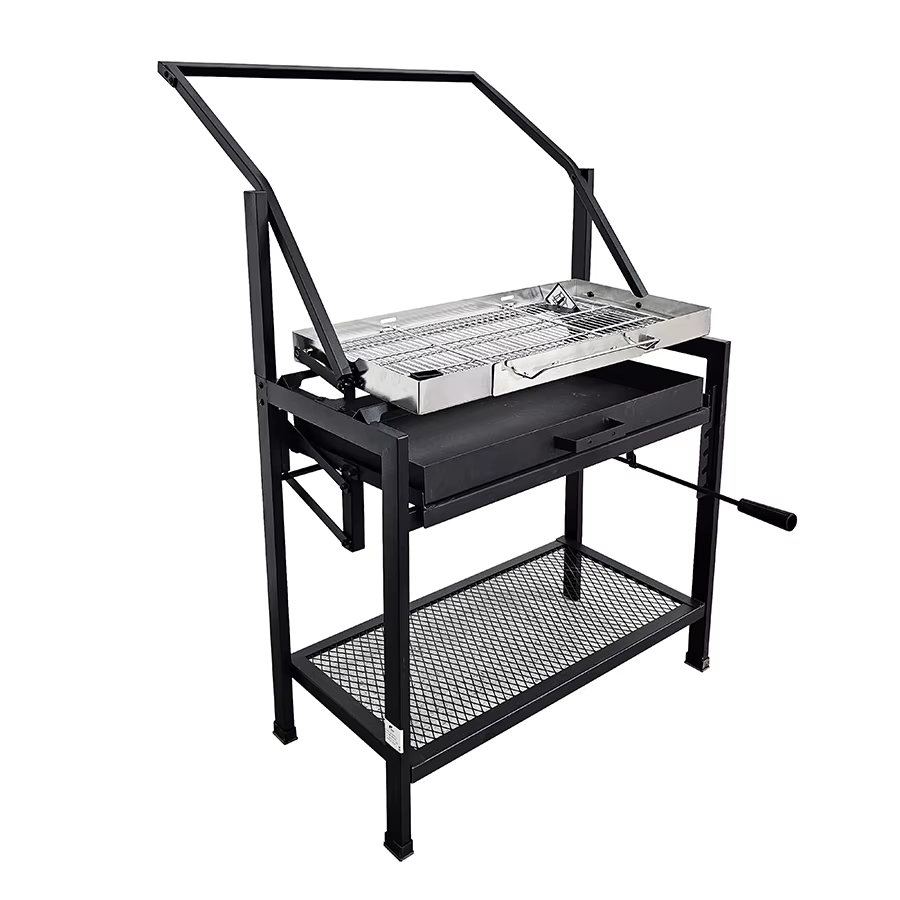
The outdoor grilling industry has experienced tremendous growth in recent years, with consumers demanding higher quality and more reliable BBQ grills for their backyard cooking adventures. As manufacturers compete for market share, implementing comprehensive quality testing methods has become essential for ensuring product safety, performance, and customer satisfaction. Understanding the various testing procedures and standards that apply to both gas and charcoal BBQ grills helps consumers make informed purchasing decisions while providing manufacturers with the framework needed to produce superior products.

Material Quality and Durability Testing
Stainless Steel Grade Verification
Material quality forms the foundation of reliable BBQ grills, with stainless steel being the preferred choice for many components. Testing laboratories employ spectroscopic analysis to verify the grade and composition of stainless steel used in grill construction. This process ensures that manufacturers use appropriate grades such as 304 or 316 stainless steel, which offer superior corrosion resistance and longevity. The testing involves examining the chromium and nickel content, as these elements directly impact the steel's ability to withstand outdoor elements and high temperatures.
Surface finish testing also plays a crucial role in determining how well BBQ grills will maintain their appearance over time. Laboratories conduct salt spray testing according to ASTM B117 standards, exposing grill components to accelerated corrosion conditions. This test simulates years of exposure to coastal environments and helps predict the long-term performance of outdoor cooking equipment.
Structural Integrity Assessment
Structural testing ensures that BBQ grills can withstand the mechanical stresses encountered during normal use and transportation. Load testing involves applying specified weights to cooking grates, side shelves, and other components to verify they meet design specifications. Engineers use specialized equipment to measure deflection and stress distribution, ensuring that critical components won't fail under typical cooking loads.
Fatigue testing simulates repeated use cycles that BBQ grills experience throughout their operational lifetime. This includes opening and closing lids, extending and retracting components, and temperature cycling. The testing helps identify potential failure points and validates the expected service life of various grill components.
Safety Testing Protocols
Gas Leak Detection and Pressure Testing
Gas-powered BBQ grills undergo rigorous safety testing to prevent dangerous gas leaks and ensure proper pressure regulation. Manufacturers must conduct pressure testing on all gas connections, regulators, and supply lines using specialized equipment that can detect even minute leaks. The testing typically involves pressurizing the gas system to 150% of its normal operating pressure and monitoring for any pressure drops that would indicate leakage.
Electronic gas detectors provide additional verification by scanning all connection points and gas-carrying components. These sensitive instruments can detect gas concentrations well below dangerous levels, ensuring that BBQ grills meet strict safety standards before reaching consumers. Regular calibration of detection equipment maintains testing accuracy and reliability.
Thermal Safety and Heat Distribution
Temperature testing ensures that BBQ grills operate safely while providing consistent cooking performance. Thermal imaging cameras map heat distribution across cooking surfaces, identifying hot spots or cold zones that could affect cooking quality. This testing helps manufacturers optimize burner placement and design ventilation systems that maintain safe operating temperatures on external surfaces.
Safety testing also includes measuring surface temperatures on handles, control knobs, and other user-contact areas during operation. These components must remain at safe temperatures to prevent burns and injuries. Testing protocols specify maximum allowable temperatures for different grill areas, ensuring user safety during normal cooking operations.
Performance Verification Methods
Heat Output and Efficiency Testing
Performance testing evaluates how effectively BBQ grills convert fuel into usable cooking heat. For gas grills, British Thermal Unit (BTU) output testing measures the actual heat production compared to manufacturer specifications. This testing involves precise measurement equipment that monitors gas consumption rates and temperature increases over specified time periods.
Efficiency testing determines how well BBQ grills retain and distribute heat during cooking operations. Temperature sensors placed throughout the cooking chamber monitor heat retention and recovery times after lid opening. This data helps validate manufacturer claims about preheating times and cooking performance, ensuring that consumers receive products that meet advertised specifications.
Ignition System Reliability
Modern BBQ grills feature various ignition systems that require thorough testing to ensure reliable operation. Piezo ignition systems undergo repeated activation testing to verify consistent spark generation over thousands of cycles. Electronic ignition systems require additional testing of battery life, circuit reliability, and spark electrode positioning.
Environmental testing exposes ignition components to temperature extremes, humidity variations, and vibration to simulate real-world storage and transportation conditions. This comprehensive testing ensures that BBQ grills will start reliably regardless of environmental conditions or storage duration.
Compliance and Certification Standards
Industry Safety Standards
BBQ grills must comply with various industry safety standards depending on their intended market. In North America, the CSA International standards govern gas appliance safety, while UL standards address electrical components and overall product safety. European markets require CE marking and compliance with EN standards for gas appliances and pressure vessels.
Testing laboratories accredited by recognized bodies conduct independent verification testing to ensure BBQ grills meet all applicable standards. This third-party validation provides consumers with confidence in product safety while protecting manufacturers from liability issues. The certification process involves comprehensive testing of all safety-critical components and systems.
Environmental Impact Assessment
Modern quality testing includes environmental impact assessment to evaluate the sustainability of BBQ grills throughout their lifecycle. This testing examines material recyclability, energy efficiency during manufacturing, and emissions produced during normal operation. Manufacturers increasingly focus on reducing environmental impact while maintaining performance and safety standards.
Packaging testing ensures that BBQ grills can be transported safely while minimizing environmental impact from packaging materials. Drop testing, compression testing, and vibration testing validate packaging design while testing departments work to optimize material usage and recyclability.
Quality Assurance in Manufacturing
Production Line Testing Procedures
Manufacturing quality assurance involves continuous testing throughout the production process to identify defects before BBQ grills reach consumers. Statistical process control monitors critical dimensions, material properties, and assembly quality at predetermined inspection points. This systematic approach helps maintain consistent quality while reducing waste and rework costs.
Final inspection procedures verify that completed BBQ grills meet all quality specifications before packaging and shipment. These comprehensive checks include functional testing of all moving parts, gas system verification, and cosmetic inspection to ensure products meet customer expectations.
Batch Testing and Quality Control
Batch testing involves selecting random samples from production runs for detailed quality verification. These samples undergo the complete battery of tests normally reserved for product development, ensuring that manufacturing processes maintain consistent quality standards. Statistical analysis of batch testing results helps identify trends and potential quality issues before they affect large quantities of products.
Quality control systems track testing results and link them to specific production batches, enabling rapid identification and containment of any quality issues. This traceability system allows manufacturers to implement targeted corrective actions while minimizing impact on customers and distributors.
Advanced Testing Technologies
Computer-Aided Testing Systems
Modern testing facilities employ computer-aided testing systems that provide more accurate and repeatable results than manual testing methods. These automated systems can conduct multiple tests simultaneously while recording detailed data for analysis and reporting. Computer control eliminates human error and ensures consistent test conditions across different operators and time periods.
Data acquisition systems capture thousands of measurements per second during testing, providing detailed insight into BBQ grills performance characteristics. This high-resolution data enables engineers to optimize design parameters and identify subtle performance differences that manual testing might miss.
Accelerated Lifecycle Testing
Accelerated testing methods compress years of normal use into weeks or months of laboratory testing. These techniques apply elevated stress levels including higher temperatures, increased cycling rates, and enhanced environmental conditions to predict long-term performance. The results help manufacturers estimate product lifetime and validate warranty coverage periods.
Accelerated corrosion testing exposes BBQ grills to aggressive environmental conditions that simulate decades of outdoor exposure. Combined with mechanical stress testing, these methods provide comprehensive assessment of product durability and help identify components that may require design improvements.
FAQ
How often should BBQ grills undergo quality testing during manufacturing
Quality testing should occur at multiple stages throughout the manufacturing process, including incoming material inspection, in-process testing at critical assembly points, and final product verification before shipment. Most reputable manufacturers implement continuous quality monitoring systems that test every unit produced, with more comprehensive testing performed on statistical samples from each production batch.
What safety standards must BBQ grills meet before being sold to consumers
BBQ grills must comply with various safety standards depending on their market destination. In North America, gas grills typically require CSA certification, while electrical components need UL approval. European markets mandate CE marking and compliance with EN standards. These certifications verify that products meet strict safety requirements for gas systems, structural integrity, and user protection.
How do manufacturers test the durability of BBQ grills
Durability testing involves multiple methods including accelerated lifecycle testing, corrosion resistance evaluation, and mechanical stress testing. Manufacturers subject BBQ grills to temperature cycling, salt spray exposure, and repeated use simulations that compress years of normal operation into weeks of laboratory testing. This comprehensive approach helps predict product lifetime and identify potential failure modes.
What performance characteristics are most important when testing BBQ grills
Key performance characteristics include heat output and distribution uniformity, temperature control accuracy, ignition system reliability, and fuel efficiency. Testing protocols measure actual BTU output compared to specifications, evaluate hot spot formation across cooking surfaces, and verify consistent ignition performance under various environmental conditions. These tests ensure that BBQ grills deliver the cooking performance that consumers expect.