
 EN
EN



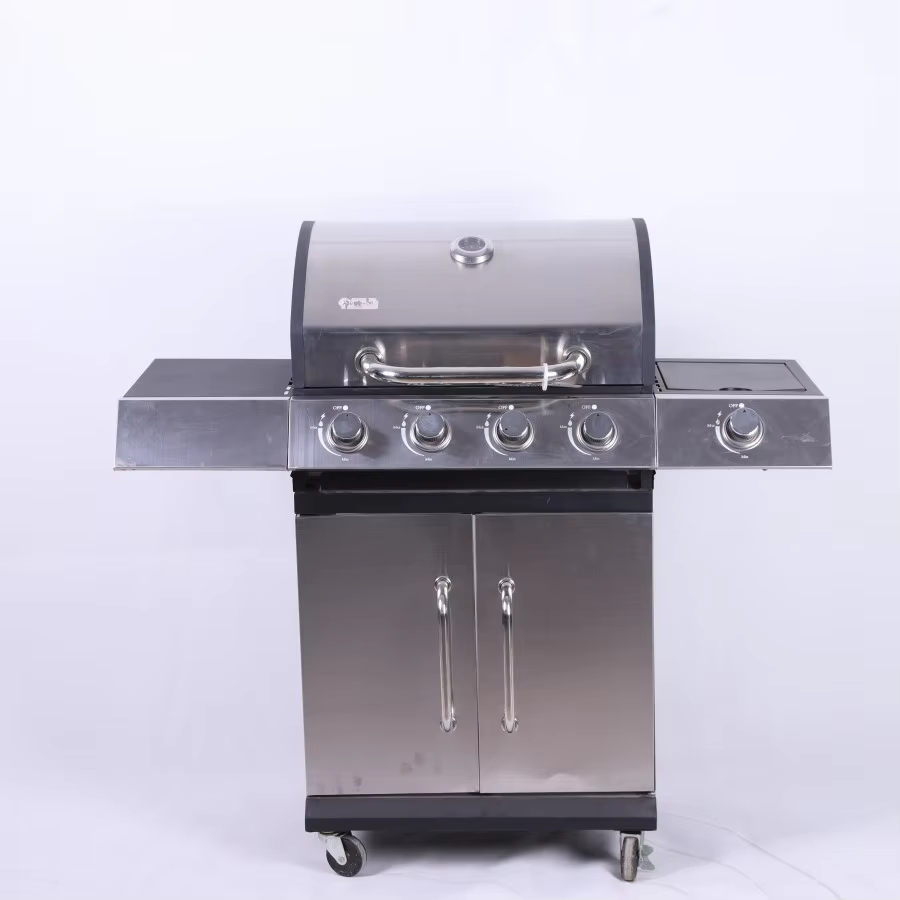
When sourcing gas barbecues for international distribution, importers face a complex set of decisions that go far beyond price comparison. The global market for gas barbecues has grown steadily, driven by rising consumer demand in Europe, North America, and beyond. For importers who need to protect their business reputation and satisfy strict regulatory requirements, choosing gas barbecues from certified suppliers is not merely a preference — it is a professional necessity.
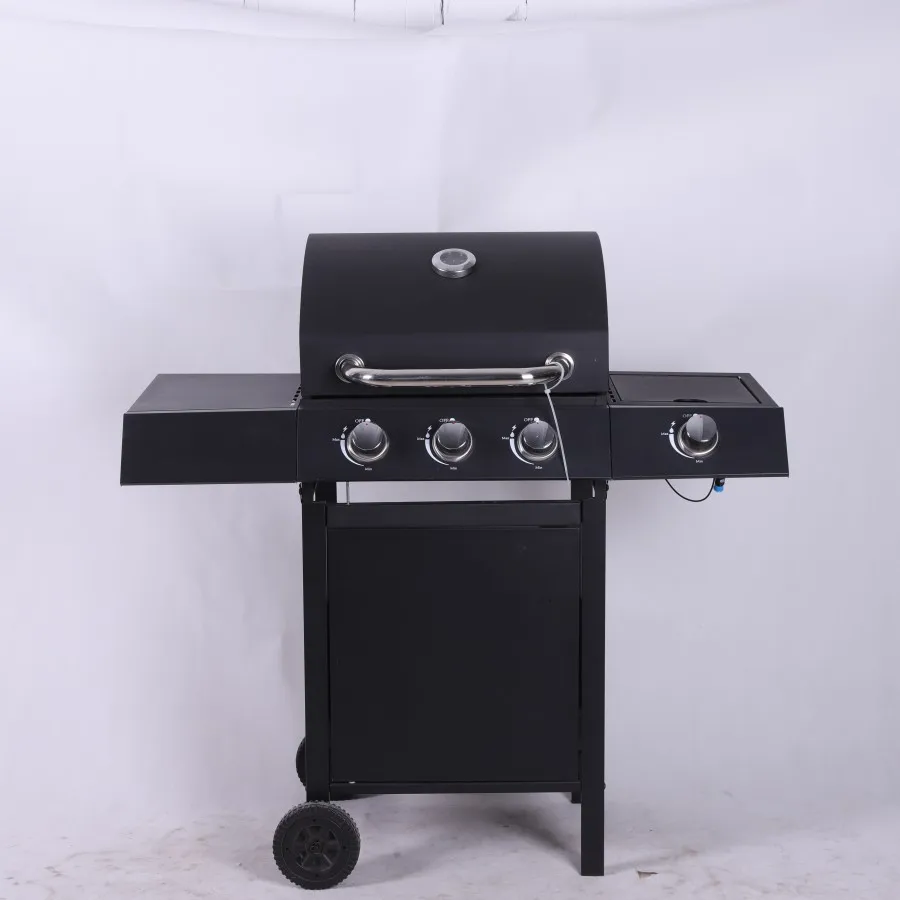
Certified gas barbecues carry independent verification that the products meet defined safety, performance, and materials standards. This verification matters enormously when dealing with gas appliances, where non-compliant products can cause serious safety incidents. Importers who prioritize certified gas barbecues consistently report fewer customs delays, fewer product returns, and stronger relationships with retail buyers who demand documented compliance before placing purchase orders.
Certification as a Foundation for Market Access
Why Certification Opens Doors for Gas Barbecues
Many destination markets require gas barbecues to carry specific certifications before they can be legally sold. In the European Union, gas barbecues must comply with the Gas Appliances Regulation and carry CE marking. In North America, gas barbecues must meet ANSI standards and often require CSA or UL certification. Without these marks, gas barbecues cannot legally enter retail channels, and importers risk costly seizures at the border. Working with certified suppliers ensures that gas barbecues arrive with the correct documentation already in place, dramatically reducing compliance risk and time-to-market.
Documentation Standards That Protect Importers
Certified suppliers of gas barbecues maintain structured documentation systems, including test reports, material declarations, and traceability records. These documents are essential when customs authorities or retail buyers request compliance evidence. Importers sourcing gas barbecues from non-certified factories often discover mid-shipment that critical paperwork is missing or incomplete. Certified gas barbecues, by contrast, come with a clear paper trail that simplifies customs clearance and supports after-sales liability management. This documentation discipline is one of the most practical reasons importers consistently return to certified sources for their gas barbecues.
Product Safety and Quality Consistency
How Certification Drives Safety in Gas Barbecues
Gas barbecues involve combustible fuel, pressurized connections, and ignition systems — all of which demand rigorous safety engineering. Certification bodies test gas barbecues under controlled conditions to verify that burner assemblies, regulator connections, and valve mechanisms perform safely within defined parameters. Importers who source gas barbecues from certified suppliers gain confidence that each batch reflects the same tested design, not an unverified variation. This consistency is critical when gas barbecues are sold under the importer's own brand, where a safety incident would directly damage brand equity and trigger liability claims.
Quality Repeatability Across Production Runs
One of the most common complaints among importers of gas barbecues is inconsistent quality across production batches. A certified supplier of gas barbecues operates under quality management systems — often ISO 9001 — that impose process controls at every stage of manufacturing. These controls ensure that gas barbecues in the third shipment match the specifications of the first. For importers building a reliable product catalog, the ability to predict the quality of incoming gas barbecues is just as valuable as the initial price point. Certification signals that the supplier has the systems in place to deliver gas barbecues with repeatable quality, not just one well-made sample.
Commercial Advantages for Importers of Gas Barbecues
Retail Buyer Confidence in Certified Gas Barbecues
Large retail chains and online platforms increasingly require importers to provide certification evidence before listing gas barbecues. Buyers at major home improvement retailers and outdoor living stores evaluate gas barbecues not only on design and price but on documented safety compliance. Importers who carry certified gas barbecues have a measurable advantage in retail negotiations because they can immediately satisfy this requirement. In contrast, importers presenting uncertified gas barbecues often face prolonged approval processes or outright rejection. Certified gas barbecues shorten the path from supplier factory to retail shelf, creating real commercial value throughout the supply chain.
Reduced Risk of Costly Product Recalls
Product recalls involving gas barbecues are expensive, damaging to brand reputation, and potentially dangerous to consumers. Importers who source gas barbecues from non-certified or poorly audited suppliers bear the highest risk of encountering a recall situation. Certification provides a meaningful safeguard because the supplier's gas barbecues have been independently evaluated before reaching the market. While no system eliminates all risk, importers of certified gas barbecues benefit from a clear defense in liability situations — demonstrating due diligence through formal supplier certification. This risk reduction alone justifies the sourcing premium that certified gas barbecues may carry over uncertified alternatives.
FAQ
What certifications should importers look for when sourcing gas barbecues?
Importers sourcing gas barbecues for European markets should prioritize CE marking under the Gas Appliances Regulation. For North American markets, gas barbecues should carry CSA, UL, or ANSI compliance documentation. Some retailers also require additional certifications specific to their own procurement standards, so importers should confirm requirements with their retail buyers before finalizing orders for gas barbecues.
Do certified gas barbecues always cost more than uncertified ones?
Certified gas barbecues may carry a slightly higher unit price due to the testing and documentation investment required from the supplier. However, importers typically recover this cost through reduced customs delays, fewer returns, faster retail approval, and lower liability exposure. When the full landed cost of gas barbecues is considered — including compliance risk — certified gas barbecues frequently represent the more cost-effective sourcing choice over time.
How can importers verify that a supplier's gas barbecues are genuinely certified?
Importers should request original test reports issued by accredited third-party laboratories, not manufacturer-issued declarations alone. Authentic certification documents for gas barbecues will reference the specific test standard, the testing laboratory's accreditation number, and the product model tested. Importers can cross-check certification numbers directly with the issuing body when verifiable databases are available. Conducting a factory audit or working with a sourcing agent experienced in gas barbecues also provides additional assurance that the supplier's certification is current and genuine.