
 EN
EN



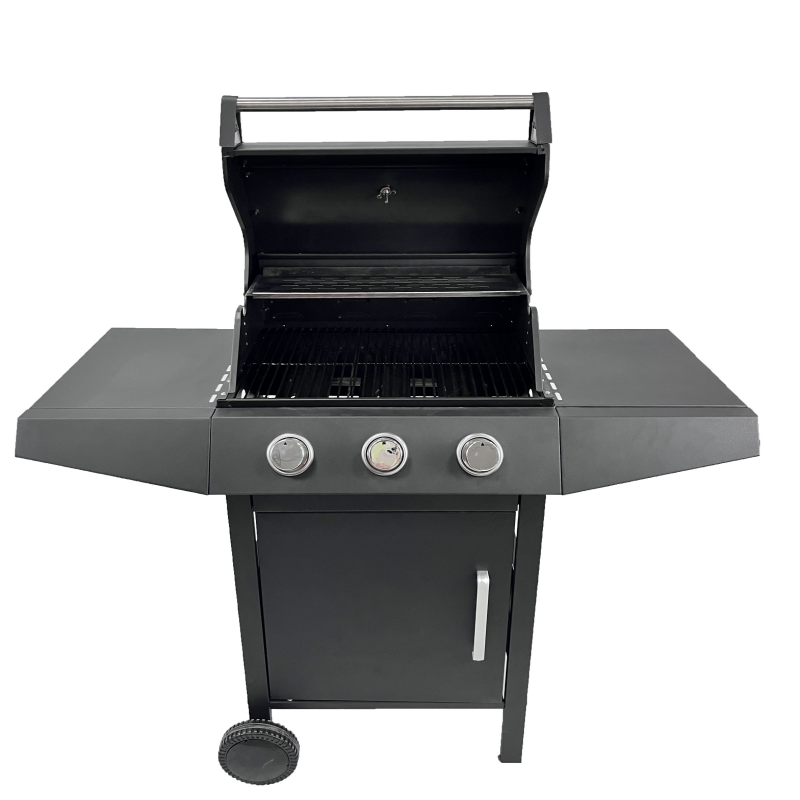
A demanda global por fogões profissionais para churrasco atingiu níveis sem precedentes, à medida que a cultura do cozimento ao ar livre continua a se expandir nos mercados internacionais. Os fabricantes exportadores enfrentam requisitos de qualidade cada vez mais rigorosos por parte de distribuidores e usuários finais, que esperam desempenho superior, durabilidade e conformidade com normas de segurança. Compreender essas normas críticas de qualidade torna-se essencial para os fabricantes que buscam estabelecer parcerias de exportação bem-sucedidas e manter uma posição competitiva nos mercados premium de equipamentos para churrasco.

O controle de qualidade para exportação abrange múltiplas dimensões, incluindo especificações de materiais, processos de fabricação, certificações de segurança e protocolos de testes de desempenho. Fogões profissionais para churrasco destinados a mercados internacionais devem demonstrar uma qualidade de construção excepcional, ao mesmo tempo em que atendem aos diversos requisitos regulatórios regionais. Essas normas impactam diretamente a aceitação no mercado, a satisfação do cliente e a reputação de longo prazo da marca em ambientes competitivos de exportação.
Qualidade do Material e Padrões de Construção
Requisitos quanto ao Grau de Aço Inoxidável
Fogões profissionais premium para churrasco exigem construção em aço inoxidável de alta qualidade, capaz de suportar condições externas severas e uso comercial intensivo. As especificações para exportação normalmente exigem aço inoxidável dos graus 304 ou 316 para superfícies de cozimento, componentes dos queimadores e painéis externos. Esses materiais oferecem resistência à corrosão, distribuição de calor e durabilidade superiores, comparados às alternativas de menor qualidade, comumente encontradas em produtos destinados ao mercado interno.
A qualidade do acabamento superficial torna-se particularmente crítica para mercados de exportação, onde o apelo estético influencia as decisões de compra. Os fogões profissionais para churrasco devem apresentar padrões uniformes de grão, polimento consistente e juntas de soldagem isentas de defeitos. As tolerâncias de fabricação referentes à espessura da chapa metálica, alinhamento dos painéis e encaixe dos componentes exigem controle preciso para atender às expectativas internacionais de qualidade e garantir desempenho confiável em campo.
Engenharia da Distribuição de Calor
A consistência do desempenho térmico representa uma métrica fundamental de qualidade para fogões profissionais para churrasco destinados a mercados de exportação. Sistemas avançados de distribuição de calor incorporam configurações cientificamente projetadas de queimadores, difusores de chama e disposições das grelhas de cozimento, eliminando pontos quentes e assegurando um controle uniforme da temperatura. Os fabricantes exportadores devem validar o desempenho térmico mediante protocolos rigorosos de ensaio que simulem condições reais de cozimento.
Escudos térmicos e materiais para tubos de queimadores de nível profissional exigem ligas especializadas capazes de suportar ciclos extremos de temperatura sem deformação ou degradação. Os processos de controle de qualidade devem verificar padrões adequados de fluxo de gás, confiabilidade na ignição e estabilidade térmica em todas as zonas de cozimento. Esses requisitos de engenharia distinguem fornos profissionais para churrasco de alternativas voltadas ao consumidor em aplicações comerciais exigentes.
Certificação de Segurança e Quadro Regulatório
Padrões internacionais de segurança
Os mercados de exportação exigem certificações abrangentes de segurança, cujos requisitos variam significativamente entre diferentes regiões e países. Fornos profissionais para churrasco devem cumprir os requisitos de marcação CE para os mercados europeus, listagens UL para a distribuição na América do Norte e diversos padrões nacionais nas regiões da Ásia-Pacífico. Cada certificação envolve testes extensivos quanto à segurança do gás, sistemas elétricos, integridade estrutural e conformidade com normas de emissões.
Os protocolos de segurança para gás exigem que fornos profissionais para churrasco incorporem múltiplos mecanismos de segurança, incluindo dispositivos de detecção de apagamento da chama, reguladores de pressão e sistemas de detecção de vazamentos. O controle de qualidade na fabricação deve verificar a instalação correta e o funcionamento de todos os componentes de segurança antes do embarque para exportação. Os requisitos de documentação incluem manuais detalhados de segurança, guias de instalação e instruções de manutenção traduzidos para os idiomas locais.
Emissões e Conformidade Ambiental
As regulamentações ambientais impactam cada vez mais os fornos profissionais para churrasco exportados para mercados desenvolvidos com rigorosos padrões de emissões. Tecnologias de combustão limpa, sistemas eficientes de combustão e redução das emissões de partículas tornam-se requisitos obrigatórios para muitos destinos de exportação. Os protocolos de ensaio de qualidade devem validar o desempenho em termos de emissões sob diversas condições operacionais e tipos de combustível.
Fornos profissionais para churrasco projetados para mercados de exportação frequentemente incorporam câmaras de combustão avançadas, sistemas de injeção de ar secundário e componentes catalíticos para minimizar o impacto ambiental. Os processos de fabricação devem garantir uma qualidade consistente de montagem para componentes críticos em termos de emissões, ao mesmo tempo que mantêm a rentabilidade necessária para preços competitivos de exportação. Testes regulares de emissões ao longo das séries de produção verificam a conformidade contínua com as normas ambientais internacionais.
Testes de Desempenho e Protocolos de Validação
Medição da Eficiência Térmica
Fornos profissionais para churrasco de qualidade exportável passam por testes abrangentes de eficiência térmica para validar as taxas de consumo de combustível, os tempos de aquecimento e as capacidades de manutenção de temperatura. Procedimentos padronizados de teste medem a potência térmica (BTU) de saída, a uniformidade da distribuição de calor e o desempenho culinário com diferentes tipos de alimentos e métodos de preparação. Essas métricas influenciam diretamente a satisfação do cliente e as decisões de compra repetida em mercados de exportação competitivos.
Laboratórios profissionais de ensaios utilizam equipamentos de medição sofisticados para avaliar o desempenho térmico em condições controladas. Estudos de mapeamento térmico identificam possíveis pontos quentes ou zonas frias que possam afetar os resultados do cozimento. Os fogões profissionais para churrasco devem demonstrar características de desempenho consistentes em múltiplas unidades, a fim de garantir a uniformidade de qualidade nas remessas destinadas à exportação.
Ensaios de durabilidade e longevidade
Os ensaios de durabilidade a longo prazo simulam anos de uso intensivo para validar a integridade estrutural e a longevidade dos componentes dos fogões profissionais para churrasco. Protocolos de envelhecimento acelerado submetem as unidades a ciclos extremos de temperatura, ambientes corrosivos e tensões mecânicas, a fim de identificar possíveis modos de falha. Os fabricantes exportadores devem demonstrar que seus fogões profissionais para churrasco mantêm os padrões de desempenho ao longo de uma vida útil prolongada.
Os ensaios de fadiga de componentes avaliam elementos críticos, incluindo conjuntos de queimadores, válvulas de controle, sistemas de ignição e juntas estruturais. Os fogões profissionais para churrasco destinados a aplicações comerciais exigem especificações de durabilidade aprimoradas em comparação com unidades residenciais. Os processos de garantia da qualidade devem verificar se todos os componentes atendem ou superam os requisitos especificados de vida útil antes da aprovação para exportação.
Garantia da Qualidade e Controle de Fabricação
Procedimentos de Inspeção na Linha de Produção
O controle de qualidade sistemático ao longo da fabricação assegura que os fogões profissionais para churrasco atendam consistentemente às especificações para exportação. Protocolos de inspeção em múltiplas etapas verificam a qualidade dos materiais, a precisão dimensional, a integridade da montagem e o desempenho funcional em pontos críticos da produção. Métodos estatísticos de controle de processo identificam variações que possam afetar a qualidade do produto antes que impactem as remessas para exportação.
Fornos profissionais para churrasco exigem listas de verificação detalhadas que abrangem a qualidade da soldagem, o acabamento superficial, o alinhamento dos componentes e a integridade do sistema de gás. Inspetores de qualidade treinados utilizam ferramentas de medição calibradas e procedimentos padronizados para avaliar cada unidade com base em critérios de aceitação estabelecidos. Produtos não conformes passam por processos de ação corretiva antes de nova inspeção e eventual aprovação para exportação.
Requisitos de Documentação e Rastreabilidade
Os mercados de exportação exigem documentação abrangente que demonstre o controle de qualidade em todo o processo de fabricação de fornos profissionais para churrasco. Sistemas de rastreabilidade acompanham as origens dos materiais, as datas de produção, os resultados das inspeções e os dados dos ensaios de cada unidade. Essa documentação apoia reivindicações de garantia, a conformidade regulatória e iniciativas de melhoria contínua nas operações de fabricação para exportação.
Fornos profissionais para churrasco exigem certificados de qualidade detalhados, relatórios de ensaios de materiais e dados de validação de desempenho para a liberação aduaneira na exportação. Sistemas digitais de documentação facilitam a recuperação rápida de informações para consultas de clientes, auditorias regulatórias e suporte técnico em campo. Práticas adequadas de documentação protegem os fabricantes contra reclamações de responsabilidade civil, ao mesmo tempo que demonstram seu compromisso com a excelência em qualidade nos fornos profissionais para churrasco.
Adaptações e Requisitos Específicos por Mercado
Variações Regionais de Projeto
Diferentes mercados de exportação frequentemente exigem modificações específicas de projeto para atender às preferências locais, às regulamentações e aos padrões de uso dos fornos profissionais para churrasco. Os mercados europeus podem exigir designs compactos, adequados a espaços externos menores, enquanto os clientes norte-americanos preferem superfícies de cozimento maiores e saídas térmicas (BTU) mais elevadas. Compreender essas preferências regionais torna-se crucial para o sucesso no mercado de exportação.
Os padrões de conexão de gás variam significativamente entre os mercados internacionais, exigindo que churrasqueiras profissionais acomodem diferentes tipos de conexões, classes de pressão e requisitos de segurança. Os fabricantes devem manter flexibilidade no projeto e na produção para atender diversos mercados de exportação, ao mesmo tempo que preservam seus padrões fundamentais de qualidade. As churrasqueiras profissionais frequentemente exigem marcas de certificação específicas por região, manuais de instruções e termos de garantia adaptados.
Preferências Culturais e Funcionais
As preferências culturais de cozinha influenciam os requisitos de projeto das churrasqueiras profissionais em diferentes mercados de exportação. Nos mercados asiáticos, pode haver ênfase nas capacidades de cozimento em altas temperaturas e em configurações especializadas de queimadores, enquanto nas regiões mediterrâneas o foco recai nos métodos tradicionais de grelhamento e no apelo estético. Compreender essas preferências ajuda os fabricantes a desenvolver estratégias de exportação direcionadas.
Os fogões profissionais para churrasco devem acomodar a disponibilidade local de combustível, as condições climáticas e as práticas de manutenção nos mercados de exportação. Regiões tropicais podem exigir proteção contra corrosão reforçada, enquanto climas frios demandam sistemas de ignição confiáveis e componentes resistentes ao congelamento. Fabricantes bem-sucedidos de exportação adaptam seus fogões profissionais para churrasco às diversas exigências dos mercados, mantendo, ao mesmo tempo, a eficiência na fabricação.
Tendências Futuras nas Normas de Qualidade para Exportação
Integração de tecnologias inteligentes
Fogões profissionais para churrasco avançados incorporam cada vez mais funcionalidades de tecnologia inteligente, incluindo controle digital de temperatura, monitoramento sem fio e programas automatizados de cozimento. Os mercados de exportação demonstram uma demanda crescente por dispositivos conectados que aprimorem a experiência do usuário e a precisão no cozimento. As normas de qualidade devem evoluir para abranger a confiabilidade de software, a cibersegurança e o design da interface com o usuário para fogões profissionais para churrasco.
A integração de capacidades IoT em churrasqueiras profissionais exige novos protocolos de teste para comunicação sem fio, funcionalidade de aplicativos móveis e segurança de dados. Os fabricantes exportadores devem garantir que os recursos inteligentes aprimorem — e não comprometam — o desempenho essencial na cocção e os padrões de segurança. Churrasqueiras profissionais com tecnologia avançada exigem suporte técnico especializado e programas de treinamento para usuários nos mercados de exportação.
Práticas de Fabricação Sustentáveis
A sustentabilidade ambiental influencia cada vez mais as preferências dos mercados de exportação por churrasqueiras profissionais com menor pegada de carbono e materiais recicláveis. Fabricantes que adotam práticas sustentáveis obtêm vantagens competitivas em mercados de exportação conscientes do meio ambiente. Processos de fabricação verde, uso de energia renovável e iniciativas de redução de resíduos tornam-se importantes diferenciais de qualidade.
Fornos profissionais para churrasco projetados com considerações para reciclagem no fim de vida útil atraem mercados de exportação com regulamentações ambientais rigorosas. A construção modular, as capacidades de separação de materiais e os componentes biodegradáveis representam tendências emergentes no design sustentável de produtos. Os fabricantes exportadores devem equilibrar responsabilidade ambiental com requisitos de desempenho e competitividade de custos em fornos profissionais para churrasco.
Perguntas Frequentes
Quais são as certificações de segurança mais importantes exigidas para a exportação de fornos profissionais para churrasco?
As certificações de segurança mais críticas para fogões profissionais de churrasco incluem a marcação CE para os mercados europeus, a listagem UL para a América do Norte e a certificação CSA para o Canadá. Certificações regionais adicionais podem ser exigidas, dependendo dos destinos específicos de exportação, como a AENOR para a Espanha, a DVGW para a Alemanha e várias normas nacionais para os mercados da Ásia-Pacífico. Cada certificação exige ensaios abrangentes quanto à segurança do gás, integridade estrutural e conformidade com as normas de emissões.
Como diferem as normas de qualidade dos materiais entre fogões profissionais de churrasco para uso doméstico e para exportação?
Fornos profissionais para churrasco destinados à exportação normalmente exigem materiais de qualidade superior, como aço inoxidável graus 304 ou 316, em comparação com alternativas de menor qualidade utilizadas em produtos domésticos. As normas de exportação exigem resistência à corrosão superior, tolerâncias de fabricação mais precisas e especificações aprimoradas de durabilidade. A rastreabilidade dos materiais, a documentação de certificação e o controle de qualidade consistente tornam-se mais rigorosos para fornos profissionais para churrasco destinados a mercados internacionais.
Quais protocolos de ensaio garantem a consistência do desempenho térmico em fornos profissionais para churrasco?
Os testes de desempenho térmico para fogões profissionais de churrasco envolvem estudos de mapeamento de temperatura, verificação da saída de BTU, análise da distribuição de calor e validação do desempenho culinário. Procedimentos padronizados de ensaio medem os tempos de aquecimento, a uniformidade de temperatura e a eficiência energética em condições controladas. Laboratórios profissionais de ensaios utilizam instrumentos calibrados para garantir que os fogões profissionais de churrasco atendam consistentemente aos critérios específicos de desempenho térmico em todas as séries de produção.
Como as preferências regionais afetam os requisitos de projeto para fogões profissionais de churrasco destinados à exportação
As preferências regionais influenciam significativamente o design de churrasqueiras profissionais, incluindo restrições de tamanho para os mercados europeus, requisitos elevados de BTU para os clientes norte-americanos e características especializadas para os estilos culinários asiáticos. Os padrões de conexão a gás, as normas de segurança e as preferências estéticas variam entre os mercados de exportação. Fabricantes bem-sucedidos adaptam suas churrasqueiras profissionais para atender às preferências locais, mantendo ao mesmo tempo os padrões essenciais de qualidade e a eficiência da fabricação.
Table of Contents
- Qualidade do Material e Padrões de Construção
- Certificação de Segurança e Quadro Regulatório
- Testes de Desempenho e Protocolos de Validação
- Garantia da Qualidade e Controle de Fabricação
- Adaptações e Requisitos Específicos por Mercado
- Tendências Futuras nas Normas de Qualidade para Exportação
-
Perguntas Frequentes
- Quais são as certificações de segurança mais importantes exigidas para a exportação de fornos profissionais para churrasco?
- Como diferem as normas de qualidade dos materiais entre fogões profissionais de churrasco para uso doméstico e para exportação?
- Quais protocolos de ensaio garantem a consistência do desempenho térmico em fornos profissionais para churrasco?
- Como as preferências regionais afetam os requisitos de projeto para fogões profissionais de churrasco destinados à exportação