
 EN
EN



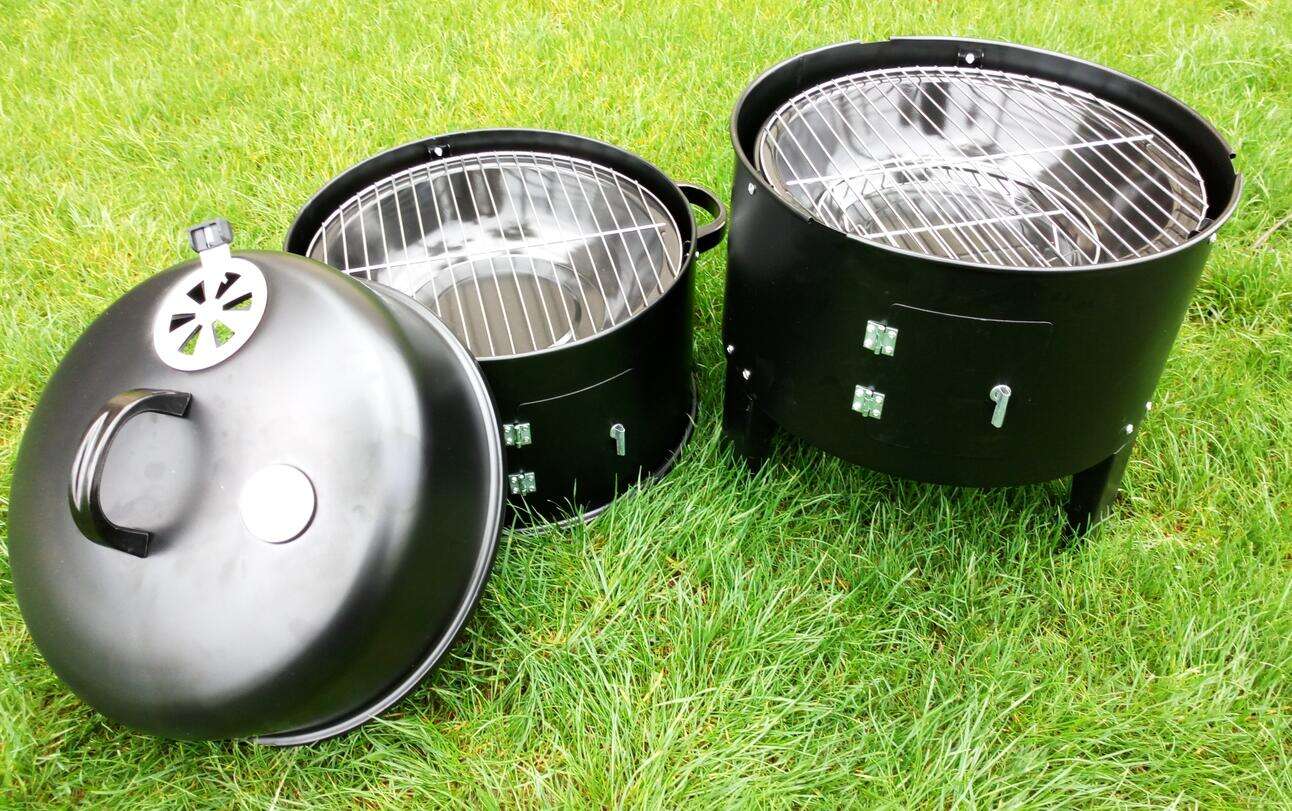
باہر کے کھانا پکانے کے آلات کے مقابلہ پسند بازار میں کام کرنے والے ریٹیلرز کے لیے، قابل اعتماد باربیکیو گیس گریل کے تھوک حل حاصل کرنا ایک اہم کاروباری فیصلہ ہے جو براہ راست انوینٹری کی معیار، صارفین کی اطمینان اور منافع کے ہMargins کو متاثر کرتا ہے۔ باربیکیو گیس گریل کی اکائیوں کی تھوک خریداری کے لیے سپلائر کی صلاحیتوں، مصنوعات کی خصوصیات، قیمت کے ڈھانچے اور طویل المدتی شراکت داری کی صلاحیت کا حکمت عملی کے تحت جائزہ لینا ضروری ہوتا ہے۔ وہ ریٹیلرز جو باربیکیو گیس گریل کی انوینٹری کے لیے جدید ذرائع کی حکمت عملی تیار کرتے ہیں، وہ مختلف صارفین کی ضروریات کو پورا کرنے کے ساتھ ساتھ چوٹی کے فروخت کے موسم کے دوران مقابلہ پسند قیمتیں برقرار رکھنے اور مسلسل مصنوعات کی دستیابی کو یقینی بنانے کے قابل ہوتے ہیں۔

باربی کیو گیس گرل کی خریداری کے لیے بڑے پیمانے پر تجارتی تعلقات قائم کرنا چھوٹے اور بڑے ریٹیل کاروباروں، جیسے بڑے باکس والے اسٹورز سے لے کر مخصوص آؤٹ ڈور لِوِنگ کی دکانوں تک، کی الگ الگ آپریشنل ضروریات کو سمجھنے کا تقاضا کرتا ہے۔ بڑے پیمانے پر باربی کیو گیس گرل کا منڈی مختلف مصنوعات کی اقسام پر مشتمل ہے، جو بنیادی سطح کے پورٹیبل یونٹس سے لے کر اعلیٰ درجے کے متعدد برینر والے نظاموں تک ہیں جن میں جدید درجہ حرارت کنٹرول کی خصوصیات شامل ہیں۔ ریٹیلرز کو فراہم کنندگان کی تصدیق کے عمل، کم از کم آرڈر کی مقدار کی شرائط، درجہ بندی کے اختیارات، اور لاگستکس کے تنسيق کو سمجھنا ہوگا تاکہ اپنے ہدف والے صارفین کے جماعتی اور علاقائی منڈی کی ترجیحات کے مطابق انوینٹری کے ذخائر کو ترتیب دیا جا سکے، جبکہ کافی مارک اپ کے مواقع اور قابل انتظام انوینٹری ٹرن اوور کی شرح کو یقینی بنایا جا سکے۔
بڑے پیمانے پر باربی کیو کو سمجھنا گیس گرل بازار کی ڈاینامکس
حالیہ صنعتی منظر نامہ اور ریٹیل کے مواقع
باربی کیو گیس گرل کے بڑے پیمانے پر فروخت کا شعبہ اس وقت قابلِ ذکر تبدیلی سے دوچار ہے جبکہ صارفین کی ترجیحات باہر کے تفریحی موقعوں اور گھر پر آرام کی سرگرمیوں کی طرف منتقل ہو رہی ہیں۔ وہ خوردہ فروش جو باربی کیو گیس گرل کی پیشکش میں داخل ہو رہے ہیں یا اپنی موجودہ پیشکش کو وسیع کر رہے ہیں، ایک ایسے منڈی کا سامنا کر رہے ہیں جو موسمی تقاضوں کی لہروں، برنر سسٹمز اور آگ لگانے کے طریقوں میں ٹیکنالوجی کی ترقی، اور صارفین کی مضبوطی اور کارکردگی کے لیے بڑھتی ہوئی توقعات کی خصوصیت رکھتی ہے۔ اب بڑے پیمانے پر فراہم کرنے والے باربی کیو گیس گرل کے وہ ماڈلز فراہم کرتے ہیں جن میں سٹین لیس سٹیل کی ساخت، پورسلین کوٹڈ گریٹس، الیکٹرانک آگ لگانے کے نظام، اور اندرونی درجہ حرارت کے گیج شامل ہیں، جو معیار کے حوالے سے آگاہ صارفین کو متاثر کرتے ہیں جو باہر کے کھانا پکانے کے لمبے عرصے تک چلنے والے آلات میں سرمایہ کاری کرنے کے لیے تیار ہوتے ہیں۔
مارکیٹ ریسرچ سے پتہ چلتا ہے کہ وہ ریٹیلرز جو مختلف قیمتی درجات کے مابین باربی کیو گیس گریل کے متنوع اسٹاک کو برقرار رکھتے ہیں، وہ وسیع مارکیٹ سیگمنٹس کو اپنی طرف متوجہ کرتے ہیں اور مختلف صارفین کے بجٹ کو پورا کرتے ہیں۔ تھوک خریداری کی حکمت عملی کو علاقائی موسمیاتی نمونوں کو مدنظر رکھنا ہوگا جو خریداری کے دوران کو متاثر کرتے ہیں، جہاں ساحلی ریٹیلرز کو کوروزن-مُقاوم ماڈلز پر ترجیح دینی ہوگی جبکہ شمالی منڈیوں کے ریٹیلرز کو سرد موسم کی کارکردگی کی صلاحیتوں پر زور دینا ہوگا۔ کامیاب ریٹیلرز اپنے تھوک آرڈرنگ کے نمونوں میں باربی کیو گیس گریل کے لیے بہترین تنوع اور گہرائی کا تعین کرنے کے لیے جمع شدہ آبادیاتی اعدادوشمار، مقابلہ کرنے والے ریٹیلرز کی پیشکشیں اور صارفین کی رائے کا تجزیہ کرتے ہیں۔
تھوک شراکت داری کے لیے سپلائر کا جائزہ لینے کے معیارات
qualified باربی کیو گیس گرل کے تھوک فراہم کنندگان کی شناخت کرنا قیمت کے ابتدائی موازنے سے کہیں زیادہ جامع دلچسپی کا تقاضا کرتا ہے۔ خوردہ فروشان کو مصنوعات کی مستقل دستیابی کو یقینی بنانے کے لیے تیاری کے کارخانوں، معیار کنٹرول کے طریقوں، سرٹیفیکیشن کی پابندیوں اور تیاری کی صلاحیت کا جائزہ لینا چاہیے، خاص طور پر اعلیٰ طلب کے دوران۔ معتبر باربی کیو گیس گرل کے تھوک فراہم کنندگان آرڈر کی تکمیل کے شیڈول پر اثر انداز ہونے والے لیڈ ٹائمز، انوینٹری کی دستیابی اور ممکنہ سپلائی چین کے رکاوٹوں کے بارے میں شفاف رابطہ برقرار رکھتے ہیں۔ ان فراہم کنندگان کے ساتھ تعلقات قائم کرنا جو لچکدار کم از کم آرڈر کی مقدار (MOQ) پیش کرتے ہیں، خوردہ فروشان کو بڑے پیمانے پر باربی کیو گیس گرل کی خریداری کے لیے پابند ہونے سے پہلے منڈی کے ردعمل کو آزمائش کا موقع فراہم کرتا ہے۔
باربی کیو گیس گرل کی بڑے پیمانے پر خریداری کا عمل میں فراہم کنندہ کی مالیاتی استحکام کا جائزہ، ذہنی ملکیت کی تصدیق، اور ضمانت کے ساتھ متعلقہ سہولیات کے جائزے کو شامل کرنا چاہیے۔ خوردہ فروش اُن فراہم کنندگان سے فائدہ اٹھاتے ہیں جو مصنوعات کی مکمل دستاویزات فراہم کرتے ہیں، بشمول اسمبلی کے ہدایات، رعایت کے لیے ہدایات، اور ریپلیسمنٹ پارٹس کی دستیابی کی معلومات، جو صارفین کے لیے سروس کی صلاحیتوں کو بہتر بناتی ہیں۔ معیاری بڑے پیمانے پر فروش کرنے والے نمونہ جانچ کے پروگرام پیش کرتے ہیں جو خوردہ فروشوں کو باربی کیو گیس گرل کی تعمیر کے معیار کا جسمانی معائنہ کرنے، آگ لگانے کے نظام کا ٹیسٹ کرنے، اور مصنوعات کے مجموعی اختتام کا اندازہ لگانے کی اجازت دیتے ہیں، قبل ازیں کہ وہ اپنے اہم سرمائی وسائل کو منسلک کرتے ہوئے بڑی مقدار میں انوینٹری کا حکم دیں۔
قیمت کے ڈھانچے اور منافع کی بہترین کارکردگی
بڑے پیمانے پر باربی کیو گیس گرل کی قیمتیں آرڈر کے حجم، ادائیگی کے شرائط، موسمی وقت اور مارکیٹ میں سپلائر کی مقابلہ جوئی کی حیثیت کے مطابق کافی حد تک مختلف ہوتی ہیں۔ خوردہ فروشان کو مصنوعات کی اصل خریداری کی لاگت کا تعین کرنے کے لیے کل آنے والی لاگت (landed costs) کا حساب لگانا ضروری ہے، جس میں فریٹ کے اخراجات، درآمد شدہ اکائیوں پر ج customs ڈیوٹیز، گودام کے اخراجات، اور ممکنہ نقصان یا خرابی کے تناسب کو شامل کیا جانا چاہیے۔ مؤثر باربی کیو گیس گرل بڑے پیمانے پر فروخت کی حکمت عملیاں حجم کے لحاظ سے رعایت کے مذاکرات کو شامل کرتی ہیں جو یونٹ کی معیشت کو بہتر بناتی ہیں، جبکہ آپریشنل اخراجات کو پورا کرنے اور قابلِ قبول منافع کے تناسب کو حاصل کرنے کے لیے کافی مارک اپ فیصد کو برقرار رکھتی ہیں۔
ریٹیلرز کو باربیکیو گیس گرل کی خصوصیات، تعمیر کی معیاریت اور برانڈ کی پوزیشننگ کے مطابق واضح قیمتی درجہ بندیاں طے کرنی چاہئیں تاکہ اپنے مصنوعاتی ذخیرے کے اندر منطقی قیمتی سیڑھیاں تشکیل دی جا سکیں۔ حجم کے لحاظ سے واہول قیمتیں بڑے خریداری کے وعدوں کو مشوق بناتی ہیں، لیکن اس کے لیے درست تقاضا کی پیش بینی کی ضرورت ہوتی ہے تاکہ زیادہ سے زیادہ انوینٹری کی حملہ کرنے کی لاگت یا صاف کرنے کے لیے قیمت میں کمی سے بچا جا سکے۔ کامیاب ریٹیلرز اپنے نقدی بہاؤ کے دوروں کے مطابق ادائیگی کے شرائط پر مذاکرات کرتے ہیں، جس میں آہستہ فروخت کے دوران ادائیگی کی مدت کو لمبا کرنے کا موقع حاصل کیا جا سکتا ہے، جبکہ اعلیٰ خرید کے موسم میں باربیکیو گیس گرل کے واہول آرڈرز پر اضافی قیمتی رعایتیں حاصل کرنے کے بدلے میں ادائیگی کی مدت کو مختصر کرنے پر رضامندی ظاہر کی جا سکتی ہے۔
ریٹیل کامیابی کے لیے مصنوعات کی تفصیلات کا جائزہ
برنر کی ترتیب اور پکانے کی کارکردگی
برنر سسٹم کسی بھی باربیکو گیس گرل کے عملی مرکز کی نمائندگی کرتا ہے، جو پکانے کی کارکردگی، حرارت کے تقسیم اور صارفین کی اطمینان پر براہ راست اثر انداز ہوتا ہے۔ باربیکو گیس گرل کی تھوک کی خریداری کے فیصلوں میں ان ماڈلز کو ترجیح دینی چاہیے جن میں مضبوط برنر مواد جیسے سٹین لیس سٹیل یا ڈھلواں لوہا استعمال کیا گیا ہو، جو زنگ لگنے کے مقابلے میں مزاحمت کرتے ہیں اور لمبے عرصے تک مستقل حرارت کا اخراج برقرار رکھتے ہیں۔ فروشندگان کو BTU درجہ بندیوں، برنرز کے درمیان فاصلے کے طرز اور شعلہ کے احاطہ کی خصوصیات کو سمجھنا چاہیے، جو بنیادی سطح کے باربیکو گیس گرل ماڈلز کو سنجیدہ باہر کے پکانے کے شوقینوں کے لیے ڈیزائن کردہ پریمیم درجے کے آفرز سے ممتاز کرتی ہیں۔
متعدد بارنر والے باربی کیو گیس گرل کے درجہ بندیاں صارفین کو علاقائی پکانے کی صلاحیت فراہم کرتی ہیں جو مختلف درجہ حرارت کی ضرورت رکھنے والے کھانوں کی ایک ساتھ تیاری کو ممکن بناتی ہیں۔ واہolesale خریداروں کو باربی کیو گیس گرل کے ماڈلز کا انتخاب کرتے وقت بازوں کے الگ الگ کنٹرول کے طریقہ کار، شعلہ لگانے کی قابل اعتمادی، اور شعلہ کی درست ایڈجسٹمنٹ کا جائزہ لینا چاہیے جو خردہ فروشی کے لیے انوینٹری کے لیے منتخب کیے جا رہے ہیں۔ اعلیٰ درجے کے واہolesale باربی کیو گیس گرل کے یونٹس اکثر انفراریڈ بارنرز، روٹیسری سسٹمز، یا سائیڈ بارنرز کو شامل کرتے ہیں جو پکانے کی تنوع کو وسیع کرتے ہیں اور خردہ فروشی کے انتخاب میں بلند قیمت کی پوزیشن کو جائزہ دیتے ہیں۔
تعمیر کے مواد اور پائیداری کے معیارات
مواد کے انتخاب سے باربیکیو گیس گرل کی عمر، دیکھ بھال کی ضروریات، اور رٹیل کے صارفین کے درمیان اس کی تاثری قدر پر نمایاں اثر پڑتا ہے۔ بھاری مقدار میں خریداری کی حکمت عملیوں میں ان باربیکیو گیس گرل ماڈلز کو ترجیح دینی چاہیے جو زنگ لگنے سے محفوظ مواد جیسے سٹین لیس سٹیل، پاؤڈر کوٹڈ سٹیل یا ڈھلواں الیومینیم سے تیار کیے گئے ہوں تاکہ وہ باہر کے ماحولیاتی عوامل کو برداشت کر سکیں۔ پکانے کے گریٹ کے مواد کروم پلیٹڈ سٹیل سے لے کر پورسلین کوٹڈ ڈھلواں لوہے تک مختلف ہوتے ہیں، جن میں سے ہر ایک حرارت کو روکنے، صفائی کی آسانی اور تبدیلی کی لاگت کے حوالے سے الگ الگ فائدے پیش کرتا ہے، جن کے بارے میں فروخت کے دوران فروخت کنندہ کو صارفین کو آگاہ کرنا چاہیے۔
کیبنٹ کی تعمیر کی معیار باربی کیو گیس گرل کی مجموعی استحکام، اسٹوریج صلاحیت اور ریٹیل ڈسپلے کے ماحول میں جمالیاتی اپیل کو متاثر کرتا ہے۔ بڑے پیمانے پر خریداری کرنے والے کو باربی کیو گیس گرل کے نمونوں کا جائزہ لینے کے دوران ویلڈنگ کے معیار، دروازے کی ترتیب، سافٹ ویئر کی پائیداری اور فِنش کی یکسانی کا معائنہ کرنا چاہیے، تاکہ بڑے اسٹاک کے آرڈرز کو حتمی شکل دینے سے پہلے اس کا تعین کیا جا سکے۔ پریمیم درجے کے باربی کیو گیس گرل ماڈلز میں ڈبل وال کنسٹرکشن، مضبوط بنائی گئی ٹانگوں کی اسمبلیاں اور موسم کے مقابلے میں مزاحمت پیدا کرنے والے فِنش شامل ہوتے ہیں، جو زیادہ قیمت کے ریٹیل پوائنٹس کی حمایت کرتے ہیں جبکہ عام استعمال کی حالتوں میں جلدی کے نقصان یا ساختی ناکامی کے سبب واپسی کے تناسب کو کم کرتے ہیں۔
سائز کی تفصیلات اور ریٹیل جگہ کی منصوبہ بندی
باربیکیو گیس گرل کے ابعاد براہ راست شپنگ کے اخراجات، عرضی ضروریات، اور خردہ فروشی کے آپریشنز کے لیے ہدف مارکیٹ کی مناسبت کو متاثر کرتے ہیں۔ بڑے پیمانے پر خریداری کے فیصلوں میں پکانے کی سطح کے رقبے کو مجموعی جگہ گھیرنے والے ابعاد کے مقابلے میں متوازن کرنا ضروری ہے تاکہ مختلف باہر کی جگہ کی پابندیوں والے صارفین کی ضروریات پوری ہو سکیں۔ چھوٹے سائز کے باربیکیو گیس گرل ماڈل اپارٹمنٹ رہنے والوں اور چھوٹے بیرونی صحن والے صارفین کے لیے پسندیدہ ہوتے ہیں، جبکہ زیادہ بڑے یونٹس جو شہری علاقوں کے گھر مالکان کو نشانہ بناتے ہیں، بڑے اجتماعات کے لیے پکانے کی گنجائش میں اضافہ فراہم کرتے ہیں۔ خوردہ فروشان کو اپنے باربیکیو گیس گرل کے بڑے پیمانے پر ذخیرہ میں مختلف سائز کے اختیارات برقرار رکھنے چاہئیں تاکہ متعدد صارفین کے گروہوں کو مؤثر طریقے سے متوجہ کیا جا سکے۔
باربی کیو گیس گرل کے انوینٹری کے لیے ڈسپلے اسپیس کا تفویض ایک حکمت عملی منصوبہ بندی کا مطالبہ کرتا ہے جو پروڈکٹ کی خصوصیات کو نمایاں کرتی ہے جبکہ فلور اسپیس کے موثر استعمال کو برقرار رکھتی ہے۔ واہول آرڈرز میں اسمبل شدہ ڈسپلے یونٹس، باکس میں رکھی گئی انوینٹری کی اسٹوریج ضروریات اور ریٹیل کیلنڈر کے دوران باربی کیو گیس گرل کی مارکیٹنگ کی اہمیت میں موسمی ایڈجسٹمنٹس کو شامل کرنا چاہیے۔ خوردہ فروش اُن سپلائرز سے فائدہ اٹھاتے ہیں جو شپنگ کے حجم اور اسٹوریج اسپیس کی ضروریات کو کم کرنے والے ناک ڈاؤن (knock-down) پیکیجنگ کی پیشکش کرتے ہیں، جبکہ اسمبلی کے ہدایات فراہم کرتے ہیں جو فلور ماڈل کی تیاری اور صارف کی ترسیل کی تیاری کے عمل کو موثر بناتی ہیں۔
لاجسٹکس اور انوینٹری مینجمنٹ کی حکمت عملیاں
شپنگ اور فریٹ کی بہترین کارکردگی
باربی کیو گیس گرل کی بڑے پیمانے پر خریداری میں شپنگ کے اخراجات کو سنبھالنے کے لیے بڑے پیمانے پر لاگستکس کا انتظام شامل ہوتا ہے، جو مجموعی طور پر پروڈکٹ کی معیشت پر کافی حد تک اثر انداز ہوتا ہے۔ ریٹیلرز کو فریٹ کی شرائط پر مذاکرات کرنا چاہیے جو نقل و حمل کے اخراجات کی ذمہ داری، نقصان کے خطرے کے منتقلی کے نقاط، اور ترسیل کے وقتی ہدف کے التزامات کو واضح کرتی ہوں۔ کنٹینر لوڈ کے بہترین استعمال کی حکمت عملیاں شپنگ کی کارکردگی کو زیادہ سے زیادہ بنانے کے لیے باربی کیو گیس گرل کی اکائیوں کی بہترین تعداد کا حساب لگاتی ہیں تاکہ دستیاب کارگو جگہ کا موثر استعمال کیا جا سکے، بغیر بعد والے وزن کے جرمانے کے، یا اس صورت میں کہ کم از کم کنٹینر لوڈ کی شپمنٹس کی ضرورت پڑے جو فی اکائی نقل و حمل کے اخراجات کو بڑھا دیتی ہیں۔
بین الاقوامی باربی کیو گیس گرل کی خریداری کے لیے ج customs کے دستاویزات کی ضروریات، درآمدی محصولات کے حساب کتاب اور مختلف علاقوں میں مختلف ہونے والے تنظیمی مطابقت کے معیارات کو سمجھنا ضروری ہوتا ہے۔ خرچ کرنے والے فروشندگان جو بڑے پیمانے پر فراہم کنندگان کے ساتھ کام کرتے ہیں، انہیں شپمنٹ کی نگرانی، ترسیل کے وقت کا تعین اور غیرمعمولی صورتحال سے نمٹنے کے طریقہ کار کے بارے میں واضح رابطے کے طریقوں کو متعین کرنا چاہیے تاکہ انوینٹری میں خلل کو کم سے کم کیا جا سکے۔ مقامی بڑے پیمانے پر باربی کیو گیس گرل کے فراہم کنندگان اکثر زیادہ قابل پیش گوئی لیڈ ٹائم اور آسان لاگسٹکس کوآرڈینیشن فراہم کرتے ہیں، حالانکہ براہ راست درآمد کے متبادل حل کے مقابلے میں ان کی اکائی کی لاگت زیادہ ہو سکتی ہے جن کے لیے زیادہ جدید سپلائی چین مینجمنٹ کی صلاحیتوں کی ضرورت ہوتی ہے۔
انوینٹری ٹرن اوور اور موسمی منصوبہ بندی
موثر باربی کیو گیس گرل کے انوینٹری انتظام کے لیے موسمی طلب کے نمونوں کو سمجھنا ضروری ہے جو زیادہ تر شمال امریکی منڈیوں میں بہار اور ابتدائی گرمی کے مہینوں کے دوران فروخت کی سرگرمی کو مرکوز کرتے ہیں۔ تھوک کی خریداری کا وقت ریٹیل فروخت کے موسم کے مطابق ہونا چاہیے، جبکہ سپلائر کے لیڈ ٹائم اور ممکنہ پیداواری تاخیر کو بھی مدنظر رکھا جانا چاہیے۔ وہ ریٹیلرز جو غیر اہم دوران باربی کیو گیس گرل کی انوینٹری کا آرڈر دیتے ہیں، وہ اعلیٰ طلب کے موسم سے پہلے زیادہ مناسب تھوک قیمتیں حاصل کر سکتے ہیں اور مصنوعات کی دستیابی کی ضمانت حاصل کر سکتے ہیں، جبکہ اس وقت سپلائر کی صلاحیت کی حدود سامنے آتی ہیں اور قیمتیں بڑھ جاتی ہیں۔
انوینٹری ٹرن اوور کے حسابات ریٹیلرز کو باربیکیو گیس گرل کے بہترین اسٹاک کی سطح کا تعین کرنے میں مدد دیتے ہیں جو مصنوعات کی دستیابی کو اخراجات اور منسوخی کے خطرات کے مقابلے میں متوازن کرتی ہے۔ تھوک کے آرڈر کی مقدار کا تعین تاریخی فروخت کے اعداد و شمار، منڈی کے نمو کے تخمینوں، اور مقابلے کے منظر نامے میں تبدیلیوں کے مطابق ہونا چاہیے جو صارفین کے خریداری کے رویے کو متاثر کرتی ہیں۔ ریٹیلرز باربیکیو گیس گرل کے تھوک فراہم کنندگان کے ساتھ وینڈر مینجڈ انوینٹری کے تعلقات قائم کر سکتے ہیں جو اسٹاک کی سطح کی نگرانی کرتے ہیں اور پیشگی طور پر طے شدہ حدود کے مطابق خود بخود اسٹاک کو دوبارہ پُر کرتے ہیں، جس سے انتظامی بوجھ کم ہوتا ہے اور فروخت کے موسم کے دوران مصنوعات کی مستقل دستیابی برقرار رہتی ہے۔
معیار کنٹرول اور نقصان کا انتظام
سخت معیاری کنٹرول کے اقدامات کو نافذ کرنا ریٹیلرز کو باربیکیو گیس گرلز کی خرابیوں سے بچاتا ہے جو صارفین کی شکایات پیدا کرتی ہیں اور واپسیوں اور وارنٹی کے دعوؤں کے ذریعے منافع کے حاشیے کو کم کرتی ہیں۔ تھوک کی خریداری کے معاہدوں میں قابلِ قبول معیار کی سطح، معائنہ کے طریقہ کار اور خرابیوں کے حل کے اقدامات کو واضح طور پر بیان کرنا چاہیے تاکہ فراہم کنندہ کی ذمہ داریاں واضح ہوں۔ ریٹیلرز کو وصولی کے وقت معائنہ کرنا چاہیے جس میں باربیکیو گیس گرلز کی تعداد کی تصدیق کی جائے، نقل و حمل کے دوران ہونے والے نقصانات کی نشاندہی کی جائے اور پیکیجنگ کی حالت کا ریکارڈ بنایا جائے، تاکہ ڈیلیوری کو قبول کرنے اور مصنوعات کے معیار سے متعلق مسائل کی ذمہ داری قبول کرنے سے پہلے تمام ضروری چیک لسٹ مکمل ہو جائیں۔
باربیکیو گیس گریل کے تھوک فراہم کنندگان کے ساتھ واضح وارنٹی انتظامی عمل کو قائم کرنا، تیاری کے نقص اور اجزاء کی خرابیوں کے موثر حل کو یقینی بناتا ہے۔ ریٹیلرز ان فراہم کنندگان سے فائدہ اٹھاتے ہیں جو مناسب مقدار میں تبدیلی کے اجزاء کے ذخائر برقرار رکھتے ہیں اور اپنے گھریلو سروس کے امکانات کو فعال بنانے کے لیے فنی حمایت کے وسائل فراہم کرتے ہیں۔ پروڈکٹ کی مکمل دستاویزات، بشمول پھٹے ہوئے اجزاء کے ا diagram، اسمبلی کے ہدایات، اور خرابی کی تشخیص کے رہنمائی کتابچے، ریٹیلرز کو صارفین کے مسائل کا بہتر طریقے سے مقابلہ کرنے اور باربیکیو گیس گریل کی تھوک خریداری پر منافع کو منفی متاثر کرنے والی واپسی کی شرح کو کم کرنے میں مدد فراہم کرتی ہیں۔
تھوک انوینٹری کے لیے مارکیٹنگ اور مرچنڈائزنگ
پروڈکٹ کی پوزیشننگ اور اسٹاک کی حکمت عملی
موثر باربیکیو گیس گرل کے مارکیٹنگ کے اصولوں کو تیار کرنا صارفین کے فیصلہ سازی کے عوامل کو سمجھنے پر منحصر ہے، جن میں قیمت کے لحاظ سے حساسیت، خصوصیات کی ترجیح اور برانڈ کی شناخت شامل ہیں۔ ریٹیلرز کو اپنے بڑے پیمانے پر باربیکیو گیس گرل کے انتخاب میں منطقی طور پر درجہ بندی شدہ مصنوعات کے زمرے بنانے چاہئیں تاکہ صارفین کو داخلی سطح کے ماڈلز سے لے کر پریمیم پیشکش تک واضح قدر کے فرق کے ساتھ ہدایت کی جا سکے۔ حکمت عملی کے مطابق مقامی پوزیشننگ وظیفہ جاتی فرق کو ظاہر کرتی ہے، جن میں برنر کی تعداد، پکانے کی سطح کا رقبہ، تعمیر کی معیاریت اور وارنٹی کا احاطہ شامل ہیں، جو باربیکیو گیس گرل کی مصنوعات کی قیمتی تنوع کو جائز ٹھہراتے ہیں۔
اسورٹمنٹ کی منصوبہ بندی کو قیمتی نقاط کے لحاظ سے وسعت اور مقبول ترتیبات میں کافی گہرائی کے درمیان توازن قائم کرنا چاہیے تاکہ اعلیٰ فروخت کے دوران اسٹاک آؤٹ کے واقعات سے بچا جا سکے۔ تھوک میں باربی کیو گیس گرل کی خریداری کے فیصلوں میں علاقائی ترجیحات، مقابلہ کرنے والے اداروں کی پیشکشیں، اور نئے صارف رجحانات جیسے اسمارٹ ٹیکنالوجی کے اندراج اور ماحول دوست تیاری کے طریقوں میں بڑھتی ہوئی دلچسپی کو ضرور شامل کیا جانا چاہیے۔ وہ ریٹیلرز جو لچکدار اسورٹمنٹ کی حکمت عملی برقرار رکھتے ہیں، وہ فروخت کے اعداد و شمار اور منڈی کی رائے کی بنیاد پر اپنے تھوک کے آرڈرز کو ایڈجسٹ کر سکتے ہیں، بجائے اس کے کہ وہ صرف ایسے مقررہ مصنوعات کے مجموعوں کے لیے بندھ جائیں جو دراصل صارف کی تقاضا کے نمونوں کے مطابق نہ ہوں۔
دکھانے اور نمائش کے طریقے
طبیعی باربی کیو گیس گرل کے مظاہرے صارفین کے خریداری کے فیصلوں کو انتہائی متاثر کرتے ہیں، کیونکہ یہ تعمیر کی معیار، خصوصیات تک رسائی اور سائز کی مناسبت کا عملی جائزہ لینے کی اجازت دیتے ہیں۔ واہول انوینٹری میں ان خصوصیات کو اجاگر کرنے والے مخصوص فرش ماڈلز شامل ہونے چاہئیں، جن میں برنر کنٹرولز، اسٹوریج گنجائش اور حرکت کی سہولیات شامل ہیں۔ ریٹیلرز کو زندگی کے انداز کے منظر نامے تخلیق کرنے سے فائدہ ہوتا ہے جو باربی کیو گیس گرل کے مظاہروں کو باہر کے رہنے کے ماحول میں جگہ دیتے ہیں، جس میں مطابقت رکھنے والی فرنیچر، ایکسیسوریز اور تفریحی عناصر شامل ہوتے ہیں تاکہ صارفین کے ذہن میں مصنوعات کے استعمال کے مندرجہ ذیل مندرجات کا تصور پیدا ہو سکے۔
زندہ پکانے کی مظاہرے فروخت کے طاقتور ذرائع فراہم کرتے ہیں جو باربی کیو گیس گرل کی کارکردگی کی صلاحیتوں کو نمایاں کرتے ہیں اور حسی تجربات کے ذریعے صارفین کو مشغول رکھتے ہیں۔ فروشندگان ہفتہ وار مظاہرے کے موقعے منصوبہ بندی کر سکتے ہیں جن میں مقبول ترین نُسخے پیش کیے جائیں گے جو خاص مصنوعات کی خصوصیات جیسے زون پکانا، روٹیسری کے افعال یا زیادہ حرارت پر سیرنگ کی صلاحیتوں کو اجاگر کرتے ہیں۔ یہ تجرباتی مارکیٹنگ کے طریقے فروشندگان کو آن لائن مقابلہ سے ممتاز کرتے ہیں اور یادگار خریداری کے تجربات پیدا کرتے ہیں جو باربی کیو گیس گرل کے بھاری اسٹاک کے سرمایہ کاری پر تبدیلی کے شرح کو بڑھاتے ہیں۔
ڈیجیٹل مارکیٹنگ اور تمام چینلز کا اتحاد
جدید دور کی خردہ فروشی میں کامیابی کے لیے جسمانی اور ڈیجیٹل فروخت کے اداروں دونوں پر باربیکیو گیس گرل کے تھوک کے اسٹاک کو ضم کرنا ضروری ہے۔ خوردہ فروشان کو مصنوعات کی جامع مواد تیار کرنی چاہیے جس میں تفصیلی خصوصیات، روزمرہ کی زندگی سے متعلق تصاویر، اسمبلی کی ویڈیوز، اور صارفین کی رائے شامل ہوں تاکہ آن لائن تحقیق کے رویوں کی حمایت کی جا سکے جو دکان میں خریداری سے پہلے ہوتے ہیں۔ باربیکیو گیس گرل سے متعلق متعلقہ الفاظ کو شامل کرتے ہوئے سرچ انجن کے اختیارات کی حکمت عملی سے قدرتی نمایاں ہونے کا درجہ بہتر ہوتا ہے اور اس سے دونوں الیکٹرانک کامرس پلیٹ فارمز اور جسمانی خوردہ فروشی کے مقامات پر اہل صارفین کا رجحان بڑھتا ہے۔
اومنی چینل انوینٹری کی وضاحت کے ذریعے صارفین باربی کیو گیس گریل کی دستیابی کو چیک کر سکتے ہیں، ماڈلز کا آپس میں موازنہ کر سکتے ہیں، اور اشیاء کو اسٹور میں حاصل کرنے یا گھر پر ترسیل کے لیے مخصوص کر سکتے ہیں۔ جو ریٹیلرز یکجُوت تجارتی پلیٹ فارمز میں سرمایہ کاری کرتے ہیں جو تمام فروخت کے ذرائع پر بڑے پیمانے پر انوینٹری کو ہم آہنگ کرتے ہیں، وہ انوینٹری کی پیداواریت کو زیادہ سے زیادہ بناتے ہیں اور اسٹاک آؤٹ کے واقعات کو کم کرتے ہیں۔ موسمی باہر کے زندگی کے دلچسپیوں کو نشانہ بنانے والے ڈیجیٹل مارکیٹنگ کے مہمات باربی کیو گیس گریل کی پیشکش کے بارے میں آگاہی اور غور و فکر کو اعلیٰ فروخت کے دوران فروغ دے سکتے ہیں، جو روایتی اشتہارات کے طریقوں کو درست شنوائی کے ہدف اور قابل قیاس کارکردگی کے معیارات کے ساتھ مکمل کرتے ہیں۔
طویل المدت بڑے پیمانے پر شراکت داریوں کی تعمیر
سپلائر تعلقات کی تعمیر
تزویراتی تھوک باربی کیو گیس گرل فراہم کنندہ تعلقات کو فروغ دینا لین دین کی خریداری سے آگے باہمی کاروباری ترقی کو فروغ دینے والی باہمی شراکت داری تک پھیلا ہوا ہے۔ وہ خوردہ فروش جو مستقل آرڈر والیوم، بروقت ادائیگیوں، اور پیشہ ورانہ مواصلات کا مظاہرہ کرتے ہیں وہ ترجیحی کسٹمر کی حیثیت قائم کرتے ہیں جو فائدہ مند قیمتوں کا تعین، سپلائی کی رکاوٹوں کے دوران ترجیحی مختص، اور باربی کیو گیس گرل پروڈکٹ کے نئے تعارف تک جلد رسائی کو غیر مقفل کر سکتے ہیں۔ سہولت کے دوروں، تجارتی شو کے اجلاسوں، اور منظم کاروباری جائزوں کے ذریعے سپلائی کرنے والے کی باقاعدہ شمولیت تعلقات کو مضبوط کرتی ہے اور آپریشنل چیلنجز سامنے آنے پر مسائل کے حل میں سہولت فراہم کرتی ہے۔
طویل المدت کے واہolesale شراکت داریوں سے مشترکہ مصنوعات کی ترقی کے مواقع پیدا ہوتے ہیں، جہاں ریٹیلرز بازار کی رائے فراہم کرتے ہیں جو باربی کیو گیس گریل کی ڈیزائن بہتری اور خصوصیات میں اضافے کو متاثر کرتی ہے۔ سپلائرز ان ریٹیل شراکت داروں کو قدر کی نگاہ سے دیکھتے ہیں جو فروخت کے اعداد و شمار، صارفین کے بارے میں بصیرت اور مقابلہ کی معلومات شیئر کرتے ہیں، جو پیداوار کی منصوبہ بندی اور مصنوعات کے راستہ نام (پروڈکٹ روڈ میپ) کے فیصلوں کو آگاہ کرتی ہے۔ یہ مشترکہ تعلقات منفرد مصنوعات کی پیشکش، مخصوص درست شدہ خصوصیات، یا باربی کیو گیس گریل کے انوینٹری کے سرمایہ کاری پر ریٹیل کے معیشتی فائدے بڑھانے والے طویل ادائیگی کے اوقات کے ذریعے مقابلہ کے فائدے پیدا کرتے ہیں۔
کارکردگی کی نگرانی اور مستقل بہتری
منظم کارکردگی کے معیارات کو نافذ کرنا ریٹیلرز کو معیار، ترسیل کی قابل اعتمادی اور صارفین کی اطمینان جیسے پہلوؤں کے لحاظ سے باربی کیو گیس گرل کے واہول سپلائرز کی کارکردگی کا غیر جانبدارانہ جائزہ لینے کی اجازت دیتا ہے۔ اہم کارکردگی کے اشاریے (KPIs) میں خرابی کی شرح، وقت پر ترسیل کے فیصد، آرڈر کی درستگی اور ضمانت کے دعووں کی تعدد کو ٹریک کرنا شامل ہونا چاہیے، جو مجموعی طور پر سپلائر کے ریٹیل منافع میں حصہ ڈالنے کا جائزہ لیتے ہیں۔ باقاعدہ کارکردگی کے جائزے بہتری کے مواقع پر غور کرنے اور سپلائر کی عمدہ کارکردگی کو تسلیم کرنے کے لیے ایک پلیٹ فارم فراہم کرتے ہیں، جس سے شراکت داری کے عزم کو مضبوط بنایا جاتا ہے۔
ریٹیلرز کو بازار کے کارکردگی کے اعداد و شمار کو باربی کیو گیس گریل کے تھوک فراہم کنندگان تک پہنچانے کے لیے فیڈ بیک لوپس قائم کرنے چاہئیں، جس میں ماڈل کے لحاظ سے فروخت کی رفتار، صارفین کی اطمینان کے اعداد و شمار، اور مقابلہ کی حیثیت کے جائزے شامل ہوں۔ یہ معلومات فراہم کنندگان کو پیداوار کی منصوبہ بندی کو بہتر بنانے، خصوصیات کے مجموعے میں ایڈجسٹمنٹ کرنے، اور اُن قیمتی حکمت عملیوں کو نکھارنے میں مدد دیتی ہے جو ریٹیلرز کی مقابلہ پذیری کو بڑھاتی ہیں۔ تھوک کے تعلقات پر مستقل بہتری کے نقطہ نظر کو لاگو کرنا وقت کے ساتھ مسلسل فائدہ فراہم کرتا ہے، جو باربی کیو گیس گریل کے ریٹیل مارکیٹ میں پائیدار مقابلہ پذیری کو پیدا کرتا ہے۔
خطرے کا انتظام اور کاروباری تسلسل
احتیاطی بڑے پیمانے پر باربی کیو گیس گرل کی خریداری کی حکمت عملیاں اُن خطرات کے انتظام کے اصولوں کو شامل کرتی ہیں جو فروخت کنندگان کو سپلائی کے انقطاع، معیار میں ناکامی اور مالیاتی غیر مستحکم صورتحال سے بچاتی ہیں۔ متعدد بڑے پیمانے پر فراہم کنندگان کے درمیان سپلائر رشتے کو مختلف بنانا، انحصار کے خطرات کو کم کرتا ہے جبکہ ایک مقابلہ کی کشیدگی پیدا کرتا ہے جو سپلائر کی کارکردگی کو عمدگی کی طرف مائل کرتی ہے۔ فروخت کنندگان کو احتیاطی منصوبہ بندی برقرار رکھنی چاہیے جس میں باربی کیو گیس گرل کے متبادل ذرائع کی شناخت کی گئی ہو، اہم مصنوعات کے لیے احتیاطی اسٹاک کی سطحیں طے کی گئی ہوں، اور وہ اضافی اقدامات واضح کیے گئے ہوں جن کے ذریعے سپلائی چین کے انقطاع کو دور کیا جا سکے جو اعلیٰ فروخت کے موسم کے دوران اسٹاک کی دستیابی کو خطرے میں ڈال سکتے ہیں۔
قراردادی تحفظات، جن میں معیار کی ضمانتیں، ترسیل کے التزامات اور ذمہ داری کی حدود شامل ہیں، قانونی ڈھانچہ فراہم کرتی ہیں جو اُن صورتوں میں توقعات اور انتصاف کے طریقوں کو واضح کرتی ہیں جب بڑے پیمانے پر باربیکیو گیس گریل کے سپلائرز متفقہ کارکردگی کے معیارات پر پورا نہیں اترتے۔ خوردہ فروش اپنے کاروباری مفادات کے مناسب تحفظ کو یقینی بنانے کے لیے بڑے پیمانے پر معاہدوں کے قانونی مشوروں کے جائزہ سے مستفید ہوتے ہیں، جبکہ تجارتی طور پر معقول شرائط کو برقرار رکھتے ہیں جو پیداواری سپلائر رشتے کو فروغ دینے میں مدد دیتی ہیں۔ انشورنس کا احاطہ، جس میں مصنوعات کی ذمہ داری اور کارگو انشورنس شامل ہیں، مخصوص خطرات کو پیشہ ورانہ خطرہ برداشت کرنے والی اداروں کو منتقل کرتا ہے، جس سے خوردہ کے کاروبار کو ممکنہ طور پر تباہ کن مالی خطرات سے حفاظت حاصل ہوتی ہے۔
فیک کی بات
خوردہ فروش بڑے پیمانے پر باربیکیو گیس گریل کی خریداری کے لیے کم از کم آرڈر کی مقدار کی کون سی توقع رکھ سکتے ہیں؟
واحدوں کی کم از کم آرڈر مقداریں برائے بڑے پیمانے پر باربیکیو گیس گرل کی خریداری، فراہم کنندہ کے کاروباری ماڈلز، مصنوعات کی لائنوں اور ریٹیلر کے تعلقات کی حیثیت کے مطابق کافی حد تک مختلف ہوتی ہیں۔ بہت سے قائم شدہ بڑے پیمانے پر فروش کرنے والے عام باربیکیو گیس گرل ماڈلز کے لیے ابتدائی آرڈرز کے طور پر 20 سے 50 یونٹس کی ضرورت رکھتے ہیں، جبکہ نئے فراہم کنندگان یا مصنوعات کی لائنوں کا آزمائش کرنے والے ریٹیلرز کے لیے کم از کم مقداریں کم ہوتی ہیں۔ کنٹینر-براہ راست درآمد کرنے والے عام طور پر باربیکیو گیس گرل کے سائز اور پیکیجنگ کی موثریت کے مطابق 100 سے 300 یونٹس تک مکمل کنٹینر کی وقفہ کی ضرورت رکھتے ہیں۔ ریٹیلرز کو اپنے فروخت کے تخمینوں اور اسٹوریج کی صلاحیت کے مطابق کم از کم آرڈر مقداروں پر مذاکرات کرنا چاہیے، جبکہ انوینٹری کے سرمایہ کاری کو جائز ٹھہرانے کے لیے قیمتیں حاصل کرنا بھی یقینی بنانا چاہیے۔ کچھ بڑے پیمانے پر فروش کرنے والے فراہم کنندگان مکسڈ کنٹینر کے مواقع فراہم کرتے ہیں جو ریٹیلرز کو ایک ہی شپمنٹ کے اندر متعدد باربیکیو گیس گرل ماڈلز کو جوڑنے کی اجازت دیتے ہیں، جس سے مصنوعات کی تنوع فراہم ہوتی ہے اور کم از کم آرڈر کے اہداف بھی پورے ہوتے ہیں۔
ریٹیلرز بڑے وہول سیل آرڈرز کے لیے پابند ہونے سے پہلے باربیکیو گیس گریل کی معیار کا جائزہ کیسے لیتے ہیں؟
تھوک کے لیے باربی کیو گیس گرل کی خریداری کا معیار کا جائزہ لینا نمونہ یونٹ کے جائزہ سے شروع ہونا چاہیے جو تعمیراتی مواد، ویلڈنگ کی معیار، اجزاء کے مناسب فٹ ہونے اور ختم ہونے کی یکسانیت کا جسمانی معائنہ کرنے کی اجازت دیتا ہے۔ فروخت کرنے والوں کو صارفین کے تجربے کے مطابق ہدایات کی وضاحت، سافٹ ویئر کی معیار اور اسمبلی کی پیچیدگی کا جائزہ لینے کے لیے نمونہ باربی کیو گیس گرل یونٹس کو مکمل طور پر اسمبل کرنا چاہیے۔ فنکشنل ٹیسٹنگ جس میں آگ لگانے کے نظام کا عمل، برمر کی کارکردگی، درجہ حرارت کی مستقلی اور کنٹرول کے ذرائع کی پائیداری شامل ہے، اس سے مصنوعات کی قابل اعتمادی کے بارے میں بصیرت حاصل ہوتی ہے۔ محفوظی سند کی تصدیق کے لیے تیسرے فریق کی لیبارٹری ٹیسٹنگ، مواد کی معیار کی تصدیق اور کارکردگی کی توثیق فراہم کرتی ہے جو سپلائر کے دعوؤں سے آزاد، غیر جانبدار معیار کا جائزہ ہے۔ اسی تھوک باربی کیو گیس گرل سپلائر سے خریداری کرنے والے دیگر فروخت کرنے والوں کے ساتھ حوالہ جات کی جانچ سے ڈیلیوری کی قابل اعتمادی، وارنٹی سپورٹ اور خرابی کی شرح کے بارے میں آپریشنل کارکردگی کا اندازہ لگایا جا سکتا ہے۔ ابتدائی چھوٹے آرڈرز سے منڈی کے ٹیسٹنگ کا موقع ملتا ہے قبل ازیں غیر ثابت شدہ تھوک کے تعلقات یا نئی باربی کیو گیس گرل مصنوعات کی لائن میں بڑی رقم کے سرمایہ کاری سے پہلے۔
کون سے موسمی عوامل کا اثر باربی کیو گیس گرل کی تھوک کی خریداری کے وقت پر ہونا چاہیے؟
سیزنل مانگ کے نمونوں کا باربیکیو گیس گرل کی بہترین تھوک خرید کے وقت پر اہم اثر پڑتا ہے، جس میں اکثر شمالی امریکی منڈیوں میں مارچ سے جولائی تک کے دوران فروخت کا عروج دیکھا جاتا ہے۔ ریٹیلرز کو مناسب قیمتیں حاصل کرنے، مصنوعات کی دستیابی کو یقینی بنانے اور موسمِ بہار میں آنے والی آرڈر کی بڑھتی ہوئی رفتار کے دوران سپلائرز کی صلاحیت کی پابندیوں سے بچنے کے لیے خریداری کے آرڈرز خزاں اور سردیوں کے ماہوں میں درج کرنے چاہئیں۔ درآمد شدہ باربیکیو گیس گرل کے انوینٹری کے لیے 60 سے 120 دنوں کا لیڈ ٹائم درکار ہوتا ہے، جس کے لیے اس طرح کی خریداری کی منصوبہ بندی کرنی ہوگی جو مصنوعات کے فروخت کے عروج کے موسم سے پہلے ان کے پہنچنے کو یقینی بنائے۔ غیر سیزنل کے دوران آرڈر دینے سے حجم کے لحاظ سے رعایتیں اور ترجیحی ادائیگی کے شرائط حاصل کی جا سکتی ہیں، کیونکہ سپلائرز سستے دوران پیداواری حجم برقرار رکھنے کی کوشش کرتے ہیں۔ ریٹیلرز کو ابتدائی خریداری کے فوائد کو انوینٹری رکھنے کے اخراجات اور سرمایہ کے استعمال کے دورانیے کے مقابلے میں متوازن کرنا ہوگا۔ علاقائی موسمیاتی نمونوں، مقامی باہر رہنے کی ثقافت اور مقابلہ پسند تبلیغی کیلنڈرز سمیت منڈی کے مخصوص عوامل باربیکیو گیس گرل کے انوینٹری کے بہترین وقت کے فیصلوں کو متاثر کرتے ہیں، جو فروخت کے موسم کے دوران موڑ (ٹرن اوور) کو زیادہ سے زیادہ بنانے کے ساتھ ساتھ مناسب اسٹاک کی سطح برقرار رکھنے کو یقینی بناتے ہیں۔
چھوٹے ریٹیلرز بڑے مقابلہ کرنے والوں کے مقابلے میں باربیکیو گیس گریل کی تھوک قیمتیں حاصل کرنے کے لیے کیسے مقابلہ کر سکتے ہیں؟
چھوٹے ریٹیلرز باربی کیو گیس گریل کی مقابلہ پذیر واہolesale قیمتوں کو حاصل کر سکتے ہیں اسٹریٹیجک طریقوں کے ذریعے جن میں خریداری گروپ میں شمولیت، براہ راست سازندہ کے ساتھ تعلقات، اور آپریشنل کارکردگی کو بہتر بنانا شامل ہیں۔ صنعتی خریداری گروپ متعدد آزاد ریٹیلرز کے خریداری کے حجم کو اکٹھا کرتے ہیں تاکہ بڑے زنجیری مقابلین کے مقابلے میں قیمتیں معاہدہ کی جا سکیں، جبکہ آزاد آپریشنل کنٹرول برقرار رکھا جاتا ہے۔ باربی کیو گیس گریل کے سازندوں کے ساتھ براہ راست تعلقات تقسیم کاروں کے منافع کو ختم کر دیتے ہیں، حالانکہ اس کے لیے بڑے حد تک کم از کم آرڈرز اور زیادہ ماہرانہ لاگسٹکس کے انتظام کی ضرورت ہوتی ہے۔ چھوٹے ریٹیلرز اپنے مخصوص مصنوعات کے انتخاب، بہترین صارف سروس، اور ماہر مشاورت کے ذریعے اپنی پہچان قائم کر سکتے ہیں جو تھوڑی سی زیادہ ریٹیل قیمت کو جائز ٹھہراتی ہے، بجائے کہ صرف قیمت کے مقابلے میں مقابلہ کرنے کے۔ لچکدار واہolesale فراہم کنندگان کو احساس ہے کہ چھوٹے ریٹیلرز اکثر قیمتی مارکیٹ فیڈ بیک، مقامی تقسیم، اور صارف کے تعلقات کی گہرائی فراہم کرتے ہیں جو بڑے مقابلین کے لیے ممکن نہیں ہوتی۔ مسلسل آرڈر کے الگورتھم، فوری ادائیگی، اور پیشہ ورانہ رابطے کے ذریعے مذاکراتی طاقت میں اضافہ ہوتا ہے جو چھوٹے ریٹیلرز کو قابلِ قدر صارفین کے طور پر پیش کرتا ہے جن کو مقابلہ پذیر واہolesale باربی کیو گیس گریل کی قیمتوں پر غور کرنے کا حق ہے۔
موضوعات کی فہرست
- بڑے پیمانے پر باربی کیو کو سمجھنا گیس گرل بازار کی ڈاینامکس
- ریٹیل کامیابی کے لیے مصنوعات کی تفصیلات کا جائزہ
- لاجسٹکس اور انوینٹری مینجمنٹ کی حکمت عملیاں
- تھوک انوینٹری کے لیے مارکیٹنگ اور مرچنڈائزنگ
- طویل المدت بڑے پیمانے پر شراکت داریوں کی تعمیر
-
فیک کی بات
- خوردہ فروش بڑے پیمانے پر باربیکیو گیس گریل کی خریداری کے لیے کم از کم آرڈر کی مقدار کی کون سی توقع رکھ سکتے ہیں؟
- ریٹیلرز بڑے وہول سیل آرڈرز کے لیے پابند ہونے سے پہلے باربیکیو گیس گریل کی معیار کا جائزہ کیسے لیتے ہیں؟
- کون سے موسمی عوامل کا اثر باربی کیو گیس گرل کی تھوک کی خریداری کے وقت پر ہونا چاہیے؟
- چھوٹے ریٹیلرز بڑے مقابلہ کرنے والوں کے مقابلے میں باربیکیو گیس گریل کی تھوک قیمتیں حاصل کرنے کے لیے کیسے مقابلہ کر سکتے ہیں؟