
 EN
EN



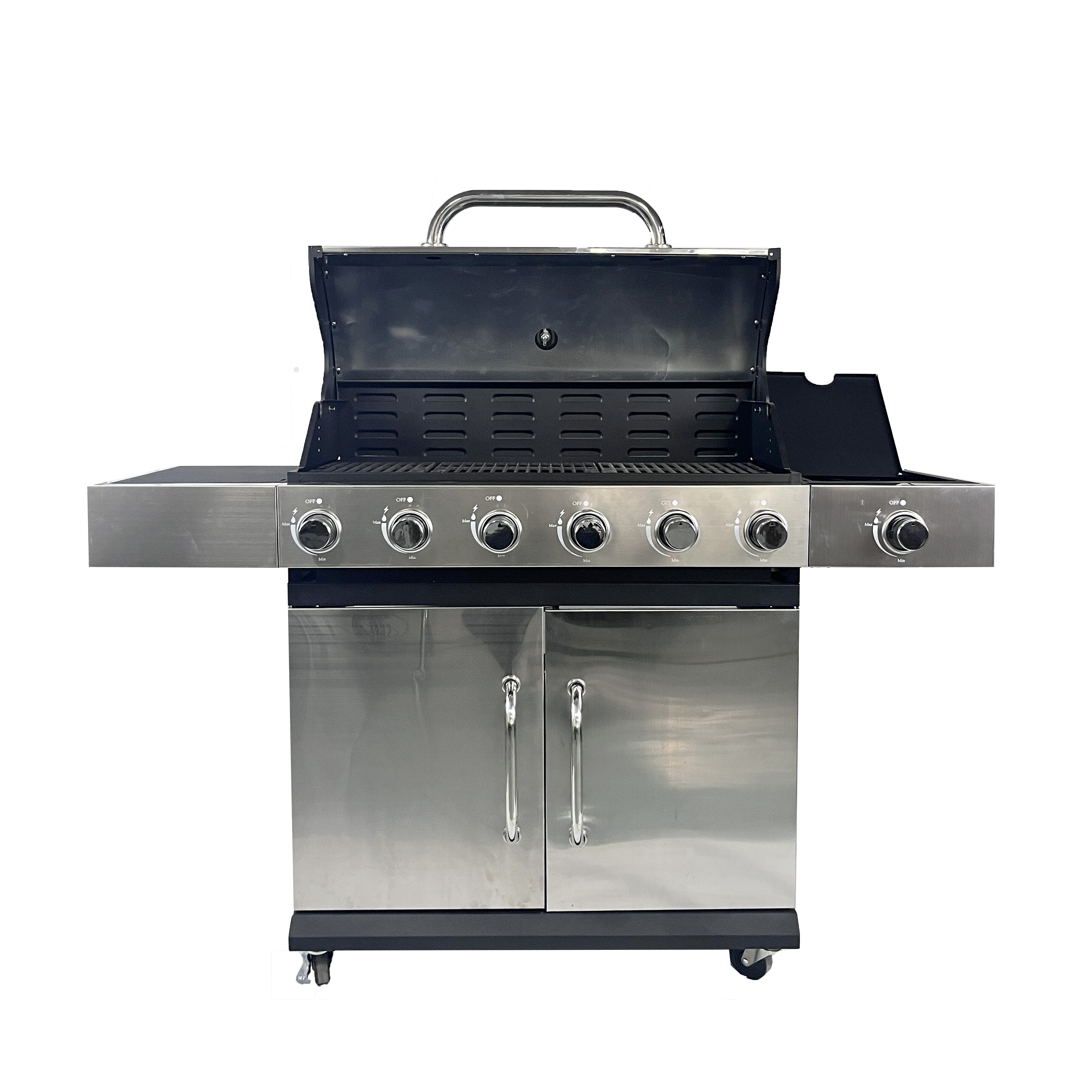
The barrel grill industry has experienced remarkable growth in recent years, driven by increasing demand for outdoor cooking equipment that combines functionality with exceptional performance. As manufacturers expand their reach into international markets, understanding and implementing proper quality standards becomes crucial for achieving certification and maintaining competitive advantage. This comprehensive examination explores the essential quality benchmarks that barrel grill manufacturers must meet to secure international certification and establish trust with global consumers.
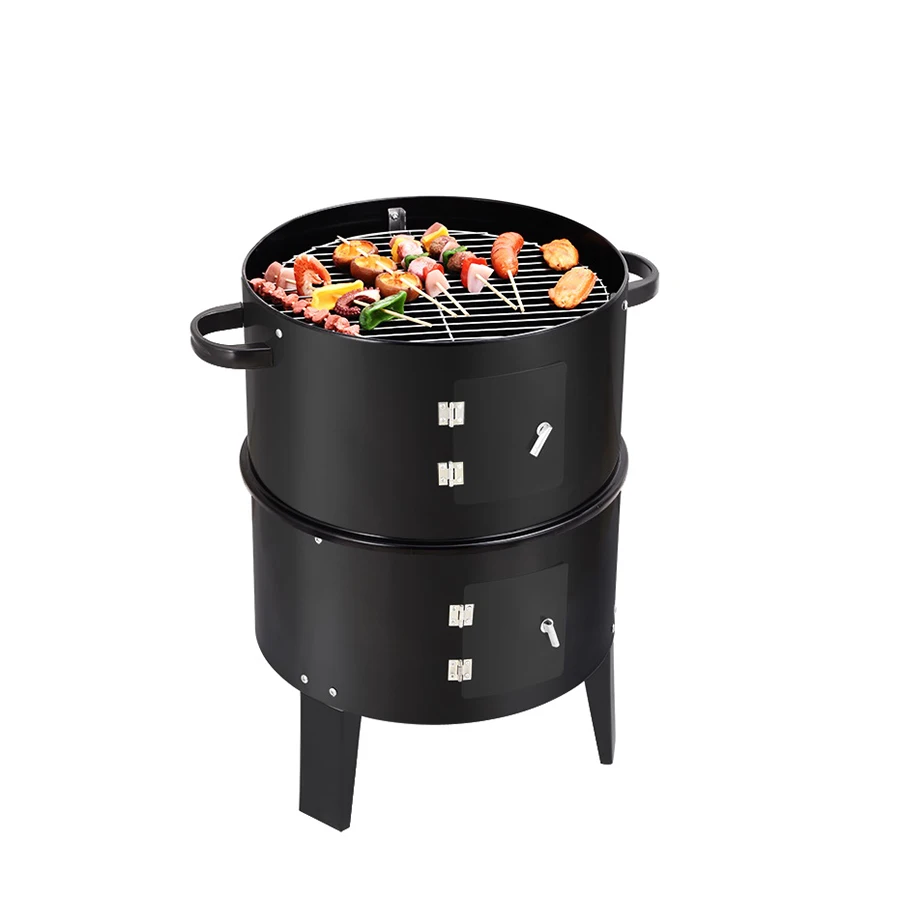
International certification requirements for barrel grill products encompass multiple dimensions of quality assessment, ranging from material composition and structural integrity to safety protocols and environmental compliance. These standards ensure that every barrel grill meets the rigorous expectations of diverse global markets while providing consumers with reliable, safe, and durable cooking solutions.
Material Quality and Construction Standards
Steel Grade Requirements
The foundation of any premium barrel grill begins with superior steel quality that meets international metallurgical standards. Certified manufacturers must utilize steel grades that demonstrate exceptional resistance to high-temperature exposure, corrosion, and structural deformation. The barrel grill construction typically requires steel with minimum thickness specifications ranging from 14-gauge to 16-gauge, depending on the intended application and design requirements.
Quality control processes must include comprehensive material testing procedures that verify steel composition, tensile strength, and thermal expansion characteristics. These evaluations ensure that the barrel grill maintains structural integrity throughout extended cooking sessions while withstanding environmental factors such as moisture, temperature fluctuations, and UV exposure.
Welding and Joint Integrity
Professional welding techniques play a critical role in barrel grill construction, requiring certified welders who understand the specific challenges associated with high-temperature cooking equipment. International standards mandate that all welded joints undergo rigorous inspection processes, including visual examination, penetrant testing, and stress analysis to identify potential weaknesses that could compromise performance or safety.
The welding specifications for barrel grill manufacturing must address heat-affected zones, joint penetration depth, and filler material compatibility. These technical requirements ensure that welded connections maintain their strength and reliability throughout the product lifecycle, preventing failures that could result in safety hazards or performance degradation.
Safety Certification Requirements
Temperature Control Systems
Modern barrel grill designs incorporate sophisticated temperature management systems that require compliance with international safety standards. These systems must demonstrate precise temperature regulation capabilities while maintaining safe operating parameters that protect users from excessive heat exposure and prevent accidental burns during operation.
Certification testing involves extensive thermal analysis procedures that evaluate heat distribution patterns, surface temperature limits, and thermal insulation effectiveness. The barrel grill must demonstrate consistent temperature control across various cooking zones while maintaining external surface temperatures within acceptable safety ranges.
Ventilation and Airflow Standards
Proper ventilation design represents a fundamental safety requirement for barrel grill certification, ensuring adequate oxygen supply for combustion while preventing dangerous gas accumulation. International standards specify minimum ventilation requirements based on cooking chamber volume, fuel type, and intended usage patterns.
The airflow management system must undergo comprehensive testing to verify proper draft characteristics, smoke evacuation efficiency, and carbon monoxide prevention measures. These evaluations confirm that the barrel grill operates safely under various environmental conditions while maintaining optimal cooking performance.
Performance Testing Protocols
Heat Distribution Analysis
Achieving uniform heat distribution throughout the cooking chamber represents a key performance metric for barrel grill certification. Testing protocols involve detailed temperature mapping procedures that identify hot spots, cold zones, and thermal gradients that could affect cooking consistency and food safety.
Professional testing facilities utilize advanced thermal imaging equipment and multi-point temperature monitoring systems to create comprehensive heat distribution profiles. These analyses ensure that the barrel grill delivers consistent cooking results across the entire cooking surface while maintaining temperature stability during extended cooking sessions.
Fuel Efficiency Evaluation
International certification standards require comprehensive fuel efficiency testing to determine optimal consumption rates and energy conversion effectiveness. These evaluations measure the barrel grill ability to maximize heat output while minimizing fuel consumption, providing consumers with cost-effective and environmentally responsible cooking solutions.
Testing procedures involve controlled burn tests using standardized fuel loads and measurement protocols that determine BTU output per unit of fuel consumed. The results establish baseline performance metrics that manufacturers can use to optimize design parameters and improve overall efficiency ratings.
Environmental Compliance Standards
Emissions Control Requirements
Modern environmental regulations impose strict emissions standards on outdoor cooking equipment, requiring barrel grill manufacturers to demonstrate compliance with air quality protection measures. These requirements address particulate matter emissions, volatile organic compounds, and other combustion byproducts that could impact environmental quality.
Certification testing involves comprehensive emissions analysis using specialized monitoring equipment that measures pollutant concentrations under various operating conditions. The barrel grill must demonstrate emissions levels below specified thresholds while maintaining optimal cooking performance and user satisfaction.
Sustainable Manufacturing Practices
International certification increasingly emphasizes sustainable manufacturing practices that minimize environmental impact throughout the production process. These requirements address material sourcing, energy consumption, waste reduction, and end-of-life recycling considerations that affect the overall environmental footprint of barrel grill manufacturing.
Manufacturers must implement comprehensive environmental management systems that track resource utilization, monitor waste streams, and optimize production efficiency. These practices demonstrate commitment to environmental stewardship while meeting growing consumer demand for environmentally responsible products.
Quality Assurance and Testing Methodologies
Durability Assessment Procedures
Long-term durability testing represents a critical component of barrel grill certification, involving accelerated aging procedures that simulate years of normal usage within compressed timeframes. These tests evaluate structural integrity, surface coating durability, and component reliability under extreme conditions that exceed typical usage parameters.
Testing protocols include thermal cycling procedures that subject the barrel grill to repeated heating and cooling cycles, moisture resistance testing, and mechanical stress evaluation. These comprehensive assessments ensure that certified products maintain performance standards throughout their expected service life while providing consumers with reliable long-term value.
Component Reliability Standards
Individual component reliability plays a crucial role in overall barrel grill performance and safety. Certification requirements specify minimum performance standards for critical components including hinges, latches, temperature gauges, and cooking grates that must withstand repeated use under challenging conditions.
Quality assurance procedures involve individual component testing, assembly verification, and integrated system performance evaluation. These multi-level testing approaches ensure that every barrel grill component meets or exceeds specified reliability standards while contributing to overall product performance and user satisfaction.
International Certification Bodies and Standards
Regulatory Framework Overview
Multiple international organizations establish and maintain certification standards for outdoor cooking equipment, including the International Organization for Standardization, Underwriters Laboratories, and various national standards agencies. These organizations develop comprehensive testing protocols and performance criteria that ensure barrel grill products meet global quality and safety expectations.
Understanding the specific requirements of different certification bodies enables manufacturers to design products that achieve broad international acceptance while minimizing compliance costs and time-to-market delays. The barrel grill industry benefits from harmonized standards that facilitate global trade while maintaining high quality and safety standards.
Certification Process Requirements
The certification process involves multiple stages including initial design review, prototype testing, production audits, and ongoing quality monitoring. Manufacturers must demonstrate consistent compliance with established standards while maintaining detailed documentation that supports certification claims and enables traceability throughout the supply chain.
Successful certification requires collaboration between manufacturers, testing laboratories, and certification bodies to ensure that barrel grill products meet all applicable requirements. This collaborative approach facilitates efficient certification processes while maintaining the integrity and credibility of international quality standards.
Market Impact and Consumer Benefits
Global Market Access
International certification opens doors to global markets by providing manufacturers with credible quality assurance that meets diverse regulatory requirements. Certified barrel grill products gain competitive advantages through enhanced market acceptance, reduced regulatory barriers, and increased consumer confidence in product quality and safety.
The certification process also enables manufacturers to command premium pricing for products that demonstrate superior quality and compliance with international standards. This market positioning creates sustainable competitive advantages while encouraging continued investment in quality improvement and innovation initiatives.
Consumer Protection and Satisfaction
Certified barrel grill products provide consumers with assurance that their investment meets rigorous quality and safety standards established by recognized international organizations. This protection reduces the risk of product failures, safety issues, and performance disappointments that could result from substandard manufacturing practices.
The certification process also establishes clear performance expectations and warranty provisions that protect consumer interests while encouraging manufacturers to maintain high quality standards throughout the product lifecycle. These consumer protections build brand loyalty and support long-term market success for certified barrel grill manufacturers.
FAQ
What are the primary international standards that apply to barrel grill certification
The primary international standards include ISO 9001 for quality management systems, various UL standards for safety compliance, ASTM specifications for material quality, and regional standards such as CE marking for European markets. Additionally, environmental standards such as EPA emissions requirements may apply depending on the target market and product specifications.
How long does the typical certification process take for barrel grill products
The certification timeline varies depending on product complexity and testing requirements, but typically ranges from 6 to 18 months for complete certification. This timeframe includes initial design review, prototype testing, documentation preparation, production audits, and final certification approval. Manufacturers can reduce this timeline by engaging with certification bodies early in the design process.
What are the ongoing requirements for maintaining international certification
Maintaining certification requires ongoing quality monitoring, periodic audits, and continuous compliance with established standards. Manufacturers must implement quality management systems, conduct regular internal testing, maintain detailed documentation, and report any design changes or quality issues to certification bodies. Annual surveillance audits are typically required to verify continued compliance.
How do certification costs impact barrel grill manufacturing economics
Certification costs typically represent a significant upfront investment but provide long-term economic benefits through market access, premium pricing opportunities, and reduced liability risks. The investment in certification often pays for itself through increased sales volumes and higher profit margins in international markets where certification is required or preferred by consumers.
Table of Contents
- Material Quality and Construction Standards
- Safety Certification Requirements
- Performance Testing Protocols
- Environmental Compliance Standards
- Quality Assurance and Testing Methodologies
- International Certification Bodies and Standards
- Market Impact and Consumer Benefits
-
FAQ
- What are the primary international standards that apply to barrel grill certification
- How long does the typical certification process take for barrel grill products
- What are the ongoing requirements for maintaining international certification
- How do certification costs impact barrel grill manufacturing economics