
 EN
EN



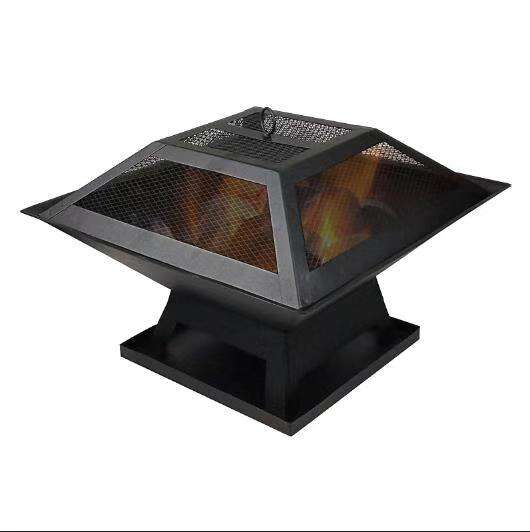
Sourcing barbecue grills from Chinese manufacturers has become increasingly popular among retailers and distributors worldwide due to competitive pricing and diverse product offerings. Understanding the complexities of international procurement while maintaining quality standards requires careful planning and strategic supplier evaluation. Chinese suppliers offer extensive manufacturing capabilities ranging from portable gas models to elaborate outdoor cooking systems, making them attractive partners for businesses seeking cost-effective solutions.
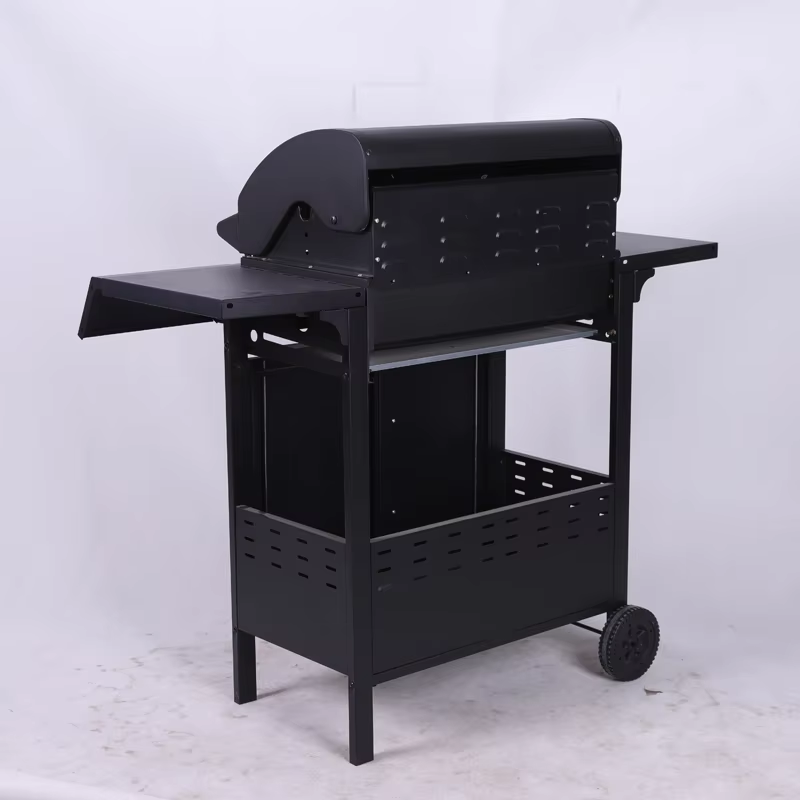
Understanding the Chinese Barbecue Grill Manufacturing Landscape
Regional Manufacturing Hubs
China's barbecue grill production is concentrated in specific regions known for their metalworking expertise and industrial infrastructure. Guangdong Province, particularly around Foshan and Zhongshan, hosts numerous manufacturers specializing in outdoor cooking equipment. These areas benefit from established supply chains for steel, aluminum, and specialized components like burners and control valves. Zhejiang Province also contributes significantly to the market with factories focusing on innovative designs and premium features.
The concentration of suppliers in these regions creates competitive advantages through shared resources and specialized knowledge. Component suppliers, finishing services, and logistics providers cluster around major manufacturing centers, reducing costs and improving efficiency. This ecosystem approach allows manufacturers to offer comprehensive solutions from basic models to sophisticated outdoor kitchen systems.
Production Capabilities and Specializations
Chinese manufacturers demonstrate remarkable versatility in producing various types of cooking equipment, from compact tabletop units to large commercial-grade systems. Many facilities specialize in specific categories such as gas-powered units, charcoal models, or hybrid systems combining multiple fuel sources. Advanced manufacturers invest in automated welding equipment, powder coating lines, and precision machining capabilities to ensure consistent quality across production runs.
The technical capabilities of leading Chinese suppliers often match or exceed international standards, with many facilities achieving ISO certifications and implementing quality management systems. Modern factories utilize computer-controlled cutting equipment, robotic welding cells, and sophisticated testing facilities to validate performance and safety specifications. This technological advancement enables them to compete effectively with established Western manufacturers while maintaining cost advantages.
Supplier Evaluation and Selection Criteria
Quality Assurance Standards
Evaluating potential suppliers requires comprehensive assessment of their quality control processes and certification status. Reputable manufacturers maintain detailed documentation of their quality management systems, including material specifications, testing protocols, and inspection procedures. Look for suppliers with relevant certifications such as CE marking for European markets, UL listings for North American sales, or CSA approvals depending on target markets.
Physical facility audits provide valuable insights into manufacturing capabilities and quality commitment. Well-managed operations feature organized production floors, proper material handling systems, and dedicated quality control areas. Suppliers should demonstrate consistent adherence to specifications through statistical process control and documented inspection records throughout production cycles.
Communication and Service Capabilities
Effective communication forms the foundation of successful supplier relationships, particularly when dealing with complex technical requirements and customization needs. Evaluate suppliers based on their English proficiency, responsiveness to inquiries, and ability to provide detailed technical documentation. Professional suppliers typically maintain dedicated export departments with experienced staff capable of handling international business requirements.
Service capabilities extend beyond initial product delivery to include ongoing support, spare parts availability, and technical assistance. Reliable suppliers offer comprehensive after-sales support including installation guidance, maintenance recommendations, and warranty claim processing. This service orientation becomes crucial when establishing long-term partnerships and building customer satisfaction in target markets.
Product Development and Customization Options
Design Flexibility and Innovation
Chinese manufacturers excel at adapting existing designs to meet specific market requirements and customer preferences. Many suppliers offer extensive customization options including size variations, color schemes, control configurations, and accessory packages. This flexibility enables importers to differentiate their offerings and respond to regional cooking traditions or consumer preferences without requiring massive minimum orders.
Innovation capabilities vary significantly among suppliers, with leading manufacturers investing in research and development to create proprietary features and improved functionality. Progressive suppliers collaborate with international design firms and maintain dedicated engineering teams focused on product enhancement. These partnerships often result in barbecue grills that combine traditional Chinese manufacturing efficiency with contemporary design aesthetics and advanced performance features.
Material Selection and Component Integration
Material quality significantly impacts product performance, durability, and customer satisfaction in outdoor cooking applications. Experienced suppliers source premium stainless steel, cast iron grates, and specialized coatings designed to withstand high temperatures and outdoor environmental conditions. Understanding material specifications becomes essential for ensuring products meet target market expectations and regulatory requirements.
Component integration involves careful selection of burners, ignition systems, temperature controls, and safety features from qualified sub-suppliers. Leading manufacturers maintain approved vendor lists and conduct regular audits of component suppliers to ensure consistent quality and reliability. This systematic approach to supply chain management translates into more dependable finished products and reduced warranty issues.
Pricing Strategies and Cost Management
Understanding Cost Structures
Chinese suppliers typically base pricing on material costs, labor requirements, tooling expenses, and desired profit margins. Understanding these cost drivers enables more effective negotiation and helps identify opportunities for cost optimization without compromising quality. Material costs fluctuate based on global commodity prices, particularly for steel and aluminum, requiring flexible pricing arrangements for long-term contracts.
Labor costs in China continue evolving as wages increase and manufacturers invest in automation technologies. Progressive suppliers offset rising labor costs through improved efficiency, reduced waste, and enhanced productivity. These investments often benefit customers through more consistent quality and shorter lead times, justifying premium pricing for superior manufacturing capabilities.
Volume Pricing and Order Optimization
Minimum order quantities vary significantly among suppliers depending on their production capabilities and business models. Smaller manufacturers may accept modest initial orders to establish relationships, while large-scale producers typically require substantial volumes to justify production setup costs. Understanding these requirements helps optimize order sizing and payment terms for mutual benefit.
Volume pricing structures usually incorporate significant discounts for larger quantities, reflecting reduced per-unit overhead and setup costs. Negotiating annual volume commitments can secure more favorable pricing while providing suppliers with production planning visibility. These arrangements often include flexibility for seasonal adjustments and new product introduction timing.
Quality Control and Testing Procedures
Pre-Production Verification
Comprehensive quality control begins with pre-production samples and material verification to ensure specifications match requirements before full-scale manufacturing begins. Reputable suppliers provide detailed material certifications, dimensional inspection reports, and functional testing documentation for sample units. This verification process identifies potential issues early and establishes quality expectations for production runs.
Sample approval processes should include thorough evaluation of fit, finish, performance characteristics, and packaging quality. Testing procedures may involve heat distribution analysis, ignition system reliability, structural integrity verification, and safety feature validation. Documenting these requirements clearly prevents misunderstandings and provides reference standards for ongoing production monitoring.
Production Monitoring and Inspection
During production monitoring involves regular inspection of manufacturing processes, material handling procedures, and quality control checkpoints throughout fabrication cycles. Many importers employ third-party inspection services to provide independent verification of quality standards and production progress. These services offer objective assessment and detailed reporting to support decision-making throughout the manufacturing process.
Final inspection procedures should encompass complete functional testing, packaging verification, and documentation review before shipment authorization. Comprehensive inspection checklists ensure consistent evaluation standards and provide clear criteria for acceptance or rejection decisions. Professional suppliers welcome thorough inspection processes as opportunities to demonstrate their quality commitment and build customer confidence.
Logistics and Shipping Considerations
Transportation Methods and Timing
Shipping methods for outdoor cooking equipment depend on order size, delivery timeline requirements, and cost considerations. Sea freight remains the most economical option for substantial orders, typically requiring 20-40 days depending on destination ports and customs processing times. Air freight provides faster delivery but significantly increases transportation costs, making it suitable primarily for urgent orders or high-value products.
Container optimization becomes crucial for managing shipping costs effectively, particularly given the bulky nature of assembled units. Many suppliers offer knock-down packaging options that maximize container utilization while maintaining product protection during transit. Understanding dimensional constraints and weight limitations helps optimize packaging configurations and reduce per-unit shipping expenses.
Documentation and Customs Requirements
International shipping requires comprehensive documentation including commercial invoices, packing lists, bills of lading, and certificates of origin. Many destination countries impose specific requirements for outdoor cooking equipment including safety certifications, labeling compliance, and import permit documentation. Experienced suppliers assist with documentation preparation and maintain familiarity with various international requirements.
Customs classification and duty rates vary significantly among countries and product categories, impacting landed costs and competitive positioning. Working with qualified customs brokers and freight forwarders helps ensure proper classification and documentation while minimizing delays and additional charges. These partnerships become particularly valuable when dealing with changing regulations or special certification requirements.
Building Long-Term Supplier Relationships
Partnership Development Strategies
Successful supplier relationships extend beyond transactional interactions to encompass strategic partnerships focused on mutual growth and continuous improvement. Regular communication, transparent feedback, and collaborative problem-solving create foundations for long-term success. Many successful importers invest time in understanding their suppliers' capabilities, constraints, and growth objectives to identify opportunities for enhanced collaboration.
Joint product development initiatives often yield innovative solutions and competitive advantages while strengthening supplier relationships. These collaborations may involve shared investment in tooling, exclusive design agreements, or coordinated marketing efforts. Such partnerships create mutual dependencies that encourage ongoing commitment to quality and service excellence from both parties.
Performance Monitoring and Improvement
Systematic performance monitoring involves tracking key metrics including quality levels, delivery performance, communication effectiveness, and cost competitiveness. Regular supplier scorecards provide objective feedback and identify areas for improvement while recognizing superior performance. This data-driven approach supports informed decision-making regarding supplier selection and resource allocation.
Continuous improvement initiatives benefit both parties through reduced costs, enhanced quality, and improved efficiency. Many suppliers welcome customer input regarding process optimization, material selection, and design enhancement opportunities. These collaborative efforts often result in proprietary improvements that strengthen competitive positioning while building stronger business relationships.
FAQ
What are the typical minimum order quantities when sourcing from Chinese suppliers?
Minimum order quantities vary considerably depending on the supplier's size and production model, typically ranging from 50-100 units for smaller manufacturers to 500-1000 units for large-scale producers. Many suppliers offer flexibility for initial orders to establish relationships, with expectations of larger volumes for subsequent orders. Custom products or specialized features may require higher minimums due to tooling and setup costs.
How long does it typically take to receive products after placing an order?
Production and delivery timelines depend on product complexity, order size, and current factory capacity. Standard products usually require 15-30 days for production, plus 20-40 days for sea freight to most destinations. Custom products or peak season orders may extend production times to 45-60 days. Air freight can reduce shipping time to 3-7 days but significantly increases costs.
What certifications should I look for when selecting a supplier?
Essential certifications include ISO 9001 quality management systems, relevant safety approvals for your target markets such as CE, UL, or CSA markings, and factory audit certifications from recognized organizations. Additionally, look for environmental compliance certifications and social responsibility audits if these factors are important to your brand positioning and customer expectations.
How can I protect myself from quality issues and supplier problems?
Implement comprehensive quality control procedures including pre-production samples, in-process inspections, and final inspection before shipment. Consider using third-party inspection services for objective quality verification. Establish clear specifications, maintain open communication channels, and develop backup supplier relationships to mitigate risks. Purchase appropriate insurance coverage and consider letters of credit for payment protection.
Table of Contents
- Understanding the Chinese Barbecue Grill Manufacturing Landscape
- Supplier Evaluation and Selection Criteria
- Product Development and Customization Options
- Pricing Strategies and Cost Management
- Quality Control and Testing Procedures
- Logistics and Shipping Considerations
- Building Long-Term Supplier Relationships
- FAQ