
 EN
EN



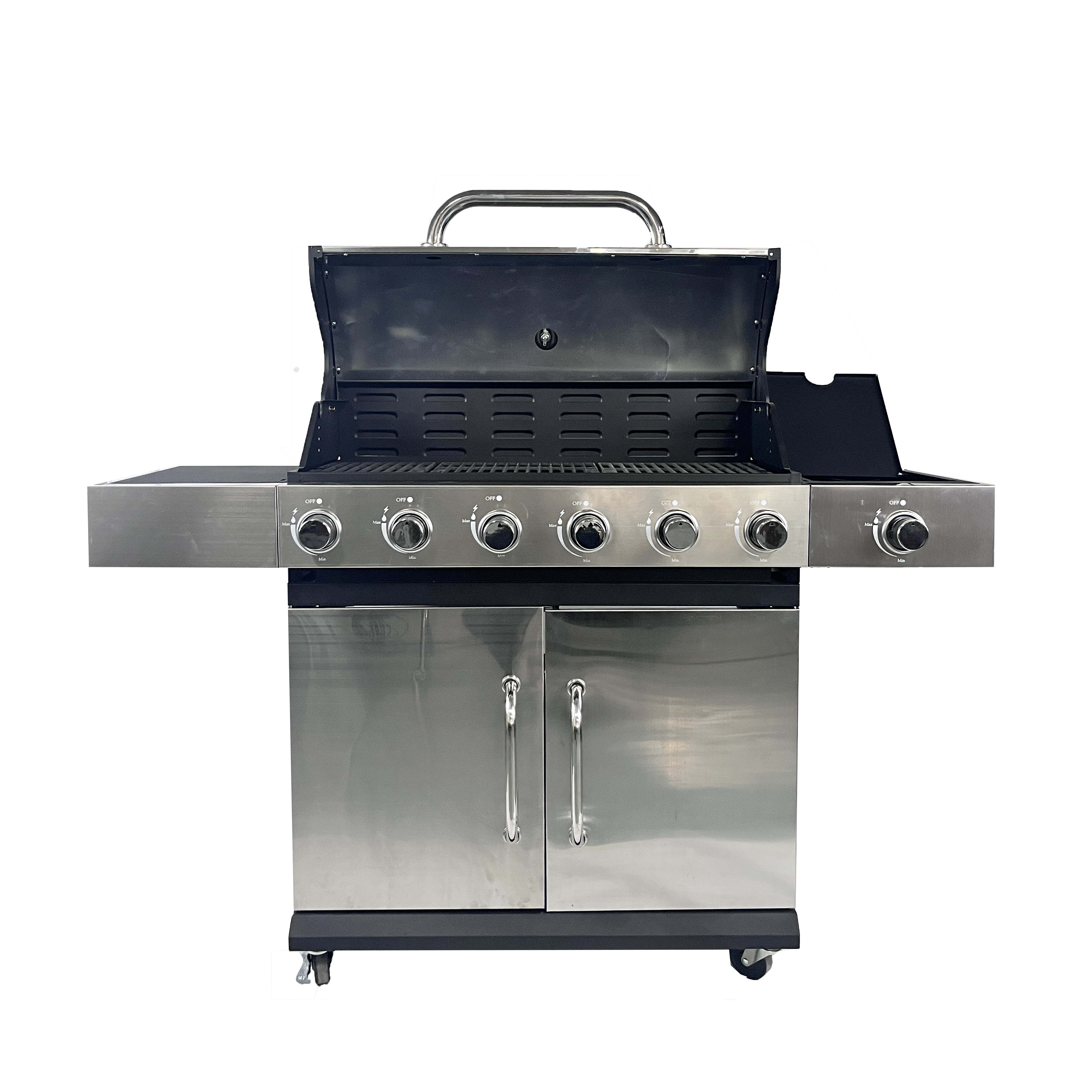
Outdoor fire bowls have become a staple feature in residential gardens, commercial patios, and hospitality venues. As their popularity grows, so does the importance of understanding the durability and safety standards that govern their design, construction, and use. Choosing outdoor fire bowls without verifying these standards can lead to structural failures, fire hazards, and costly replacements. This article explores what buyers and specifiers need to know before investing in outdoor fire bowls for any setting.

The market for outdoor fire bowls spans a wide range of materials, sizes, and fuel types, from wood-burning cast iron models to gas-fed stainless steel designs. Each configuration carries its own set of structural requirements and safety considerations. Understanding these factors ensures that outdoor fire bowls deliver both performance and long-term reliability, whether installed in a private backyard or a high-traffic public space.
Material Standards and Structural Durability
Why Material Choice Defines Longevity
The foundation of durable outdoor fire bowls lies in material selection. Cast iron is one of the most traditional and heat-resistant materials used in outdoor fire bowls, capable of withstanding repeated thermal cycling without cracking or warping. Corten steel is another popular option, prized for its natural rust patina that actually forms a protective outer layer, making it highly suitable for outdoor fire bowls exposed to rain and humidity.
Stainless steel outdoor fire bowls offer a sleeker aesthetic and excellent corrosion resistance, especially in coastal environments where salt air accelerates oxidation. High-grade stainless alloys rated for outdoor exposure ensure that outdoor fire bowls maintain structural integrity over years of use. Buyers should always verify material certifications and alloy grades when evaluating outdoor fire bowls for long-term deployment.
Thickness, Welds, and Load Tolerance
Beyond material type, the thickness of the bowl wall is a critical durability indicator for outdoor fire bowls. Thicker walls distribute heat more evenly and resist thermal stress fractures that can develop after repeated high-temperature burns. Industry guidance on outdoor fire bowls typically recommends a minimum wall thickness that varies by material — cast iron models generally require less thickness than steel variants to achieve equivalent heat tolerance.
Weld quality is equally important for outdoor fire bowls constructed from fabricated metal sheets. Poor welds create weak points where heat stress and moisture penetration can cause structural failure. Any premium set of outdoor fire bowls should feature continuous, smooth welds at all joints, free from porosity or incomplete fusion. Load tolerance testing ensures that outdoor fire bowls can support the weight of fuel loads and withstand physical impacts without deformation.
Safety Standards and Compliance for Outdoor Use
Regulatory Frameworks Governing Outdoor Fire Bowls
Safety compliance is non-negotiable when specifying outdoor fire bowls for commercial or public use. In many markets, outdoor fire bowls must meet regional fire safety codes that govern minimum clearance distances from structures, permissible fuel types, and ventilation requirements. These regulations exist to prevent accidental fire spread and protect users from burns or carbon monoxide exposure during use of outdoor fire bowls.
For gas-burning outdoor fire bowls, compliance with standards such as those governing gas appliance construction and installation is essential. These standards address burner design, gas line connections, ignition systems, and emergency shutoff mechanisms. Outdoor fire bowls designed for commercial hospitality settings often require additional certification to satisfy local building authority requirements before installation is permitted.
Heat Management and User Protection Features
Properly designed outdoor fire bowls incorporate several safety features that reduce burn risk during normal operation. A stable base or leg system is essential, as outdoor fire bowls positioned on uneven surfaces can tip and scatter burning embers. The base design of quality outdoor fire bowls should pass stability testing under lateral force to confirm they will not topple in windy conditions or from accidental contact.
Spark arrestors and mesh guards are common safety additions for wood-burning outdoor fire bowls, helping to contain embers and prevent them from landing on surrounding surfaces or people. Ventilation holes in the bowl body of outdoor fire bowls must be sized to allow adequate airflow for combustion while preventing excessive flame height or erratic burn behavior. These heat management features are what separate well-engineered outdoor fire bowls from basic, unregulated alternatives.
Maintenance Practices That Preserve Durability
Seasonal Care for Outdoor Fire Bowls
Even the most robust outdoor fire bowls require consistent maintenance to preserve their structural integrity and appearance over time. After each use, ash and residue should be cleared from outdoor fire bowls once they have fully cooled, as accumulated ash retains moisture that accelerates corrosion in metal bowls. Applying a heat-resistant protective coating periodically is a practical step for extending the service life of steel outdoor fire bowls in wet climates.
During off-season storage, covering outdoor fire bowls with weather-resistant covers prevents prolonged exposure to rain, snow, and UV radiation. For outdoor fire bowls used year-round, inspecting leg joints, welds, and bowl surfaces at the start of each season helps identify early signs of wear before they become safety concerns. Proactive maintenance significantly extends how long outdoor fire bowls remain both safe and visually appealing.
Checking Compliance After Extended Use
Safety standards for outdoor fire bowls are not only relevant at the point of purchase — they remain relevant throughout the product lifecycle. After extended use, the original structural tolerances of outdoor fire bowls can degrade, especially if the bowls have been exposed to extreme temperature variations or physical impacts. Periodic inspection against the original safety specification ensures that outdoor fire bowls continue to meet the standards under which they were first installed.
Operators of commercial outdoor fire bowls should maintain documented inspection records and replace components that no longer meet safety thresholds. This is particularly important for gas-burning outdoor fire bowls, where aging burner components or deteriorating seals can create hazardous conditions. Ongoing compliance is what transforms outdoor fire bowls from a one-time purchase into a sustainably safe long-term installation.
FAQ
What materials are most durable for outdoor fire bowls?
Cast iron, Corten steel, and high-grade stainless steel are the most durable materials for outdoor fire bowls. Each offers strong heat resistance and weather tolerance, with the best choice depending on your climate, aesthetic preference, and maintenance capacity. Cast iron outdoor fire bowls are especially valued for even heat distribution and long service life.
Do outdoor fire bowls need to meet safety certifications?
Yes, especially in commercial settings. Outdoor fire bowls used in public spaces or hospitality venues typically must comply with local fire safety codes and, for gas models, appliance safety standards. Always verify that outdoor fire bowls carry appropriate certifications for your region before installation to avoid liability and ensure user safety.
How often should outdoor fire bowls be inspected for safety?
Outdoor fire bowls should be inspected at least once per season, or more frequently if used heavily. Key areas to check include welds, leg stability, bowl wall integrity, and any gas components for gas-burning outdoor fire bowls. Regular inspection ensures that outdoor fire bowls continue to operate safely and remain structurally sound throughout their service life.