
 EN
EN



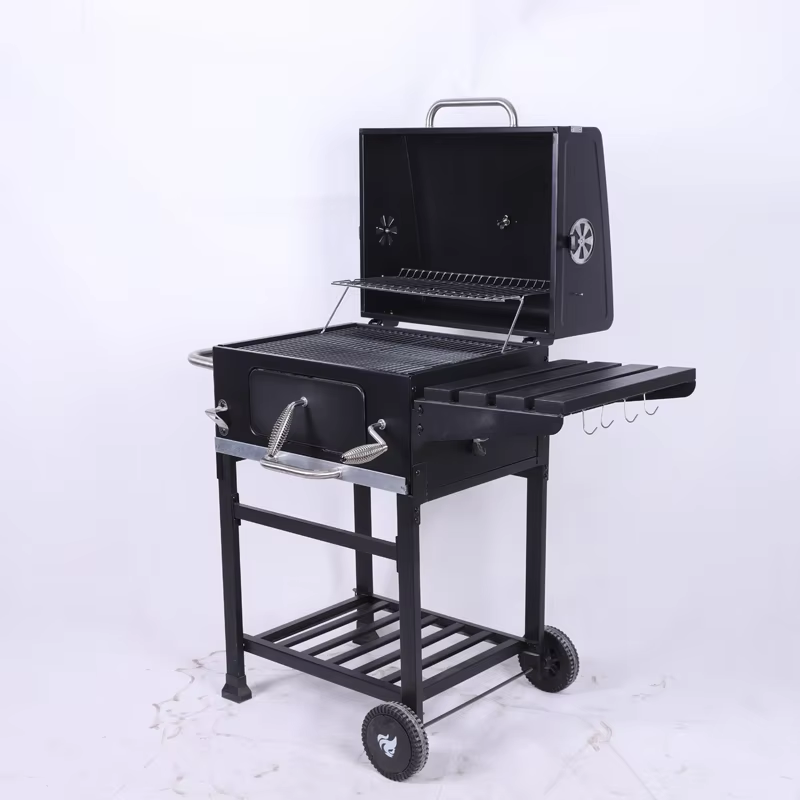
The market for barbecue grills is evolving faster than ever before. Retail brands that stock and source barbecue grills must now pay close attention to design shifts that directly influence purchasing decisions. From dual-fuel technology to space-efficient formats, barbecue grills are no longer simple outdoor cooking tools — they have become lifestyle statements, and their design reflects that shift. Understanding these trends helps retail brands position their barbecue grills range with greater precision and commercial confidence.
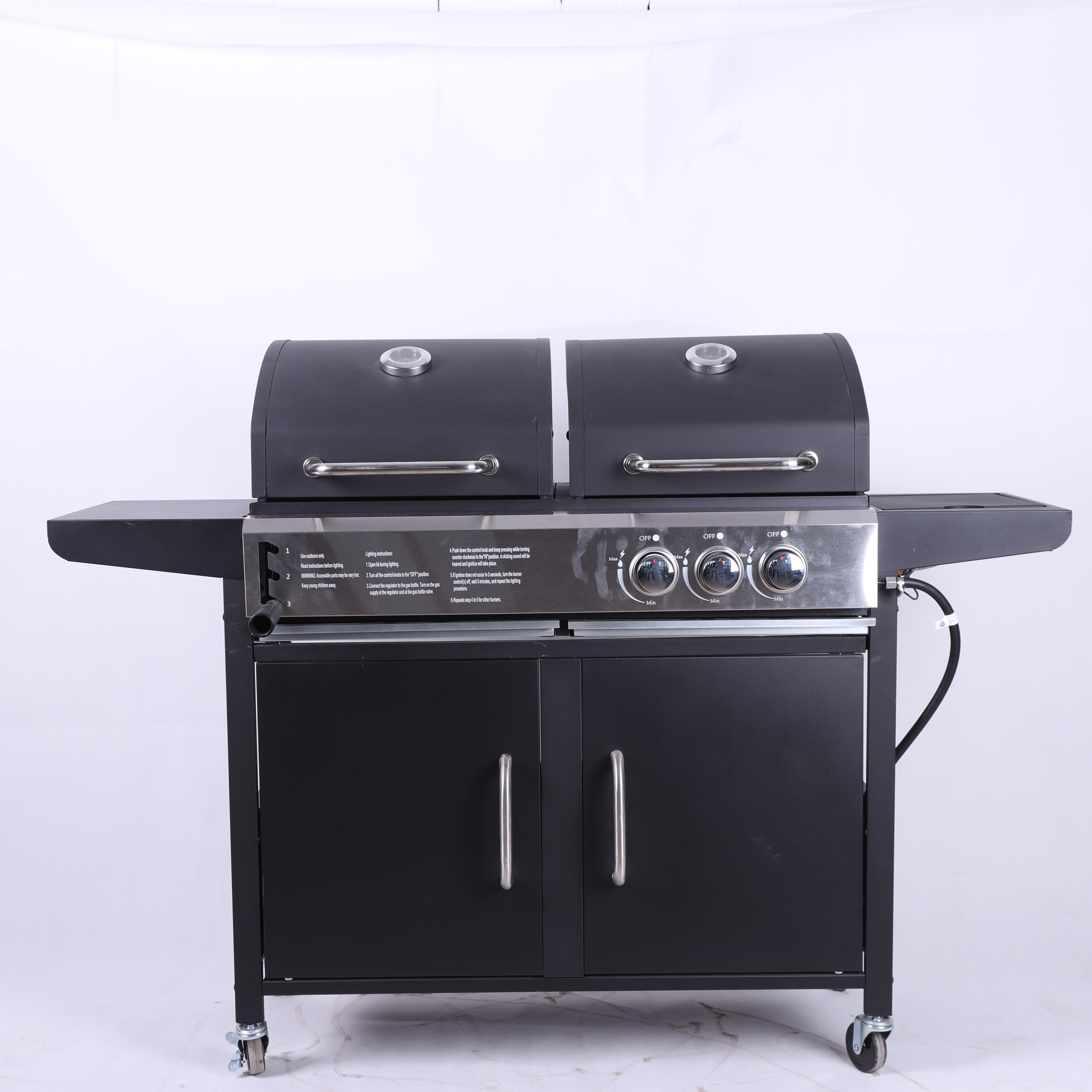
Today's buyers expect barbecue grills to perform across multiple cooking styles, look premium on a patio, and offer real versatility. Retail brands competing in this category must understand what drives consumers to choose one set of barbecue grills over another. The answer lies largely in design. This article explores the key design directions shaping modern barbecue grills and what they mean for retail buyers, product managers, and sourcing teams.
Functionality-Driven Design in Modern Barbecue Grills
Dual-Chamber and Multi-Fuel Architecture
One of the most significant functional design trends in contemporary barbecue grills is the move toward dual-chamber and multi-fuel configurations. Traditional barbecue grills were built around a single cooking method — either gas or charcoal. Modern barbecue grills, however, increasingly combine both in a single unit. This design allows users to smoke low and slow in one chamber while searing over high heat in another. For retail brands, stocking barbecue grills with this kind of architecture signals genuine product innovation and appeals to buyers who take outdoor cooking seriously. The barbecue grills that feature this dual-chamber design are among the fastest-growing segments in the category, and retail brands that carry them benefit from a clear differentiation story.
Dual-fuel barbecue grills also address a practical consumer frustration: the compromise between convenience and flavor. Gas barbecue grills offer fast ignition and temperature control, while charcoal barbecue grills deliver the smoky taste many outdoor cooks prefer. Combining both into one set of barbecue grills eliminates that trade-off. Retail buyers should look for barbecue grills where both chambers are independently operable and maintain consistent heat distribution.
Integrated Temperature and Airflow Control
Precision is a growing expectation in the barbecue grills market. Modern barbecue grills now incorporate built-in thermometers, adjustable dampers, and even digital temperature monitoring in higher-end models. These design features make barbecue grills more accessible for casual users while satisfying the demands of experienced grillers. Retail brands that feature barbecue grills with visible, easy-to-use temperature controls benefit from stronger in-store appeal and higher perceived value. When shoppers interact with barbecue grills in a retail environment, clear functional design communicates quality instantly.
Aesthetic and Material Trends in Barbecue Grills
Premium Material Choices and Finish Quality
The visual identity of barbecue grills has undergone a significant upgrade in recent years. Buyers increasingly expect barbecue grills to complement outdoor living spaces, not just function in them. This means the material quality and finish of barbecue grills now play a major role in purchase decisions. Powder-coated steel, stainless steel accents, and cast-iron components have become standard markers of quality in well-positioned barbecue grills. Retail brands that source barbecue grills with consistent, durable finishes see lower return rates and stronger customer satisfaction scores.
Color choices for barbecue grills have also shifted. While classic black remains dominant across most barbecue grills sold at retail, matte finishes and metallic tones are gaining ground in the mid-to-premium segment. Retail brands curating a lifestyle-focused product line should consider how the exterior styling of their barbecue grills range aligns with current outdoor living aesthetics. Barbecue grills that look as good as they perform tend to generate stronger word-of-mouth and repeat engagement.
Compact and Space-Efficient Formats
Urban living has reshaped what consumers expect from barbecue grills in terms of physical footprint. Smaller patios, balconies, and shared outdoor areas have created strong demand for barbecue grills that pack full functionality into a compact frame. These space-efficient barbecue grills are not stripped-down versions of larger units — they are thoughtfully redesigned barbecue grills that retain cooking versatility while reducing the overall size. For retail brands, this means that product range planning for barbecue grills should include at least one compact format to capture urban and apartment-dwelling buyers.
Consumer Expectations Shaping Barbecue Grills Design
Ease of Assembly and Maintenance
Retail brands sourcing barbecue grills must recognize that ease of assembly is now a core design criterion, not an afterthought. Consumers purchasing barbecue grills online or in-store expect setup to be straightforward and tool requirements to be minimal. Barbecue grills with poor assembly documentation or overly complex construction generate disproportionate negative reviews that damage brand perception. Smart design in modern barbecue grills includes modular components, clear labeling, and intuitive part connections. When retail brands evaluate barbecue grills from suppliers, assembly quality should be assessed alongside cooking performance.
Cleaning and maintenance design is equally important. Barbecue grills with removable grease trays, ash collection systems, and dishwasher-safe components make post-cook cleanup simple. Retail brands that highlight these maintenance-friendly features in their barbecue grills marketing see stronger conversion rates. Buyers who can visualize the full ownership experience of barbecue grills — not just the cooking moment — make faster and more confident purchase decisions.
Safety Features and Structural Stability
Modern barbecue grills are increasingly designed with safety as a visible feature, not a hidden specification. Locking lid hinges, heat-resistant handles, stable leg structures, and gas safety valves are design elements that retail buyers should verify in any barbecue grills product they carry. Consumers shopping for barbecue grills for family use specifically look for these features, and retail brands that proactively communicate safety design earn trust more effectively. Structurally stable barbecue grills also reduce liability concerns for retailers.
FAQ
What design features matter most to buyers of barbecue grills?
Buyers of barbecue grills prioritize multi-fuel versatility, durable materials, ease of assembly, and safety features. Retail brands should ensure their barbecue grills range addresses each of these expectations to meet broad consumer demand.
Why should retail brands invest in dual-chamber barbecue grills?
Dual-chamber barbecue grills offer consumers the flexibility to cook with both gas and charcoal simultaneously. This design positions barbecue grills as premium, versatile products that justify a higher retail price point and attract serious outdoor cooking enthusiasts.
How do design trends in barbecue grills affect sourcing decisions?
Design trends in barbecue grills directly influence which products perform well on retail shelves. Sourcing teams should evaluate barbecue grills not only on price but on how well their design aligns with current consumer expectations around aesthetics, functionality, and ease of use.