
 EN
EN



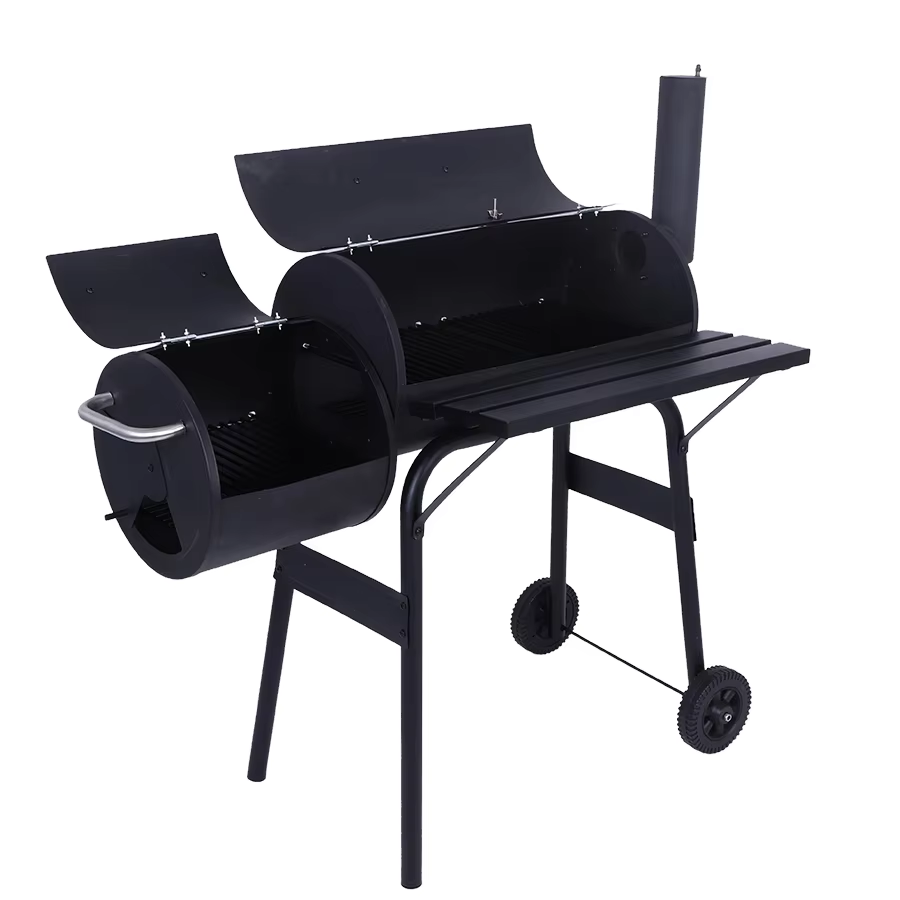
The modern outdoor cooking market demands versatility, and distributors are increasingly recognizing the commercial potential of dual-fuel cooking solutions. A gas and charcoal BBQ grill represents the ultimate flexibility for consumers who refuse to compromise between convenience and authentic flavor, creating significant opportunities for distributors seeking to differentiate their product portfolios. This hybrid approach addresses the fundamental divide in outdoor cooking preferences while maximizing market appeal across diverse consumer segments.

For distributors operating in competitive outdoor cooking markets, understanding the strategic advantages of dual-fuel grilling solutions becomes essential for capturing market share. The gas and charcoal BBQ grill category addresses multiple consumer pain points simultaneously, offering the quick ignition and temperature control of gas cooking alongside the distinctive smoky flavors that only charcoal can deliver. This combination creates a compelling value proposition that appeals to both convenience-focused consumers and traditional grilling enthusiasts, significantly expanding the potential customer base for distribution partners.
Market Positioning Advantages for Distributors
Consumer Preference Consolidation
The dual-fuel gas and charcoal BBQ grill eliminates the need for consumers to choose between cooking methods, effectively consolidating two separate market segments into a single purchase decision. Distributors benefit from this consolidation by addressing the preferences of gas grill enthusiasts who appreciate quick startup times and precise temperature control, while simultaneously appealing to charcoal purists who prioritize authentic smoky flavors. This broader appeal translates directly into expanded market reach without requiring distributors to maintain separate inventory lines for each cooking method.
Market research consistently demonstrates that outdoor cooking enthusiasts often express interest in both gas and charcoal methods, but space and budget constraints typically force them to choose one option. The gas and charcoal BBQ grill removes this constraint, positioning distributors to capture sales that might otherwise be lost to competitors offering single-fuel solutions. This positioning advantage becomes particularly valuable in suburban markets where outdoor space is limited but cooking expectations remain high.
Seasonal Sales Optimization
Distributors can leverage the dual-fuel capabilities of gas and charcoal BBQ grill units to optimize sales performance across different seasons and weather conditions. Gas functionality provides consistent performance during unpredictable weather conditions, while charcoal capabilities satisfy the demand for traditional outdoor cooking experiences during peak grilling seasons. This flexibility helps distributors maintain steady sales velocity throughout the year, reducing the seasonal fluctuations that typically affect single-fuel grilling products.
The weather-independent nature of dual-fuel systems also creates opportunities for distributors to position these products as year-round cooking solutions rather than seasonal recreational equipment. This positioning enables higher price points and improved profit margins while reducing inventory management challenges associated with seasonal demand cycles.
Technical Features That Drive Distribution Value
Conversion Mechanism Efficiency
Modern gas and charcoal BBQ grill designs incorporate sophisticated conversion mechanisms that allow users to switch between fuel types without complex setup procedures or tool requirements. For distributors, this ease of conversion translates into reduced customer support requirements and fewer returns related to operational complexity. The streamlined conversion process also supports demonstration effectiveness, enabling sales teams to quickly showcase both cooking methods during customer interactions.
The technical sophistication of contemporary conversion systems also addresses durability concerns that historically affected dual-fuel products. Enhanced sealing systems prevent gas leakage during charcoal mode, while improved ventilation controls ensure optimal airflow for both cooking methods. These technical improvements reduce warranty claims and support long-term customer satisfaction, protecting distributor reputation and profit margins.
Space-Efficient Design Integration
The compact integration of gas and charcoal functionality within a single gas and charcoal BBQ grill unit addresses the space constraints that affect many potential customers, particularly in urban and suburban markets. Distributors can position these products as premium space-saving solutions that eliminate the need for multiple cooking appliances while delivering superior functionality. This positioning supports higher price points and improved profit margins compared to single-fuel alternatives.
The integrated design also simplifies shipping and storage logistics for distributors, reducing handling costs and warehouse space requirements compared to maintaining separate inventory lines for gas and charcoal products. This operational efficiency directly impacts distributor profitability while enabling more competitive pricing strategies.
Customer Segmentation Opportunities
Experienced Grill Enthusiasts
Distributors can target experienced outdoor cooking enthusiasts who understand the distinct advantages of both gas and charcoal cooking methods and desire access to both options within a single system. This segment typically demonstrates higher price tolerance and greater appreciation for technical features, making them ideal customers for premium gas and charcoal BBQ grill products. These customers often influence broader community purchasing decisions through recommendations and social proof.
The technical sophistication required to appreciate dual-fuel capabilities also correlates with higher engagement in outdoor cooking communities and social media platforms, creating organic marketing opportunities for distributors who successfully serve this segment. These customers frequently document their cooking experiences and share product recommendations, generating valuable word-of-mouth promotion.
First-Time Grill Buyers
New entrants to the outdoor cooking market represent another valuable segment for gas and charcoal BBQ grill distributors, particularly those customers who lack experience with different cooking methods and want to avoid making the wrong initial choice. The dual-fuel option eliminates decision paralysis by providing access to both major cooking methods, making it an attractive entry point for hesitant buyers.
First-time buyers also benefit from the learning opportunities provided by dual-fuel systems, allowing them to develop cooking skills with both methods before developing strong preferences. This educational aspect creates customer loyalty and positions distributors as helpful partners rather than mere equipment suppliers, supporting long-term relationship development.
Competitive Differentiation Strategies
Value Proposition Clarity
Distributors can differentiate their gas and charcoal BBQ grill offerings by emphasizing the total cost of ownership advantages compared to purchasing separate gas and charcoal units. This value proposition becomes particularly compelling when distributors can demonstrate space savings, reduced maintenance complexity, and elimination of duplicate accessories. The combined functionality justifies premium pricing while delivering genuine customer value.
Clear communication of dual-fuel benefits also helps distributors compete against single-fuel products by highlighting the limitations that customers accept when choosing conventional options. This positioning strategy transforms potential price objections into value recognition, supporting higher profit margins and customer satisfaction.
Service and Support Integration
The complexity of dual-fuel systems creates opportunities for distributors to develop comprehensive service and support programs that generate additional revenue while strengthening customer relationships. Specialized maintenance programs, cooking classes, and technical support services can be positioned as premium offerings that justify higher initial prices while creating recurring revenue streams.
Distributors can also leverage the technical aspects of gas and charcoal BBQ grill products to develop expertise that competitors struggle to match, creating sustainable competitive advantages in local markets. This expertise positioning supports premium pricing and customer loyalty while reducing price-based competition.
Implementation Considerations for Distributors
Inventory Management Optimization
Successful distribution of gas and charcoal BBQ grill products requires careful inventory management that accounts for the seasonal variations in customer preferences and the complexity of dual-fuel systems. Distributors must balance inventory levels to ensure adequate supply during peak demand periods while avoiding excessive carrying costs during slower seasons. The higher unit value of dual-fuel products also requires more sophisticated cash flow management compared to single-fuel alternatives.
The technical complexity of dual-fuel systems also necessitates investment in staff training and technical support capabilities, which distributors must factor into their operational planning and pricing strategies. However, this investment creates barriers to entry that protect market position once established, supporting long-term profitability and competitive advantage.
Customer Education Requirements
Effective distribution of gas and charcoal BBQ grill products requires comprehensive customer education programs that help buyers understand the advantages and proper operation of dual-fuel systems. Distributors must invest in demonstration capabilities, instructional materials, and staff expertise to support customer decision-making and ensure successful product adoption. This educational investment differentiates knowledgeable distributors from competitors who focus solely on price competition.
The educational component also creates opportunities for distributors to develop relationships with customers that extend beyond the initial purchase transaction, supporting accessory sales, maintenance services, and future equipment upgrades. This relationship-building aspect provides sustainable competitive advantages that pure price competition cannot overcome.
FAQ
What are the main operational differences between gas and charcoal modes in dual-fuel BBQ grills?
Gas mode provides instant ignition and precise temperature control through adjustable burner settings, making it ideal for quick cooking and consistent results. Charcoal mode requires traditional lighting procedures and offers authentic smoky flavors with higher heat capabilities, perfect for searing and low-and-slow cooking methods. The conversion between modes typically involves switching fuel sources and adjusting ventilation settings according to manufacturer specifications.
How do maintenance requirements differ for dual-fuel BBQ grills compared to single-fuel units?
Dual-fuel gas and charcoal BBQ grill units require maintenance attention for both fuel systems, including regular cleaning of gas burner components and proper ash removal from charcoal cooking areas. However, the integrated design often simplifies overall maintenance by consolidating cleaning and inspection procedures into a single unit rather than maintaining separate equipment. Regular maintenance schedules should address both fuel system components to ensure optimal performance and safety.
What space and installation requirements should distributors communicate to customers?
Gas and charcoal BBQ grill installations require adequate clearance for safe operation in both fuel modes, typically including proper ventilation for gas connections and safe ash disposal for charcoal use. Customers need access to propane tank storage and connections, plus space for charcoal storage and lighting procedures. Most dual-fuel units require similar footprint space to large single-fuel grills while providing significantly expanded cooking capabilities.
How should distributors position pricing for dual-fuel grills in competitive markets?
Distributors should position gas and charcoal BBQ grill pricing based on total value delivered rather than direct comparison to single-fuel alternatives. The combined functionality typically justifies premium pricing when customers understand the space savings, versatility benefits, and elimination of duplicate purchases. Successful pricing strategies emphasize the comprehensive cooking solution rather than competing solely on initial purchase price against single-fuel options.
Table of Contents
- Market Positioning Advantages for Distributors
- Technical Features That Drive Distribution Value
- Customer Segmentation Opportunities
- Competitive Differentiation Strategies
- Implementation Considerations for Distributors
-
FAQ
- What are the main operational differences between gas and charcoal modes in dual-fuel BBQ grills?
- How do maintenance requirements differ for dual-fuel BBQ grills compared to single-fuel units?
- What space and installation requirements should distributors communicate to customers?
- How should distributors position pricing for dual-fuel grills in competitive markets?