
 EN
EN



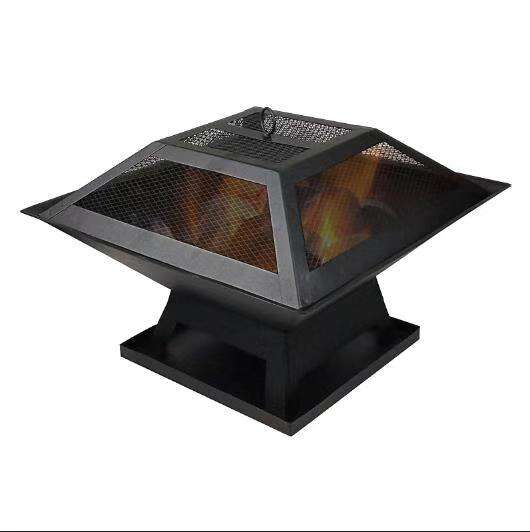
Selecting a barbecue gas grill for outdoor cooking involves more than comparing heat output and cooking surface dimensions. Whether you are equipping a residential patio or a commercial outdoor kitchen, understanding how to evaluate barbecue gas grill durability and safety ensures long-term value, operational reliability, and protection against common outdoor cooking hazards. This comprehensive evaluation process requires examining construction materials, burner design, fuel system integrity, and compliance with recognized safety standards that govern outdoor cooking equipment.

The durability of a barbecue gas grill directly impacts its ability to withstand environmental exposure, thermal cycling, and mechanical stress from repeated use. Safety considerations extend beyond basic ignition mechanisms to include pressure regulation, leak prevention, flame stability, and structural integrity under high-temperature operation. This guide provides a systematic methodology for assessing both durability and safety characteristics, enabling informed purchasing decisions that balance performance requirements with operational risk management and lifecycle cost considerations.
Material Quality Assessment for Structural Longevity
Corrosion-Resistant Construction Standards
The primary structural components of a barbecue gas grill determine its resistance to oxidation, thermal degradation, and mechanical wear. Stainless steel remains the preferred material for premium outdoor cooking equipment, with grade classifications indicating corrosion resistance levels. Type 304 stainless steel offers adequate protection for covered outdoor environments, while Type 316 stainless steel provides superior resistance to chloride exposure in coastal locations. When evaluating a barbecue gas grill, examine the gauge thickness of panels and framework, as thinner materials compromise structural rigidity and accelerate deterioration under thermal stress.
Cast iron components deliver excellent heat retention but require protective coatings to prevent rust formation in humid climates. Porcelain-enameled cast iron cooking grates combine durability with easier maintenance compared to bare cast iron surfaces. Aluminum construction reduces overall weight but offers limited thermal mass and lower resistance to impact damage. A thorough durability assessment should identify which components use corrosion-resistant materials and which rely on protective coatings that may deteriorate over operational lifespans.
Welded Joint Integrity and Fastener Quality
Construction methodology significantly affects the long-term structural integrity of a barbecue gas grill. Continuous welded seams provide superior strength compared to spot-welded assemblies, particularly in high-stress areas such as burner mounts and cart frame connections. Inspect weld quality by examining bead uniformity and penetration depth, as insufficient fusion creates weak points susceptible to thermal expansion failure. Premium manufacturers employ TIG welding for critical structural joints, delivering cleaner welds with minimal heat-affected zones that maintain base metal properties.
Fastener selection reveals design priorities regarding serviceability and durability. Stainless steel bolts and screws resist environmental corrosion better than zinc-plated hardware, which degrades rapidly in coastal or high-humidity environments. Self-tapping screws indicate cost-reduction measures that may compromise long-term assembly integrity. Mechanical fasteners should include locking mechanisms such as nylon inserts or spring washers to prevent loosening from vibration and thermal cycling during barbecue gas grill operation.
Thermal Shielding and Heat Distribution Design
Effective heat management protects external surfaces and internal components from thermal damage while improving cooking performance. Double-wall construction with air gaps insulates outer panels, reducing surface temperatures and minimizing paint degradation from excessive heat exposure. Burner shields and flame tamers distribute heat evenly across cooking surfaces while protecting burner tubes from grease drippings that accelerate corrosion. When assessing a barbecue gas grill, verify that heat deflection systems fully cover burner elements and direct radiant energy toward cooking zones rather than structural components.
Firebox construction should incorporate adequate insulation between combustion zones and control panel areas, preventing heat transfer that damages valves, ignition systems, and pressure regulators. Ventilation openings must balance combustion air requirements with protection against moisture intrusion that promotes internal corrosion. Models lacking proper thermal barriers exhibit accelerated component failure rates, particularly in electronic ignition modules and thermoplastic valve knobs exposed to excessive radiant heat during extended cooking sessions.
Burner System Evaluation for Safety and Performance
Burner Tube Material and Design Configuration
The burner system represents the core functional element of any barbecue gas grill, requiring careful evaluation of materials, port configuration, and flame control characteristics. Stainless steel burner tubes provide optimal corrosion resistance and longevity compared to aluminized steel or cast brass alternatives. Examine burner wall thickness, as heavier gauge materials withstand thermal stress and resist warping that causes uneven flame distribution. Port diameter and spacing directly affect flame stability and heat output uniformity across the cooking surface.
Tubular burners with multiple ports deliver more consistent heat distribution than single-tube designs, while H-shaped or oval configurations maximize cooking area coverage. Verify that burner tubes incorporate venturi mixing tubes with properly sized air shutters, enabling adjustment of the air-to-fuel ratio for optimal combustion efficiency. Improperly calibrated venturi systems produce yellow-tipped flames indicating incomplete combustion, which generates excessive carbon monoxide and accelerates soot accumulation on cooking surfaces.
Ignition System Reliability and Redundancy
Electronic ignition systems offer convenience but introduce additional components susceptible to moisture damage and electrical failure. Piezoelectric push-button ignitors generate sufficient spark voltage without battery power but require direct mechanical linkage to electrode assemblies. Battery-powered electronic ignition systems provide easier operation but necessitate periodic battery replacement and weatherproof housing to prevent corrosion of electrical contacts. When evaluating barbecue gas grill safety features, confirm that ignition electrodes maintain proper gap spacing and ground connections for reliable spark generation.
Premium models incorporate multiple ignition points or continuous spark systems that maintain ignition capability throughout the lighting sequence. Manual lighting ports should be readily accessible as backup ignition methods when electronic systems fail. Verify that control knobs include clear visual indicators for valve positions, preventing accidental gas flow when burners remain unlit. A comprehensive safety assessment includes testing ignition reliability across multiple cycles and confirming that spark generation occurs before gas flow begins.
Flame Pattern Consistency and Adjustment Range
Proper flame characteristics indicate correct fuel pressure, adequate combustion air mixing, and appropriate burner port sizing. Blue flames with minimal yellow tipping demonstrate complete combustion, while predominantly yellow or orange flames suggest insufficient air intake or clogged burner ports. Each burner on a barbecue gas grill should produce uniform flame height across its entire length, without dead zones or excessive flare-ups that indicate uneven gas distribution. Test flame stability by observing performance at minimum and maximum output settings, confirming smooth modulation without extinction or flashback into the venturi tube.
Adjustable air shutters on venturi tubes enable flame optimization for different fuel types and operating altitudes. Natural gas applications require different air-to-fuel ratios compared to propane systems, necessitating conversion kit compatibility for dual-fuel installations. Flame stability under windy conditions depends on burner design and windscreen effectiveness. Models lacking adequate wind protection exhibit frequent flame extinction, creating safety hazards from unburned gas accumulation and inconsistent cooking performance.
Fuel System Integrity and Leak Prevention Measures
Connection Fitting Quality and Seal Integrity
The fuel delivery system of a barbecue gas grill must maintain absolute leak-free integrity throughout the pressure regulation pathway from tank to burner valves. High-quality brass fittings with forged bodies provide superior thread engagement and sealing surface flatness compared to cast or die-cast components. Quick-disconnect couplers should incorporate positive locking mechanisms and dual O-ring seals to prevent separation during grill movement. Flexible hoses must meet recognized standards for fuel gas applications, with reinforced construction resistant to abrasion, UV degradation, and thermal cycling.
Inspect all threaded connections for proper engagement depth and appropriate thread sealant application. Gas-rated thread sealant or PTFE tape applied correctly ensures leak-proof joints without over-tightening that damages threads or sealing surfaces. Compression fittings require proper ferrule installation and torque specifications to achieve reliable seals without crushing or deforming tubing. Perform leak testing using approved soap solution rather than flame methods, applying solution to all connections while the system is pressurized and observing for bubble formation indicating gas escape.
Pressure Regulator Function and Excess Flow Protection
Pressure regulators reduce high tank pressure to consistent low-pressure output suitable for burner operation, typically maintaining outlet pressure between ten and eleven inches water column for propane systems. Quality regulators incorporate dual-stage reduction for improved output stability under varying demand conditions and temperature fluctuations. When evaluating barbecue gas grill safety systems, verify regulator capacity matches the total burner BTU rating with adequate margin for peak demand scenarios. Undersized regulators cannot maintain proper pressure during high-output operation, resulting in weak flames and incomplete combustion.
Modern safety regulators include excess flow limiters that automatically restrict gas flow when detecting sudden pressure drops indicating hose rupture or disconnection. Test excess flow protection by rapidly opening control valves with the regulator connected but burners unlit, confirming that gas flow ceases or reduces to minimal levels. Reset procedures vary by manufacturer but typically require closing all valves, disconnecting the fuel source, and waiting several minutes before reconnecting and gradually opening valves in sequence. Regulators lacking excess flow protection pose significant safety risks in mobile installations or high-traffic outdoor environments.
Control Valve Operation and Flame Adjustment Precision
Individual burner control valves enable independent heat zone management and emergency shutoff capability. Quality control valves incorporate precise needle-and-seat designs that provide smooth flame modulation from minimum simmer settings to maximum output levels. Examine valve operation for consistent tactile feedback throughout the rotation range, without binding, excessive play, or incomplete closure. Brass valve bodies with stainless steel stems offer superior durability compared to aluminum or zinc alloy constructions that corrode from combustion byproducts and environmental exposure.
Safety shutoff valves should close completely when rotated to the off position, eliminating residual gas flow that creates ignition hazards during the next lighting cycle. Test valve sealing by closing individual burners while maintaining gas pressure, then applying leak detection solution to burner ports and observing for bubble formation. Control knobs should attach securely to valve stems with positive engagement preventing slippage that could lead to unintended valve position changes. Premium barbecue gas grill models incorporate push-and-turn safety mechanisms requiring deliberate action to open gas flow, reducing accidental ignition risks.
Structural Stability and Mechanical Safety Features
Cart and Leg Assembly Strength Requirements
Freestanding barbecue gas grill installations require robust cart assemblies capable of supporting cooking unit weight plus fuel tanks, stored accessories, and food loads without tipping or structural failure. Evaluate leg diameter and wall thickness, as tubular steel construction provides optimal strength-to-weight ratios compared to stamped channel sections. Four-leg configurations with cross-bracing deliver superior stability compared to pedestal-style bases, particularly on uneven outdoor surfaces. Welded frame construction outperforms bolted assemblies for long-term structural integrity, though modular bolt-together designs facilitate disassembly for storage or relocation.
Wheel and caster selection affects mobility and stationary stability. Locking casters on at least two wheels prevent unintended movement during cooking operations while enabling repositioning when necessary. Larger diameter wheels navigate uneven terrain more effectively than small casters that catch on pavers, deck boards, or ground irregularities. Weight distribution should maintain center of gravity within the footprint area even with side shelves fully loaded and tank compartment occupied. Perform stability testing by applying lateral force to upper corners of the assembled unit, confirming resistance to tipping without lifting opposite-side wheels.
Lid Hinge Design and Counterbalance Systems
Lid operation presents significant safety considerations due to weight, operating temperature, and potential for sudden closure causing injury. Heavy-duty hinges with multiple pivot points and reinforced mounting brackets prevent sagging that misaligns lids and damages sealing surfaces. Counterbalance springs or pneumatic cylinders assist lid lifting and provide controlled descent, preventing slam-down events that damage components or trap hands. When assessing barbecue gas grill construction quality, test lid balance by opening to various positions and releasing, observing whether it maintains position or requires continuous holding force.
Double-walled lid construction with proper insulation protects external surfaces from excessive temperatures while improving heat retention for more efficient cooking. Thermometer integration should employ proper sealing grommets preventing moisture intrusion and maintaining accurate temperature readings. Handle design must accommodate heat-resistant gripping even when exterior surfaces reach elevated temperatures from radiant heat and convection. Premium handles incorporate stay-cool technology using thermal breaks or heat-dissipating fins that maintain safe touch temperatures during extended cooking sessions.
Grease Management and Fire Prevention Systems
Effective grease collection and drainage systems prevent flare-ups and reduce fire hazards associated with accumulated combustible residue. Angled cooking surfaces and strategically positioned drainage channels direct liquids away from burner zones toward collection receptacles. Removable grease trays should feature adequate capacity for typical cooking sessions and incorporate handles enabling safe removal when contents remain hot. Full-width grease trays capture more drippings than narrow channels that allow bypass flow directly onto burner covers.
Flame tamer systems position barriers between burners and cooking surfaces, vaporizing some drippings while channeling excess grease toward drainage paths. These components should remain securely positioned during normal operation but allow removal for periodic cleaning to prevent carbon buildup that restricts proper function. Evaluate access to internal components for maintenance, as barbecue gas grill designs incorporating removable panels and easily separated assemblies facilitate thorough cleaning that maintains safe operation throughout the unit's service life. Models with limited access to grease pathways accumulate residue that eventually ignites, creating dangerous flare-ups and accelerating component degradation.
Certification Standards and Regulatory Compliance Verification
Recognized Testing Laboratory Certifications
Third-party safety certifications from recognized testing laboratories provide independent verification that barbecue gas grill designs meet established safety standards and performance requirements. The American National Standards Institute publishes ANSI Z21.58, which specifies construction requirements, safety device functionality, and testing protocols for outdoor cooking gas appliances. Products bearing CSA International certification marks demonstrate compliance with applicable standards through laboratory testing and manufacturing facility inspections. Underwriters Laboratories also evaluates outdoor cooking equipment against safety criteria encompassing structural integrity, fuel system integrity, and operational hazards.
European markets require CE marking indicating conformity with applicable European Union directives covering gas appliances, electromagnetic compatibility, and general product safety. Verify that certification marks include file numbers or registration codes enabling validation through testing laboratory databases. Counterfeit certification marks occasionally appear on imported products, making independent verification essential for safety assurance. Request documentation confirming that specific model numbers underwent testing rather than relying solely on general brand certifications that may not cover all product variations.
Material Safety and Emissions Standards
Beyond structural safety considerations, barbecue gas grill materials must comply with food contact regulations and emissions limits for outdoor cooking appliances. Cooking surfaces, warming racks, and any components potentially contacting food require materials approved for high-temperature food contact applications. Stainless steel, porcelain enamel, and cast iron meet food safety requirements, while certain coatings and platings may release harmful substances at elevated temperatures. Verify that non-stick coatings carry appropriate temperature ratings exceeding normal cooking temperatures with adequate safety margins.
Combustion efficiency standards limit carbon monoxide and unburned hydrocarbon emissions from gas appliances. Properly designed and adjusted burner systems produce minimal emissions when supplied with correct fuel pressure and adequate combustion air. Yellow-tipped flames and sooting indicate incomplete combustion that generates elevated carbon monoxide levels. Though outdoor installations dissipate emissions more readily than indoor appliances, covered patio installations or operation in partially enclosed spaces require particular attention to combustion quality and ventilation adequacy. Premium barbecue gas grill manufacturers provide emission test data demonstrating compliance with applicable air quality standards.
Installation and Operating Instruction Adequacy
Comprehensive installation and operating manuals constitute essential safety components, providing critical information for proper assembly, initial setup, and ongoing operation. Instruction quality varies significantly across manufacturers, with premium brands offering detailed diagrams, torque specifications, and troubleshooting guidance. Minimum clearance requirements from combustible construction must appear prominently, as inadequate spacing creates fire hazards from radiant heat and convection currents. Fuel connection procedures should include leak testing instructions and warnings against using open flames for leak detection.
Operating instructions must address lighting procedures, flame adjustment, emergency shutdown protocols, and maintenance schedules essential for sustained safe operation. Warning labels permanently affixed to the barbecue gas grill should highlight major hazards including carbon monoxide generation in enclosed spaces, burn risks from hot surfaces, and explosion hazards from accumulated gas. Evaluate instruction completeness by reviewing whether typical user questions receive adequate coverage, and whether diagrams clearly illustrate critical assembly steps. Inadequate documentation increases installation error risks and prevents users from recognizing abnormal operating conditions requiring corrective action.
Long-Term Maintenance Requirements and Serviceability
Component Accessibility for Routine Maintenance
Design features affecting maintenance accessibility directly impact long-term durability by determining whether users can perform necessary cleaning and component inspection. Removable cooking grates, flame tamers, and burner assemblies enable thorough cleaning that prevents grease accumulation and vermin intrusion during storage periods. Tool-free removal systems encourage regular maintenance, while designs requiring specialized tools or extensive disassembly discourage proper cleaning intervals. When evaluating a barbecue gas grill for durability, consider whether internal components remain accessible after years of thermal cycling that may warp panels or seize fasteners.
Burner tube removal should require minimal disassembly, allowing inspection of venturi openings for insect nests and debris accumulation that restricts airflow. Control valve access enables lubrication and seal replacement when valves develop leaks or binding. Grease tray removal should not require tools or awkward reaching into hot firebox areas. Premium designs incorporate slide-out trays, hinged access panels, and modular assemblies that separate completely for comprehensive cleaning. Models lacking adequate maintenance access experience accelerated deterioration as users avoid necessary upkeep due to excessive disassembly requirements.
Replacement Part Availability and Cost Considerations
Long-term ownership costs extend beyond initial purchase price to include replacement parts, repair components, and periodic refurbishment of wear items. Major manufacturers maintain spare parts inventories supporting discontinued models for reasonable periods, while lesser-known brands may abandon parts support shortly after production ceases. Research parts availability before purchasing a barbecue gas grill, particularly for critical components such as burners, ignition systems, and control valves that eventually require replacement. Proprietary designs using unique mounting patterns or non-standard dimensions restrict substitution options, forcing dependence on original manufacturer parts at premium prices.
Standard-dimension grates, common burner configurations, and generic valve patterns enable aftermarket parts substitution, reducing long-term ownership costs and extending functional life when original manufacturer support ends. Evaluate the cost of common replacement items including ignition electrodes, burner tubes, cooking grates, and grease trays relative to initial purchase price. Models requiring expensive proprietary components may cost more over their service lives than higher-quality units with readily available standard parts. Factor replacement part accessibility into durability assessments, as even well-constructed units become unusable when critical components fail without available replacements.
Protective Measures and Seasonal Storage Protocols
Environmental protection significantly extends barbecue gas grill service life, particularly in regions experiencing seasonal temperature extremes, high humidity, or salt air exposure. Quality fitted covers constructed from UV-resistant, water-repellent materials protect exterior finishes and prevent moisture accumulation in control panels and burner assemblies. Covers should extend below the cooking chamber, providing protection for cart components and fuel system elements. Ventilation features prevent condensation accumulation that accelerates corrosion on internal metal surfaces.
Seasonal storage preparation includes thorough cleaning to remove food residue and grease that attracts pests and promotes corrosion. Apply food-grade oil to bare cast iron components, preventing rust formation during storage periods. Disconnect and store fuel tanks in well-ventilated areas away from the grill unit, eliminating pressure on regulators and reducing leak risks. Close control valves and cap burner ports, preventing insect intrusion into gas passages. Indoor storage in climate-controlled spaces offers maximum protection, though garage storage provides adequate shelter when outdoor placement remains necessary. Winter protection particularly benefits electronic ignition systems and painted surfaces vulnerable to freeze-thaw cycling and ice formation.
FAQ
What specific materials indicate a durable barbecue gas grill construction?
Type 304 or 316 stainless steel construction provides optimal corrosion resistance for outdoor exposure, with 316-grade offering superior performance in coastal environments with salt air exposure. Burner tubes should be constructed from stainless steel rather than aluminized steel or cast brass for extended service life. Cooking grates benefit from porcelain-enameled cast iron that combines heat retention with rust resistance, though stainless steel grates require less maintenance. Cart frames should use heavy-gauge tubular steel with welded construction rather than stamped components or bolt-together assemblies. Avoid models with excessive plastic components in high-heat areas or zinc-plated hardware that corrodes rapidly in outdoor environments. Premium construction also incorporates double-wall lid design with insulation, protecting exterior surfaces from thermal damage while improving cooking efficiency.
How can I verify that a barbecue gas grill meets safety standards?
Look for certification marks from recognized testing laboratories such as CSA International, Underwriters Laboratories, or equivalent organizations that verify compliance with ANSI Z21.58 standards for outdoor cooking gas appliances. These marks should include registration numbers allowing verification through laboratory databases. Request documentation showing that the specific model underwent testing rather than relying on general brand certifications. Examine installation and operating instructions for comprehensive safety information including clearance requirements from combustible materials, leak testing procedures, and proper operating protocols. Perform visual inspection of fuel system components, verifying quality brass fittings, reinforced hoses meeting gas appliance standards, and proper pressure regulator capacity. Test ignition system reliability and control valve operation, confirming smooth modulation and complete shutoff. Apply soap solution to all fuel connections while pressurized, observing for bubble formation indicating leaks requiring correction before operation.
What maintenance tasks most significantly extend barbecue gas grill service life?
Regular cleaning of cooking grates, flame tamers, and grease management systems prevents accumulation of combustible residue that causes flare-ups and accelerates corrosion. Annual burner tube inspection and cleaning removes insect nests and debris from venturi openings that restrict combustion airflow and cause improper flame characteristics. Periodic inspection of all fuel system connections with leak testing using soap solution identifies deteriorating seals before they create safety hazards. Control valve lubrication with appropriate high-temperature lubricant maintains smooth operation and prevents binding or incomplete closure. Protective covers when not in use shield exterior surfaces from UV degradation and moisture intrusion. Seasonal preparation including thorough cleaning and applying protective oil to cast iron components prevents rust formation during storage. Replace worn ignition components, deteriorated hoses, and damaged burner tubes before complete failure creates operational hazards. Maintaining proper combustion with blue flames and adequate heat output indicates correct air-to-fuel mixture requiring no corrective action.
Are higher BTU ratings always better for barbecue gas grill performance?
Total BTU output alone does not indicate superior cooking performance without considering burner design, heat distribution efficiency, and cooking surface area. A moderate BTU rating with well-designed burner placement and effective heat distribution often outperforms higher output models with poor engineering. Evaluate BTU per square inch of cooking surface as a more meaningful metric, with typical quality grills delivering approximately eighty to one hundred BTU per square inch. Excessive heat output without adequate control range limits cooking versatility and wastes fuel. Focus on flame pattern uniformity, temperature control precision, and heat retention characteristics rather than maximum BTU specifications. Quality construction with double-wall lids and proper insulation maintains cooking temperatures more efficiently than single-wall designs requiring higher BTU inputs. Consider your typical cooking applications, as high-heat searing requires different burner characteristics than low-temperature smoking or indirect cooking methods. Verify that pressure regulators and control valves appropriately match burner capacity for safe and efficient operation across the full output range.
Table of Contents
- Material Quality Assessment for Structural Longevity
- Burner System Evaluation for Safety and Performance
- Fuel System Integrity and Leak Prevention Measures
- Structural Stability and Mechanical Safety Features
- Certification Standards and Regulatory Compliance Verification
- Long-Term Maintenance Requirements and Serviceability
- FAQ