
 EN
EN



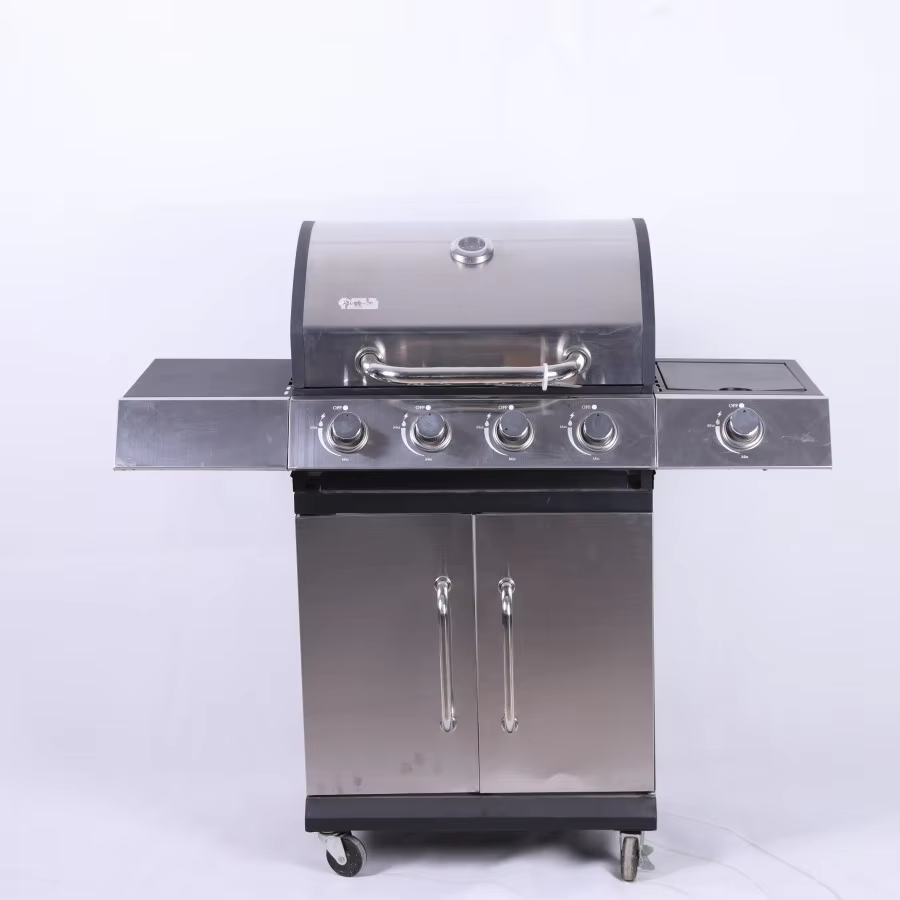
Commercial kitchens operate under constant pressure to deliver high-quality food quickly while managing costs, labor, and operational complexity. In this demanding environment, equipment choices directly impact profitability, workflow efficiency, and customer satisfaction. Gas barbecues have emerged as a strategic solution for restaurants, catering operations, hotels, and institutional food services seeking to optimize their cooking processes. Unlike traditional cooking methods that require extended preparation times and complex heat management, gas barbecues provide instant heat control, consistent cooking results, and reduced labor requirements. This operational advantage translates into faster service times, lower energy consumption, and improved kitchen productivity. Understanding how gas barbecues improve efficiency for commercial kitchens requires examining their technical capabilities, operational benefits, and practical impact on daily food service operations.

The efficiency gains from gas barbecues extend beyond simple cooking speed to encompass energy management, space utilization, maintenance simplicity, and staff productivity. Commercial operators face mounting challenges from rising utility costs, labor shortages, and increasing customer expectations for quality and speed. Gas barbecues address these challenges through rapid ignition systems, precise temperature control, consistent heat distribution, and minimal warm-up requirements. These features enable kitchen staff to respond quickly to order fluctuations, reduce idle equipment time, and maintain cooking quality during peak service periods. For businesses evaluating equipment upgrades or new kitchen designs, gas barbecues represent a proven technology that delivers measurable improvements in operational efficiency while supporting diverse menu applications from steaks and burgers to vegetables and seafood.
Immediate Heat Control and Rapid Temperature Response
Instant Ignition and Elimination of Preheat Time
One of the most significant efficiency advantages of gas barbecues in commercial kitchens is their ability to achieve cooking temperature within seconds of ignition. Traditional charcoal grills require thirty to forty-five minutes of preparation time before reaching usable cooking temperatures, while electric grills need fifteen to twenty minutes to stabilize. Gas barbecues eliminate this unproductive waiting period entirely, allowing kitchen staff to begin cooking immediately when orders arrive. This instant-on capability proves particularly valuable during unpredictable service periods when order volume fluctuates rapidly. Restaurants can activate gas barbecues only when needed rather than maintaining constant heat throughout service hours, reducing unnecessary energy consumption during slow periods. The elimination of preheat time also simplifies kitchen workflow by removing the need for advance preparation scheduling and allows staff to focus on food preparation rather than equipment management.
Precise Burner Control for Consistent Cooking Results
Commercial gas barbecues feature individual burner controls that enable precise temperature adjustment across different cooking zones. This granular control allows kitchen staff to simultaneously cook items requiring different heat levels on the same equipment, maximizing utilization and reducing the need for multiple cooking stations. A skilled operator can maintain high heat for searing steaks on one section while using moderate temperatures for cooking chicken or fish on adjacent burners. This multi-zone capability improves kitchen efficiency by consolidating cooking operations and reducing equipment footprint requirements. The ability to instantly adjust flame intensity also prevents overcooking and food waste, as staff can quickly reduce heat when items approach desired doneness. Unlike solid-fuel grills where temperature adjustments require physical manipulation of coals or vents, gas barbecues respond immediately to control inputs, giving operators precise command over the cooking process and ensuring consistent results across hundreds of meals during busy service periods.
Rapid Temperature Recovery Between Cooking Cycles
When cold food items are placed on cooking surfaces, they absorb heat and temporarily reduce grill temperature. Gas barbecues demonstrate superior temperature recovery rates compared to other cooking methods, quickly returning to target temperatures after each cooking cycle. This rapid recovery capability maintains consistent cooking times throughout service periods regardless of order volume, preventing the slowdowns that occur with equipment that struggles to maintain temperature under continuous use. Commercial gas barbecues equipped with high-BTU burners can compensate for heat loss within seconds, ensuring that the tenth steak cooks as efficiently as the first. This consistent performance enables accurate timing predictions, helping kitchen managers schedule orders and coordinate multiple dishes for synchronized table service. The reliable temperature maintenance also reduces the need for staff to constantly monitor and adjust equipment, freeing employees to focus on food preparation, plating, and quality control activities that directly enhance customer experience.
Energy Efficiency and Operational Cost Reduction
Lower Fuel Consumption Compared to Alternative Methods
Gas barbecues deliver superior energy efficiency compared to both charcoal and electric cooking methods when evaluated across complete operational cycles. Natural gas and propane burn with high thermal efficiency, converting approximately ninety percent of fuel energy directly into cooking heat with minimal waste. This efficient combustion contrasts sharply with charcoal systems where significant energy dissipates during the lengthy ignition process and throughout extended cooking periods. Electric grills require substantial electricity to generate equivalent heat output, and grid electricity production itself involves conversion losses that reduce overall system efficiency. For commercial operations cooking hundreds of meals daily, these efficiency differences translate into substantial cost savings. Gas barbecues also eliminate the labor costs associated with charcoal handling, ash disposal, and the extended cleaning required by solid-fuel systems. The ability to turn gas barbecues completely off between service periods prevents the continuous fuel consumption required by equipment that must maintain constant temperatures, further reducing operational expenses.
Reduced Utility Demand During Off-Peak Hours
Commercial kitchens often face demand charges based on peak electricity usage during billing cycles. Gas barbecues help minimize these charges by shifting cooking energy away from the electrical system, reducing overall electrical load during high-demand periods. This load reduction can lower monthly utility bills substantially for operations in jurisdictions with demand-based rate structures. Additionally, gas barbecues generate less ambient heat in kitchen environments compared to electric cooking equipment, reducing the burden on HVAC systems and lowering air conditioning costs. During cooler months, the reduced cooling requirement translates into lower overall energy consumption. The combination of efficient fuel usage, reduced electrical demand, and decreased HVAC load creates a comprehensive energy efficiency advantage that improves kitchen profitability while supporting sustainability objectives increasingly important to both operators and customers.
Predictable Fuel Costs and Budget Management
Natural gas pricing demonstrates greater stability compared to electricity rates, which fluctuate based on regional demand, seasonal factors, and grid constraints. This pricing stability allows commercial kitchen operators to forecast fuel expenses more accurately and develop reliable operating budgets. Propane-fueled gas barbecues offer even greater cost predictability through fixed-price bulk purchasing agreements that lock in rates for extended periods. The ability to accurately project energy costs supports better financial planning and helps operators maintain consistent food pricing despite market volatility. Gas barbecues also simplify cost allocation in multi-unit operations by providing clear, measurable fuel consumption data that can be tracked per service period or even per menu item. This visibility enables managers to identify efficiency opportunities, compare performance across locations, and implement best practices that optimize fuel usage throughout their organization.
Labor Efficiency and Simplified Kitchen Operations
Reduced Skill Requirements and Training Time
Gas barbecues simplify cooking operations compared to charcoal grills that require specialized knowledge of fire management, coal placement, and indirect heat techniques. The intuitive controls and consistent performance of gas barbecues reduce the training time needed for new kitchen staff, allowing restaurants to onboard employees faster and maintain service quality during staff turnover periods. Operators can train line cooks to achieve consistent results on gas barbecues within days rather than the weeks or months required to develop proficiency with traditional grilling methods. This reduced training requirement proves particularly valuable in the current labor market where restaurants face persistent staffing challenges and high turnover rates. The simplified operation also reduces errors and food waste caused by inexperienced staff struggling with complex cooking equipment. By lowering the skill barrier for grill operation, gas barbecues expand the available labor pool and reduce dependence on specialized grill cooks who command premium wages.
Minimal Maintenance and Reduced Downtime
Commercial gas barbecues require significantly less maintenance compared to charcoal systems that generate ash requiring daily removal and disposal. Gas systems eliminate the messy cleanup associated with solid fuels, reducing labor time spent on post-service maintenance tasks. The absence of ash also prevents the ventilation system clogs that plague charcoal operations, reducing HVAC maintenance requirements and improving air quality in the kitchen environment. Modern gas barbecues feature removable grates and grease management systems that simplify cleaning and can be serviced quickly between shifts. This design efficiency minimizes equipment downtime and ensures gas barbecues remain available throughout extended service periods. The mechanical simplicity of gas systems also reduces repair frequency compared to complex electric grills with electronic controls and heating elements prone to failure. When maintenance is required, gas barbecue components are widely available and can typically be replaced quickly by in-house staff or service technicians without extended equipment removal periods that disrupt kitchen operations.
Enhanced Kitchen Safety and Reduced Insurance Costs
Gas barbecues eliminate the fire hazards associated with hot coals, flying sparks, and ash disposal that create burn risks and potential fire ignition sources in commercial kitchens. The controlled flame and absence of loose combustible materials improve overall kitchen safety, reducing workplace injury rates and workers' compensation claims. Modern commercial gas barbecues incorporate safety features including automatic ignition systems, flame failure devices, and emergency shutoff valves that further minimize risk. This improved safety profile can reduce insurance premiums for restaurant operators, as insurers recognize the lower risk profile of gas cooking equipment compared to charcoal systems. The cleaner operation of gas barbecues also reduces slip hazards from grease and ash accumulation on kitchen floors, contributing to a safer working environment. By improving workplace safety, gas barbecues help commercial kitchens maintain consistent staffing levels by reducing injury-related absences and create more attractive working conditions that aid in employee recruitment and retention.
Throughput Optimization and Service Speed Enhancement
Simultaneous Multi-Item Cooking Capability
Commercial gas barbecues with multiple burners enable kitchen staff to cook different menu items simultaneously at appropriate temperatures for each product. This parallel processing capability dramatically increases throughput compared to single-temperature cooking surfaces that force sequential preparation. A five-burner gas barbecue allows operators to prepare steaks, chicken, fish, vegetables, and specialty items concurrently, reducing ticket times and improving customer satisfaction during peak demand periods. The independent burner control ensures each item receives optimal heat treatment without compromise, maintaining quality standards while maximizing cooking efficiency. This multi-item capability proves particularly valuable for restaurants with diverse menus where customers often order multiple grilled items requiring different cooking times and temperatures. By consolidating these preparations on a single piece of equipment, gas barbecues reduce the kitchen footprint required for grilling operations while increasing output capacity.
Consistent Performance During High-Volume Service
Gas barbecues maintain consistent performance throughout extended service periods without the heat degradation that affects charcoal grills as coals burn down and require replenishment. This reliability ensures that service speed remains constant from the first order to the last, preventing the slowdowns that frustrate customers and reduce table turnover rates. Commercial operations can confidently schedule reservations and accept high-volume catering commitments knowing their gas barbecues will deliver consistent results regardless of order volume. The elimination of mid-service fuel management tasks allows kitchen staff to focus entirely on food preparation rather than dividing attention between cooking and equipment maintenance. This focused workflow improves both speed and quality, as cooks can devote full attention to monitoring doneness, adjusting cooking times for product variations, and ensuring proper presentation. The predictable performance of gas barbecues also simplifies kitchen management by removing variables that complicate production planning and order timing.
Rapid Menu Changeover and Flexibility
Restaurants that transition between lunch and dinner menus or operate special event services benefit from the rapid changeover capabilities of gas barbecues. The equipment can be thoroughly cleaned, cooled, and reconfigured for different cooking applications in a fraction of the time required by charcoal systems. This flexibility enables commercial kitchens to serve breakfast items, transition to lunch service, and prepare for dinner without extended downtime between dayparts. Gas barbecues also accommodate seasonal menu changes efficiently, as operators can quickly shift from summer grilling menus to autumn preparations without equipment modifications. The ability to turn off gas barbecues completely between services and restart instantly when needed provides operational flexibility that supports diverse business models including pop-up restaurants, food trucks, and catering operations that require mobile cooking solutions. This adaptability maximizes equipment utilization and return on investment by supporting multiple revenue streams from a single cooking platform.
Space Utilization and Kitchen Design Efficiency
Compact Footprint with High Output Capacity
Commercial gas barbecues deliver exceptional cooking capacity relative to their physical footprint, making them ideal for space-constrained urban restaurants and renovated facilities with limited kitchen areas. A well-designed gas barbecue occupying six to eight square feet of floor space can produce output equivalent to much larger cooking battery installations. This space efficiency allows kitchen designers to allocate valuable square footage to additional prep areas, storage, or revenue-generating dining space rather than oversized equipment. The compact design of modern gas barbecues also facilitates kitchen layouts that improve workflow efficiency by positioning cooking equipment closer to prep stations and expediting areas. Reduced equipment footprint translates directly into lower construction costs for new facilities and enables more ambitious renovations in existing spaces where structural limitations constrain expansion options. For multi-concept operations sharing kitchen facilities, compact gas barbecues allow each concept to maintain dedicated cooking equipment without overwhelming available space.
Ventilation System Efficiency and Cost Savings
Gas barbecues produce cleaner combustion byproducts compared to charcoal grills, reducing the ventilation capacity required to maintain acceptable air quality in commercial kitchens. This reduced ventilation demand lowers the initial installation cost of hood systems and decreases ongoing operating expenses for exhaust fans that consume significant electricity. The cleaner burn characteristics of natural gas and propane also extend the service intervals for hood filters and ductwork cleaning, reducing maintenance costs and minimizing the frequency of costly professional cleaning services required by fire codes. In jurisdictions with strict air quality regulations, gas barbecues help restaurants meet emissions standards without expensive pollution control equipment. The improved indoor air quality resulting from cleaner combustion also creates a more comfortable working environment, reducing staff complaints and supporting employee retention efforts. These ventilation advantages compound over time, as restaurants avoid the escalating maintenance costs and performance degradation that affect ventilation systems serving charcoal cooking operations.
Outdoor Cooking Space Optimization
Restaurants with patio dining areas or outdoor cooking facilities benefit from the weather-resistant and quickly deployable nature of commercial gas barbecues. Unlike charcoal systems that struggle in windy conditions and require extensive preparation, gas barbecues can be positioned in outdoor cooking stations and activated instantly when weather permits patio service. This flexibility allows restaurants to capitalize on pleasant weather and expand capacity during peak seasons without maintaining redundant indoor cooking equipment. Gas barbecues designed for outdoor use feature stainless steel construction and protective coatings that resist corrosion, ensuring reliable performance despite exposure to weather elements. The ability to quickly cover and protect gas barbecues during inclement weather prevents damage and extends equipment lifespan compared to permanently exposed installations. Outdoor gas barbecue stations also create entertainment value for customers who enjoy watching skilled cooks prepare meals, adding a theatrical element that enhances the dining experience and supports premium pricing strategies.
FAQ
What is the typical lifespan of commercial gas barbecues in high-volume restaurant environments?
Commercial gas barbecues typically deliver seven to twelve years of reliable service in high-volume restaurant applications when properly maintained, with stainless steel models offering longer lifespans than painted steel alternatives. The actual lifespan depends on usage intensity, maintenance quality, and environmental factors such as exposure to moisture or corrosive elements. Regular cleaning, burner inspection, and prompt replacement of worn components extend equipment life significantly. Professional-grade commercial gas barbecues feature heavier construction and more durable components compared to residential models, justifying their higher initial cost through extended service life and reduced replacement frequency. Operators who implement preventive maintenance programs typically achieve lifespans exceeding ten years even under demanding daily use conditions.
How do gas barbecues perform in extremely cold climates where outdoor installation is necessary?
Commercial gas barbecues maintain reliable performance in cold climates when equipped with appropriate burner designs and proper gas pressure regulation. Propane systems may require vaporization assistance in temperatures below negative twenty degrees Fahrenheit, while natural gas systems generally perform well down to negative forty degrees. Modern commercial units feature high-BTU burners that generate sufficient heat to overcome cold ambient temperatures and achieve proper cooking conditions within minutes of ignition. Operators in extreme climates should install wind protection enclosures and ensure adequate gas supply pressure to maintain consistent performance during winter months. Some commercial gas barbecues include electric ignition backup systems that improve cold-weather starting reliability when piezoelectric igniters struggle in freezing conditions.
Can gas barbecues replicate the smoke flavor traditionally associated with charcoal grilling?
Gas barbecues can produce authentic smoke flavor through the use of smoker boxes, wood chip trays, and flavor enhancement accessories that vaporize wood products over burner flames. While the clean combustion of gas produces minimal smoke on its own, commercial operators achieve desired smoke characteristics by adding wood chips, pellets, or planks that smolder and infuse food with traditional barbecue flavors. This controlled smoke generation provides more consistency than charcoal systems where smoke production varies based on coal quality, airflow, and fuel arrangement. Many restaurants find that customers cannot distinguish between properly smoked gas-grilled items and charcoal-cooked equivalents in blind taste comparisons, particularly when appropriate wood varieties are selected to complement specific proteins. The ability to control smoke intensity independently from cooking heat gives gas barbecue operators greater precision in developing signature flavor profiles.
What considerations affect the choice between natural gas and propane for commercial gas barbecues?
Natural gas offers lower operating costs and eliminates tank management logistics for restaurants with existing gas service, making it the preferred choice for permanent installations with available utility connections. Propane provides greater flexibility for mobile operations, outdoor locations, and facilities without natural gas infrastructure, despite slightly higher fuel costs per BTU. Propane systems deliver higher heat output at equivalent burner sizes due to propane's greater energy density, which can be advantageous for high-volume operations requiring maximum cooking power. Natural gas installations require professional connection to utility lines and permanent equipment positioning, while propane systems offer portability and can be relocated as operational needs change. Both fuels provide comparable cooking performance and efficiency, with the optimal choice depending primarily on facility infrastructure, local fuel costs, and operational requirements rather than significant performance differences between the fuels themselves.
Table of Contents
- Immediate Heat Control and Rapid Temperature Response
- Energy Efficiency and Operational Cost Reduction
- Labor Efficiency and Simplified Kitchen Operations
- Throughput Optimization and Service Speed Enhancement
- Space Utilization and Kitchen Design Efficiency
-
FAQ
- What is the typical lifespan of commercial gas barbecues in high-volume restaurant environments?
- How do gas barbecues perform in extremely cold climates where outdoor installation is necessary?
- Can gas barbecues replicate the smoke flavor traditionally associated with charcoal grilling?
- What considerations affect the choice between natural gas and propane for commercial gas barbecues?