
 EN
EN



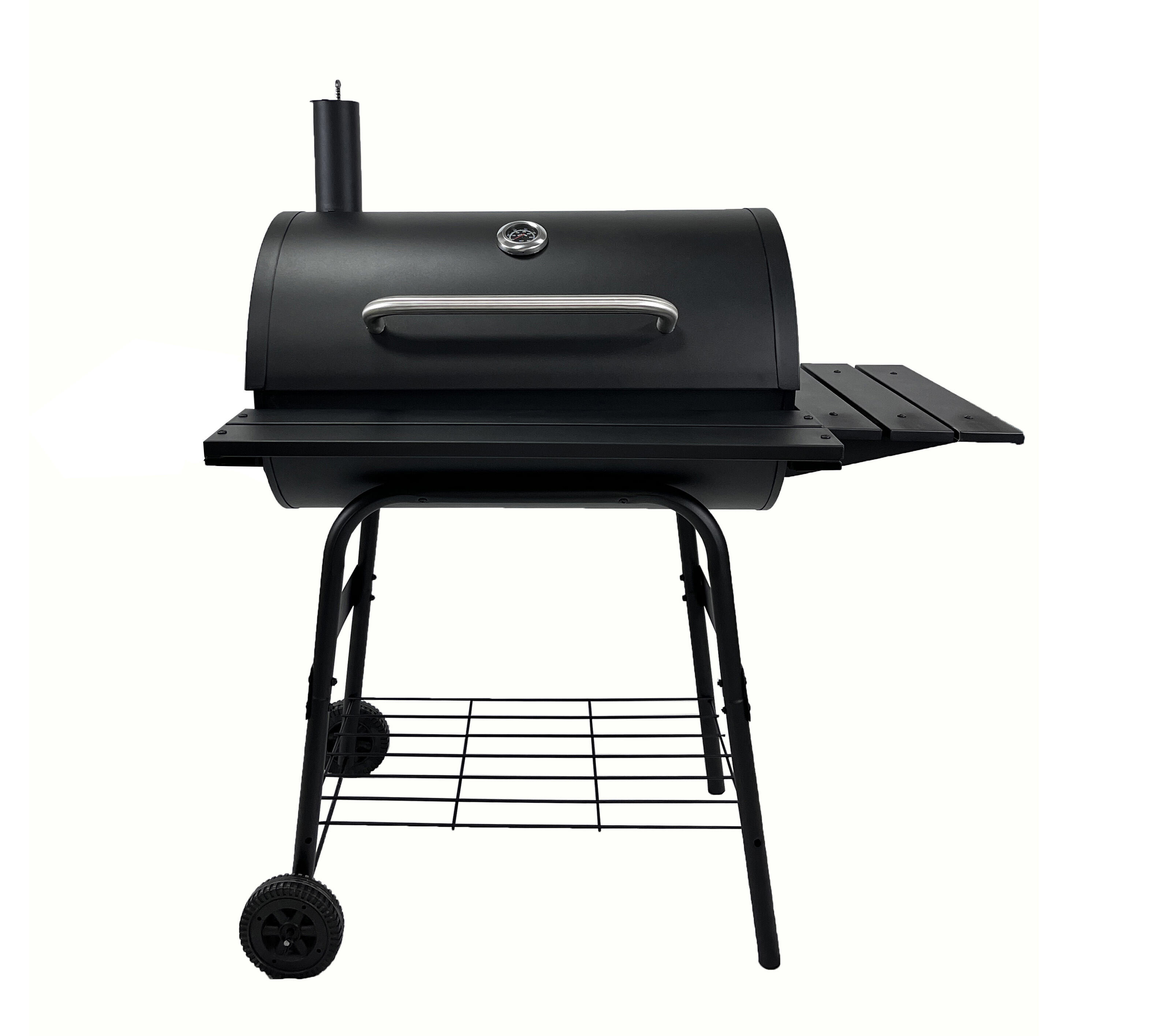
High-end barbecue gas grill manufacturing demands meticulous material selection to ensure durability, heat performance, and aesthetic appeal. The choice of materials directly influences cooking efficiency, product lifespan, and customer satisfaction in competitive outdoor cooking markets. Understanding which materials distinguish premium models from entry-level alternatives helps manufacturers, distributors, and discerning consumers make informed decisions about construction quality and long-term value.

Premium outdoor cooking equipment relies on engineered material combinations that withstand extreme temperatures, weather exposure, and repeated thermal cycling. Manufacturing facilities specializing in high-performance barbecue gas grill production prioritize corrosion-resistant alloys, advanced coatings, and precision-fabricated components to deliver commercial-grade results in residential settings. This comprehensive examination reveals the critical material specifications that define superior construction standards across burner systems, cooking surfaces, structural frames, and protective finishes.
Stainless Steel Grades and Their Specific Applications
Type 304 Stainless Steel for Cooking Grids and Burner Covers
Type 304 stainless steel represents the most commonly specified alloy in barbecue gas grill cooking surface construction due to its balanced chromium-nickel composition providing excellent corrosion resistance. This austenitic grade contains approximately eighteen percent chromium and eight percent nickel, creating a passive oxide layer that protects against food acids, moisture, and temperature variations. Manufacturers select 304 grade material for cooking grids, warming racks, and burner covers where direct food contact and moderate corrosion protection meet economic viability constraints.
The material exhibits superior forming characteristics compared to higher-nickel alloys, allowing complex geometrical configurations in cooking grates without cracking during fabrication. Rod diameters in premium cooking grids typically range from six to nine millimeters, with wire spacing optimized for heat distribution and food release properties. Surface finishing techniques including electropolishing enhance the natural corrosion resistance while creating food-safe surfaces that resist bacterial adhesion and simplify cleaning procedures.
Heat retention properties of 304 stainless steel contribute to consistent cooking temperatures across the grilling surface, reducing hot spots that cause uneven food preparation. The thermal conductivity specifications balance rapid heat transfer from burner flames with sufficient mass to maintain stable temperatures during cooking cycles. High-end barbecue gas grill production integrates thicker gauge 304 components to increase thermal mass and extend service life beyond typical residential equipment expectations.
Type 430 Stainless Steel for Structural Components and Panels
Type 430 ferritic stainless steel serves as the economical choice for exterior panels, control housings, and secondary structural elements in quality outdoor grilling equipment. This chromium-based alloy contains approximately seventeen percent chromium without nickel additions, offering adequate atmospheric corrosion resistance at reduced material costs compared to austenitic grades. Manufacturers utilize 430 grade material where direct flame exposure and food contact do not occur, balancing budget considerations with acceptable weathering performance.
The magnetic properties of 430 stainless steel distinguish it from austenitic grades, affecting manufacturing processes including spot welding techniques and quality inspection procedures. Forming characteristics require careful attention to bend radii and tooling selection to prevent edge cracking during panel fabrication. Surface treatments including brushed finishes and protective coatings enhance appearance while providing additional environmental protection in coastal or high-humidity installation environments.
Thermal expansion coefficients of ferritic stainless steel differ from austenitic grades, requiring engineering consideration in assemblies combining multiple alloy types. High-temperature applications approaching 650 degrees Celsius may experience grain growth and strength reduction, limiting 430 grade use to exterior enclosures and non-heated structural members. Premium barbecue gas grill designs strategically deploy 430 material where cost optimization supports competitive pricing without compromising essential performance characteristics or safety margins.
Type 316 Stainless Steel for Coastal and High-Corrosion Environments
Type 316 stainless steel represents the premium alloy specification for barbecue gas grill components exposed to marine atmospheres, chloride-rich environments, or aggressive chemical exposure conditions. The addition of two to three percent molybdenum significantly enhances resistance to pitting and crevice corrosion compared to 304 grade alternatives. Manufacturers specify 316 alloy for burner tubes, heat distribution systems, and critical fasteners in premium product lines targeting coastal markets or commercial installations.
Welding procedures for 316 stainless steel require controlled heat input and appropriate filler materials to maintain corrosion resistance in heat-affected zones. The superior high-temperature strength characteristics support thinner wall sections in burner construction while maintaining structural integrity under repeated thermal cycling. Cost premiums of approximately thirty to fifty percent over 304 grade material justify specification only where environmental conditions or extended warranty requirements demand maximum corrosion protection.
Surface passivation treatments following fabrication restore the protective chromium oxide layer compromised during welding and forming operations. Quality control protocols in high-end manufacturing facilities include salt spray testing and electrochemical corrosion assessment to verify material performance meets specified durability standards. The investment in 316 grade components directly translates to reduced maintenance requirements and extended service intervals appreciated by premium barbecue gas grill purchasers seeking long-term value.
Cast Iron and Cast Aluminum Components in Heat Management Systems
Porcelain-Enameled Cast Iron Cooking Grates
Porcelain-enameled cast iron cooking grates deliver exceptional heat retention and searing performance in premium barbecue gas grill configurations. The high thermal mass of cast iron stores significant energy during preheating cycles, releasing consistent heat to food surfaces for superior browning and caramelization effects. Manufacturers apply multiple layers of porcelain enamel coating through high-temperature firing processes, creating durable surfaces that resist rust, facilitate cleaning, and provide non-stick characteristics without synthetic polymer coatings.
The porous structure of cast iron allows microscopic seasoning development over repeated cooking cycles, gradually improving release properties and flavor development. Thickness specifications typically range from four to seven millimeters, balancing heat capacity requirements with weight considerations affecting overall product portability. Grid spacing patterns optimize drainage of rendered fats while maintaining adequate support for delicate food items including fish fillets and vegetable preparations.
Quality porcelain enamel applications resist chipping and thermal shock through carefully controlled glass composition and firing temperature profiles. Minor surface defects in enamel coatings expose underlying cast iron to oxidation, requiring periodic maintenance and re-seasoning procedures to prevent rust formation. High-end barbecue gas grill models featuring enameled cast iron grates command premium pricing reflecting superior cooking performance and material investment compared to stainless steel alternatives.
Cast Aluminum Heat Distribution Plates and Flavorizer Bars
Cast aluminum components serve critical functions in heat distribution and grease management within sophisticated barbecue gas grill designs. The material combines excellent thermal conductivity with corrosion resistance and lightweight characteristics beneficial for movable components. Manufacturers produce custom-shaped heat tents, flavorizer bars, and radiant panels through sand casting or permanent mold processes, achieving complex geometries that direct flame patterns and protect burner elements from grease accumulation.
Aluminum alloy specifications typically include silicon content between seven and twelve percent, enhancing fluidity during casting while improving corrosion resistance in high-temperature oxidizing environments. Surface treatments including anodizing create protective oxide layers that extend component life and maintain appearance through repeated heating cycles. The low density of aluminum relative to steel reduces overall equipment weight, facilitating mobility features valued in residential outdoor cooking applications.
Thermal expansion characteristics of aluminum require careful engineering consideration in mounting systems to prevent distortion or mechanical stress during temperature cycling. Heat distribution plates positioned above burner elements convert direct flame radiation into more uniform infrared energy, reducing hot spots and improving temperature consistency across cooking zones. Premium barbecue gas grill production incorporates precisely dimensioned aluminum components that optimize airflow patterns and combustion efficiency throughout the firebox assembly.
Heavy-Gauge Steel Firebox Construction
Heavy-gauge cold-rolled steel forms the structural foundation of commercial-quality barbecue gas grill fireboxes, providing dimensional stability and heat containment at accessible cost points. Manufacturers specify steel thickness between twelve and eighteen gauge depending on overall unit size and performance requirements. The material withstands high-temperature exposure while supporting substantial cooking surface loads without deflection or permanent deformation during extended cooking sessions.
Welded construction techniques including MIG and TIG processes create leak-tight assemblies that contain combustion products and direct heat energy toward cooking surfaces. Internal surface treatments often include high-temperature paint systems or aluminized coatings that reflect radiant heat and resist oxidation in demanding thermal environments. Strategic reinforcement ribs and formed features enhance structural rigidity while minimizing material usage for optimal weight-to-strength ratios.
Powder coating exterior surfaces provides durable, attractive finishes that resist weathering, impact damage, and color fading under prolonged ultraviolet exposure. Quality manufacturers employ multi-stage surface preparation including phosphate conversion coatings before powder application to ensure maximum adhesion and corrosion protection. The combination of engineered steel construction with advanced finishing systems delivers the structural integrity expected in professional-grade barbecue gas grill equipment designed for intensive residential use.
Burner Materials and Combustion System Engineering
Stainless Steel Tube Burners with Precision Port Configuration
Tube burner construction represents the core heat generation component in gas-fueled outdoor cooking equipment, requiring materials that withstand continuous flame exposure and thermal cycling. Premium barbecue gas grill manufacturers specify 304 or 316 grade stainless steel tubing with wall thickness between one and two millimeters, balancing material cost with adequate structural integrity. Laser-cut or precision-drilled port patterns control flame shape, intensity, and distribution across the cooking surface area.
Port diameter specifications typically range from one-point-five to three millimeters, with spacing intervals calculated to prevent flame lifting and ensure complete combustion of fuel-air mixtures. The arrangement and sizing of burner ports directly influences heat output uniformity, fuel efficiency, and resistance to wind disruption in outdoor installation conditions. Advanced burner designs incorporate multiple rows of ports with varied orientations to create overlapping flame patterns that eliminate cold zones.
Venturi tube geometry controls primary air entrainment ratios, affecting flame color, temperature, and combustion completeness. Stainless steel construction resists the corrosive effects of combustion byproducts while maintaining dimensional stability under thermal expansion stresses. High-end barbecue gas grill production includes individually tested and calibrated burner assemblies to verify performance consistency and safety compliance before final assembly integration.
Cast Brass and Stainless Steel Valving Components
Gas control valves manufactured from cast brass alloys provide precise flow regulation and extended service life in demanding outdoor cooking applications. Brass material selections typically include compositions with high copper content and lead-free formulations meeting potable water safety standards. The material machines easily to tight tolerances required for leak-free sealing while resisting corrosion from moisture exposure and combustion residue accumulation.
Valve stem assemblies often incorporate stainless steel components for superior strength and corrosion resistance in threaded interfaces subject to repeated adjustment cycles. Precision-ground sealing surfaces ensure positive shutoff characteristics preventing gas leakage during storage periods. Control knob attachments utilize D-shaped or splined shaft configurations that prevent slippage and maintain accurate flame adjustment correlation throughout product service life.
Premium barbecue gas grill valving systems include built-in safety features such as flame failure devices and excess flow protection that automatically shut off gas supply during abnormal operating conditions. Manufacturers conduct rigorous pressure testing and cycle life validation to verify valve performance meets international safety standards. The investment in quality brass and stainless steel valve components directly contributes to user safety and operational reliability expected in professional-grade outdoor cooking equipment.
Ceramic Ignition Systems and Electrode Materials
Electronic ignition systems in modern barbecue gas grill designs rely on ceramic insulation materials and specialized electrode alloys to generate reliable sparks in outdoor environments. Aluminum oxide ceramics provide electrical insulation while withstanding thermal shock and mechanical vibration inherent in portable cooking equipment. Electrode tips utilize nickel-chromium alloys selected for resistance to erosion from repeated spark discharge and exposure to combustion byproducts.
Spark gap specifications typically range from three to five millimeters, optimized for propane and natural gas fuel characteristics under varying atmospheric conditions. The positioning of ignition electrodes relative to burner ports ensures consistent lighting performance while minimizing maintenance requirements. Battery-powered piezoelectric systems offer push-button convenience without external power requirements, while electronic ignition modules provide repeated spark generation for enhanced reliability.
Wire harness materials including silicone-insulated conductors resist high-temperature exposure and moisture ingress that could compromise ignition system performance. Quality manufacturers specify automotive-grade electrical components with sealed connections preventing corrosion in humid outdoor environments. The integration of durable ignition materials contributes to the user-friendly operation and long-term reliability distinguishing premium barbecue gas grill models from budget alternatives.
Protective Coatings and Surface Finishing Technologies
Powder Coating Systems for Steel Components
Thermosetting powder coating technology provides superior durability and appearance compared to conventional liquid paint systems for barbecue gas grill exterior surfaces. Manufacturers apply electrostatically charged powder particles to grounded metal substrates, followed by high-temperature curing that cross-links polymer chains into continuous protective films. The resulting coatings exhibit exceptional resistance to chipping, scratching, and ultraviolet degradation throughout extended outdoor exposure periods.
Polyester and polyester-epoxy hybrid powder formulations balance color retention, chemical resistance, and mechanical durability for outdoor cooking equipment applications. Film thickness specifications typically range from sixty to one hundred twenty microns, providing adequate coverage while maintaining sharp edge definition and uniform appearance. Surface preparation including iron phosphate conversion coatings ensures maximum adhesion and corrosion protection at the substrate interface.
Color-matched components create cohesive visual appearance across multiple material types including steel, aluminum, and composite elements. Manufacturers maintain strict quality control over powder application parameters including voltage, spray pattern, and cure temperature to ensure consistent finish quality. Premium barbecue gas grill production incorporates multi-stage coating processes with inspection checkpoints verifying film thickness uniformity and surface defect elimination before final assembly.
High-Temperature Ceramic and Silicone Coatings
Specialized high-temperature coatings protect internal components exposed to extreme thermal conditions exceeding the limits of conventional organic finishes. Ceramic-based formulations withstand continuous temperatures above 650 degrees Celsius while providing oxidation protection and thermal emissivity control. Manufacturers apply these coatings to firebox interiors, heat shields, and burner housings where direct flame contact or radiant heat exposure occurs during normal operation.
Silicone-modified alkyd resins offer intermediate temperature resistance suitable for components experiencing moderate heat exposure including warming rack supports and side shelf brackets. These coatings maintain flexibility and adhesion through thermal cycling that would cause conventional paints to crack and delaminate. Application methods including spray and dip coating achieve uniform coverage on complex geometries with minimal material waste.
Curing schedules for high-temperature coatings often require elevated temperatures and extended dwell times to fully develop cross-linked polymer networks. Quality validation includes thermal cycling tests and exposure to combustion byproducts that simulate years of actual service conditions. The specification of appropriate high-temperature coatings protects barbecue gas grill internal components from premature failure while maintaining heat management efficiency throughout product service life.
Stainless Steel Finishing and Passivation Processes
Surface finishing operations transform raw stainless steel components into attractive, corrosion-resistant elements meeting premium aesthetic expectations. Mechanical finishing techniques including belt grinding and rotary brushing create uniform grain patterns that mask minor surface imperfections while providing consistent light reflection characteristics. Grit progression from coarse to fine abrasives gradually refines surface texture to specified roughness values appropriate for exterior panels and visible components.
Electropolishing processes selectively remove surface material through controlled anodic dissolution, producing microscopically smooth finishes with enhanced corrosion resistance. The process eliminates embedded contaminants and creates a chromium-enriched surface layer that maximizes passive film formation. Manufacturers specify electropolishing for cooking grids and food contact surfaces where cleanability and bacterial resistance represent critical performance factors.
Passivation treatments following fabrication operations restore natural corrosion resistance compromised by cutting, forming, and welding processes. Immersion in nitric or citric acid solutions removes free iron contamination while promoting uniform passive oxide layer development. Quality assurance testing including copper sulfate verification ensures passivation effectiveness before components enter final barbecue gas grill assembly operations.
Material Selection Considerations for Different Market Segments
Commercial-Grade Specifications for Professional Applications
Commercial barbecue gas grill production emphasizes material durability and maintenance accessibility over cost optimization, reflecting intensive usage patterns in restaurant and catering environments. Manufacturers specify thicker gauge stainless steel throughout the construction, with 304 grade minimum for all food zones and 316 grade for burner systems and coastal installations. Cooking surface materials prioritize cleanability and sanitation compliance over heat retention characteristics valued in residential applications.
Structural frames utilize heavy-wall steel tubing with reinforced joints capable of supporting repeated transportation and setup cycles without developing play or misalignment. Fastener specifications include lock washers, thread-locking compounds, and corrosion-resistant coatings preventing loosening from vibration and thermal cycling. Access panels and service points incorporate robust hinge mechanisms and latch systems withstanding frequent opening for cleaning and maintenance procedures.
Component interchangeability and field serviceability influence material choices in commercial equipment design, favoring standardized dimensions and modular construction approaches. Manufacturers maintain extensive replacement part inventories supporting equipment repair and refurbishment throughout extended service periods. The material investment in commercial-grade barbecue gas grill construction delivers the operational reliability and longevity justifying higher initial acquisition costs for professional users.
Residential Premium Segment Material Optimization
High-end residential barbecue gas grill models balance performance expectations with aesthetic considerations and reasonable pricing constraints. Material selections prioritize visible quality cues including substantial construction feel, premium finishes, and thoughtful detail execution. Manufacturers strategically deploy expensive alloys where performance benefits justify costs, while utilizing economical alternatives for non-critical components invisible during normal use.
Cooking surface specifications emphasize thick-gauge stainless steel rods with precision spacing and robust support systems creating professional appearance and solid tactile impression. Cabinet construction combines attractive exterior finishes with adequate weather protection, accepting shorter service life expectations compared to commercial equipment. Feature differentiation through material upgrades including brass burners, cast iron grates, and stainless steel heat management systems creates value perception supporting premium pricing strategies.
Design aesthetics influence material visibility decisions, with manufacturers showcasing quality components through strategic window cutouts and accent lighting. Hardware selections including control knobs, handles, and hinges receive particular attention for smooth operation and substantial feel communicating overall quality impressions. The residential premium segment material strategy delivers an optimal balance between performance capability, visual appeal, and market-competitive pricing for discerning outdoor cooking enthusiasts.
Value Engineering for Entry-Level Market Positioning
Entry-level barbecue gas grill production employs strategic material substitutions and simplified construction methods achieving acceptable performance at accessible price points. Manufacturers specify minimum gauge steel for structural components, porcelain-coated steel for cooking grates, and painted rather than powder-coated finishes for exterior surfaces. These material choices meet basic functional requirements while acknowledging reduced durability expectations aligned with budget customer segments.
Burner systems utilize stamped steel or aluminized steel construction with simplified port patterns and fewer heat distribution components. Control valves incorporate plastic components where regulations permit, reducing material costs without compromising essential safety functions. Assembly methods emphasize snap-fit connections and mechanical fasteners over welded construction, facilitating efficient manufacturing while accepting potential longevity compromises.
Quality standards for entry-level products focus on safety compliance and initial functionality rather than extended service life targets. Manufacturers clearly communicate maintenance requirements and realistic performance expectations through documentation and warranty terms. Material selection discipline in value-engineered barbecue gas grill designs creates market accessibility for price-sensitive consumers while maintaining minimum quality thresholds protecting brand reputation.
FAQ
What is the difference between 304 and 316 stainless steel in barbecue gas grill construction?
The primary distinction between 304 and 316 stainless steel involves corrosion resistance capability, with 316 grade containing two to three percent molybdenum that significantly enhances protection against pitting and crevice corrosion in chloride-rich environments. While 304 stainless steel provides adequate performance for most residential installations, 316 grade becomes essential for coastal locations, marine environments, or applications involving exposure to road salt and chemical cleaners. The cost premium for 316 material typically ranges from thirty to fifty percent higher than 304 grade, making it a strategic specification for premium product lines and high-corrosion environments rather than standard residential applications.
Why do some manufacturers use cast iron instead of stainless steel for cooking grates?
Cast iron cooking grates deliver superior heat retention and searing performance compared to stainless steel alternatives due to significantly higher thermal mass and energy storage capacity. The material absorbs substantial heat during preheating phases and releases consistent energy to food surfaces, creating excellent browning and caramelization effects valued by serious outdoor cooking enthusiasts. Porcelain enamel coatings applied to cast iron grates provide rust protection and non-stick properties while maintaining the heat capacity advantages. However, cast iron grates add considerable weight to overall equipment mass and require more careful maintenance compared to stainless steel, making them a premium option targeted at performance-focused customers rather than universal standard specification.
How do powder coating and liquid paint compare for exterior barbecue gas grill finishes?
Powder coating systems deliver substantially superior durability, appearance retention, and environmental resistance compared to conventional liquid paint applications for outdoor cooking equipment. The electrostatic application process and high-temperature curing create cross-linked polymer films that resist chipping, scratching, and ultraviolet degradation more effectively than air-dried or baked liquid coatings. Powder coatings achieve uniform film thickness including complex geometries and recessed areas, while generating minimal volatile organic compound emissions during application and curing. Although powder coating equipment requires higher capital investment and dedicated curing ovens, the resulting finish quality and longevity justify the process for premium barbecue gas grill production targeting quality-conscious market segments.
What factors determine appropriate material thickness for burner tubes in gas grills?
Burner tube wall thickness specifications balance structural integrity requirements against heat transfer efficiency and material cost considerations, typically ranging from one to two millimeters for stainless steel construction. Thicker walls provide greater resistance to thermal warping and mechanical damage during shipping and installation, extending service life in demanding applications. However, excessive material thickness reduces heat transfer rates and increases thermal mass requiring longer preheating periods before achieving optimal cooking temperatures. Premium manufacturers conduct thermal cycling validation and structural testing to determine minimum wall thickness specifications that ensure adequate durability without compromising heat-up performance or fuel efficiency throughout expected product service life.
Table of Contents
- Stainless Steel Grades and Their Specific Applications
- Cast Iron and Cast Aluminum Components in Heat Management Systems
- Burner Materials and Combustion System Engineering
- Protective Coatings and Surface Finishing Technologies
- Material Selection Considerations for Different Market Segments
-
FAQ
- What is the difference between 304 and 316 stainless steel in barbecue gas grill construction?
- Why do some manufacturers use cast iron instead of stainless steel for cooking grates?
- How do powder coating and liquid paint compare for exterior barbecue gas grill finishes?
- What factors determine appropriate material thickness for burner tubes in gas grills?