
 EN
EN




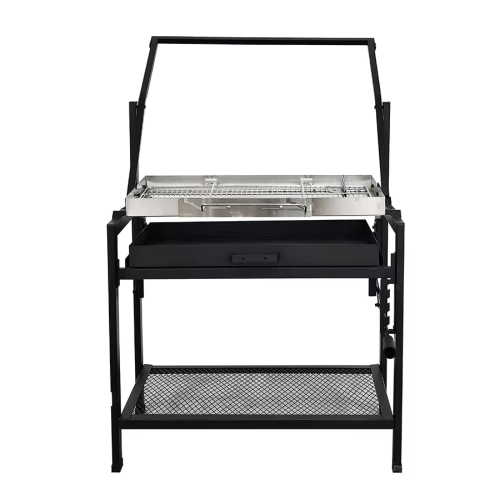
The outdoor dining industry has experienced unprecedented growth as consumers increasingly seek versatile entertainment solutions for their patios, decks, and backyards. Among the most transformative additions to outdoor cooking setups are grill tables, which seamlessly combine cooking functionality with practical workspace design. These innovative products have revolutionized how manufacturers approach outdoor kitchen equipment, offering customers comprehensive solutions that extend far beyond traditional standalone grills. Modern grill tables represent the convergence of culinary necessity and spatial efficiency, making them essential components in today's competitive outdoor dining market.
Market Positioning and Consumer Demand
Evolving Customer Expectations
Today's outdoor cooking enthusiasts demand more than basic grilling capabilities from their equipment investments. Consumers actively seek integrated solutions that maximize their outdoor living spaces while providing professional-grade cooking performance. Grill tables address these expectations by incorporating essential features like side tables, storage compartments, and tool organization systems directly into the cooking unit design. This integration eliminates the need for separate accessories while creating cohesive outdoor cooking environments that enhance both functionality and aesthetic appeal.
Market research consistently demonstrates that customers prioritize workspace availability when selecting outdoor cooking equipment. Traditional grills often leave users struggling with limited preparation areas, forcing them to shuttle between indoor kitchens and outdoor cooking spaces. Grill tables solve this challenge by providing dedicated surfaces for food preparation, serving, and tool storage immediately adjacent to the cooking area. This convenience factor significantly influences purchasing decisions, particularly among consumers who frequently entertain guests or prepare complex outdoor meals.
Premium Product Differentiation
Manufacturers leverage grill tables as premium product offerings that command higher price points while delivering enhanced customer value. These products typically feature superior construction materials, advanced cooking technologies, and thoughtful design elements that justify increased investment costs. The integrated table surfaces often incorporate weather-resistant materials like stainless steel, powder-coated aluminum, or treated hardwoods that maintain appearance and functionality across multiple seasons. This durability positioning appeals to quality-conscious consumers willing to invest in long-term outdoor cooking solutions.
The premium positioning strategy extends beyond material quality to encompass innovative features that distinguish grill tables from conventional alternatives. Many models integrate advanced temperature control systems, multiple cooking zones, and specialized storage solutions designed specifically for outdoor cooking accessories. These enhancements create clear value propositions that help retailers justify higher margins while providing customers with demonstrable benefits over basic grill alternatives.
Design Integration and Functionality
Workspace Optimization
Effective grill tables maximize available workspace through intelligent design approaches that consider both cooking workflow and space constraints. The most successful designs position side tables at optimal heights for food preparation while ensuring easy access to grilling surfaces and storage compartments. This ergonomic consideration reduces physical strain during extended cooking sessions while improving overall user experience. Strategic placement of work surfaces also enables efficient food handling practices that enhance both safety and cooking quality.
Modern designs incorporate modular elements that allow users to customize workspace configurations based on specific cooking requirements or available space limitations. Some models feature removable table sections, adjustable shelving, or expandable work surfaces that adapt to different entertainment scenarios. This flexibility appeals to consumers with varying outdoor space constraints while providing scalable solutions that grow with changing needs. The modular approach also simplifies manufacturing processes by allowing standardized components across multiple product variations.
Storage and Organization
Integrated storage solutions represent critical differentiators that separate premium grill tables from basic alternatives. Well-designed storage compartments accommodate essential cooking tools, seasonings, cleaning supplies, and fuel sources in organized, easily accessible locations. This organization capability transforms outdoor cooking from a logistically challenging activity into a streamlined culinary experience. Strategic storage placement also protects valuable accessories from weather exposure while maintaining convenient access during cooking operations.
Advanced storage designs often incorporate specialized compartments tailored to specific outdoor cooking requirements. These might include insulated sections for temperature-sensitive items, ventilated areas for charcoal or wood storage, and secure compartments for valuable cooking tools. The storage integration reduces setup time for outdoor cooking sessions while ensuring that essential items remain readily available throughout the cooking process. This convenience factor significantly enhances user satisfaction and encourages frequent product utilization.
Manufacturing and Production Considerations
Material Selection and Durability
Successful grill tables require careful material selection that balances durability, aesthetics, and cost considerations across all integrated components. The cooking surfaces typically utilize heavy-duty steel or cast iron construction to ensure consistent heat distribution and long-term performance. Table surfaces demand weather-resistant materials that maintain appearance and functionality despite continuous outdoor exposure. Stainless steel remains the preferred choice for premium applications, while powder-coated steel and aluminum alternatives provide cost-effective solutions for mid-market positioning.
Structural components must withstand significant weight loads from cooking equipment, food preparation activities, and storage contents while maintaining stability across various surface conditions. This requirement necessitates robust frame construction using materials like heavy-gauge steel tubing or reinforced aluminum extrusions. The frame design must also accommodate thermal expansion and contraction cycles that occur during cooking operations without compromising structural integrity or user safety. Quality manufacturers invest in engineering analysis to optimize material specifications for specific performance requirements.
Assembly and Installation Requirements
Consumer assembly requirements significantly influence product design decisions and market acceptance rates for grill tables. Manufacturers must balance structural integrity requirements with assembly complexity to ensure positive customer experiences during initial setup procedures. Successful designs minimize the number of assembly steps while providing clear instructions and quality fastening hardware. Pre-assembled subcomponents can reduce assembly time while maintaining manufacturing efficiency and quality control standards.
Installation considerations extend beyond initial assembly to encompass ongoing maintenance and seasonal storage requirements. Designs that facilitate easy disassembly for storage or relocation provide additional value for customers with limited year-round outdoor space. Modular construction approaches support these requirements while simplifying replacement procedures for worn or damaged components. This serviceability consideration enhances long-term customer satisfaction and reduces warranty-related service requirements.
Market Segmentation and Product Positioning
Residential Market Applications
Residential applications represent the primary market segment for grill tables, encompassing diverse consumer groups with varying needs, budgets, and outdoor space configurations. Suburban homeowners with dedicated patio or deck areas typically seek feature-rich models that provide comprehensive outdoor cooking capabilities. These customers often prioritize aesthetic integration with existing outdoor furniture while demanding professional-grade cooking performance. Urban consumers with limited outdoor space require compact designs that maximize functionality within constrained areas.
Family-oriented households represent a significant subsegment that values safety features, easy maintenance, and versatile cooking capabilities suitable for various meal types and group sizes. These customers often seek grill tables that accommodate both casual weeknight dinners and elaborate weekend entertainment scenarios. The product specifications must balance child safety considerations with adult convenience features to appeal effectively to this demographic segment.
Commercial and Hospitality Applications
Commercial applications for grill tables span restaurants, hotels, catering operations, and recreational facilities that require durable, high-performance outdoor cooking solutions. These environments demand superior construction quality, enhanced safety features, and compliance with commercial food service regulations. Commercial-grade models typically incorporate heavier materials, reinforced structural components, and professional cooking technologies that justify significantly higher price points compared to residential alternatives.
Hospitality applications often require customization options that align with specific brand aesthetics or operational requirements. Hotels and resorts may specify particular finishes, dimensions, or feature combinations that integrate seamlessly with existing outdoor dining areas. This customization capability provides manufacturers with opportunities to develop premium product lines while building long-term relationships with commercial customers who value quality and reliability.
Competitive Advantages and Market Differentiation
Innovation Opportunities
Continuous innovation drives competitive differentiation in the grill tables market, with successful manufacturers consistently introducing enhanced features that address evolving customer needs. Smart technology integration represents a growing opportunity area, incorporating features like digital temperature controls, smartphone connectivity, and automated cooking programs. These technological enhancements appeal to tech-savvy consumers while providing operational advantages that justify premium pricing strategies.
Sustainable design approaches offer additional differentiation opportunities as environmentally conscious consumers increasingly prioritize eco-friendly product choices. This might include recycled material utilization, energy-efficient cooking technologies, or modular designs that extend product lifecycles through component replacement rather than complete unit replacement. Sustainability positioning can command premium pricing while appealing to growing demographic segments that prioritize environmental responsibility.
Brand Building and Customer Loyalty
Strong brand positioning in the grill tables market requires consistent quality delivery, comprehensive customer support, and ongoing product innovation that maintains competitive advantages. Successful brands often develop complete outdoor cooking ecosystems that include complementary accessories, replacement parts, and upgrade options that encourage customer loyalty and repeat purchases. This ecosystem approach creates higher customer lifetime values while building barriers to competitive switching.
Customer education and support services represent critical brand building opportunities that extend beyond initial product sales. Comprehensive cooking guides, maintenance instructions, and recipe resources help customers maximize their investment while building positive brand associations. Social media engagement and outdoor cooking communities provide platforms for brand advocacy while generating valuable feedback for future product development initiatives.
FAQ
What are the key benefits of choosing grill tables over traditional standalone grills
Grill tables provide integrated workspace solutions that eliminate the need for separate preparation surfaces and storage solutions. They offer enhanced cooking efficiency through organized tool storage, convenient ingredient access, and streamlined workflow design. The integrated approach also provides better space utilization, especially valuable for consumers with limited outdoor areas, while typically offering superior construction quality and longer product lifecycles compared to basic grill alternatives.
How do grill tables enhance the outdoor dining experience for customers
Grill tables transform outdoor cooking from a logistically challenging activity into a convenient, organized culinary experience. The integrated design reduces setup and cleanup time while providing professional-grade cooking capabilities that enable more ambitious outdoor meal preparation. This enhanced functionality encourages more frequent outdoor cooking and entertaining, ultimately increasing customer satisfaction and product utilization rates throughout the ownership period.
What construction features should manufacturers prioritize for durability and longevity
Critical construction elements include weather-resistant materials for all exposed surfaces, robust frame design capable of supporting significant weight loads, and quality fastening hardware that maintains integrity through thermal cycling. Stainless steel or powder-coated finishes provide optimal corrosion resistance, while reinforced connection points ensure long-term structural stability. Modular design approaches can extend product lifecycles by enabling component replacement rather than complete unit replacement.
How can retailers effectively position grill tables in competitive outdoor cooking markets
Successful positioning emphasizes the integrated value proposition that grill tables provide compared to purchasing separate grills and accessories. Retailers should highlight space efficiency benefits, convenience features, and long-term cost advantages through comparative demonstrations and customer testimonials. Premium positioning strategies work best when supported by superior construction quality, comprehensive warranties, and ongoing customer support services that justify higher investment levels compared to basic alternatives.
Table of Contents
- Market Positioning and Consumer Demand
- Design Integration and Functionality
- Manufacturing and Production Considerations
- Market Segmentation and Product Positioning
- Competitive Advantages and Market Differentiation
-
FAQ
- What are the key benefits of choosing grill tables over traditional standalone grills
- How do grill tables enhance the outdoor dining experience for customers
- What construction features should manufacturers prioritize for durability and longevity
- How can retailers effectively position grill tables in competitive outdoor cooking markets