
 EN
EN



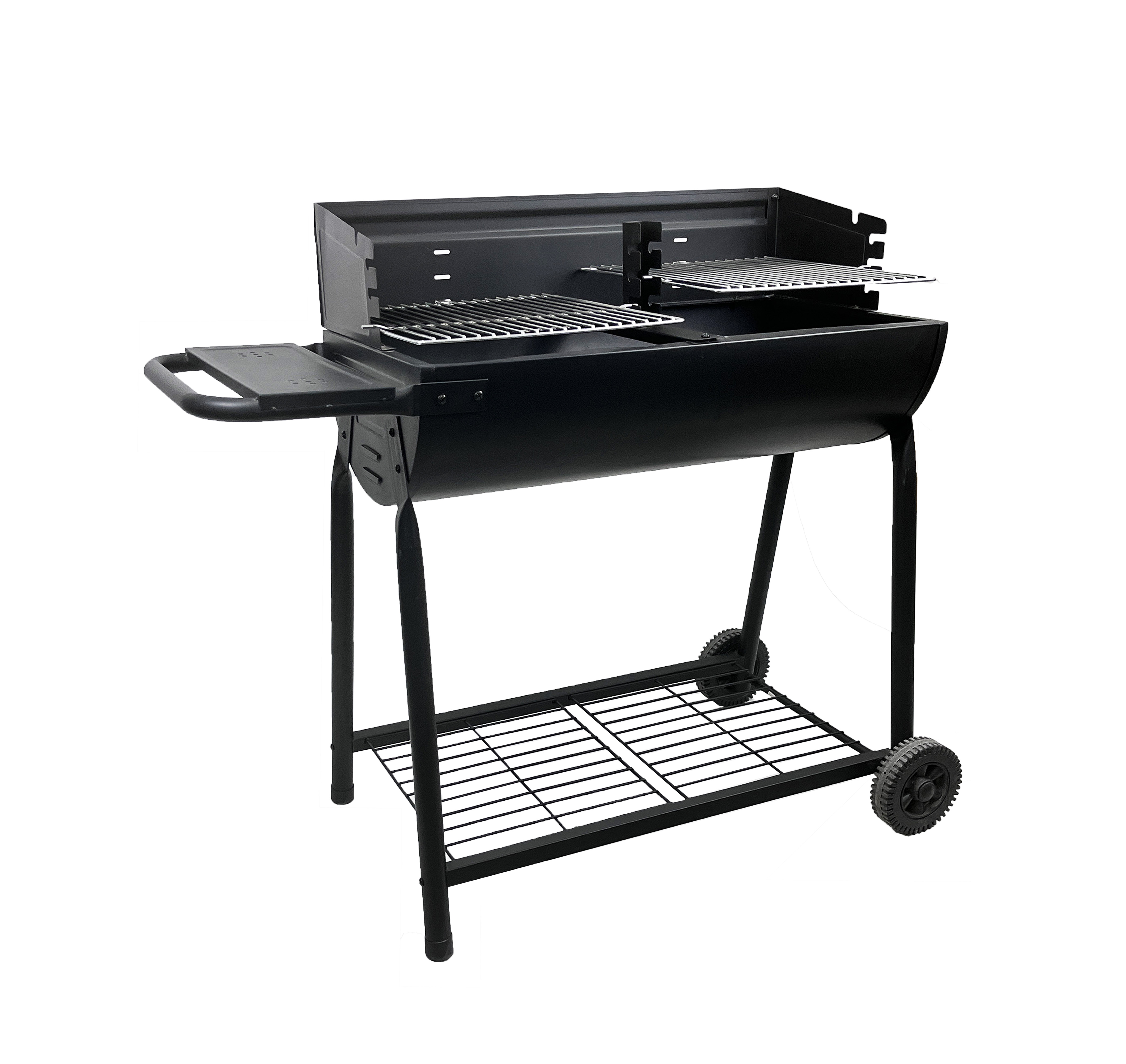
OEM BBQ stove production has become a cornerstone strategy for businesses seeking to establish distinctive brand identities in the competitive outdoor cooking market. This manufacturing approach allows companies to leverage specialized production expertise while maintaining complete control over their brand presentation, product specifications, and market positioning. Through OEM BBQ stove production partnerships, brands can access advanced manufacturing capabilities without the substantial investment required to build in-house production facilities, enabling them to focus resources on brand development and customer relationship building.

The strategic advantages of OEM BBQ stove production extend far beyond simple cost considerations, offering brands the flexibility to create unique product lines that reflect their specific vision and target market requirements. This manufacturing model supports custom branding initiatives by providing access to design customization, material selection, feature integration, and packaging solutions that align perfectly with brand standards. Companies utilizing OEM BBQ stove production can respond quickly to market trends, launch seasonal collections, and maintain consistent quality standards while building stronger customer loyalty through distinctive product offerings.
Strategic Foundation of OEM Manufacturing for Brand Development
Manufacturing Partnership Benefits
OEM BBQ stove production creates a strategic foundation that enables brands to achieve professional manufacturing results without developing internal production capabilities. These partnerships provide access to established supply chains, quality control systems, and technical expertise that would require years to develop independently. The manufacturing partner handles complex production logistics while the brand maintains full ownership of design specifications, quality standards, and market positioning strategies.
Through OEM BBQ stove production arrangements, companies can leverage economies of scale typically available only to large manufacturers while maintaining the agility of smaller operations. This approach allows brands to allocate capital toward marketing, distribution, and customer service initiatives rather than manufacturing infrastructure. The result is a more efficient business model that supports faster market entry and improved competitive positioning.
Brand Control and Customization Authority
The OEM BBQ stove production model preserves complete brand autonomy over product design, feature selection, and quality specifications. Brands can implement unique design elements, select premium materials, and incorporate innovative features that differentiate their products from standard offerings. This level of customization extends to packaging design, instruction materials, and warranty programs, ensuring consistent brand experience throughout the customer journey.
Manufacturing partners in OEM BBQ stove production typically offer extensive customization options including burner configurations, control panel layouts, surface finishes, and accessory integration. Brands can specify exact dimensions, weight requirements, and performance characteristics that align with their target market preferences. This comprehensive control over product specifications enables brands to create distinctive market positions while maintaining manufacturing efficiency.
Design Flexibility and Product Differentiation Strategies
Custom Design Implementation
OEM BBQ stove production facilitates extensive design customization that supports unique brand positioning and market differentiation. Manufacturing partners typically provide design engineering support that helps brands translate conceptual ideas into manufacturable products while maintaining cost effectiveness. This collaborative approach enables brands to implement innovative features, aesthetic elements, and functional improvements that distinguish their products from generic alternatives.
The design flexibility inherent in OEM BBQ stove production extends to structural modifications, component selection, and assembly configurations. Brands can specify unique burner arrangements, cooking surface materials, storage solutions, and mobility features that reflect their target customer preferences. Advanced OEM partners often provide 3D modeling, prototype development, and testing services that validate design concepts before full production implementation.
Material Selection and Quality Standards
Through OEM BBQ stove production, brands maintain complete authority over material specifications and quality standards that directly impact product performance and durability. This control enables brands to select premium stainless steel grades, advanced coating systems, and specialized components that enhance product longevity and cooking performance. Material selection decisions directly influence brand reputation and customer satisfaction levels.
Quality standards in OEM BBQ stove production can be tailored to exceed industry minimums, supporting premium positioning strategies and warranty programs. Brands can specify testing protocols, inspection procedures, and certification requirements that align with their quality commitments. This approach enables companies to build customer trust through consistent product reliability while maintaining competitive manufacturing costs.
Market Positioning and Brand Identity Development
Target Market Alignment
OEM BBQ stove production enables brands to develop products specifically designed for their target customer segments rather than accepting generic solutions. This alignment process involves analyzing customer preferences, usage patterns, and price sensitivity to create products that deliver optimal value propositions. Brands can implement features, aesthetics, and performance characteristics that resonate with specific demographic groups or usage scenarios.
The flexibility of OEM BBQ stove production supports market segmentation strategies by enabling brands to develop multiple product lines targeting different customer groups. Premium segments might receive products with advanced materials and sophisticated features, while value-oriented segments can access simplified designs that maintain quality standards at competitive price points. This strategic approach maximizes market coverage while preserving brand coherence.
Competitive Differentiation Through Innovation
OEM BBQ stove production partnerships often provide access to emerging technologies and innovative features that enhance competitive positioning. Manufacturing partners typically invest in research and development capabilities that individual brands cannot justify independently. These innovations can be integrated into custom products, providing brands with early access to market-advancing technologies.
Innovation opportunities in OEM BBQ stove production include advanced ignition systems, temperature control technologies, fuel efficiency improvements, and smart connectivity features. Brands can selectively incorporate these innovations based on their market positioning and customer expectations. This selective approach enables brands to maintain competitive relevance while controlling development costs and implementation timelines.
Production Scalability and Business Growth Support
Volume Flexibility Management
OEM BBQ stove production provides essential scalability advantages that support business growth across different market phases. Manufacturing partners typically offer flexible production volumes that accommodate seasonal demand fluctuations, market expansion initiatives, and promotional campaigns without requiring brands to maintain excess inventory or production capacity. This flexibility enables more efficient working capital management and reduced financial risk.
The scalability benefits of OEM BBQ stove production extend to product line expansion and geographic market development. Brands can test new markets with limited production runs, validate customer response, and scale successful products without significant infrastructure investments. This approach supports data-driven growth strategies while minimizing exposure to market uncertainties.
Supply Chain Integration Benefits
OEM BBQ stove production leverages established supply chains that provide cost advantages and reliability benefits unavailable to smaller independent operations. Manufacturing partners typically maintain relationships with component suppliers, raw material providers, and logistics services that deliver economies of scale and supply security. These established networks reduce procurement complexity and enhance production reliability.
Supply chain integration in OEM BBQ stove production also provides access to global sourcing capabilities and quality control systems. Manufacturing partners often maintain supplier qualification programs, quality assurance protocols, and performance monitoring systems that ensure consistent component quality. This infrastructure supports brand quality commitments while reducing supply chain management overhead.
Quality Control and Brand Protection Mechanisms
Production Quality Assurance
OEM BBQ stove production enables brands to implement comprehensive quality control systems that protect brand reputation and customer satisfaction. Manufacturing partners typically provide inspection protocols, testing procedures, and documentation systems that ensure products meet specified standards before shipment. These quality assurance mechanisms can be customized to reflect brand requirements and customer expectations.
Quality control in OEM BBQ stove production often includes incoming material inspection, in-process monitoring, and final product testing that validates performance characteristics and safety compliance. Brands can specify additional testing requirements, certification standards, and documentation procedures that support their quality commitments. This comprehensive approach ensures consistent product quality across all production runs.
Brand Protection and Intellectual Property
OEM BBQ stove production agreements typically include intellectual property protection provisions that safeguard brand designs, innovations, and proprietary features. These protections ensure that custom designs remain exclusive to the commissioning brand and prevent unauthorized reproduction or distribution. Manufacturing partners often provide non-disclosure agreements and exclusivity provisions that support brand protection objectives.
The brand protection mechanisms in OEM BBQ stove production extend to distribution control, geographic restrictions, and customer data security. Brands can maintain control over distribution channels, pricing strategies, and customer relationships while leveraging manufacturing expertise. This approach preserves brand integrity while accessing professional production capabilities.
FAQ
What minimum order quantities are typical for OEM BBQ stove production?
Most OEM BBQ stove production partners require minimum order quantities ranging from 100 to 500 units per design, depending on customization complexity and manufacturing efficiency considerations. Larger orders typically receive better pricing and more extensive customization options. Some manufacturers offer smaller pilot runs for initial market testing, though unit costs are generally higher for these limited production runs.
How long does the development process take for custom BBQ stoves?
The development timeline for OEM BBQ stove production typically ranges from 6 to 12 weeks, depending on design complexity, customization requirements, and approval processes. This timeline includes initial design consultation, prototype development, sample approval, and production setup. Brands should factor additional time for testing, certification requirements, and potential design modifications during the development process.
Can brands modify existing designs or only create completely new products?
OEM BBQ stove production offers flexibility for both approaches, with most manufacturers providing base designs that can be modified according to brand specifications. Common modifications include control panel layouts, finish options, burner configurations, and accessory integration. Completely custom designs are also possible but typically require higher minimum orders and longer development timelines to justify tooling and setup costs.
What quality certifications are available through OEM manufacturing?
OEM BBQ stove production partners typically provide access to various quality certifications including CSA, UL, CE, and other regional safety standards. Many manufacturers maintain certified testing facilities and quality management systems that support brand certification requirements. Brands should verify that their manufacturing partner can provide the specific certifications required for their target markets before beginning production partnerships.