
 EN
EN



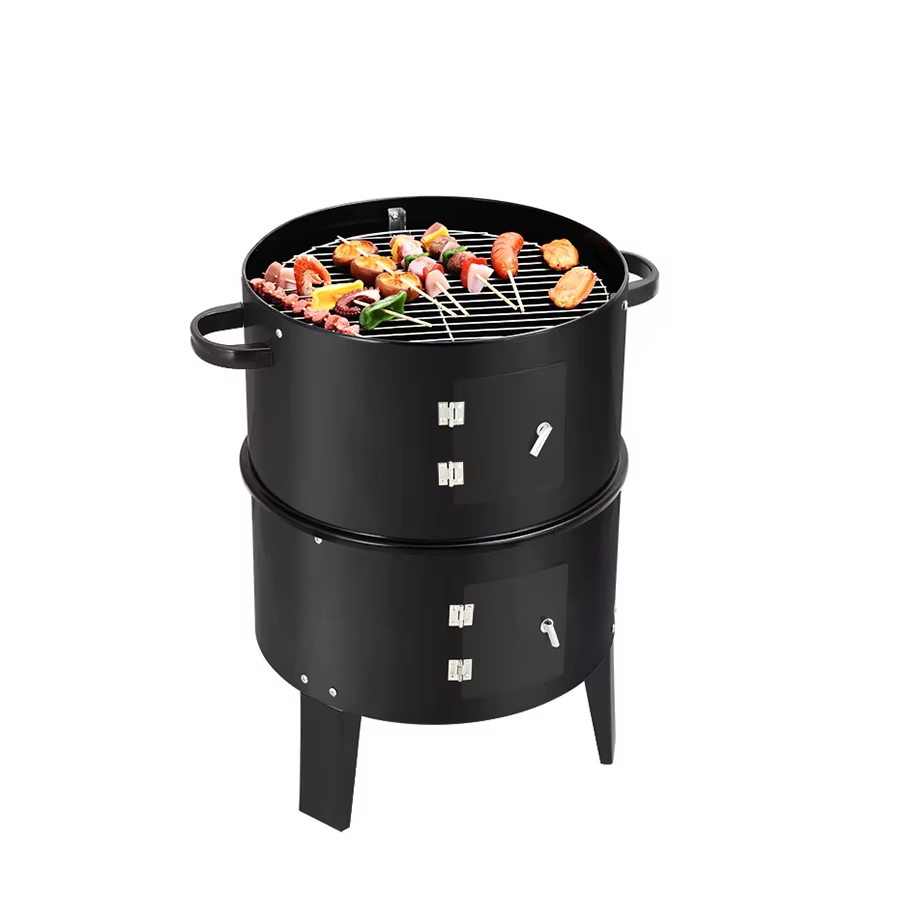
Selecting the right commercial BBQ stove for your restaurant, catering business, or outdoor food service operation requires careful evaluation of durability, performance, and operational demands. A commercial BBQ stove must withstand heavy daily use, maintain consistent heat output, and deliver reliable performance across extended service periods. Understanding the key factors that contribute to durability and functionality will help you make an informed investment that supports your business operations for years to come.

Commercial-grade BBQ stoves differ significantly from residential models in construction quality, heat capacity, and safety features. When choosing a commercial BBQ stove, you must consider factors such as cooking capacity, fuel efficiency, maintenance requirements, and compliance with commercial kitchen standards. The decision impacts not only your initial investment but also long-term operational costs, food quality consistency, and customer satisfaction levels.
Construction Quality and Material Specifications
Stainless Steel Grade Requirements
The foundation of any durable commercial BBQ stove lies in its construction materials. High-grade stainless steel, typically 304 or 316 grade, provides superior corrosion resistance and structural integrity under commercial use conditions. These steel grades withstand exposure to grease, cleaning chemicals, and temperature fluctuations without degrading or developing rust spots that compromise hygiene standards.
When evaluating a commercial BBQ stove, examine the thickness of the steel components, particularly in high-stress areas such as the firebox, grate supports, and door hinges. Thicker gauge steel provides better heat retention and structural stability, reducing warping and extending equipment lifespan. Quality manufacturers typically use 14-gauge or thicker steel for critical components, ensuring the unit maintains its shape and performance under intensive use.
Welding and Joint Integrity
Professional-grade welding techniques create seamless joints that prevent grease accumulation and facilitate thorough cleaning. Continuous welded seams eliminate gaps where bacteria could harbor, supporting food safety compliance requirements. Inspect weld quality carefully, looking for smooth, consistent beads without gaps, cracks, or rough edges that indicate substandard manufacturing processes.
The commercial BBQ stove frame and support structure must demonstrate robust joint construction capable of supporting heavy cooking loads and frequent movement. Reinforced corner joints and stress distribution points ensure the unit maintains structural integrity even when fully loaded with food products and subjected to daily transportation or repositioning within your kitchen facility.
Heat Distribution and Burner Performance
BTU Output and Heat Zones
Commercial BBQ stove performance depends heavily on adequate BTU output and even heat distribution across the cooking surface. Calculate your required BTU capacity based on cooking volume, food types, and service speed requirements. Most commercial applications require between 30,000 and 60,000 BTUs per burner to achieve proper searing temperatures and maintain consistent cooking performance during peak service periods.
Multi-zone heat control allows operators to manage different cooking requirements simultaneously, maximizing efficiency and food quality. Look for commercial BBQ stove models that offer independent burner controls, enabling precise temperature management for various food items. This flexibility reduces cooking times, improves food consistency, and allows your kitchen staff to handle multiple orders efficiently.
Burner Design and Flame Pattern
High-quality commercial BBQ stove burners feature engineered flame patterns that distribute heat evenly across the cooking surface. Tube burners with properly spaced ports create consistent flame coverage, eliminating hot spots and cold zones that cause uneven cooking results. Stainless steel burner tubes resist corrosion and maintain their shape under thermal stress, ensuring reliable performance over extended periods.
Consider commercial BBQ stove models with cast iron or stainless steel heat distributors that capture and redirect flame energy efficiently. These components improve fuel economy while providing the steady, radiant heat necessary for professional grilling applications. Quality heat distributors also protect burner tubes from grease drippings, extending component life and reducing maintenance requirements.
Safety Features and Compliance Standards
Gas Safety Systems
Commercial BBQ stove safety systems must meet stringent regulatory requirements for gas-fired equipment in professional kitchens. Automatic shut-off valves, flame failure protection, and pressure regulation systems prevent dangerous gas accumulation and ensure safe operation even during equipment malfunctions. These safety features protect your staff and facility while maintaining insurance compliance requirements.
Professional-grade gas connections and regulators provide stable fuel delivery while incorporating safety mechanisms that detect irregularities in gas flow or pressure. Quality commercial BBQ stove units include thermocouples or electronic ignition systems that automatically shut off gas supply if flame extinction occurs, preventing potentially hazardous situations in busy kitchen environments.
Ventilation and Emission Control
Proper ventilation integration capabilities ensure your commercial BBQ stove operates safely within your kitchen's exhaust system. Units designed for commercial use include features that facilitate connection to professional-grade hood systems, enabling effective smoke and grease vapor removal. This integration maintains air quality standards and prevents grease accumulation on surrounding surfaces.
Modern commercial BBQ stove designs incorporate grease management systems that channel drippings away from heat sources, reducing flare-ups and smoke production. Removable grease collection systems simplify cleaning procedures while maintaining sanitary conditions throughout service periods. These features support compliance with health department requirements and fire safety regulations.
Maintenance Requirements and Service Accessibility
Component Accessibility
Durable commercial BBQ stove design prioritizes easy access to critical components requiring regular maintenance or replacement. Removable cooking grates, drip pans, and burner assemblies enable thorough cleaning and inspection without requiring professional disassembly. This accessibility reduces maintenance costs and minimizes equipment downtime during cleaning cycles.
Quality commercial BBQ stove models feature modular component design that allows individual part replacement without affecting other systems. This approach reduces repair costs and enables quick restoration of full functionality when component failure occurs. Consider units with clearly marked service points and readily available replacement parts to ensure long-term serviceability.
Cleaning and Sanitation Features
Commercial kitchen environments demand rigorous cleaning standards that your commercial BBQ stove must accommodate. Smooth interior surfaces without crevices or joints where grease can accumulate facilitate thorough sanitization between service periods. Removable components should withstand commercial dishwasher temperatures and cleaning chemical exposure without degrading or losing their fit.
Look for commercial BBQ stove designs that minimize grease splatter and facilitate easy wipe-down of external surfaces. Sealed control panels and smooth exterior finishes prevent contamination while enabling quick cleaning procedures that maintain hygiene standards during busy service periods. These features reduce labor requirements while ensuring consistent sanitation compliance.
Operational Efficiency and Performance Features
Fuel Efficiency Considerations
Commercial BBQ stove fuel efficiency directly impacts operational costs and environmental compliance. High-efficiency burner designs maximize heat transfer while minimizing gas consumption, reducing utility expenses and supporting sustainability initiatives. Proper insulation and heat retention features prevent energy waste while maintaining cooking temperatures during extended use periods.
Consider commercial BBQ stove models with variable heat output controls that allow operators to adjust fuel consumption based on cooking requirements. This flexibility prevents waste during slower periods while ensuring adequate power availability during peak demand. Energy-efficient designs also reduce kitchen heat load, potentially lowering cooling costs in your facility.
Cooking Capacity and Workflow Integration
Evaluate commercial BBQ stove cooking surface dimensions and layout to ensure compatibility with your menu requirements and service volume. Adequate cooking space prevents bottlenecks during busy periods while providing flexibility for different food items and cooking methods. Consider mobile units with sturdy wheels if your operation requires equipment repositioning or outdoor service capabilities.
Professional commercial BBQ stove designs integrate seamlessly with existing kitchen workflows and equipment layouts. Standard height work surfaces and compatible utility connections enable efficient installation and operation within your facility. Consider units with side shelves or prep areas that support food preparation and plating activities adjacent to the cooking surface.
FAQ
What size commercial BBQ stove do I need for my restaurant?
Commercial BBQ stove sizing depends on your daily cooking volume, menu offerings, and peak service requirements. Calculate based on the number of items you need to grill simultaneously during busy periods. Most small restaurants require 36-48 inch units, while high-volume operations may need 60-72 inch commercial BBQ stove models with multiple cooking zones.
How often should a commercial BBQ stove be serviced?
Professional commercial BBQ stove maintenance should occur monthly for high-use operations, including deep cleaning, burner inspection, and gas connection checks. Daily cleaning of cooking surfaces and grease management systems prevents buildup that could affect performance or safety. Annual professional inspections ensure compliance with safety regulations and identify potential issues before they cause equipment failure.
Can a commercial BBQ stove be used indoors?
Yes, commercial BBQ stove units designed for indoor use can operate safely within properly ventilated commercial kitchens. These units must connect to approved exhaust systems and meet local fire safety codes. Outdoor-specific models may not have appropriate safety features for indoor operation, so verify the unit's certification and ventilation requirements before installation.
What warranty should I expect on a commercial BBQ stove?
Quality commercial BBQ stove manufacturers typically offer 1-3 year warranties on major components such as burners, frames, and control systems. Wear items like cooking grates and drip pans usually have shorter warranty periods. Extended warranties may be available for additional cost, providing protection against unexpected repair expenses during the unit's early operational years.