
 EN



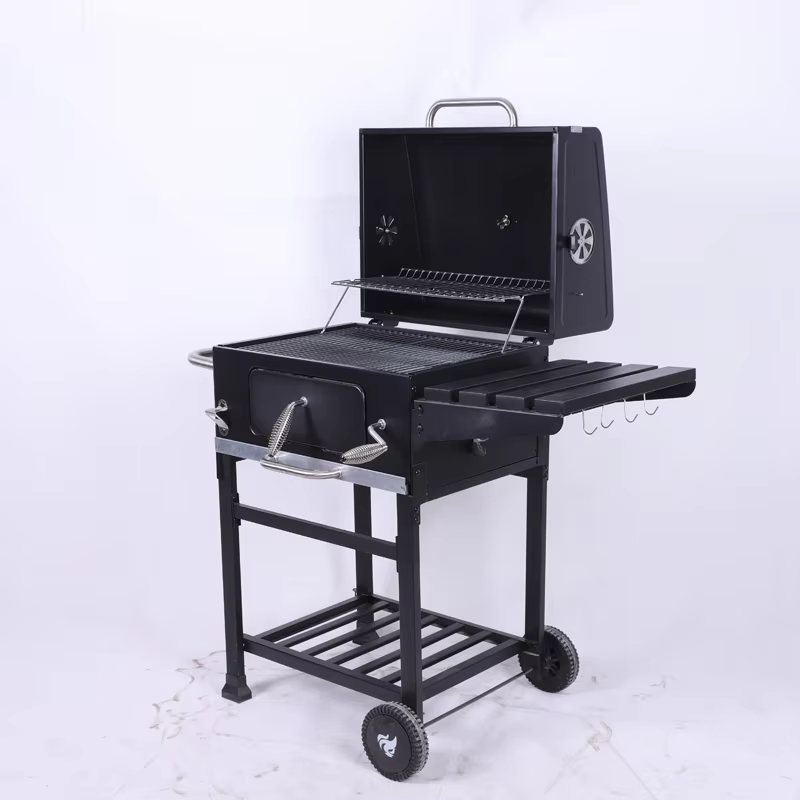
OEM production benefits a brand when the product is developed around its customers, positioning, and operating requirements. A charcoal barbecue is more than a cooking unit: its design, materials, portability, and packaging shape how buyers experience the brand. Working from a clear brief lets a business define those details before production and build a charcoal barbecue offer that has a distinct, consistent purpose.
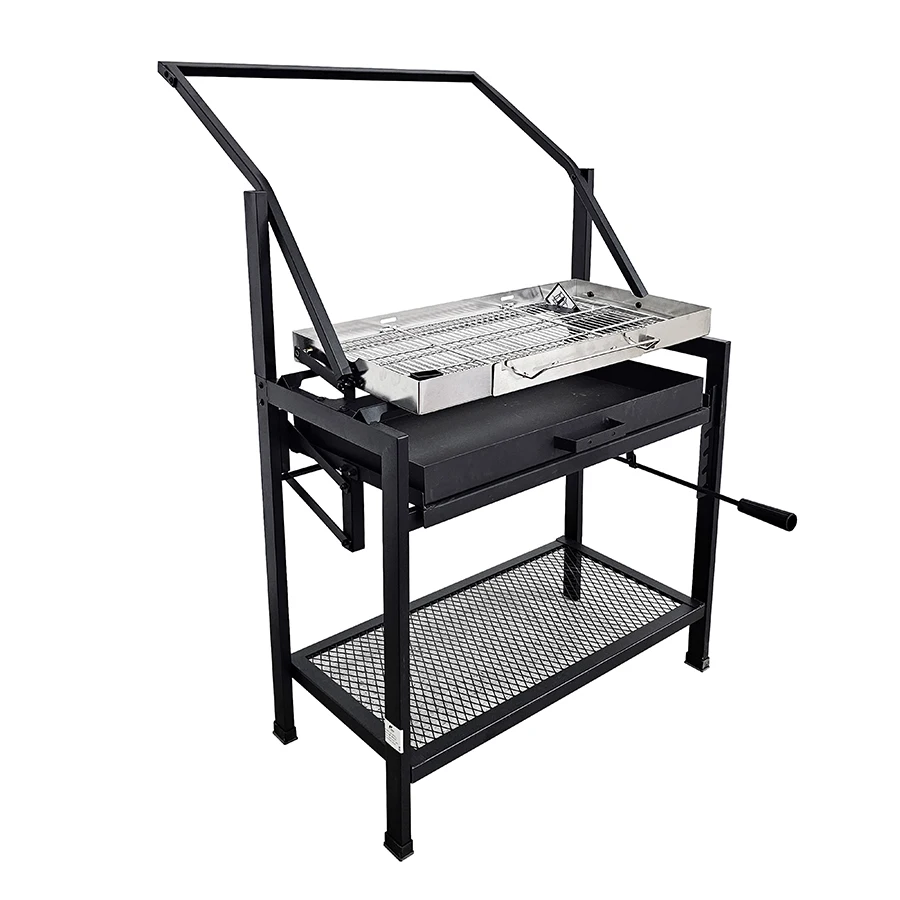
The advantage is not simply putting a logo on an existing grill. OEM collaboration can align a charcoal barbecue with the intended sales channel, user expectations, and price architecture. That alignment helps a brand make deliberate decisions about features and presentation, while setting requirements that production partners can understand and verify. The result is a more coherent product plan, not just a customized appearance.
Build a product around your brand strategy
Translate customer needs into specifications
A useful OEM project starts with the people who will use the product. A charcoal barbecue for campers may need compact storage and straightforward setup, while a model intended for patios can prioritize cooking area and stable placement. Turning those use cases into written requirements helps the design team focus on the features customers value, rather than adding details without a clear role.
Specifications also make brand promises more concrete. If portability is central to a charcoal barbecue range, dimensions, folded configuration, carrying method, and assembly steps should support that message together. A brand can assess how the product will be packed, displayed, and explained before approving a design. This connection between intended use and product details helps reduce gaps between marketing language and the item buyers receive.
Create differentiation beyond a logo
Visual identity matters, but lasting distinction usually comes from a considered combination of form and function. OEM work can give a charcoal barbecue a recognizable silhouette, coordinated finish, practical accessory approach, or packaging style consistent with the wider range. Each decision should be useful to the customer and feasible to produce, so differentiation does not become decoration that complicates the product.
A focused design brief helps teams preserve that balance. For a charcoal barbecue, the brand may define preferred materials, handling points, cooking configuration, and visual cues, then review samples against those requirements. A single relevant occurrence can be explored through this charcoal barbecue product example. The aim is a clear product identity customers can recognize, not novelty for its own sake.
Improve control across production and presentation
Set quality expectations before a production run
OEM production allows a brand to communicate acceptance criteria before manufacturing begins. For a charcoal barbecue, those criteria might address fit, finish, assembly, packaging condition, and the operation of specified components. Defined checks give production and inspection teams a shared reference, making it easier to identify issues consistently and resolve them before goods move into distribution.
Clear expectations are particularly helpful when a product has several parts or folding features. The brand should document how a charcoal barbecue is assembled, which details need inspection, and what information should accompany the product. Sample review can confirm whether the design and instructions match the brief. This does not eliminate every production risk, but it creates a practical framework for monitoring quality.
Keep the customer experience consistent
Consistency spans more than the item itself. A charcoal barbecue should arrive with packaging, instructions, and product information that reflect the same positioning customers saw online or in a catalogue. OEM planning gives the brand a chance to coordinate these elements, including terminology, visual treatment, and setup guidance, rather than treating them as separate tasks at the end of development.
That coordination can support retailers and customer-service teams as well. When product details are documented consistently, staff can explain how a charcoal barbecue is intended to be used and what is included. Accurate descriptions also help buyers choose a model suited to their needs. A well-managed handoff from development to sales reduces avoidable confusion and makes the brand experience feel more intentional.
Make the OEM process more commercially useful
Plan costs, packaging, and channel fit together
Commercial decisions are strongest when product design and channel requirements are considered at the same time. A charcoal barbecue for e-commerce may need packaging that protects components and supports parcel handling, while retail presentation may call for clearer shelf-facing information. Reviewing dimensions, packing configuration, and included parts early can help a brand assess how the product fits its planned route to market.
Cost planning should also reflect the full offer rather than the grill alone. For a charcoal barbecue, packaging, accessories, instructions, inspection, and shipment preparation can affect the landed product plan. Teams can compare design options against target price and expected customer value before settling specifications. This makes trade-offs visible and helps prevent late changes that disrupt timing or dilute the product proposition.
Build a repeatable development workflow
A disciplined OEM workflow moves from market brief to specifications, design review, sample evaluation, production approval, and post-launch feedback. Each stage should have an owner and a decision point. For a charcoal barbecue, teams can record which requirements are essential, what evidence is needed for approval, and which issues must be corrected before production proceeds.
After launch, feedback can inform the next revision without abandoning the original strategy. Retail questions, returns, reviews, and service requests may reveal where a charcoal barbecue needs clearer instructions or a more useful configuration. Documenting changes gives future production runs a reliable reference. Over time, this learning loop helps the brand maintain product identity while responding to real customer needs.
FAQ
What can an OEM brand customize?
Customization may cover dimensions, materials, finish, features, packaging, and product information, depending on project scope. For a charcoal barbecue, the brand should prioritize changes that serve a defined user need and can be specified clearly. Confirm feasibility, sampling expectations, and approval criteria before finalizing the design.
How does OEM production support brand consistency?
A documented brief links product details with brand positioning, packaging, instructions, and sales content. When teams use the same approved specifications, a charcoal barbecue is more likely to match the intended customer experience across channels. Regular sample and quality reviews help maintain that alignment through production.
What should a brand prepare before requesting OEM production?
Prepare the target customer, intended use, channel, price expectations, essential features, packaging needs, and quality requirements. Clear priorities help a production team assess a charcoal barbecue concept and identify open questions. A focused brief makes design reviews more productive and supports realistic decisions about timing and scope.