
 EN



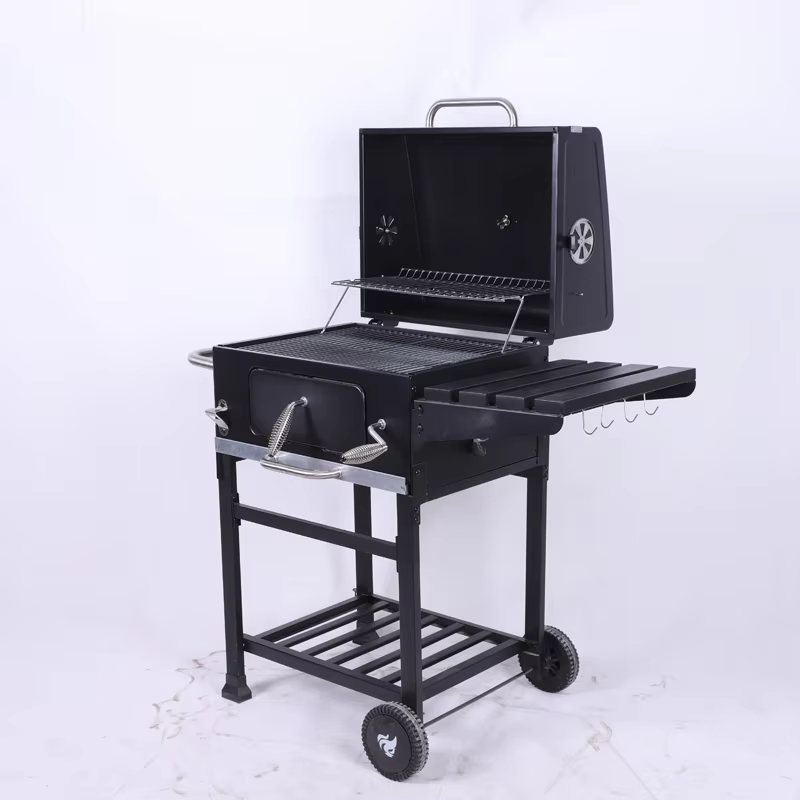
Across global retail markets, a charcoal barbecue appeals because it offers more than a way to cook outdoors. Customers value the distinctive smoky flavor, the hands-on ritual of preparing a fire, and the social experience around the grill. For retailers, understanding why a charcoal barbecue attracts buyers helps shape relevant assortments, product information, and seasonal planning. Its appeal is broad, but the reasons behind a charcoal barbecue purchase can vary by household, climate, living space, and cooking habits.
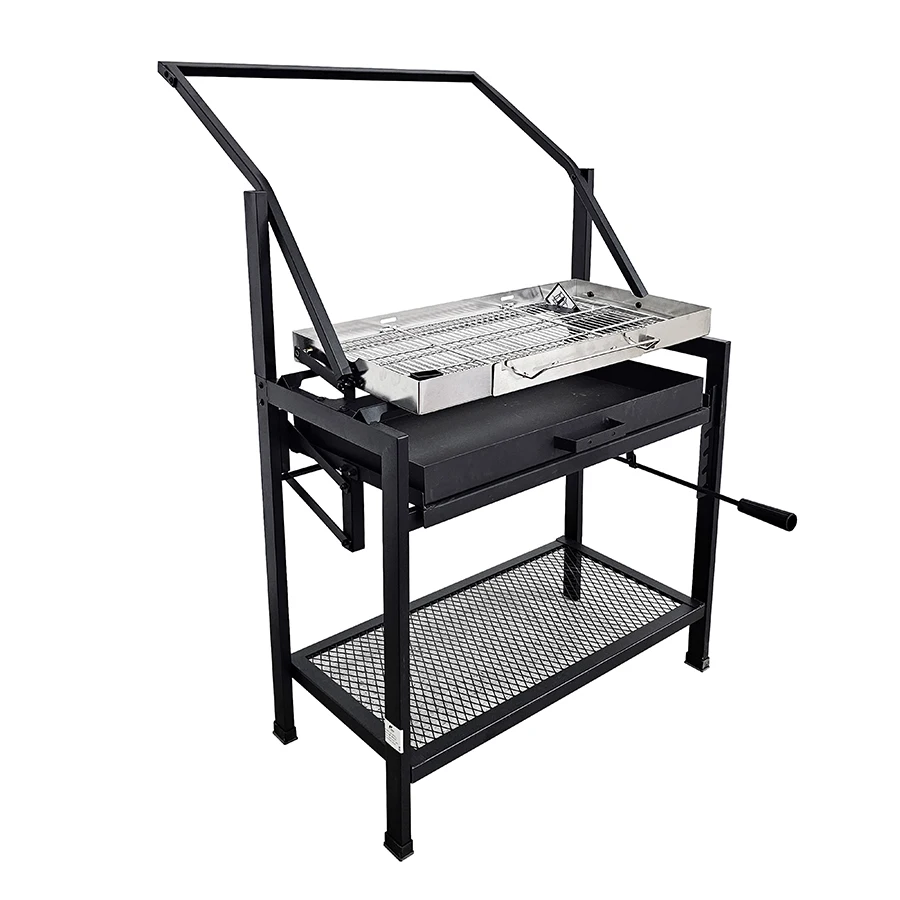
The category continues to connect with customers who want outdoor cooking to feel participatory and adaptable. A charcoal barbecue can suit a family gathering, a garden meal, or a simple weekend cookout, while different formats serve different spaces and routines. Retailers can explain these distinctions to make shopping decisions easier. When the reasons for choosing a charcoal barbecue are clear, product pages and in-store guidance can focus on customer needs rather than generic claims.
Cooking experience and social appeal
Flavor and the craft of live-fire cooking
A central reason customers choose a charcoal barbecue is the flavor associated with cooking over burning fuel. Smoke, heat, and food juices combine during cooking, giving grilled ingredients a character many shoppers actively seek. Buyers may also enjoy tending the coals and adjusting food over the heat. Retailers can describe this experience clearly, while avoiding promises that every dish will taste the same. A charcoal barbecue is attractive partly because cooking feels personal, not entirely automated.
That participation can make an outdoor meal feel like an event. Lighting the fuel, waiting for suitable heat, and sharing cooking duties create a slower rhythm than preparing food indoors. For customers who value the process, a charcoal barbecue is both cooking equipment and a reason to gather. Retail content can show how the format supports casual occasions, while also setting realistic expectations about preparation, temperature management, and cleanup. This practical framing helps buyers decide whether the experience fits their routine.
Shared meals and outdoor occasions
A charcoal barbecue naturally fits social settings because it places cooking where guests can gather. Customers may use one for family meals, small celebrations, or informal entertaining, making the purchase relevant beyond a single cooking task. Retailers can connect the charcoal barbecue to these occasions through useful descriptions of capacity, setup, and suitable outdoor spaces. Clear details help shoppers picture how the product might work at home, rather than relying on broad lifestyle language alone.
The social benefit also supports gifting and seasonal demand. Shoppers may consider a charcoal barbecue when planning for warmer weather, a new home, or outdoor leisure, while others replace equipment ahead of regular use. These motivations can differ across regions, so retailers should use local sales patterns and customer questions when planning promotions. Presenting a charcoal barbecue as a practical option for shared meals gives customers a reason to explore the category without implying that it suits every household.
Product flexibility across retail markets
Formats for different spaces and routines
Global customers do not all have the same outdoor space. Some need a substantial cooker for a garden, while others look for a compact design that is easier to store or transport. A charcoal barbecue range can address these differing needs when product dimensions, weight, assembly, and storage requirements are stated plainly. Retailers serving apartment residents, campers, and homeowners should make those distinctions visible. A well-described charcoal barbecue helps a shopper judge fit before purchase.
Portability can matter to customers who cook away from home, but a compact product still needs to match the intended setting and local safety guidance. Retailers should explain how a charcoal barbecue is assembled, where it may be used, and how it should be handled after cooking. Practical details such as cooking area and fuel access help customers compare formats according to their actual plans. Clear information builds confidence without making unsupported claims about performance or convenience.
Seasonality, culture, and local preferences
The appeal of a charcoal barbecue is shaped by local food traditions, climate, and outdoor habits. In some markets, grilling is part of frequent family entertaining; elsewhere, demand may concentrate around holidays or particular seasons. Retailers can account for these differences by reviewing regional search behavior, sales history, and customer feedback. This makes charcoal barbecue merchandising more relevant than applying one global message everywhere.
Fuel availability and housing patterns also influence what customers consider practical. Shoppers may ask about storage, ventilation, cleaning, or the space needed to operate a charcoal barbecue responsibly. Helpful product content should address these questions and direct customers to follow applicable instructions and regulations. When retailers tailor guidance to local use cases, they can make a charcoal barbecue easier to evaluate for customers with different levels of experience.
Retail considerations that turn interest into confidence
Clear information and realistic expectations
Interest alone does not complete a purchase. Customers need to understand how a charcoal barbecue is used, what preparation it requires, and what accessories or fuel may be needed. Retail product pages can explain the basic cooking process, maintenance expectations, and safe handling in direct language. Accurate specifications, including materials and dimensions, help shoppers compare options. For a charcoal barbecue, useful information is often more persuasive than a broad claim about lifestyle or quality.
Retailers should also set expectations about time and attention. Charcoal cooking typically involves lighting fuel and managing heat, so it may not suit someone seeking immediate, highly controlled cooking. Explaining this trade-off helps customers select a charcoal barbecue that matches their habits and reduces avoidable disappointment. Instructions should be clear and consistent with product guidance, particularly around outdoor placement, hot surfaces, and extinguishing coals safely.
Merchandising around customer motivations
Effective merchandising connects product features to customer motivations. A shopper interested in flavor may need information about cooking style, while a camper may prioritize size, portability, and storage. Retailers can organize charcoal barbecue content around these use cases through descriptive copy, relevant imagery, and straightforward specifications. This approach makes the category easier to navigate and helps customers identify which details matter for their purchase.
Retail teams can use recurring questions to improve both assortment planning and customer support. If shoppers frequently ask whether a charcoal barbecue fits a small patio or how much assembly is involved, that information should be easy to find. Reviewing customer feedback and returns can also reveal mismatches between expectations and product details. A charcoal barbecue offer becomes more compelling when its intended use, limitations, and care needs are presented honestly.
FAQ
Why do customers prefer a charcoal barbecue for outdoor cooking?
Many customers value the smoky flavor, live-fire cooking process, and social atmosphere. A charcoal barbecue can make preparing a meal feel like a shared activity, although the hands-on process and preparation time may not suit every cook.
What should retailers explain about a charcoal barbecue?
Retailers should provide accurate information on dimensions, cooking area, setup, storage, care, and safe use. Explaining how a charcoal barbecue fits particular spaces and routines helps customers make informed decisions.
Does a charcoal barbecue suit every customer?
No. Customers should consider available outdoor space, local rules, fuel access, and their willingness to manage heat and cleanup. A charcoal barbecue is most suitable when its cooking style and care requirements match the buyer's plans.