
 EN
EN



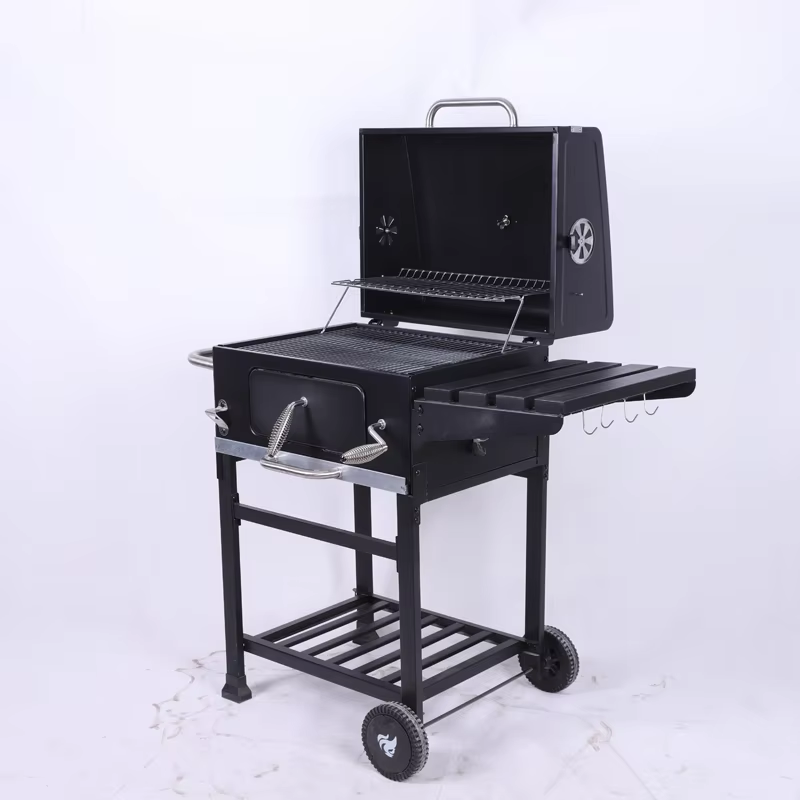
Selecting the right BBQ stove for commercial applications requires careful consideration of durability, performance, and operational efficiency. Restaurant owners, catering services, and outdoor event organizers must invest in equipment that can withstand heavy daily use while delivering consistent cooking results. A commercial-grade BBQ stove represents a significant investment that directly impacts food quality, customer satisfaction, and long-term profitability. Understanding the key factors that distinguish professional-grade equipment from residential alternatives is essential for making an informed purchasing decision.

Essential Features of Commercial BBQ Stoves
Heavy-Duty Construction Materials
Commercial BBQ stoves must be built with premium materials that can endure continuous operation and frequent cleaning cycles. Stainless steel construction provides superior corrosion resistance and maintains structural integrity under extreme heat conditions. The thickness of metal components directly correlates with durability, as heavier gauge materials resist warping and maintain even heat distribution. Professional-grade BBQ stove units typically feature reinforced frames and heavy-duty casters that support substantial weight while enabling easy mobility across commercial kitchen spaces.
Cast iron grates offer exceptional heat retention properties and develop natural non-stick surfaces over time through proper seasoning. These grates distribute heat evenly across cooking surfaces, ensuring consistent results regardless of food placement. Quality welding techniques and precision manufacturing processes contribute to the overall longevity of commercial BBQ stove systems, reducing maintenance requirements and operational downtime.
High-Performance Burner Systems
The burner configuration significantly impacts cooking versatility and fuel efficiency in commercial BBQ stove applications. Multiple independent burners allow operators to create different temperature zones, accommodating various cooking techniques simultaneously. High BTU output ensures rapid heating capabilities and maintains consistent temperatures even during peak service periods. Quality gas valves and control knobs provide precise temperature regulation, enabling chefs to achieve optimal cooking conditions for different menu items.
Professional BBQ stove units often incorporate advanced ignition systems that ensure reliable startup performance in demanding commercial environments. Electronic ignition eliminates the need for pilot lights, reducing gas consumption and improving operational safety. Burner placement and design affect heat distribution patterns, influencing cooking uniformity and overall food quality outcomes.
Capacity and Size Considerations
Determining Cooking Surface Requirements
Calculating the appropriate cooking surface area for your commercial BBQ stove depends on peak service volume and menu complexity. High-volume restaurants require extensive grilling space to accommodate multiple orders simultaneously without compromising food quality or service speed. Consider the largest cooking items your establishment serves, as well as the number of portions typically prepared during busy periods. A properly sized BBQ stove maximizes operational efficiency while preventing overcrowding that can lead to uneven cooking results.
Multi-level cooking surfaces expand capacity without increasing floor space requirements, making them ideal for compact commercial kitchens. Warming racks and side preparation areas enhance workflow efficiency by providing dedicated spaces for food holding and ingredient preparation. The configuration of cooking zones should align with your specific menu requirements and service style preferences.
Space Planning and Installation Requirements
Commercial BBQ stove installations must comply with local building codes and ventilation requirements. Adequate clearance distances from combustible materials ensure safe operation and prevent fire hazards. Professional installation by certified technicians guarantees proper gas connections and exhaust hood integration. Consider future expansion needs when selecting equipment dimensions, as upgrading to larger units may require significant kitchen modifications.
Mobile BBQ stove units offer flexibility for outdoor catering events and seasonal operations. Heavy-duty wheels and locking mechanisms enable easy transportation while maintaining stability during cooking operations. Weather-resistant covers and storage accessories protect equipment during transport and outdoor use, extending service life and maintaining performance standards.
Performance and Efficiency Factors
Heat Distribution Technology
Advanced heat distribution systems in commercial BBQ stoves ensure uniform cooking temperatures across entire grilling surfaces. Radiant heat plates and flavorizer bars protect burners from grease drippings while creating distinctive grill marks and enhancing food flavor profiles. Proper airflow design prevents hot spots and maintains consistent heat output, reducing cooking time variations and improving food quality consistency.
Infrared heating elements provide intense, even heat that sears proteins effectively while retaining moisture content. These systems reach optimal cooking temperatures faster than conventional burners, improving kitchen efficiency during busy service periods. Temperature monitoring systems help operators maintain precise cooking conditions, ensuring food safety compliance and optimal flavor development.
Fuel Efficiency and Operating Costs
Energy-efficient BBQ stove designs reduce operational costs through optimized fuel consumption rates. Insulated cooking chambers retain heat more effectively, requiring less energy to maintain desired temperatures. High-efficiency burners convert fuel more completely, maximizing heat output while minimizing waste. Regular maintenance procedures, including burner cleaning and calibration, maintain peak efficiency levels throughout the equipment's service life.
Natural gas connections typically offer lower operating costs compared to propane systems in high-volume commercial applications. However, propane-powered BBQ stove units provide greater installation flexibility and portability advantages. Calculate long-term fuel costs based on projected usage patterns to determine the most economical fuel option for your specific operation.
Safety and Maintenance Features
Built-in Safety Systems
Commercial BBQ stoves incorporate multiple safety features to protect operators and prevent accidents in busy kitchen environments. Automatic shut-off valves detect flame failure and immediately stop gas flow, preventing dangerous gas accumulation. Grease management systems channel drippings away from heat sources, reducing flare-up risks and maintaining cleaner cooking conditions. Safety certifications from recognized testing organizations validate equipment compliance with industry standards.
Heat shields and insulated surfaces minimize burn risks during normal operation and maintenance procedures. Emergency shut-off controls should be easily accessible to all kitchen staff members. Regular safety training ensures proper equipment operation and emergency response procedures, creating a safer work environment for all personnel.
Maintenance Accessibility and Procedures
Design features that facilitate routine maintenance extend equipment life and maintain optimal performance levels. Removable components, including grates and drip pans, enable thorough cleaning without special tools or extensive disassembly. Access panels provide easy reach to internal components for inspection and servicing. Detailed maintenance schedules help operators track cleaning intervals and component replacement requirements.
Quality BBQ stove manufacturers provide comprehensive operation manuals and maintenance guides specific to their equipment models. Professional service support ensures proper repairs and parts availability throughout the equipment's operational life. Preventive maintenance programs reduce unexpected breakdowns and extend equipment longevity, protecting your investment and minimizing operational disruptions.
Brand Reputation and Warranty Considerations
Manufacturer Track Record
Established manufacturers with proven track records in commercial foodservice equipment provide greater assurance of product quality and long-term support. Research customer reviews and industry ratings to evaluate real-world performance experiences with specific BBQ stove models. Professional chef recommendations and industry awards indicate superior product design and reliability standards. Manufacturer facilities and quality control processes directly impact final product consistency and performance characteristics.
Company stability and market presence affect parts availability and service support throughout the equipment's operational life. Choose manufacturers with extensive dealer networks and authorized service centers in your geographic area. This ensures timely repairs and maintenance support when needed, minimizing operational downtime and maintaining service quality standards.
Warranty Coverage and Support Services
Comprehensive warranty coverage demonstrates manufacturer confidence in their BBQ stove products and provides financial protection against defects or premature failures. Compare warranty terms across different models, paying attention to coverage duration and included components. Labor coverage for repairs can significantly reduce total ownership costs, especially for complex commercial equipment installations.
Technical support services help operators maximize equipment performance and troubleshoot operational issues. Training programs for kitchen staff ensure proper equipment operation and extend component life through correct usage practices. Replacement parts availability affects long-term maintenance costs and equipment reliability, making supplier support capabilities an important selection factor.
Cost Analysis and Return on Investment
Initial Purchase Price Factors
Commercial BBQ stove pricing varies significantly based on construction quality, features, and brand reputation. Premium materials and advanced features command higher prices but typically provide better long-term value through extended service life and improved performance. Consider total cost of ownership rather than initial purchase price alone when evaluating different equipment options. Financing options and lease programs can make higher-quality equipment more accessible for smaller operations.
Bundle pricing for complete cooking systems may offer cost advantages compared to purchasing individual components separately. Professional installation services, while adding to initial costs, ensure proper setup and optimal performance from day one. Factor in delivery charges, installation fees, and initial training costs when calculating total acquisition expenses.
Long-term Value and Operational Benefits
Quality commercial BBQ stoves generate positive returns through improved food quality, increased cooking capacity, and enhanced operational efficiency. Faster cooking times and consistent results improve customer satisfaction and enable higher table turnover rates. Energy-efficient models reduce utility costs and contribute to environmental sustainability goals. Reliable equipment minimizes service disruptions and maintains revenue consistency during peak business periods.
Resale value considerations become important for businesses that regularly update their equipment or plan future relocations. Well-maintained commercial BBQ stove units from reputable manufacturers retain value better than budget alternatives. Document maintenance records and preserve original documentation to maximize resale potential when upgrading to newer models.
FAQ
What size BBQ stove do I need for my restaurant
The appropriate size depends on your peak service volume and menu requirements. Calculate the number of portions you need to prepare simultaneously during busy periods. A good rule of thumb is to allow approximately 75-100 square inches of cooking surface per simultaneous order. Consider future growth plans and seasonal variations in demand when making your selection. Consult with equipment dealers who can assess your specific operational needs and recommend appropriate sizing.
How often should commercial BBQ stoves be professionally serviced
Professional servicing should occur at least annually, with more frequent inspections for high-volume operations. Daily cleaning and weekly deep cleaning maintain optimal performance between professional services. Gas connections, burner calibration, and safety systems require regular professional attention to ensure compliance with safety regulations. Establish a preventive maintenance schedule with qualified service technicians to prevent unexpected breakdowns and maintain warranty coverage.
Can I convert my BBQ stove between natural gas and propane
Many commercial BBQ stoves can be converted between fuel types using manufacturer-approved conversion kits. This process requires professional installation to ensure proper orifice sizing and pressure regulation. Check with the manufacturer before purchasing to confirm conversion capability and kit availability. Some models are designed for specific fuel types and cannot be safely converted, so verify compatibility before making fuel infrastructure decisions.
What safety certifications should I look for in commercial BBQ equipment
Look for certifications from recognized testing organizations such as NSF International, UL (Underwriters Laboratories), or ETL. These certifications verify compliance with commercial foodservice safety standards and local building codes. Gas equipment should carry appropriate ANSI certifications for commercial applications. Verify that the specific model you're considering carries current certifications, as requirements may change over time or vary by geographic location.