
 EN
EN



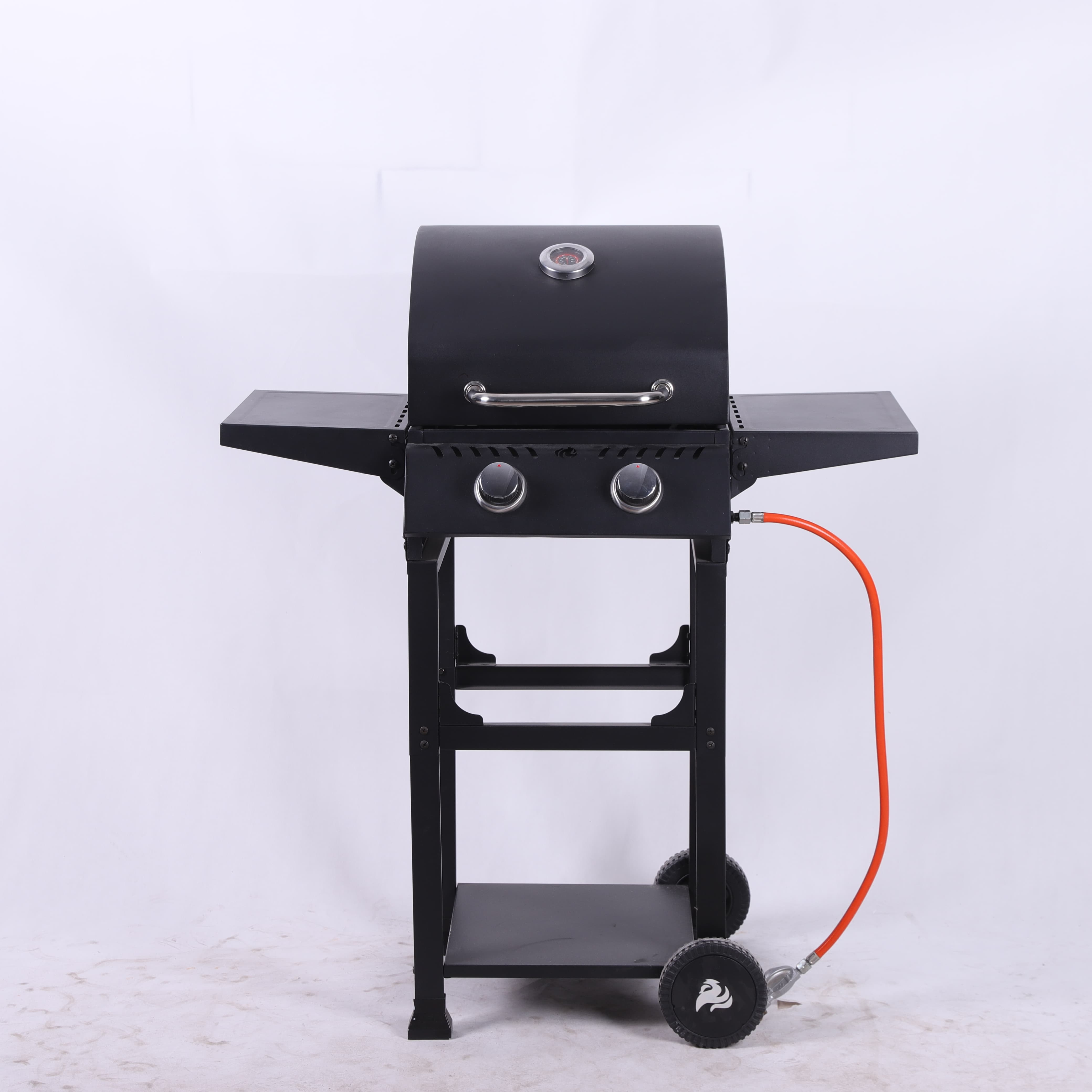
The global demand for outdoor cooking equipment has surged dramatically, making BBQ grills one of the most sought-after products in the consumer goods market. For businesses looking to capitalize on this trend, sourcing BBQ grills from China presents an exceptional opportunity to access high-quality products at competitive prices. Chinese manufacturers have established themselves as industry leaders, combining advanced production capabilities with cost-effective manufacturing processes that deliver exceptional value to international buyers.
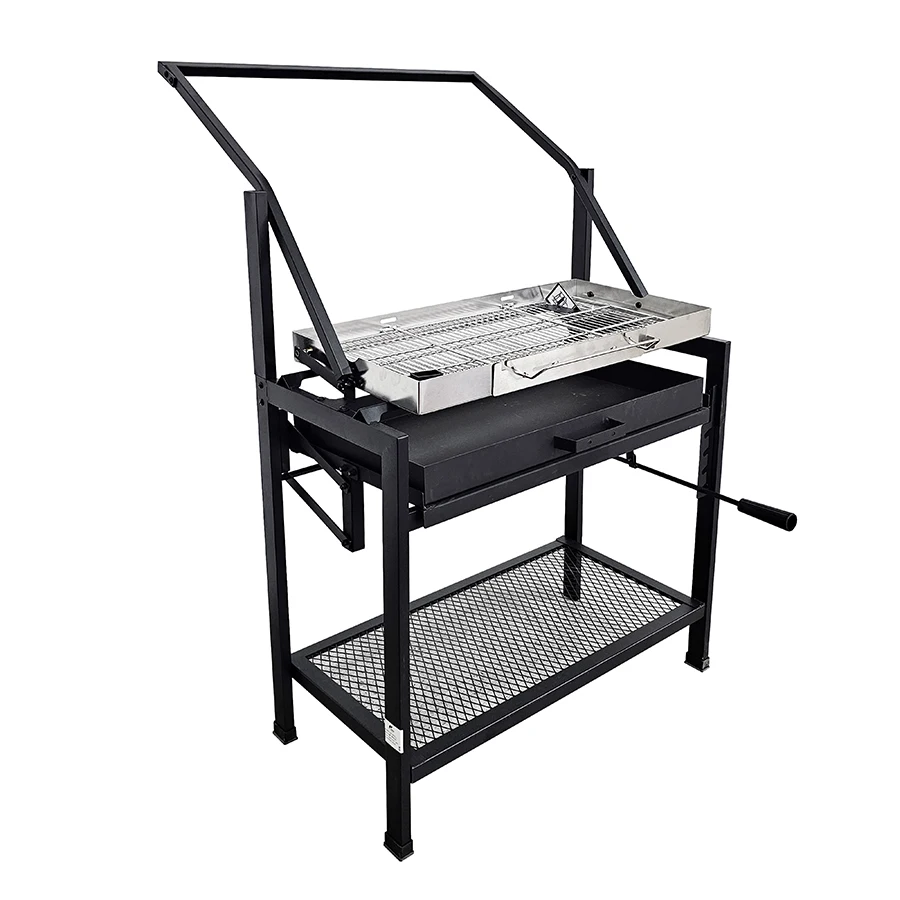
China's dominance in the BBQ grill manufacturing sector stems from decades of industrial development and technological advancement. The country's manufacturers have perfected production techniques for both gas and charcoal grills, offering diverse product lines that cater to various market segments. When sourcing BBQ grills from China, businesses can expect to find innovative designs, durable construction, and competitive pricing that enables profitable retail operations in domestic and international markets.
Understanding the intricacies of Chinese manufacturing processes and supplier relationships becomes crucial for successful procurement. The vast network of factories across different provinces specializes in various aspects of grill production, from basic portable units to sophisticated outdoor cooking systems. This comprehensive ecosystem allows buyers to find precise matches for their specific requirements while maintaining quality standards and delivery schedules.
Understanding the Chinese BBQ Grill Manufacturing Landscape
Major Production Hubs and Regional Specializations
China's BBQ grill manufacturing is concentrated in several key regions, each offering distinct advantages and specializations. Guangdong Province, particularly around Foshan and Zhongshan, serves as the primary hub for high-end gas grills and sophisticated outdoor cooking equipment. These areas benefit from established supply chains, skilled workforce, and proximity to major ports for efficient export operations.
Zhejiang Province has emerged as a significant producer of charcoal grills and portable BBQ equipment. Factories in this region excel at producing cost-effective solutions without compromising quality, making them ideal partners for businesses targeting price-sensitive markets. The concentration of manufacturers in these areas creates competitive environments that drive innovation and maintain reasonable pricing structures.
Jiangsu Province focuses primarily on commercial-grade BBQ grills from China, serving restaurants, catering businesses, and hospitality industries. The region's manufacturers have developed expertise in heavy-duty construction and industrial-grade materials that withstand intensive commercial use. Understanding these regional specializations helps buyers identify the most suitable suppliers for their specific product requirements.
Manufacturing Capabilities and Technology Integration
Chinese BBQ grill manufacturers have invested heavily in modern production equipment and quality control systems. Advanced stamping machines, precision welding equipment, and automated assembly lines ensure consistent product quality across large production runs. Many factories have implemented lean manufacturing principles that reduce waste and improve efficiency while maintaining strict quality standards.
The integration of computer-aided design and manufacturing systems allows Chinese suppliers to rapidly prototype new designs and accommodate custom specifications. This technological capability enables businesses to source unique products or modify existing designs to meet specific market requirements. Quality management systems, including ISO certifications and international safety standards compliance, demonstrate the maturity of China's manufacturing infrastructure.
Research and development facilities within major manufacturing groups continuously work on improving existing products and developing new technologies. These innovations include enhanced heat distribution systems, improved fuel efficiency mechanisms, and advanced safety features that meet evolving international regulations and consumer preferences.
Types of BBQ Grills Available from Chinese Suppliers
Gas Grill Varieties and Features
Chinese manufacturers produce extensive ranges of gas-powered BBQ grills suitable for residential and commercial applications. Single-burner portable units offer compact solutions for camping and small-scale outdoor cooking, while multi-burner models provide comprehensive cooking capabilities for larger gatherings. These products typically feature stainless steel construction, precision temperature controls, and integrated safety systems that meet international standards.
Premium gas grills from Chinese factories incorporate advanced features such as infrared heating elements, rotisserie systems, and integrated smoker boxes. Side burners, warming racks, and extensive storage compartments transform basic grills into complete outdoor cooking stations. The availability of both natural gas and propane configurations ensures compatibility with various installation requirements and regional preferences.
Commercial-grade gas grills designed for restaurant and catering use feature heavy-duty construction, high BTU output capabilities, and enhanced durability for continuous operation. These professional units often include specialized cooking surfaces, precise temperature controls, and maintenance-friendly designs that minimize operational downtime in commercial environments.
Charcoal Grill Options and Innovations
Traditional charcoal BBQ grills from China range from simple kettle designs to sophisticated kamado-style ceramic units. Portable folding models cater to camping and tailgating markets, while larger permanent installations serve residential and commercial outdoor cooking needs. Modern charcoal grills incorporate improved airflow systems, adjustable cooking grates, and efficient ash management solutions.
Innovative charcoal grill designs include hybrid units that combine charcoal and gas capabilities, providing users with versatile cooking options. Offset smokers and barrel-style grills offer specialized smoking and low-temperature cooking capabilities that appeal to BBQ enthusiasts and professional pitmasters. These products demonstrate the versatility and innovation present in Chinese manufacturing capabilities.
Ceramic and steel construction options provide different heat retention characteristics and aesthetic appeal. High-quality steel models feature powder coating and corrosion-resistant treatments that ensure longevity in outdoor environments. Ceramic options offer superior heat retention and fuel efficiency, making them attractive to environmentally conscious consumers and serious grilling enthusiasts.
Supplier Identification and Evaluation Strategies
Research Methods and Platform Utilization
Effective supplier identification begins with comprehensive research using established B2B platforms and industry directories. Alibaba, Made-in-China, and Global Sources provide extensive databases of BBQ grill manufacturers with detailed company profiles, product catalogs, and customer reviews. These platforms enable buyers to compare multiple suppliers simultaneously and establish initial contact with potential partners.
Industry trade shows, particularly the Canton Fair and specialized outdoor equipment exhibitions, offer valuable opportunities to meet suppliers face-to-face and examine product quality firsthand. These events provide insights into manufacturing capabilities, company culture, and product development pipelines that online research cannot fully convey. Building personal relationships with factory representatives often leads to better pricing, priority treatment, and collaborative product development opportunities.
Professional sourcing agents and third-party inspection services can provide valuable assistance in supplier evaluation and quality verification. These specialists possess local market knowledge, language capabilities, and industry expertise that accelerate the supplier identification process while reducing risks associated with international procurement.
Due Diligence and Verification Processes
Thorough supplier verification involves examining business licenses, certifications, and production capabilities through multiple channels. Factory audits, either conducted personally or through professional services, reveal actual production conditions, quality control processes, and operational capacity. These assessments help verify suppliers' claims and identify potential red flags before establishing business relationships.
Financial stability assessment through credit reports and payment history analysis reduces risks associated with supplier insolvency or operational disruption. References from existing customers provide insights into supplier reliability, communication effectiveness, and problem-resolution capabilities. Building comprehensive supplier profiles enables informed decision-making and reduces procurement risks.
Product testing and certification verification ensure compliance with target market regulations and safety standards. Many BBQ grills from China require specific certifications for import into various countries, making verification of these credentials essential for smooth customs clearance and legal compliance.
Quality Control and Product Specifications
Material Standards and Construction Quality
Quality control in BBQ grill manufacturing encompasses material selection, construction techniques, and finishing processes that determine product durability and performance. Stainless steel grades, particularly 304 and 316 series, provide superior corrosion resistance and longevity in outdoor environments. Carbon steel components require appropriate surface treatments to prevent rust and maintain structural integrity over extended use periods.
Welding quality directly impacts product safety and durability, making inspection of joint integrity crucial during supplier evaluation. Professional welding techniques, appropriate filler materials, and post-weld treatments ensure structural soundness under thermal stress and mechanical loads. Surface finishing processes, including powder coating and plating, provide aesthetic appeal and environmental protection.
Component sourcing verification ensures that critical parts such as valves, ignition systems, and temperature gauges meet safety and performance standards. Many Chinese manufacturers source components from specialized suppliers, making component quality verification essential for overall product reliability. Understanding the supply chain depth helps assess potential risks and quality variations.
Safety Standards and Certification Requirements
International safety standards for BBQ grills vary by destination market, requiring careful attention to specific certification requirements. CE marking for European markets, UL listing for North American sales, and CSA approval for Canadian distribution represent common certification needs. Chinese manufacturers experienced in export markets typically maintain relationships with accredited testing laboratories that can provide necessary certifications.
Gas safety regulations require particular attention to valve specifications, pressure regulators, and leak detection systems. Proper certification ensures compliance with local gas codes and reduces liability risks for importers and retailers. Regular testing protocols and documentation provide evidence of ongoing compliance and quality maintenance.
Product liability insurance and manufacturer warranties demonstrate supplier confidence in product quality and provide additional protection for buyers. Understanding warranty terms, claim procedures, and available insurance coverage helps evaluate total cost of ownership and risk exposure associated with different suppliers.
Negotiation Strategies and Pricing Considerations
Cost Structure Analysis and Price Benchmarking
Understanding the cost structure of BBQ grills from China enables effective negotiation and realistic price expectations. Raw material costs, typically representing 40-60% of total production costs, fluctuate based on steel and aluminum prices in global commodity markets. Labor costs, while generally lower than developed countries, vary significantly between regions and factory automation levels.
Overhead expenses including factory rent, utilities, and administrative costs contribute to final pricing but offer limited negotiation flexibility. Profit margins for manufacturers typically range from 15-25% depending on product complexity, order volumes, and competitive conditions. Understanding these parameters helps buyers negotiate fair prices while ensuring supplier sustainability.
Volume pricing structures reward larger orders with reduced per-unit costs, making order quantity optimization crucial for cost management. Seasonal demand patterns affect pricing, with lower prices typically available during slower periods when factories seek to maintain production levels. Long-term contracts and advance payments often secure better pricing terms and production priority.
Contract Terms and Payment Structures
Payment terms significantly impact cash flow and risk distribution between buyers and suppliers. Traditional letter of credit arrangements provide security for both parties but involve banking fees and administrative complexity. Trade finance solutions and payment insurance can reduce risks while maintaining reasonable cost structures.
Production timeline agreements must account for raw material procurement, manufacturing lead times, and quality inspection periods. Realistic scheduling prevents rushed production that could compromise quality while ensuring timely delivery for seasonal sales periods. Penalty clauses for delivery delays provide recourse but should be balanced with realistic expectations.
Quality specifications and acceptance criteria must be clearly defined to prevent disputes during delivery and payment. Detailed technical specifications, sample approvals, and inspection protocols establish clear expectations and measurement standards. Dispute resolution mechanisms and applicable law clauses provide framework for addressing disagreements that may arise during business relationships.
Logistics and Import Considerations
Shipping Methods and Cost Optimization
Ocean freight remains the most cost-effective shipping method for BBQ grills from China, particularly for large volume orders. Container loading optimization techniques maximize space utilization and reduce per-unit transportation costs. Full container loads (FCL) generally provide better rates and reduced handling risks compared to less-than-container-load (LCL) shipments.
Transit times vary significantly between shipping routes and service levels, with faster services commanding premium pricing. Express shipping options via air freight provide rapid delivery but dramatically increase transportation costs, making them suitable only for urgent orders or high-value products. Hybrid shipping solutions combining ocean and air transport can optimize cost and speed for time-sensitive deliveries.
Packaging optimization reduces shipping costs while ensuring product protection during transit. Knockdown packaging for assembly at destination significantly reduces shipping volumes and costs but requires additional consideration for assembly instructions and component organization. Protective packaging materials and container securing systems prevent damage during ocean transport and handling operations.
Customs Clearance and Regulatory Compliance
Import regulations for BBQ grills vary by country but generally include safety certifications, material compliance, and proper documentation. Harmonized System (HS) codes determine applicable tariff rates and import requirements, making accurate classification essential for cost planning and customs clearance. Trade agreements and preferential tariff programs may provide cost advantages for certain products and origins.
Product safety regulations in destination markets require careful attention to avoid customs delays and potential product recalls. Consumer Product Safety Commission (CPSC) requirements in the United States, European Conformity (CE) marking in European Union, and similar regulations in other markets must be verified before shipment. Professional customs brokers and trade consultants provide valuable expertise in navigating complex regulatory requirements.
Documentation requirements including commercial invoices, packing lists, and certificates of origin must be accurate and complete to prevent customs delays. Electronic data interchange systems and advance filing requirements streamline customs clearance processes but require careful attention to data accuracy and timing. Insurance coverage for goods in transit provides protection against loss or damage during international shipment.
Building Long-Term Supplier Relationships
Communication Excellence and Cultural Awareness
Effective communication with Chinese suppliers requires understanding cultural nuances and business practices that influence relationship development. Respect for hierarchy, face-saving concepts, and indirect communication styles facilitate smoother interactions and conflict resolution. Regular communication through multiple channels including email, video conferencing, and messaging applications maintains strong relationships and prevents misunderstandings.
Language barriers can be addressed through professional translation services, bilingual staff, or suppliers with strong English capabilities. Clear documentation and visual aids supplement verbal communication and reduce ambiguity in technical specifications and requirements. Investment in relationship building through facility visits and social interactions pays dividends in improved cooperation and preferential treatment.
Cultural holidays and business cycles affect communication timing and production schedules, requiring advance planning and flexibility. Chinese New Year celebrations typically result in extended factory closures that impact production schedules and delivery timelines. Understanding and respecting these cultural elements demonstrates professionalism and facilitates long-term partnership development.
Performance Monitoring and Continuous Improvement
Regular performance evaluation using key metrics such as quality scores, delivery timeliness, and communication responsiveness helps maintain high supplier standards. Formal supplier scorecards and periodic reviews provide structured feedback and improvement opportunities. Recognition and rewards for exceptional performance encourage continued excellence and partnership loyalty.
Collaborative improvement initiatives benefit both parties through cost reduction, quality enhancement, and innovation development. Joint problem-solving approaches and shared investment in capability development strengthen relationships and create competitive advantages. Technology sharing and best practice exchange foster mutual growth and market position improvement.
Contract renewals and term extensions reward successful partnerships while providing opportunities to update terms and conditions based on market changes and performance history. Regular business reviews and strategic planning sessions align goals and expectations for future collaboration. Investment in supplier development programs can yield significant returns through improved capabilities and exclusive access to innovations.
FAQ
What are the typical minimum order quantities when sourcing BBQ grills from China
Minimum order quantities for BBQ grills from China typically range from 50-500 units depending on product complexity and manufacturer policies. Simple portable charcoal grills often have lower minimums around 50-100 pieces, while sophisticated gas grills with multiple features may require 200-500 unit minimums. Manufacturers set these requirements to ensure cost-effective production runs and reasonable profit margins. Many suppliers offer flexibility for first orders or sample purchases, allowing smaller quantities at slightly higher per-unit prices to facilitate relationship development and product testing.
How long does it typically take to manufacture and ship BBQ grills from Chinese factories
Production lead times for BBQ grills from China generally range from 15-45 days depending on order complexity, quantity, and factory capacity. Simple models with standard specifications can be produced within 15-25 days, while custom designs or large orders may require 30-45 days. Ocean shipping adds another 15-35 days depending on destination port and shipping route. Seasonal factors, Chinese holidays, and raw material availability can extend these timelines, making advance planning essential for meeting market demands and sales deadlines.
What certifications are required for importing BBQ grills from China to different markets
Certification requirements vary significantly by destination market but commonly include safety and performance standards. For the United States, products typically need UL listing or ETL certification along with CPSC compliance for consumer safety. European markets require CE marking and compliance with EN standards for gas appliances and general safety. Canadian imports need CSA approval, while Australian markets require compliance with AS/NZS standards. Many experienced Chinese manufacturers maintain relationships with accredited testing laboratories and can provide necessary certifications, though buyers should verify authenticity and current validity of all certificates before shipment.
How can buyers ensure product quality when sourcing BBQ grills from China remotely
Quality assurance for remote sourcing involves multiple verification methods and inspection protocols. Pre-production samples allow evaluation of materials, construction quality, and design accuracy before committing to full orders. Third-party inspection services can conduct factory audits and production monitoring to verify compliance with specifications. Detailed technical drawings, material specifications, and quality checklists provide clear standards for production teams. Video conferences during production phases allow remote monitoring of assembly processes and immediate feedback on any concerns. Payment terms linked to quality milestones and final inspection approval provide additional leverage for maintaining standards throughout the production process.
Table of Contents
- Understanding the Chinese BBQ Grill Manufacturing Landscape
- Types of BBQ Grills Available from Chinese Suppliers
- Supplier Identification and Evaluation Strategies
- Quality Control and Product Specifications
- Negotiation Strategies and Pricing Considerations
- Logistics and Import Considerations
- Building Long-Term Supplier Relationships
-
FAQ
- What are the typical minimum order quantities when sourcing BBQ grills from China
- How long does it typically take to manufacture and ship BBQ grills from Chinese factories
- What certifications are required for importing BBQ grills from China to different markets
- How can buyers ensure product quality when sourcing BBQ grills from China remotely