
 EN
EN



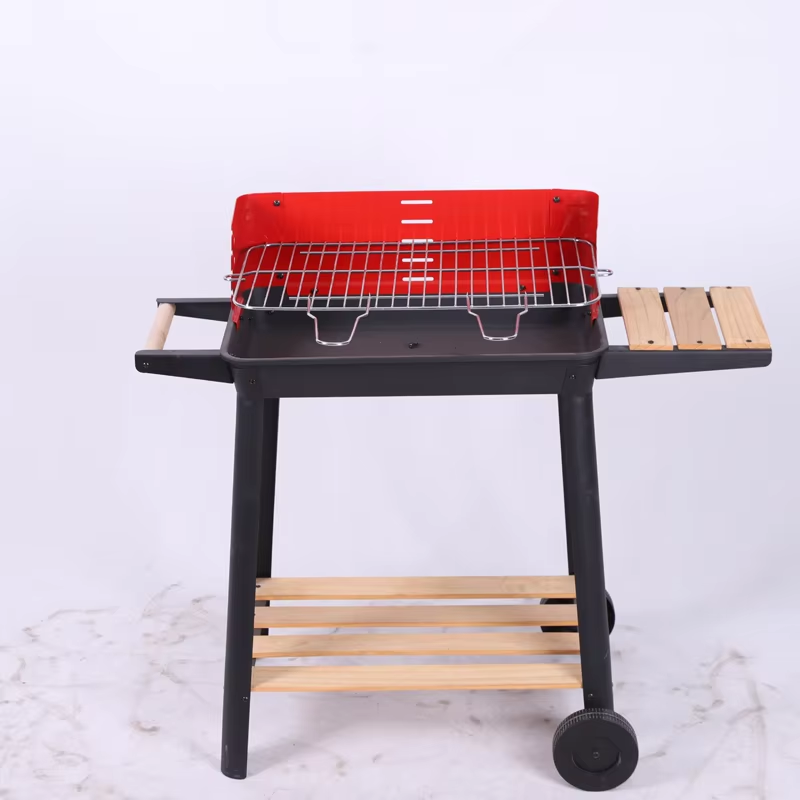
Selecting the right materials for barrel grill manufacturing is a critical decision that impacts both product quality and long-term performance. Whether you're a manufacturer looking to enhance your production line or a business seeking reliable outdoor cooking equipment, understanding material properties becomes essential for success. The durability of a barrel grill depends heavily on the materials used in its construction, affecting everything from heat retention to weather resistance. Modern manufacturers must balance cost considerations with performance requirements to create products that meet market demands and customer expectations.
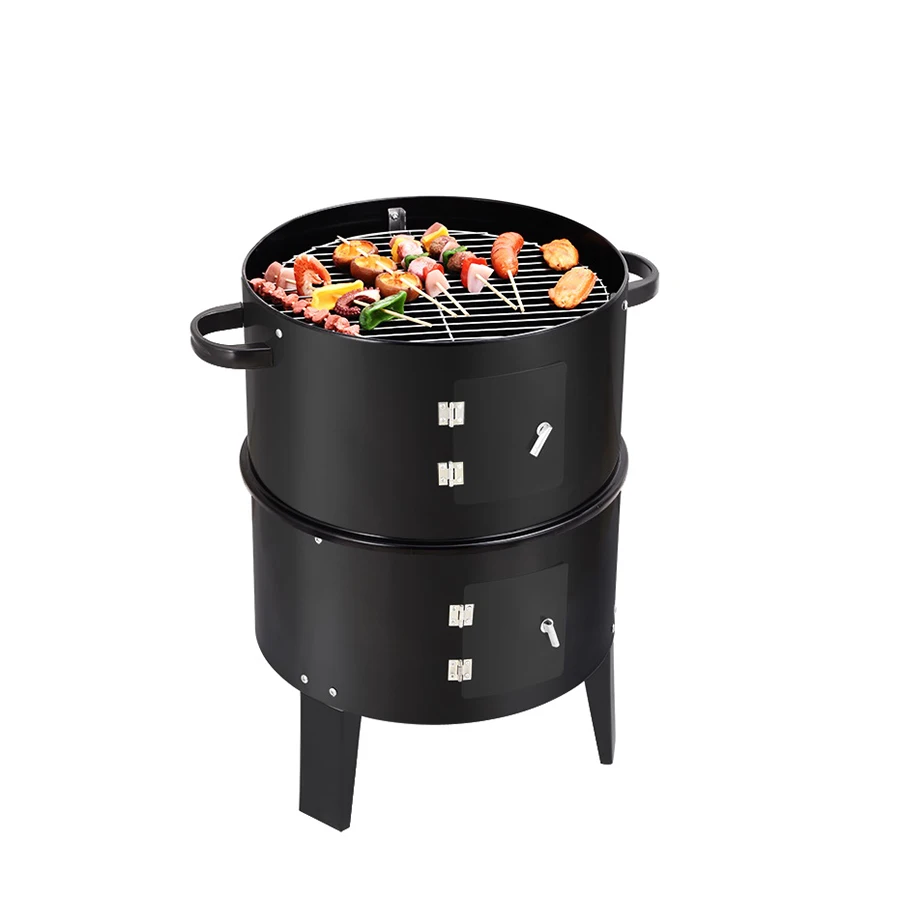
Steel Grade Selection for Barrel Grill Construction
Carbon Steel Properties and Applications
Carbon steel remains the most popular choice for barrel grill construction due to its excellent heat retention properties and cost-effectiveness. This material typically contains between 0.12% to 2.0% carbon content, which directly influences its hardness and durability characteristics. Higher carbon content provides increased strength but may reduce weldability, requiring manufacturers to find the optimal balance for their specific barrel grill designs. The material's ability to withstand high temperatures makes it ideal for cooking applications where consistent heat distribution is crucial.
Manufacturing processes for carbon steel barrel grills involve careful consideration of thickness requirements, typically ranging from 14 to 16 gauge for optimal performance. Thicker steel provides better heat retention and structural integrity, while thinner gauges offer weight advantages and easier handling. The selection process must account for the intended use patterns, with commercial-grade applications requiring heavier materials than residential models. Proper heat treatment during manufacturing can significantly enhance the material's performance characteristics.
Stainless Steel Advantages in Premium Applications
Stainless steel offers superior corrosion resistance compared to carbon steel, making it an excellent choice for premium barrel grill models. The chromium content in stainless steel, typically ranging from 10.5% to 30%, creates a passive oxide layer that protects against rust and corrosion. This characteristic becomes particularly valuable in coastal environments or areas with high humidity where standard steel might deteriorate rapidly. Grade 304 stainless steel provides an excellent balance of corrosion resistance and workability for most applications.
The higher initial cost of stainless steel can be justified through reduced maintenance requirements and extended product lifespan. Manufacturers often use stainless steel for critical components like cooking grates, heat deflectors, and exterior surfaces where appearance matters most. The material's non-reactive properties ensure that food flavors remain unaffected by metallic interactions, enhancing the overall cooking experience. Professional-grade barrel grill models frequently incorporate stainless steel elements to meet commercial kitchen standards and health regulations.
Surface Treatment and Protection Methods
Powder Coating Systems for Durability
Powder coating represents one of the most effective methods for protecting barrel grill surfaces from environmental damage and corrosion. This electrostatic application process creates a uniform, durable finish that adheres strongly to the metal substrate. The curing process, typically conducted at temperatures between 350°F to 400°F, creates a cross-linked polymer structure that provides excellent resistance to chipping, scratching, and fading. High-quality powder coatings can withstand outdoor conditions for many years without significant degradation.
Color selection in powder coating systems affects both aesthetics and performance characteristics of the finished product. Darker colors tend to absorb more heat, which can be advantageous for cooking performance but may accelerate coating degradation over time. Light-colored coatings reflect heat better, potentially extending the coating's lifespan while maintaining visual appeal. Manufacturers must consider their target market's preferences and usage patterns when selecting appropriate coating systems for their barrel grill products.
High-Temperature Paint Applications
Specialized high-temperature paints offer an alternative protection method for barrel grill surfaces exposed to extreme heat conditions. These formulations typically withstand temperatures up to 1200°F without breaking down or releasing harmful fumes. Silicone-based high-temperature paints provide excellent adhesion and flexibility, accommodating the thermal expansion and contraction cycles common in cooking applications. The application process requires careful surface preparation and controlled environmental conditions to ensure optimal results.
Maintenance requirements for high-temperature paint systems vary depending on usage intensity and environmental exposure. Regular cleaning with appropriate solvents helps maintain the paint's protective properties and appearance. Touch-up procedures should be performed promptly when damage occurs to prevent corrosion from penetrating the base material. Professional application techniques often yield superior results compared to field applications, making factory finishing preferable for commercial production.
Insulation Materials and Heat Management
Fiberglass Insulation Properties
Fiberglass insulation plays a crucial role in barrel grill design by improving heat retention and fuel efficiency. This material's low thermal conductivity helps maintain consistent cooking temperatures while reducing external surface temperatures for safety. High-temperature fiberglass insulation can withstand continuous exposure to temperatures exceeding 1000°F without significant degradation. The material's lightweight properties make it ideal for portable barrel grill designs where weight considerations are important.
Installation techniques for fiberglass insulation require careful attention to avoid compression, which reduces its effectiveness. Proper vapor barriers prevent moisture infiltration that could compromise the insulation's performance over time. The thickness of insulation layers directly affects thermal performance, with thicker applications providing better heat retention at the cost of increased weight and material expenses. Manufacturing processes must ensure consistent insulation density throughout the barrel grill structure.
Ceramic Fiber Blanket Applications
Ceramic fiber blankets offer superior high-temperature performance compared to traditional fiberglass insulation, making them suitable for professional-grade barrel grill applications. These materials can withstand temperatures up to 2300°F while maintaining their insulating properties and structural integrity. The low thermal mass of ceramic fiber allows for rapid heating and cooling cycles, improving the barrel grill's responsiveness to temperature adjustments. This characteristic becomes particularly valuable in commercial applications where quick temperature changes are required.
Installation considerations for ceramic fiber blankets include proper anchoring systems to prevent sagging or displacement during use. The material's flexibility allows it to conform to irregular surfaces and tight spaces within the barrel grill structure. Protective coverings may be necessary to prevent fiber migration and ensure user safety during maintenance procedures. Cost considerations often limit ceramic fiber applications to high-end barrel grill models where superior performance justifies the additional expense.
Hardware and Fastening Components
Stainless Steel Fasteners and Hardware
The selection of appropriate fasteners and hardware significantly impacts the long-term reliability of barrel grill assemblies. Stainless steel bolts, screws, and brackets resist corrosion and maintain their strength at elevated temperatures. Grade 316 stainless steel offers superior corrosion resistance in marine environments, while Grade 304 provides adequate performance for most inland applications. Thread locking compounds designed for high-temperature applications help prevent fastener loosening during thermal cycling.
Proper torque specifications ensure adequate clamping force without over-stressing the fastener or surrounding materials. Regular inspection and maintenance schedules should include fastener checks to identify any loosening or corrosion issues before they compromise structural integrity. Replacement fasteners should meet or exceed the original specifications to maintain the barrel grill's safety and performance standards. Documentation of fastener specifications aids in maintenance planning and replacement part procurement.
Hinges and Moving Component Design
Hinge selection for barrel grill lids and access doors requires consideration of both load capacity and environmental resistance. Heavy-duty hinges with sealed bearings provide smooth operation and extended service life in demanding conditions. The hinge pin material should resist corrosion and thermal expansion effects that could cause binding or excessive wear. Spring-loaded hinges can provide controlled lid operation and improved user safety during cooking activities.
Lubrication requirements for moving components vary depending on the materials used and operating environment. High-temperature lubricants maintain their properties under cooking conditions while food-safe formulations ensure contamination prevention. Regular maintenance intervals should include hinge inspection and lubrication to prevent premature wear or failure. Replacement procedures should be straightforward to minimize downtime and maintenance costs for commercial users.
Quality Control and Testing Standards
Material Certification Requirements
Implementing comprehensive material certification processes ensures consistent quality in barrel grill production. Mill test certificates provide documentation of chemical composition, mechanical properties, and manufacturing standards for steel materials. Third-party testing services can verify material specifications and identify any deviations from required standards. Traceability systems enable manufacturers to track materials from receipt through final assembly, supporting quality investigations and recall procedures if necessary.
Incoming inspection procedures should verify material dimensions, surface quality, and marking accuracy before materials enter the production process. Statistical sampling methods provide cost-effective quality assurance while maintaining confidence in material conformity. Non-conforming materials require proper identification and segregation to prevent their inadvertent use in production. Documentation systems support continuous improvement efforts and supplier performance monitoring.
Performance Testing Protocols
Comprehensive testing protocols validate barrel grill performance under realistic operating conditions. Heat distribution testing ensures uniform cooking temperatures across the grill surface, while thermal cycling tests verify structural integrity under repeated heating and cooling cycles. Corrosion resistance testing simulates long-term environmental exposure to predict service life and maintenance requirements. Safety testing includes evaluation of surface temperatures, stability, and emission characteristics.
Accelerated aging tests provide insights into long-term material performance within compressed timeframes. Salt spray testing evaluates corrosion resistance under severe conditions, while UV exposure testing assesses coating durability in outdoor applications. Temperature cycling protocols simulate seasonal variations and daily use patterns to identify potential failure modes. Results from these tests inform design improvements and material selection decisions for future product development.
FAQ
What thickness of steel is recommended for durable barrel grill construction
For optimal durability, barrel grill construction typically requires steel thickness between 14 and 16 gauge, with 14 gauge (approximately 0.075 inches) providing superior heat retention and longevity. Thicker materials offer better thermal mass and structural integrity, while 16 gauge steel provides adequate performance for lighter-duty applications. Commercial-grade barrel grills often use 12 gauge or thicker steel for enhanced durability in high-volume cooking environments.
How does stainless steel compare to carbon steel for barrel grill applications
Stainless steel offers superior corrosion resistance and requires less maintenance than carbon steel, making it ideal for coastal or humid environments. However, carbon steel provides better heat retention properties and is more cost-effective for most applications. Many manufacturers combine both materials, using stainless steel for visible surfaces and critical components while employing carbon steel for the main structure to balance performance and cost considerations.
What surface treatments provide the best protection for outdoor barrel grill use
Powder coating systems generally provide the most durable protection for outdoor barrel grill applications, offering excellent resistance to chipping, fading, and corrosion. High-temperature powder coatings can withstand cooking temperatures while maintaining their protective properties. Alternative treatments include specialized high-temperature paints and ceramic coatings, each offering specific advantages depending on the application requirements and budget considerations.
How important is insulation material selection in barrel grill design
Insulation material selection significantly impacts fuel efficiency, cooking performance, and safety in barrel grill design. High-quality insulation reduces fuel consumption by maintaining consistent temperatures and prevents external surfaces from becoming dangerously hot. Fiberglass insulation provides cost-effective performance for most applications, while ceramic fiber blankets offer superior performance for professional-grade equipment where higher temperatures and more demanding use patterns are expected.
Table of Contents
- Steel Grade Selection for Barrel Grill Construction
- Surface Treatment and Protection Methods
- Insulation Materials and Heat Management
- Hardware and Fastening Components
- Quality Control and Testing Standards
-
FAQ
- What thickness of steel is recommended for durable barrel grill construction
- How does stainless steel compare to carbon steel for barrel grill applications
- What surface treatments provide the best protection for outdoor barrel grill use
- How important is insulation material selection in barrel grill design