
 EN
EN



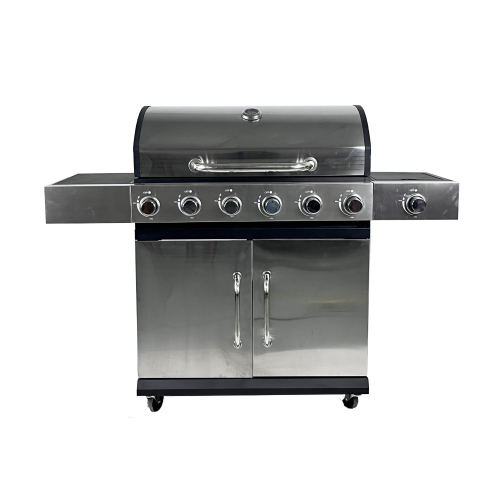
The outdoor cooking industry has witnessed remarkable growth in recent years, with enthusiasts seeking versatile and efficient cooking solutions that deliver exceptional flavor and functionality. Among the various grilling options available, barrel grills have emerged as a dominant force in the market, captivating both amateur backyard cooks and professional pitmasters alike. These cylindrical cooking vessels offer unique advantages that traditional flat grills simply cannot match, combining superior heat retention, enhanced smoke circulation, and impressive cooking capacity in a single, well-engineered design. The growing popularity of barrel grills reflects a broader trend toward authentic, slow-cooking methods that prioritize flavor development and cooking precision over speed and convenience.
Design Advantages of Cylindrical Cooking Systems
Superior Heat Distribution Mechanics
The cylindrical design of barrel grills creates optimal airflow patterns that promote even heat distribution throughout the cooking chamber. Unlike rectangular or square grills where hot spots and cool zones are common, the curved interior walls of barrel grills facilitate natural convection currents that circulate heated air uniformly. This design principle ensures that food items placed anywhere within the cooking area receive consistent temperature exposure, eliminating the need for constant rotation or repositioning during the cooking process.
The rounded chamber also maximizes the surface area available for heat reflection, creating a more efficient thermal environment. When charcoal or wood burns at the bottom of the barrel, the heat radiates upward and outward, striking the curved walls and reflecting back toward the center. This continuous heat circulation maintains stable cooking temperatures and reduces fuel consumption, making barrel grills both economically and environmentally advantageous for extended cooking sessions.
Enhanced Smoke Retention and Flavor Development
Barrel grills excel at capturing and retaining smoke, which is essential for developing the complex flavors associated with authentic barbecue. The enclosed cylindrical design creates a natural smoke chamber where aromatic compounds from burning wood or charcoal can circulate freely without escaping rapidly. This extended smoke exposure allows proteins to absorb deeper smoky flavors while maintaining moisture levels that result in tender, succulent finished products.
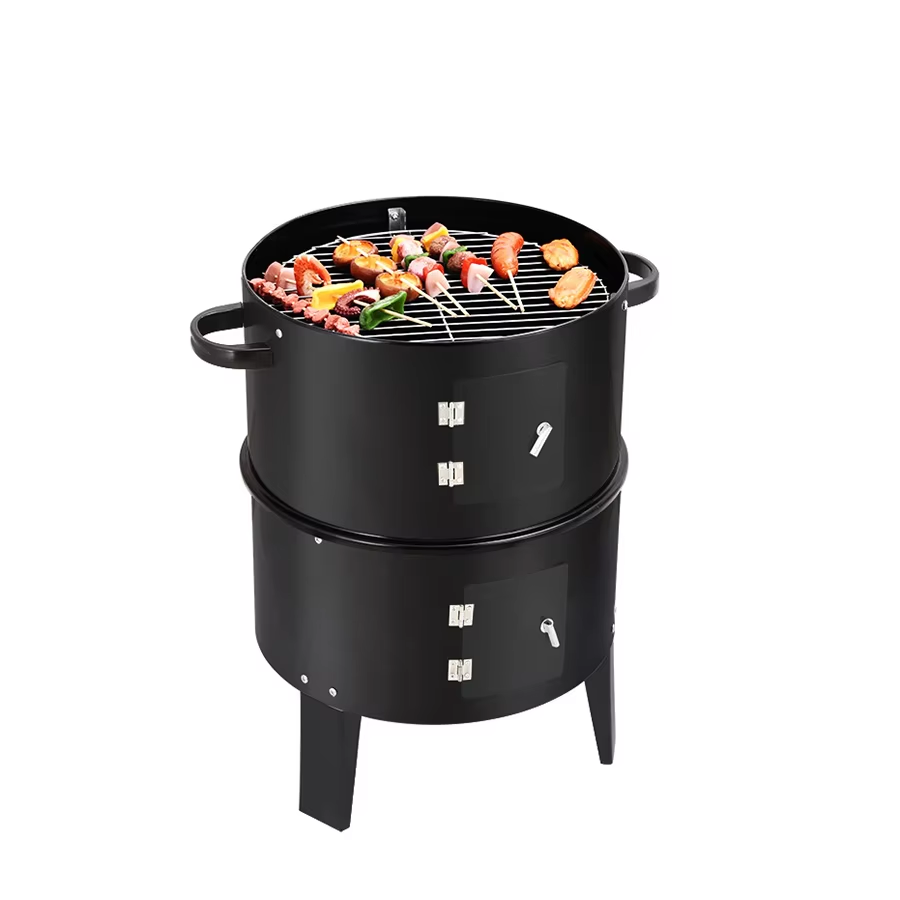
The vertical orientation of many barrel grills further enhances smoke circulation by creating natural draft conditions. As hot smoke rises from the fire source, it passes through multiple cooking levels, infusing each layer of food with consistent smoky flavor before eventually exiting through the top vents. This multi-level smoking capability allows users to cook different types of food simultaneously while ensuring each item receives adequate smoke exposure.
Versatility and Multi-Function Capabilities
Three-in-One Cooking Applications
Modern barrel grills have evolved beyond simple grilling devices to become comprehensive outdoor cooking systems. Many models now incorporate multiple cooking methods within a single unit, offering grilling, smoking, and roasting capabilities that appeal to diverse culinary preferences. This versatility eliminates the need for multiple cooking appliances, making barrel grills an attractive option for outdoor enthusiasts with limited space or budget constraints.
The ability to switch between direct and indirect cooking methods within the same session provides unprecedented flexibility for menu planning. Users can sear steaks over direct heat while simultaneously slow-smoking ribs in the upper chamber, maximizing efficiency and creating varied flavor profiles for complete meal preparation. This multi-function capability has contributed significantly to the growing popularity of barrel grills among serious outdoor cooking enthusiasts.
Capacity and Space Utilization
Barrel grills typically offer substantial cooking surface area relative to their footprint, making them ideal for large gatherings and commercial applications. The vertical design of many models creates multiple cooking levels without requiring additional ground space, effectively doubling or tripling the available cooking area compared to traditional horizontal grills of similar dimensions. This efficient space utilization appeals to urban dwellers and commercial operators who must maximize cooking capacity within limited areas.
The generous interior volume also accommodates large cuts of meat that would be challenging to cook on conventional grills. Whole chickens, turkey breasts, pork shoulders, and beef briskets fit comfortably within most barrel grill chambers, allowing for impressive presentations and efficient batch cooking. This capacity advantage has made barrel grills particularly popular among catering businesses and competitive barbecue teams who require reliable high-volume cooking solutions.
Market Trends and Consumer Preferences
Growing Interest in Authentic Cooking Methods
Consumer preferences have shifted dramatically toward authentic, traditional cooking methods that emphasize flavor development over convenience. This trend reflects a broader cultural movement away from processed foods and fast-cooking techniques toward more mindful, artisanal approaches to food preparation. Barrel grills align perfectly with this preference by offering slow-cooking capabilities that mirror traditional pit barbecue methods used for centuries.
The rise of competitive barbecue culture and television cooking shows has further fueled interest in authentic smoking and grilling techniques. Consumers increasingly view outdoor cooking as a serious culinary pursuit rather than a casual recreational activity, driving demand for equipment that can deliver professional-quality results. Barrel grills provide the thermal performance and smoke management capabilities necessary for achieving competition-level barbecue, making them attractive to aspiring pitmasters and serious home cooks.
Economic Factors and Value Proposition
The economic advantages of barrel grills have contributed significantly to their market popularity. These units typically offer excellent value compared to high-end gas grills or specialized smoking equipment, providing multiple cooking functions at a fraction of the cost. The durability and longevity of well-constructed barrel grills also appeal to cost-conscious consumers seeking long-term cooking solutions.
Fuel efficiency represents another economic advantage that resonates with budget-minded consumers. The superior heat retention properties of barrel grills reduce charcoal and wood consumption compared to less efficient cooking methods. This operational efficiency translates to lower ongoing costs for fuel and supplies, making barrel grills economically attractive for frequent use and extended cooking sessions.
Technical Innovations and Manufacturing Improvements
Advanced Materials and Construction Techniques
Modern barrel grills benefit from significant advances in materials science and manufacturing techniques that enhance performance and durability. High-grade steel construction with proper thickness specifications ensures adequate heat retention while preventing warping and corrosion issues that plagued earlier models. Advanced coating technologies and surface treatments provide enhanced weather resistance and easier maintenance requirements.
Precision manufacturing processes now enable tighter tolerances and better component fit, resulting in improved seal integrity and temperature control. These manufacturing improvements have elevated barrel grills from simple backyard cooking devices to sophisticated thermal management systems capable of maintaining precise temperature ranges for extended periods. The resulting performance reliability has broadened the appeal of barrel grills among serious cooking enthusiasts who demand consistent results.
Enhanced Control Systems and User Experience
Contemporary barrel grills incorporate sophisticated airflow control systems that allow users to fine-tune cooking conditions with unprecedented precision. Adjustable intake and exhaust vents, often featuring calibrated settings, enable precise temperature regulation that was previously achievable only with expensive commercial equipment. These control enhancements make barrel grills accessible to novice users while providing the precision demanded by experienced cooks.
Ergonomic improvements in handle design, door mechanisms, and ash management systems have significantly enhanced user experience and safety. Heat-resistant handles, spring-loaded hinges, and removable ash pans reduce the physical demands of operating barrel grills while minimizing safety risks associated with high-temperature cooking. These user-friendly features have expanded the market appeal of barrel grills beyond traditional male demographics to include diverse user groups seeking accessible outdoor cooking solutions.
FAQ
What makes barrel grills more efficient than traditional flat grills
Barrel grills achieve superior efficiency through their cylindrical design, which promotes optimal airflow patterns and heat distribution. The curved interior walls create natural convection currents that circulate heated air evenly throughout the cooking chamber, eliminating hot spots and reducing fuel consumption. This design also maximizes heat reflection and retention, maintaining stable cooking temperatures with less energy input compared to traditional flat grills that lose heat rapidly through their open design.
Can barrel grills handle both direct and indirect cooking methods
Yes, most barrel grills excel at both direct and indirect cooking applications within the same unit. The design allows for zone cooking where direct heat can be applied to one area while other sections provide indirect heat for slow cooking or smoking. Many models feature adjustable cooking grates or multiple levels that enable simultaneous use of different cooking methods, making them extremely versatile for varied menu requirements and cooking styles.
How do barrel grills compare in terms of cooking capacity
Barrel grills typically offer exceptional cooking capacity relative to their footprint, especially vertical models that utilize multiple cooking levels. The generous interior volume accommodates large cuts of meat and multiple food items simultaneously, often providing two to three times the effective cooking surface of comparable flat grills. This capacity advantage makes barrel grills particularly suitable for large gatherings, commercial applications, and batch cooking scenarios where efficiency and volume are important considerations.
What maintenance requirements should users expect with barrel grills
Barrel grills generally require moderate maintenance consisting of regular cleaning, ash removal, and periodic inspection of seals and hardware. The enclosed design actually protects internal components from weather exposure better than open grills, potentially reducing long-term maintenance needs. Modern models often feature removable ash pans and easy-access cleaning ports that simplify routine maintenance tasks, while quality construction materials resist corrosion and wear under normal use conditions.