
 EN
EN



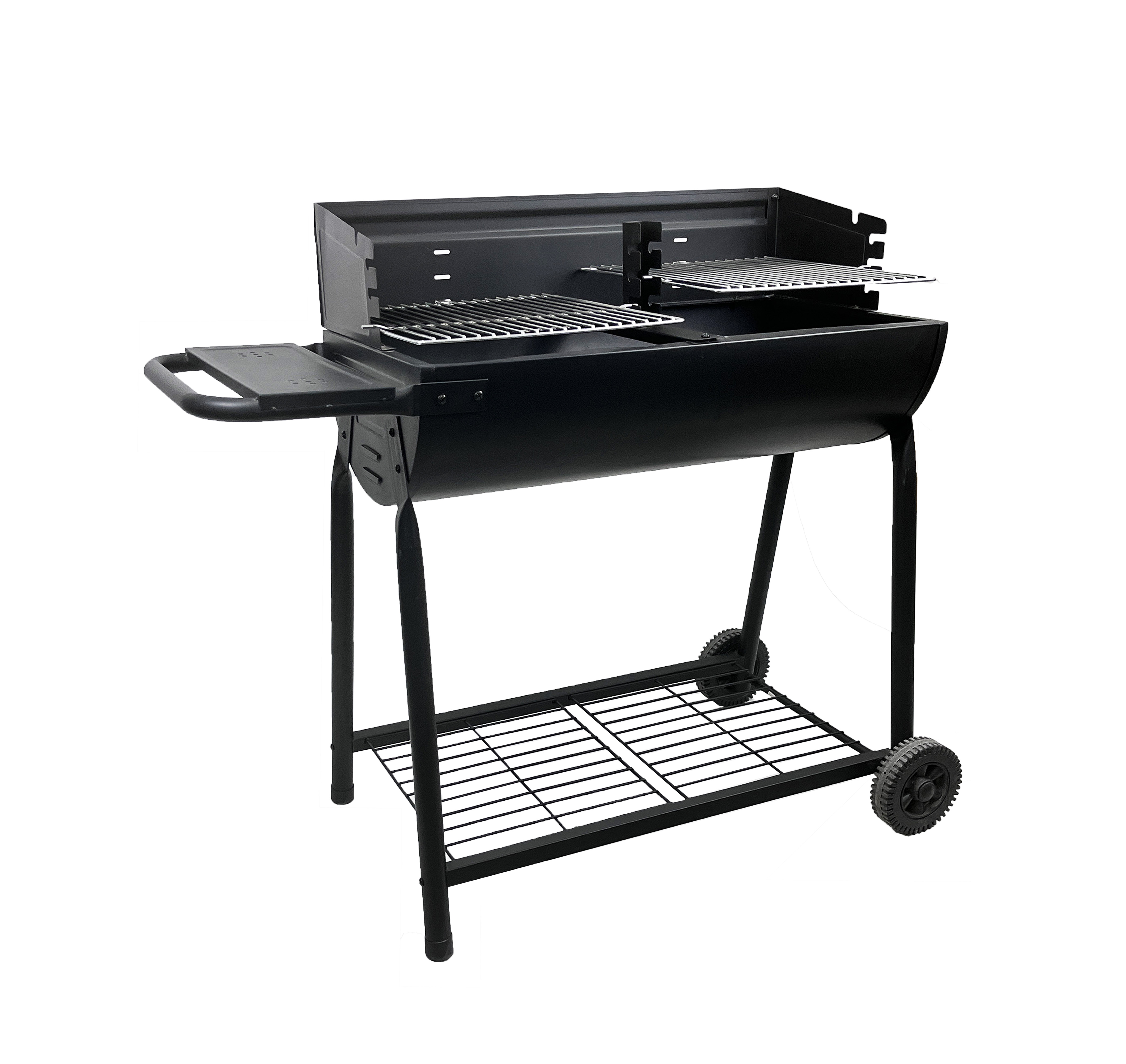
The art of outdoor cooking has evolved significantly, with barbecue enthusiasts seeking versatile equipment that delivers exceptional results across multiple cooking methods. Modern pitmasters and backyard chefs increasingly demand equipment that seamlessly combines smoking and grilling capabilities in a single, efficient unit. A vertical barrel charcoal barbecue grill represents the perfect fusion of traditional smoking techniques with direct grilling functionality, offering unparalleled flexibility for creating diverse culinary masterpieces. This innovative design allows cooking enthusiasts to switch between low-and-slow smoking sessions and high-heat grilling without requiring multiple pieces of equipment or complex setup procedures.
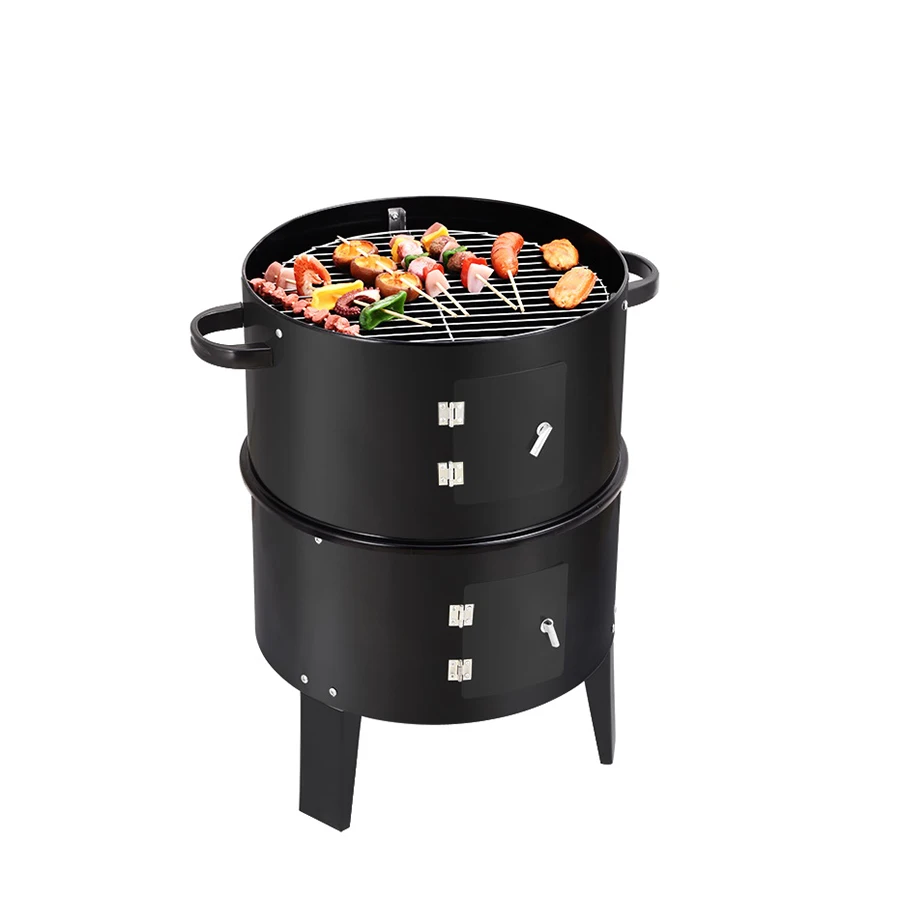
Understanding the Mechanics of Dual-Function Cooking
Heat Distribution Principles
The effectiveness of any vertical barrel charcoal barbecue grill depends fundamentally on its ability to manage heat distribution across different cooking zones. The vertical design creates natural convection currents that circulate heated air throughout the cooking chamber, ensuring consistent temperatures across multiple cooking levels. This vertical airflow pattern allows users to maintain steady smoking temperatures in the lower chamber while simultaneously achieving direct grilling heat in designated areas.
Temperature control becomes more precise when operators understand how charcoal placement affects heat zones within the cooking chamber. Strategic positioning of charcoal creates distinct temperature gradients, enabling simultaneous smoking and grilling operations. The vertical configuration maximizes cooking surface area while maintaining efficient fuel consumption, making it an economical choice for extended cooking sessions.
Airflow Management Systems
Professional-grade vertical barrel charcoal barbecue grill units incorporate sophisticated airflow management systems that provide precise control over oxygen intake and smoke circulation. Adjustable vents at the base regulate primary air intake, while top dampers control exhaust flow, creating the perfect balance for maintaining consistent cooking temperatures. These systems allow operators to fine-tune the cooking environment for specific requirements, whether targeting low smoking temperatures or high-heat grilling zones.
Understanding airflow dynamics enables users to create multiple cooking environments within a single unit. Lower vents can be adjusted to maintain smoldering charcoal for smoking, while upper vents can be opened to increase oxygen flow for direct grilling applications. This dual-zone approach maximizes cooking efficiency and provides unprecedented flexibility for complex meal preparation.
Mastering Temperature Control Techniques
Zone Configuration Strategies
Effective zone configuration forms the foundation of successful dual-function cooking on a vertical barrel charcoal barbecue grill. Creating distinct temperature zones requires strategic charcoal placement and careful attention to airflow patterns throughout the cooking chamber. Professional pitmasters typically establish a smoking zone in the lower portion of the unit while maintaining a direct grilling area in the upper section or designated side areas.
The key to successful zone management lies in understanding how different charcoal arrangements produce varying heat outputs. A thin layer of charcoal creates ideal smoking conditions, maintaining temperatures between 225-250 degrees Fahrenheit, while concentrated charcoal beds generate the intense heat necessary for proper grilling applications. This approach allows simultaneous preparation of different food items requiring distinct cooking methods.
Fuel Management Principles
Proper fuel management ensures consistent performance throughout extended cooking sessions on any vertical barrel charcoal barbecue grill. Quality charcoal selection significantly impacts both flavor development and temperature consistency, with hardwood charcoal providing superior heat retention and cleaner burning characteristics compared to standard briquettes. Understanding charcoal burn rates helps operators plan fuel additions and maintain steady temperatures without interrupting the cooking process.
Strategic fuel addition techniques prevent temperature fluctuations that can compromise cooking results. Adding small amounts of charcoal at regular intervals maintains steady heat output, while larger additions can quickly increase temperatures for transitioning between smoking and grilling operations. Wood chunk additions enhance flavor profiles while contributing to the overall heat output of the system.
Advanced Cooking Techniques and Applications
Sequential Cooking Methods
Sequential cooking represents one of the most effective approaches for maximizing the capabilities of a vertical barrel charcoal barbecue grill, allowing operators to prepare complex meals using multiple cooking methods in planned succession. This technique involves starting with low-temperature smoking for items requiring extended cooking times, then transitioning to higher heat grilling for items needing shorter cooking periods. The vertical design facilitates this approach by maintaining smoking conditions in lower chambers while preparing grilling zones in upper areas.
Timing coordination becomes crucial when implementing sequential cooking methods, requiring careful planning to ensure all components reach completion simultaneously. Proteins requiring extensive smoking periods should begin first, followed by vegetables and side dishes that benefit from shorter grilling times. This systematic approach maximizes cooking efficiency while ensuring optimal flavor development across all menu items.
Simultaneous Multi-Zone Cooking
Advanced practitioners of vertical barrel charcoal barbecue grill cooking often employ simultaneous multi-zone techniques that leverage the unit's vertical design to prepare different foods concurrently. This approach requires precise temperature management and strategic food placement to ensure optimal results across all cooking zones. Lower smoking zones handle items requiring gentle heat and extended cooking times, while upper grilling areas accommodate foods needing direct high-heat application.
Success with simultaneous cooking depends on understanding how different foods respond to varying heat levels and cooking durations. Dense proteins benefit from lower smoking zones where collagen breakdown occurs slowly, while vegetables and lighter proteins perform well in direct grilling areas. This multi-zone approach dramatically increases cooking capacity and enables preparation of complete meals within reduced timeframes.
Equipment Selection and Setup Considerations
Design Features and Functionality
Modern vertical barrel charcoal barbecue grill designs incorporate numerous features that enhance both smoking and grilling capabilities. Heavy-gauge steel construction ensures excellent heat retention and even temperature distribution throughout the cooking chamber. Multiple cooking grates at different levels provide flexibility for accommodating various food sizes while maximizing available cooking space. Quality units feature precision-engineered dampers and vents that offer fine control over airflow and temperature regulation.
Additional features such as built-in thermometers, removable ash pans, and side shelves significantly improve the overall cooking experience. These design elements reduce the complexity of operation while providing operators with essential tools for monitoring and managing the cooking process. Professional-grade units often include features like warming racks and adjustable grate heights that further expand cooking versatility.
Accessory Integration Options
The effectiveness of any vertical barrel charcoal barbecue grill can be significantly enhanced through strategic accessory integration. Water pans help maintain humidity levels during smoking operations while providing thermal mass that stabilizes cooking temperatures. Rib racks and vertical roasting accessories maximize cooking capacity by utilizing vertical space more efficiently. These accessories transform basic grilling units into comprehensive outdoor cooking systems.
Digital temperature controllers and wireless monitoring systems represent advanced accessories that provide precise control over cooking conditions. These tools enable operators to maintain consistent temperatures without constant manual adjustment, particularly valuable during extended smoking sessions. Quality accessories should complement the unit's design while providing genuine functional improvements rather than merely cosmetic enhancements.
Maintenance and Performance Optimization
Cleaning and Seasoning Protocols
Proper maintenance ensures long-term performance and reliability of vertical barrel charcoal barbecue grill equipment. Regular cleaning removes grease buildup and food residues that can affect flavor quality and create fire hazards. Grate maintenance involves thorough cleaning after each use, followed by light oil application to prevent rust formation. The cooking chamber requires periodic deep cleaning to remove accumulated ash and grease deposits.
Seasoning procedures help develop and maintain the natural non-stick properties of cooking surfaces while protecting metal components from corrosion. Initial seasoning involves heating the unit to high temperatures with a thin oil coating, creating a polymerized surface that improves with repeated use. Regular re-seasoning maintains these protective properties and enhances flavor development during subsequent cooking sessions.
Performance Monitoring and Adjustment
Consistent performance monitoring helps identify potential issues before they affect cooking results on vertical barrel charcoal barbecue grill systems. Temperature readings at multiple points within the cooking chamber reveal heat distribution patterns and identify areas requiring attention. Airflow performance can be assessed by observing smoke patterns and combustion characteristics during operation. These observations guide necessary adjustments to optimize cooking performance.
Performance optimization involves fine-tuning damper settings, adjusting cooking grate positions, and modifying fuel placement strategies based on observed results. Documenting successful configurations enables operators to replicate optimal conditions for specific cooking applications. Regular performance assessment ensures consistent results while identifying opportunities for technique refinement and equipment optimization.
Safety Considerations and Best Practices
Fire Safety and Prevention
Operating a vertical barrel charcoal barbecue grill safely requires understanding fire prevention principles and maintaining appropriate safety equipment. Proper placement away from combustible materials and structures prevents accidental fires while ensuring adequate ventilation for safe operation. Fire extinguishing materials should remain readily accessible, with water, sand, or appropriate fire suppressants positioned near the cooking area.
Grease management plays a critical role in fire prevention, as accumulated fats can ignite and create dangerous flare-ups. Regular drip pan cleaning and grease removal reduce fire risks while maintaining food quality. Understanding how different foods contribute to grease production helps operators anticipate and manage potential fire hazards during cooking operations.
Operational Safety Standards
Safe operation of vertical barrel charcoal barbecue grill equipment requires adherence to established safety protocols and proper handling techniques. Heat-resistant gloves and long-handled tools protect operators from burns and heat exposure during cooking operations. Proper lifting techniques prevent injury when moving heavy grates or adding fuel to the system. Understanding wind direction and weather conditions helps prevent smoke and heat exposure while maintaining safe operating conditions.
Carbon monoxide awareness becomes particularly important when operating charcoal-based cooking equipment in enclosed or partially enclosed areas. Adequate ventilation ensures safe dissipation of combustion gases while preventing dangerous accumulations. Regular equipment inspection identifies potential safety hazards such as damaged components or compromised structural integrity that could create operational risks.
FAQ
What temperature range works best for combination smoking and grilling?
The ideal temperature range for combination cooking on a vertical barrel charcoal barbecue grill varies by cooking method and food type. Smoking operations typically require temperatures between 225-275 degrees Fahrenheit, while direct grilling needs 350-450 degrees Fahrenheit for most applications. The key is creating distinct temperature zones within the same unit, allowing simultaneous smoking and grilling at their respective optimal temperatures.
How much charcoal is needed for extended cooking sessions?
Charcoal consumption depends on cooking duration, weather conditions, and desired temperatures. For a typical 6-8 hour smoking session, plan for approximately 3-4 pounds of quality hardwood charcoal, with additional amounts needed for grilling phases. A vertical barrel charcoal barbecue grill typically uses fuel more efficiently than horizontal designs due to improved heat retention and airflow management.
Can different wood types be used simultaneously for varied flavors?
Yes, different wood types can be strategically placed throughout the vertical barrel charcoal barbecue grill to create complex flavor profiles. Milder woods like apple or cherry work well in lower smoking zones, while stronger flavors like hickory or oak can be positioned for direct grilling applications. This approach allows customization of flavor intensity for different foods being prepared simultaneously.
What maintenance schedule should be followed for optimal performance?
Regular maintenance includes cleaning grates after each use, emptying ash pans weekly during active seasons, and performing deep cleaning monthly. Annual maintenance should include thorough inspection of all moving parts, re-seasoning of cooking surfaces, and replacement of worn gaskets or seals. A vertical barrel charcoal barbecue grill maintained properly will provide years of reliable service and consistent cooking performance.