
 EN
EN



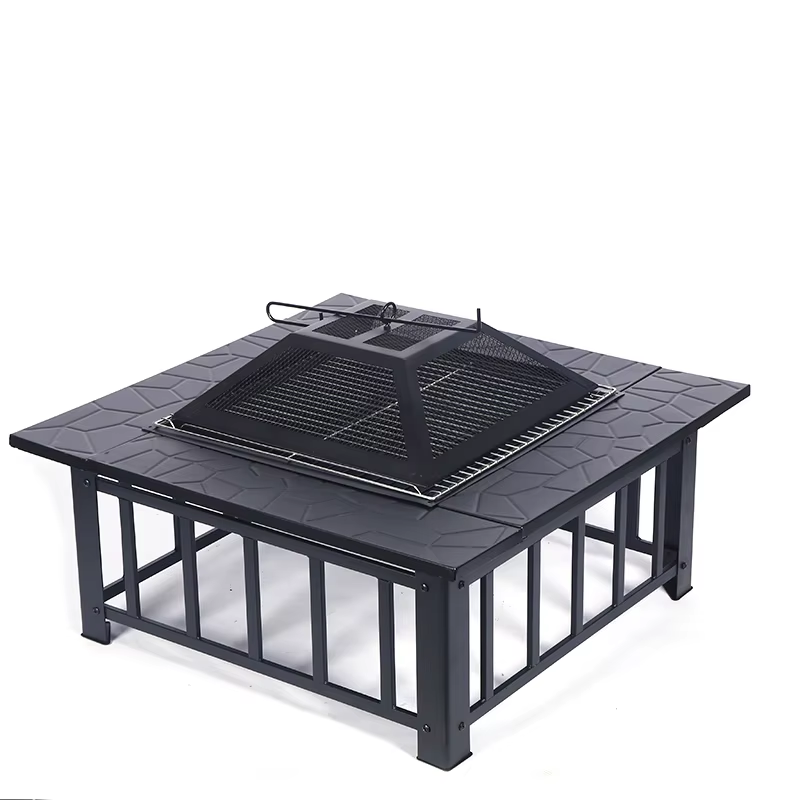
The private label barbecue industry has experienced tremendous growth as retailers and distributors seek to establish their unique brand identity in the competitive outdoor cooking market. OEM smoker BBQ manufacturing provides businesses with the opportunity to launch custom-branded products without the substantial investment required for in-house production facilities. This manufacturing approach enables companies to focus on marketing, distribution, and customer relationships while partnering with experienced manufacturers who possess the technical expertise and production capacity to deliver high-quality smoking and grilling equipment.

Manufacturing partnerships in the barbecue industry require careful consideration of production capabilities, quality standards, and customization options. Professional OEM smoker BBQ manufacturing facilities offer comprehensive services that span from initial product conceptualization through final delivery. These partnerships typically involve detailed discussions about design specifications, material selection, production volumes, and delivery timelines to ensure successful product launches.
The complexity of modern barbecue equipment demands sophisticated manufacturing processes and quality control systems. Today's consumers expect products that combine durability, functionality, and aesthetic appeal, making the selection of an experienced manufacturing partner crucial for market success. OEM smoker BBQ manufacturing requires expertise in metalworking, welding, assembly, and finishing processes to produce equipment that meets both safety standards and performance expectations.
Manufacturing Capabilities and Production Standards
Advanced Metalworking and Fabrication
Professional OEM smoker BBQ manufacturing facilities utilize state-of-the-art metalworking equipment to ensure precise fabrication of cooking chambers, fireboxes, and support structures. These operations typically include laser cutting systems, CNC machining centers, and automated welding stations that maintain consistent quality across production runs. The manufacturing process begins with computer-aided design systems that translate client specifications into detailed production drawings and material lists.
Quality fabrication requires expertise in working with various steel grades, including carbon steel and stainless steel components that provide optimal heat retention and corrosion resistance. Manufacturing teams must understand thermal expansion properties, joint design principles, and finishing requirements to produce barbecue equipment that performs reliably under high-temperature conditions. This technical knowledge ensures that each unit meets the demanding requirements of outdoor cooking applications.
Quality Control and Testing Protocols
Comprehensive quality assurance programs form the foundation of successful OEM smoker BBQ manufacturing operations. These programs typically include incoming material inspections, in-process quality checks, and final product testing to verify performance characteristics and safety compliance. Manufacturing facilities implement documented procedures for welding inspections, dimensional verification, and surface finish evaluation to maintain consistent product quality.
Testing protocols often include heat distribution analysis, temperature control verification, and durability assessments that simulate extended use conditions. Professional manufacturers maintain calibrated testing equipment and trained quality personnel who can identify potential issues before products reach the market. This proactive approach to quality management helps protect brand reputation and ensures customer satisfaction with private label barbecue products.
Customization Options for Private Label Products
Design Flexibility and Brand Integration
Modern OEM smoker BBQ manufacturing services offer extensive customization capabilities that allow clients to create distinctive products that align with their brand identity and market positioning. Design modifications can include chamber configurations, cooking grate arrangements, control system layouts, and aesthetic elements such as door handles, temperature gauges, and decorative panels. These customization options enable businesses to differentiate their products from competitors while maintaining manufacturing efficiency.
Brand integration extends beyond visual elements to include functional features that support specific cooking methods or user preferences. Manufacturers can incorporate specialized smoking chambers, adjustable damper systems, or integrated temperature monitoring capabilities that appeal to particular customer segments. This level of customization requires close collaboration between design teams and manufacturing engineers to ensure that modifications maintain structural integrity and performance standards.
Material Selection and Finish Options
The selection of materials and finishes significantly impacts both the performance and appearance of barbecue equipment produced through OEM smoker BBQ manufacturing partnerships. Professional manufacturers typically offer multiple steel grades, thickness options, and surface treatments that provide varying levels of durability, heat retention, and aesthetic appeal. These choices allow private label clients to position their products at different price points while maintaining quality standards appropriate for their target markets.
Finish options may include powder coating systems, high-temperature paint applications, or specialized coatings that provide enhanced corrosion resistance and color retention. The selection process involves consideration of environmental conditions, maintenance requirements, and cost objectives to identify the optimal combination of materials and finishes for each product line. Experienced manufacturers provide guidance on these decisions based on their understanding of market requirements and performance expectations.
Production Planning and Supply Chain Management
Capacity Planning and Scheduling
Effective production planning forms a critical component of successful OEM smoker BBQ manufacturing partnerships, particularly when managing seasonal demand fluctuations common in the outdoor cooking industry. Manufacturing facilities must balance production capacity with order volumes to ensure timely delivery while maintaining cost efficiency. This planning process typically involves forecasting discussions, capacity allocation agreements, and flexible scheduling arrangements that accommodate market dynamics.
Professional manufacturers maintain detailed production planning systems that track material availability, equipment utilization, and workforce allocation to optimize manufacturing efficiency. These systems enable accurate delivery commitments and help identify potential bottlenecks before they impact production schedules. Clear communication channels between manufacturers and private label clients ensure that production plans remain aligned with market requirements and promotional activities.
Supply Chain Coordination and Logistics
Comprehensive supply chain management capabilities distinguish professional OEM smoker BBQ manufacturing operations from basic fabrication services. These capabilities include vendor management programs, inventory control systems, and logistics coordination that ensure consistent material availability and efficient product delivery. Manufacturers typically maintain relationships with multiple suppliers for critical components to minimize supply disruption risks.
Logistics coordination extends from raw material procurement through finished product delivery, including packaging design, shipping arrangements, and documentation requirements for different markets. Professional manufacturers understand international shipping requirements, safety certifications, and regulatory compliance issues that may impact product distribution. This comprehensive approach to supply chain management helps private label clients focus on sales and marketing activities while ensuring reliable product availability.
Market Trends and Industry Developments
Technology Integration and Smart Features
The barbecue equipment industry continues to evolve with the integration of digital technologies and smart features that enhance user experience and cooking precision. OEM smoker BBQ manufacturing operations must adapt to incorporate these technological advances while maintaining the fundamental performance characteristics that define quality outdoor cooking equipment. Modern manufacturing capabilities include the integration of digital temperature controllers, wireless monitoring systems, and mobile app connectivity features.
Technology integration requires coordination between mechanical manufacturing processes and electronic component assembly, creating new challenges for quality control and testing procedures. Manufacturers must develop expertise in both traditional metalworking and modern electronics integration to produce competitive products. This technological evolution creates opportunities for private label clients to offer innovative features that distinguish their products in the marketplace.
Sustainability and Environmental Considerations
Environmental consciousness increasingly influences purchasing decisions in the barbecue equipment market, driving demand for sustainable manufacturing practices and eco-friendly product features. OEM smoker BBQ manufacturing operations respond to these trends by implementing energy-efficient production processes, waste reduction programs, and material recycling initiatives that minimize environmental impact while maintaining cost competitiveness.
Product design modifications may include improved combustion efficiency, reduced emissions features, or compatibility with alternative fuel sources that appeal to environmentally conscious consumers. These developments require collaboration between manufacturers and private label clients to identify market opportunities and develop products that balance environmental benefits with performance requirements. Forward-thinking manufacturing partnerships position both parties to capitalize on growing demand for sustainable outdoor cooking solutions.
Partnership Development and Collaboration Strategies
Establishing Effective Communication Protocols
Successful OEM smoker BBQ manufacturing relationships depend on clear communication protocols that facilitate collaboration throughout the product development and production process. These protocols typically include regular progress meetings, technical review sessions, and quality milestone evaluations that ensure projects remain on schedule and meet specification requirements. Professional manufacturers maintain dedicated project management teams that serve as primary contacts for private label clients.
Communication systems must accommodate both routine production updates and urgent issue resolution to maintain project momentum and address challenges promptly. Digital collaboration platforms, shared documentation systems, and real-time production tracking capabilities enhance transparency and enable proactive problem-solving. These communication foundations support long-term partnerships that benefit both manufacturing and private label partners.
Intellectual Property Protection and Confidentiality
Protecting proprietary designs and maintaining confidentiality represents a crucial aspect of OEM smoker BBQ manufacturing partnerships, particularly when developing innovative products or unique features that provide competitive advantages. Professional manufacturers implement comprehensive confidentiality agreements, secure design storage systems, and access control procedures that protect client intellectual property throughout the manufacturing process.
These protection measures extend to manufacturing floor procedures, supplier relationships, and employee training programs that reinforce confidentiality requirements. Manufacturers may maintain separate production areas for sensitive projects and implement documentation control systems that limit access to proprietary information. Strong intellectual property protection builds trust and encourages innovation within manufacturing partnerships.
Cost Management and Pricing Strategies
Value Engineering and Cost Optimization
Professional OEM smoker BBQ manufacturing partnerships emphasize value engineering approaches that optimize product costs without compromising quality or performance standards. These approaches involve systematic analysis of design elements, material specifications, and manufacturing processes to identify cost reduction opportunities while maintaining competitive product characteristics. Value engineering requires collaboration between design teams, manufacturing engineers, and private label clients to balance cost objectives with market requirements.
Cost optimization extends beyond material selection to include manufacturing process improvements, quality system enhancements, and supply chain efficiencies that reduce overall production costs. Experienced manufacturers leverage their production expertise to suggest design modifications or process alternatives that achieve cost targets while preserving essential product features. This collaborative approach to cost management supports sustainable pricing strategies for private label products.
Pricing Transparency and Contract Terms
Transparent pricing structures and clear contract terms form the foundation of successful OEM smoker BBQ manufacturing relationships, enabling accurate cost planning and budget management for private label projects. Professional manufacturers provide detailed cost breakdowns that identify material, labor, and overhead components, allowing clients to understand price factors and make informed decisions about product specifications and volume commitments.
Contract terms typically address pricing mechanisms, volume discounts, payment schedules, and change order procedures that govern the manufacturing relationship. These agreements may include provisions for cost adjustments based on material price fluctuations, production volume changes, or specification modifications that impact manufacturing requirements. Clear contractual frameworks protect both parties and provide stability for long-term business planning.
FAQ
What minimum order quantities are typically required for OEM smoker BBQ manufacturing projects
Minimum order quantities for OEM smoker BBQ manufacturing vary depending on product complexity, customization requirements, and manufacturing setup costs, but typically range from 50 to 500 units for initial orders. Manufacturers consider tooling costs, material procurement efficiencies, and production line setup requirements when establishing minimum quantities. Some facilities offer flexible programs that allow smaller initial orders with commitments for larger future volumes, enabling private label clients to test market acceptance before making substantial inventory investments.
How long does the typical product development and manufacturing timeline require
The complete timeline for OEM smoker BBQ manufacturing projects typically spans 3 to 6 months from initial design discussions through first production delivery. This timeline includes design development phases, prototype creation and testing, production setup, and initial manufacturing runs. Complex customization requirements or new tooling needs may extend timelines, while standard modifications to existing designs can reduce development time. Manufacturers work closely with clients to establish realistic schedules that accommodate market timing requirements and promotional activities.
What quality certifications and safety standards apply to barbecue equipment manufacturing
Professional OEM smoker BBQ manufacturing operations maintain certifications for relevant safety standards including CSA, UL, and CE markings depending on target markets. These certifications require compliance with specific design standards, material requirements, testing protocols, and manufacturing quality systems. Manufacturers typically maintain relationships with accredited testing laboratories and certification bodies to ensure products meet regulatory requirements for different geographic markets. Private label clients should verify certification requirements for their target markets during the design phase to ensure compliance.
What ongoing support services do manufacturers provide after initial production
Comprehensive OEM smoker BBQ manufacturing partnerships include ongoing support services such as spare parts supply, warranty support coordination, technical documentation, and product improvement consultations. Professional manufacturers maintain inventory systems for replacement components and provide technical support for warranty claims or customer service issues. Many facilities offer annual product reviews to discuss performance feedback, market developments, and potential product enhancements that support continued market competitiveness. These ongoing relationships help private label clients maintain customer satisfaction and product quality over time.
Table of Contents
- Manufacturing Capabilities and Production Standards
- Customization Options for Private Label Products
- Production Planning and Supply Chain Management
- Market Trends and Industry Developments
- Partnership Development and Collaboration Strategies
- Cost Management and Pricing Strategies
-
FAQ
- What minimum order quantities are typically required for OEM smoker BBQ manufacturing projects
- How long does the typical product development and manufacturing timeline require
- What quality certifications and safety standards apply to barbecue equipment manufacturing
- What ongoing support services do manufacturers provide after initial production