
 EN
EN



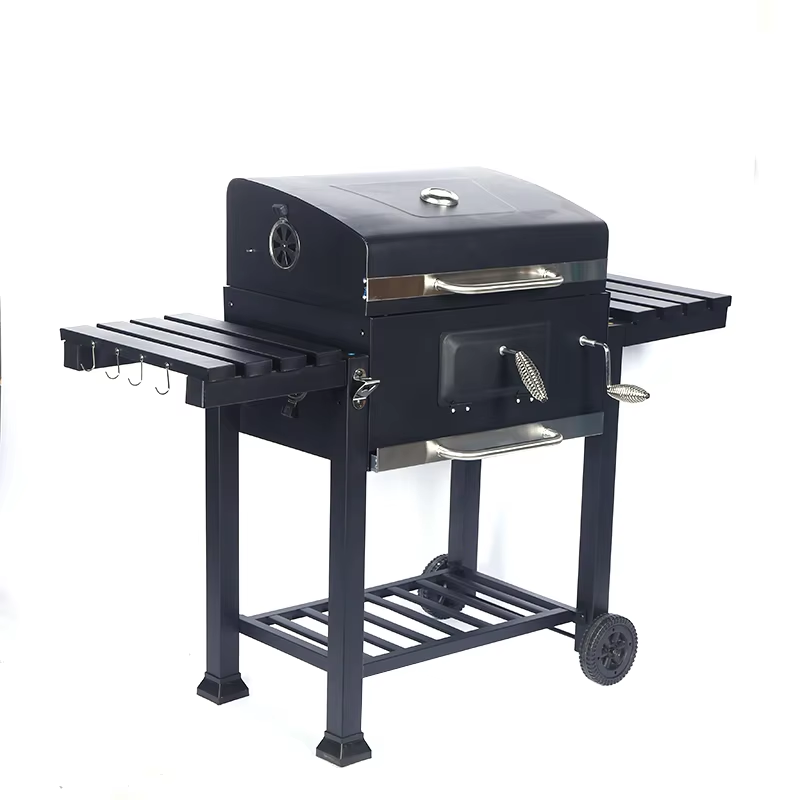
The global outdoor cooking industry has experienced tremendous growth, with grill tables becoming increasingly popular among barbecue enthusiasts worldwide. Exporters in this competitive market must understand that quality and safety standards are not just regulatory requirements but essential elements that determine market success and consumer trust. Modern consumers demand products that meet stringent international standards, making compliance a critical factor for manufacturers looking to expand their reach across international borders.
International Certification Requirements
ISO Standards for Manufacturing
International Organization for Standardization requirements form the backbone of quality assurance in manufacturing processes. ISO 9001 certification ensures that production facilities maintain consistent quality management systems throughout the entire manufacturing cycle. This standard covers everything from raw material procurement to final product inspection, establishing documented procedures that guarantee repeatable quality outcomes for exported products.
Manufacturing facilities must demonstrate compliance with ISO 14001 environmental management standards, which address the environmental impact of production processes. These requirements ensure that facilities operate sustainably while maintaining product quality standards that meet international expectations.
Regional Safety Certifications
Different export markets require specific safety certifications that validate product compliance with local regulations. European markets mandate CE marking, which indicates conformity with health, safety, and environmental protection standards established by European Union directives. North American markets require compliance with ANSI and CSA standards, while Australian markets follow AS/NZS certification protocols.
Each certification involves rigorous testing procedures that evaluate structural integrity, heat resistance, and material safety. Products must undergo comprehensive evaluation by accredited testing laboratories to obtain these certifications, ensuring they meet the specific requirements of target export markets.
Material Quality Standards
Steel Grade Requirements
High-quality steel forms the foundation of durable outdoor cooking equipment, with specific grade requirements varying by application and export destination. Stainless steel grades 304 and 316 represent industry standards for corrosion resistance and food safety compliance. These materials maintain structural integrity under extreme temperature variations while providing long-term durability in outdoor environments.
Carbon steel components must meet specific thickness and coating requirements to prevent rust and ensure longevity. Proper galvanization or powder coating processes protect against environmental factors while maintaining aesthetic appeal throughout the product lifecycle. Quality grill tables incorporate materials that exceed minimum standards, providing enhanced value for end users.
Food-Safe Surface Treatments
Surface treatments must comply with food contact regulations established by destination country authorities. FDA-approved coatings ensure that surfaces in direct contact with food remain safe throughout extended use periods. Non-toxic finishes prevent chemical migration while maintaining ease of cleaning and maintenance.
Heat-resistant coatings protect underlying materials from thermal damage while providing consistent performance characteristics. These treatments undergo extensive testing to verify their ability to withstand repeated heating cycles without degradation or harmful emissions.
Structural Safety Testing
Load Bearing Capacity
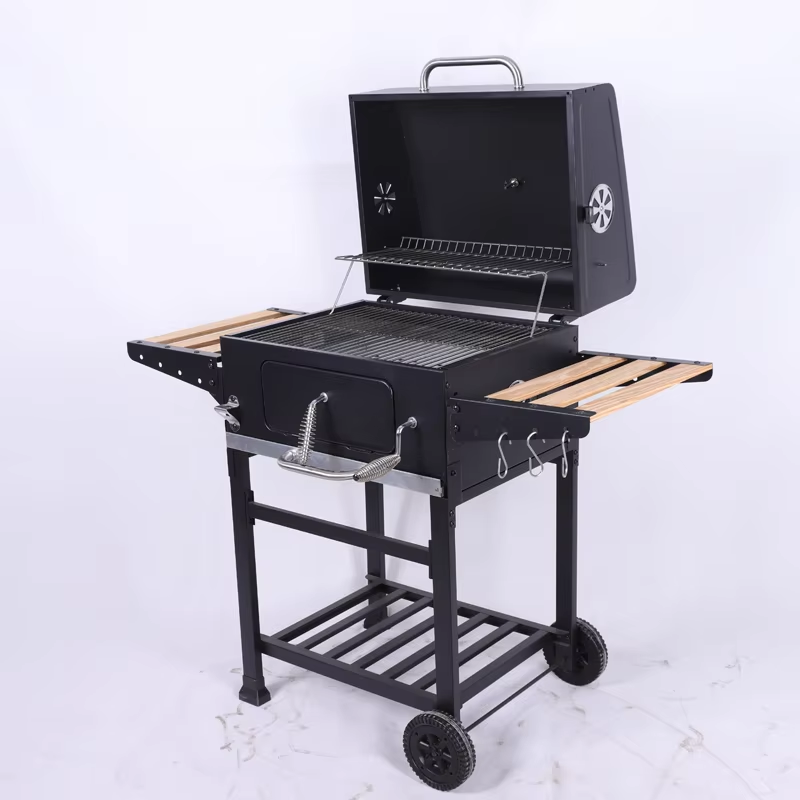
Structural testing validates that products can safely support specified weight limits under normal and extreme use conditions. Testing protocols simulate real-world scenarios including maximum load capacity, dynamic loading, and stress distribution patterns. These evaluations ensure that products maintain structural integrity throughout their intended lifespan.
Safety factors incorporated into design specifications provide additional protection against unexpected loading conditions. Engineering calculations verify that structural components can withstand forces significantly exceeding normal operating parameters, providing peace of mind for end users and regulatory compliance for exporters.
Thermal Stress Evaluation
Thermal cycling tests evaluate material behavior under repeated heating and cooling cycles that simulate actual use conditions. These tests identify potential failure points and validate material selection decisions. Products must demonstrate consistent performance characteristics across specified temperature ranges without warping, cracking, or other structural degradation.
Heat distribution analysis ensures that thermal energy dissipates evenly throughout the structure, preventing hot spots that could compromise safety or performance. Advanced testing equipment measures surface temperatures and internal stress patterns to verify optimal thermal management characteristics.
Quality Control Processes
Production Line Inspection
Systematic inspection procedures at each production stage ensure consistent quality outcomes and early defect identification. Quality control checkpoints evaluate dimensional accuracy, surface finish quality, and assembly precision according to established specifications. Statistical process control methods track quality metrics and identify trends that could indicate potential issues.
Trained quality inspectors utilize standardized procedures and calibrated measurement tools to maintain consistent evaluation criteria. Documentation systems record inspection results and corrective actions, providing traceability throughout the manufacturing process and enabling continuous improvement initiatives.
Final Product Testing
Comprehensive final testing validates that completed products meet all specified requirements before packaging and shipment. Functional testing verifies operational characteristics while safety testing confirms compliance with applicable standards. Random sampling ensures that quality levels remain consistent across entire production runs.
Testing documentation provides evidence of compliance for regulatory authorities and quality assurance records for customer satisfaction. Detailed test reports accompany exported products, demonstrating adherence to quality and safety standards required by destination markets.
Packaging and Transportation Standards
Protective Packaging Requirements
Proper packaging protects products during international transportation while meeting environmental regulations in destination countries. Protective materials must prevent damage from vibration, moisture, and handling impacts during extended shipping periods. Sustainable packaging materials address environmental concerns while providing adequate protection.
Packaging design considerations include dimensional optimization for shipping efficiency and cost reduction. Modular packaging systems allow flexible configuration while maintaining protection standards. Clear labeling provides handling instructions and identifies contents for customs and logistics personnel.
Documentation and Compliance
Export documentation must demonstrate compliance with quality and safety standards required by destination countries. Certificates of conformity, test reports, and material specifications provide evidence of regulatory compliance. Proper documentation prevents customs delays and ensures smooth market entry for exported products.
Traceability systems track products from raw materials through final delivery, enabling rapid response to quality issues or regulatory changes. Digital documentation systems streamline information management while providing secure access to compliance records for relevant stakeholders.
FAQ
What certifications are required for exporting outdoor cooking equipment internationally?
Export requirements vary by destination market but typically include safety certifications such as CE marking for Europe, CSA approval for North America, and AS/NZS compliance for Australia. ISO 9001 quality management certification is widely recognized and often required. Additionally, products may need food safety certifications and environmental compliance documentation depending on specific market requirements.
How do material specifications impact export compliance for outdoor grilling products?
Material specifications directly affect safety certifications and regulatory compliance in export markets. Stainless steel grades must meet corrosion resistance standards, while coatings require food-safe approvals. Different countries have varying requirements for material composition, thickness specifications, and surface treatments, making proper material selection crucial for successful market entry.
What testing procedures validate structural safety for exported grilling equipment?
Structural safety testing includes load bearing capacity evaluation, thermal stress analysis, and durability testing under simulated use conditions. Products undergo static and dynamic loading tests to verify structural integrity. Thermal cycling tests evaluate material behavior under repeated heating and cooling cycles, ensuring long-term performance and safety compliance.
How can manufacturers ensure consistent quality control throughout the export process?
Consistent quality control requires systematic inspection procedures at each production stage, trained personnel using calibrated equipment, and documented quality management systems. Statistical process control methods track quality metrics and identify trends. Final product testing validates compliance with all specifications, while proper packaging and documentation ensure products maintain quality standards during transportation and delivery.
Table of Contents
- International Certification Requirements
- Material Quality Standards
- Structural Safety Testing
- Quality Control Processes
- Packaging and Transportation Standards
-
FAQ
- What certifications are required for exporting outdoor cooking equipment internationally?
- How do material specifications impact export compliance for outdoor grilling products?
- What testing procedures validate structural safety for exported grilling equipment?
- How can manufacturers ensure consistent quality control throughout the export process?