
 EN
EN



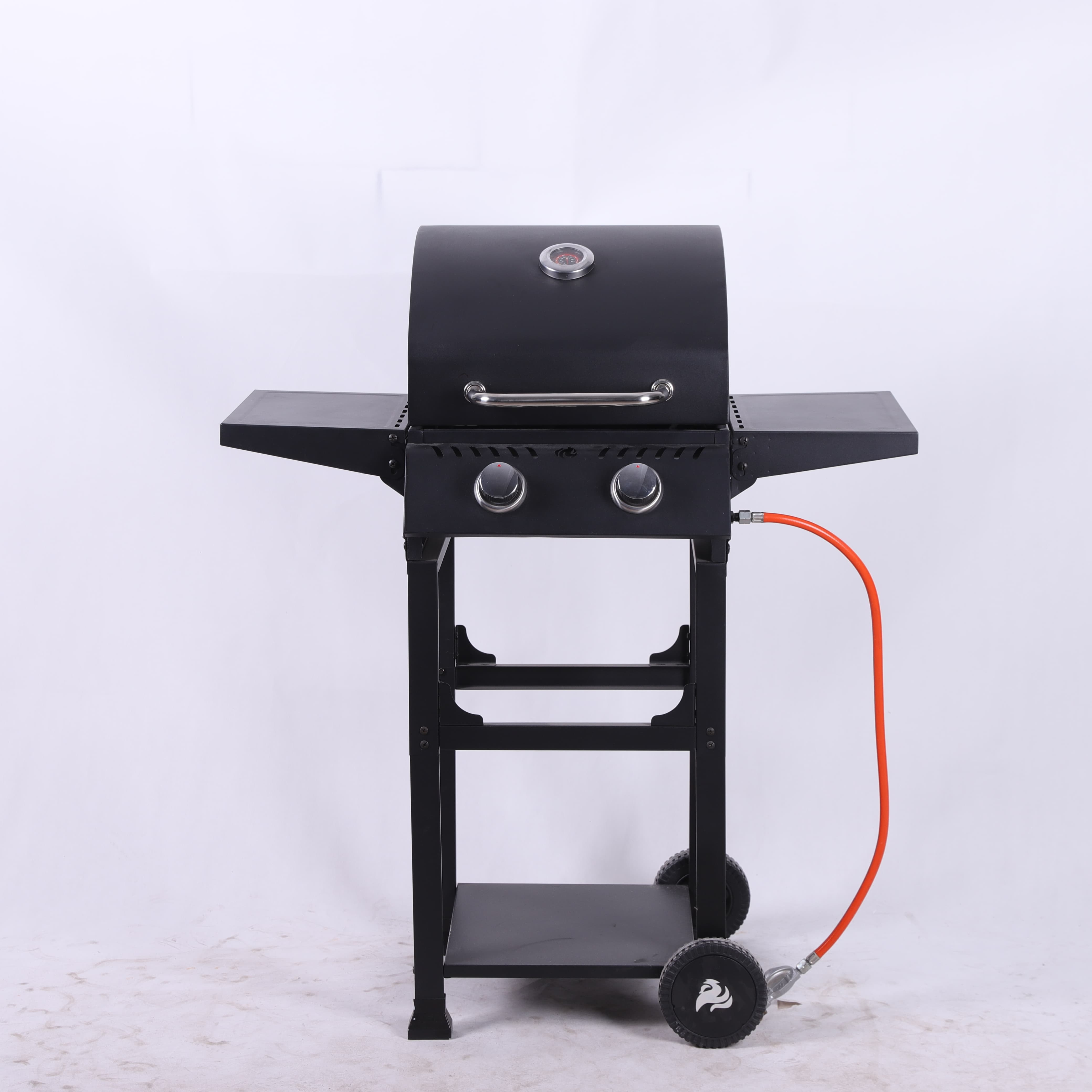
Ordering bbq grills in bulk requires careful planning and strategic decision-making to ensure your business investment delivers maximum value. Whether you're sourcing bbq grills for a catering company, restaurant chain, resort, or hospitality venue, the stakes are significantly higher than a single-unit purchase. Bulk ordering of bbq grills demands attention to quality specifications, supplier reliability, delivery logistics, and total cost of ownership. This comprehensive guide walks you through the critical considerations that separate successful bulk purchases from costly mistakes.
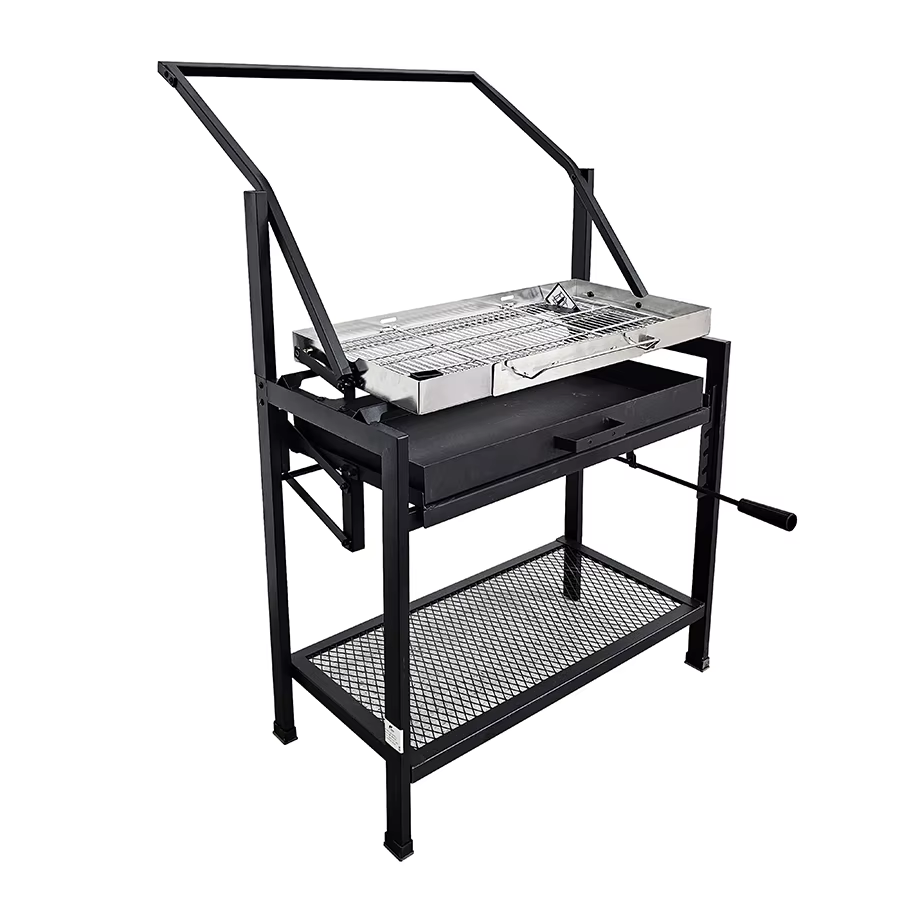
When your organization decides to invest in multiple bbq grills, the complexity multiplies significantly. Each decision impacts not only your initial capital expenditure but also operational efficiency, maintenance costs, and customer satisfaction for years to come. Understanding the nuances of bulk purchasing ensures you avoid common pitfalls and maximize your return on investment.
Understanding Your Operational Requirements
Defining Capacity and Volume Needs
Before selecting specific bbq grills models, you must clearly articulate your operational volume requirements. Ordering bbq grills without understanding your production capacity targets leads to either underutilization or bottlenecks that frustrate customers. Calculate peak service hours, average party sizes, cooking time requirements, and seasonal demand variations. If you operate a catering business requiring simultaneous preparation for multiple events, your bbq grills sizing differs substantially from a single-location restaurant. When ordering bbq grills, ensure each unit's burner count, cooking surface area, and fuel capacity align with your realistic usage patterns.
Spatial Layout and Installation Planning
The physical footprint of bbq grills significantly affects your operational layout and workspace efficiency. Ordering bbq grills requires advance planning of your facility's available space, including consideration for safe operation, maintenance access, and customer or staff circulation. Heavy-duty commercial bbq grills typically require reinforced flooring, proper ventilation, utility connections, and clearance from combustible materials. When ordering bbq grills for multiple locations or units, develop detailed site plans showing placement, spacing between units, fuel storage locations, and emergency access routes. This planning prevents costly installation delays and ensures optimal workflow.
Quality Standards and Equipment Specifications
Material Construction and Durability
Quality directly impacts the longevity and performance of bbq grills under demanding commercial conditions. When ordering bbq grills in bulk, prioritize stainless steel construction for grates, burners, and external components to resist corrosion and weather exposure. Heavy-duty commercial bbq grills feature reinforced frames, thicker gauge materials, and sealed combustion chambers that withstand intensive use. Inferior bbq grills may initially appear cost-effective but deteriorate rapidly, requiring premature replacement and creating service disruptions. Request material certifications and construction specifications from suppliers when ordering bbq grills. Verify that all components meet food safety standards and commercial-grade durability ratings appropriate for your usage intensity.
Performance and Fuel Efficiency Standards
Performance consistency across your fleet of bbq grills ensures uniform food quality and customer satisfaction. When ordering bbq grills, select models with proven heat distribution, temperature control accuracy, and efficient fuel consumption. Premium bbq grills feature multiple independently controlled burner zones, allowing simultaneous preparation of different dishes at varying temperatures. Fuel efficiency directly affects operating costs, particularly for organizations operating dozens of bbq grills daily. Request performance data and efficiency ratings from manufacturers when ordering bbq grills. Standardizing on one primary model across your bulk purchase simplifies maintenance, spare parts inventory, and staff training procedures.
Supplier Evaluation and Procurement Strategy
Supplier Credentials and Track Record
Selecting the right supplier is as critical as selecting the bbq grills themselves when committing to bulk orders. Ordering bbq grills from established suppliers with documented commercial experience reduces risk and ensures access to technical support. Verify supplier certifications, warranty terms, and customer references before committing to large-volume bbq grills purchases. Reputable suppliers maintain adequate inventory, offer competitive bulk pricing, provide rapid delivery, and maintain responsive customer service for post-purchase support. When ordering bbq grills, request detailed product specifications, warranty documentation, installation guides, and maintenance protocols from the supplier. Establish clear communication channels and escalation procedures for any issues that arise after delivery.
Pricing Strategy and Budget Optimization
Bulk ordering typically provides significant per-unit cost reductions, but strategic procurement extends savings throughout the product lifecycle. When ordering bbq grills, negotiate volume discounts while maintaining quality standards and avoiding pressure to compromise on specifications. Request itemized pricing that separates equipment costs, delivery charges, installation fees, warranty coverage, and training expenses. Factor total cost of ownership into your budget calculations, including fuel consumption, maintenance schedules, spare parts availability, and expected service life. Spread bulk purchases across multiple budget cycles if necessary to maintain financial flexibility. When ordering bbq grills, compare the true value proposition beyond initial purchase price, including supplier reliability and long-term support availability.
Logistics, Delivery, and Implementation
Delivery Coordination and Receiving Procedures
Ordering bbq grills in bulk requires careful coordination of delivery logistics to ensure all units arrive safely and on schedule. Establish delivery schedules that accommodate your facility's receiving capacity, staff availability, and installation readiness. Large quantities of bbq grills require adequate unloading space, material handling equipment, and qualified personnel to inspect each unit for damage or manufacturing defects. Before ordering bbq grills, verify that your facility can accommodate delivery vehicles, that receiving areas are accessible, and that you have adequate storage pending installation. Confirm insurance coverage for merchandise in transit and establish accountability procedures documenting the condition of each bbq grill upon arrival.
Installation, Assembly, and Staff Training
Successful deployment of bulk bbq grills depends critically on proper installation and comprehensive staff training. When ordering bbq grills, budget for professional installation services that ensure all gas connections, electrical components, and safety features function correctly. Each staff member operating bbq grills requires thorough training covering safe ignition procedures, temperature management, cleaning protocols, and emergency procedures. Request detailed installation support and training resources from the supplier when ordering bbq grills. Document all training activities and certification status for compliance purposes. Insufficient installation quality or inadequate staff preparation dramatically increases safety risks and operational inefficiency, potentially negating cost savings from bulk purchasing.
FAQ
What is the typical lead time when ordering bbq grills in bulk?
Lead times for bulk orders of bbq grills typically range from four to twelve weeks, depending on supplier capacity, model specifications, and production schedules. Custom configurations or large orders may extend timelines further. Communicate delivery deadlines clearly when ordering bbq grills, and confirm inventory availability before finalizing your purchase commitment. Building adequate lead time into your procurement schedule prevents installation delays and operational disruptions.
How should organizations handle warranty and maintenance when ordering bbq grills?
When ordering bbq grills, negotiate comprehensive warranty coverage and establish documented maintenance schedules. Bulk purchases often qualify for extended warranty packages and preferred maintenance service rates. Ensure warranty terms specify coverage duration, what components are included, and whether labor costs are covered. Develop preventive maintenance protocols addressing regular inspections, cleaning, parts replacement, and professional servicing to maximize equipment lifespan and reliability.
Can ordering bbq grills from international suppliers offer better value?
International suppliers sometimes offer competitive pricing when ordering bbq grills, but carefully evaluate total costs including shipping, import duties, customs clearance, and potential quality inconsistencies. International orders increase lead times, complicate warranty support, and may involve language or compliance barriers. When ordering bbq grills from overseas sources, verify that products meet local safety standards, obtain proper certifications, and establish clear communication protocols with suppliers to address any issues or concerns.