
 EN
EN



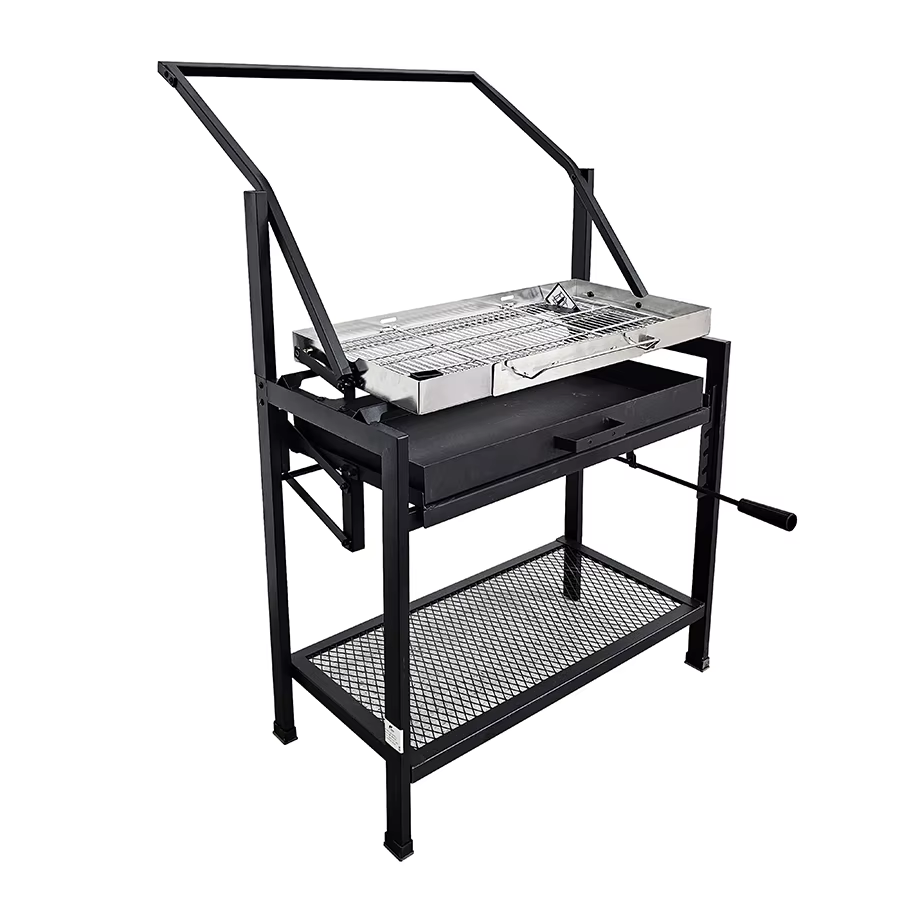
Ensuring quality control in bbq grills mass production is critical for manufacturers who want to deliver reliable products and maintain customer satisfaction. As the demand for outdoor cooking equipment continues to rise, producing consistent, durable bbq grills at scale requires systematic quality management processes. Without proper oversight during manufacturing, defects can propagate through production lines, leading to costly recalls, warranty claims, and damaged reputation. Effective quality control transforms production into a predictable system that meets or exceeds customer expectations while optimizing operational efficiency.

The manufacturing of bbq grills involves multiple assembly stages, material sourcing, welding, coating, component integration, and final testing. Each stage presents unique quality challenges that require specific inspection protocols and measurement standards. By establishing comprehensive quality control frameworks before production begins, manufacturers can prevent defects, reduce waste, and ensure that every bbq grills unit meets functional and safety specifications. This article explores the essential strategies for maintaining quality throughout the production process.
Establishing Quality Standards and Specifications
Defining Material and Component Requirements
The foundation of quality control for bbq grills starts with clear material specifications and component standards. Steel thickness, grade, and corrosion resistance directly affect the durability and safety of bbq grills. Manufacturers must establish written specifications that detail acceptable material properties, supplier certifications, and incoming inspection criteria. For bbq grills produced at scale, sourcing materials from certified suppliers with consistent quality records reduces the likelihood of defects originating upstream. Documentation and traceability of material batches allow manufacturers to identify problems quickly and trace them back to source.
Creating Process Standards and Documentation
Every manufacturing process for bbq grills must be documented with clear instructions, tolerances, and acceptance criteria. Process standards define how welding seams should be executed, how coating should be applied, and how burners should be assembled and tested. When producing bbq grills at high volumes, process standardization ensures consistency across all units and shifts. Written work instructions with visual aids help assembly teams understand specifications clearly. Tolerances for critical dimensions such as grill grate size, burner alignment, and temperature control must be defined and communicated to production staff to maintain uniformity across the bbq grills product line.
Implementing Inspection and Testing Protocols
In-Process Quality Checkpoints
Quality control for bbq grills requires multiple checkpoints throughout the assembly line rather than inspection only at the end. In-process inspection catches defects early, preventing further work on defective components and reducing rework costs. Critical stages for bbq grills inspection include frame welding verification, protective coating application, burner assembly accuracy, and gas line integrity testing. Inspectors should verify that welds meet strength standards through visual examination and spot checks using non-destructive testing when necessary. For bbq grills with electronic components, electrical continuity and control system functionality must be verified at designated checkpoints before units move to the next production stage.
Final Testing and Quality Assurance
Before bbq grills leave the manufacturing facility, comprehensive final testing ensures that each unit operates safely and meets performance expectations. Temperature distribution testing confirms that bbq grills heat evenly across cooking surfaces. Gas flow rate verification ensures that burners deliver consistent flame and heat output. Safety checks include pressure testing of gas connections, verification of ignition systems, and inspection of thermal guards. Documentation of test results for every bbq grills unit creates traceability records and provides evidence of compliance with applicable standards. Automated testing systems can increase throughput while maintaining consistent quality when producing bbq grills in large volumes.
Statistical Process Control and Continuous Improvement
Monitoring Production Metrics and Defect Rates
Statistical process control (SPC) techniques help manufacturers track quality performance of bbq grills production over time. By collecting and analyzing data on defect types, failure rates, and dimensional variations, production teams can identify trends and address root causes before major problems develop. Control charts plotting measurements of bbq grills dimensions, welding strength, or coating thickness reveal when processes drift out of specification. Defect tracking systems categorize issues found in bbq grills and prioritize corrective actions based on frequency and severity. Regular review of quality metrics with production leadership reinforces the importance of maintaining high standards and allocates resources to the most impactful improvement opportunities.
Root Cause Analysis and Corrective Actions
When defects appear in bbq grills production, systematic investigation identifies the underlying causes. Was the defect caused by material variance, operator error, equipment malfunction, or design inadequacy? For bbq grills manufactured at scale, root cause analysis prevents recurring problems and builds organizational knowledge. Corrective action plans address the identified root cause through process adjustments, additional training, equipment maintenance, or design modifications. Documentation of corrective actions taken on bbq grills production lines creates a continuous improvement history that reduces repeat defects. Regular audits verify that corrective actions for bbq grills remain in place and produce the intended results. This systematic approach transforms quality incidents into learning opportunities that strengthen the overall manufacturing system.
Training, Documentation, and Compliance
Building Quality Awareness and Skills
Skilled, quality-focused personnel are essential for successful quality control of bbq grills during mass production. Comprehensive training programs teach assembly technicians, inspectors, and supervisors about specifications, inspection procedures, and safety protocols specific to bbq grills manufacturing. Cross-training operators reduces dependency on individual workers and maintains consistent quality when staff changes occur. Quality awareness programs emphasize the importance of each person's role in delivering defect-free bbq grills to customers. Regular refresher training on updated standards and procedures keeps the team aligned with current best practices for bbq grills production. Incentive programs that recognize teams achieving quality targets reinforce the cultural commitment to excellence in bbq grills manufacturing.
Record Keeping and Regulatory Compliance
Comprehensive documentation serves as evidence that bbq grills manufacturing meets applicable safety and quality standards. Records should include material certifications, process parameters, inspection results, test data, and corrective action logs for each batch of bbq grills produced. Many markets require manufacturers of bbq grills to demonstrate compliance with specific safety standards and regulations. Organized record systems enable quick retrieval of data if customer issues arise or regulatory audits are conducted on bbq grills products. Digital documentation systems improve traceability and make it easier to correlate quality issues across production runs of bbq grills. Retention policies ensure that historical records on bbq grills remain available for warranty support and continuous improvement analysis.
FAQ
What are the most common quality issues found in mass-produced bbq grills?
Common defects in bbq grills include uneven heat distribution due to burner misalignment, corrosion in welded seams when coating is incomplete, gas leaks from faulty connections, and ignition system failures. Temperature hotspots in bbq grills result from grate positioning errors or burner flame issues. Structural problems like frame warping occur when welding specifications are not maintained consistently. Early detection through rigorous in-process inspection prevents these defects from reaching customers, making quality control essential for bbq grills manufacturers.
How often should bbq grills manufacturing processes be audited?
Internal audits of bbq grills production processes should occur at least monthly to verify compliance with established standards and identify drift before defects appear. External audits by third-party certification bodies or customer representatives typically happen annually or when significant changes occur in bbq grills manufacturing. High-risk processes or new bbq grills product lines benefit from more frequent audits. Daily floor checks by supervisors catch immediate issues, while formal documented audits provide comprehensive system reviews. The audit frequency for bbq grills should match the complexity of the product, production volume, and customer requirements.
Can automated systems improve quality control for bbq grills production?
Yes, automated testing systems enhance quality control for bbq grills by providing consistent, rapid verification of critical parameters. Machine vision systems detect dimensional variations in bbq grills components, while automated pressure testing validates gas system integrity. Automated systems handle high-volume inspection of bbq grills without fatigue-related errors that can affect manual inspection. However, bbq grills production benefits from combining automated testing with human inspection for complex assessments like weld quality and coating appearance. The investment in automation for bbq grills manufacturing is justified by reduced defect rates, faster throughput, and lower long-term costs.