
 EN
EN



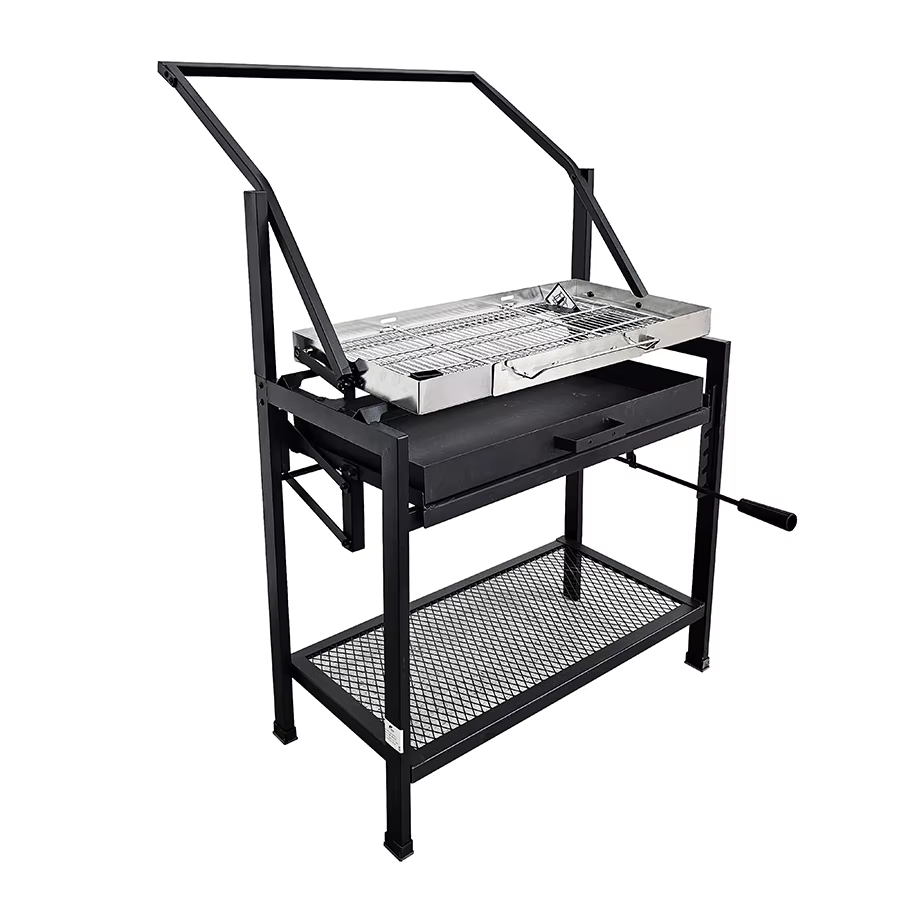
The global market for smoker BBQ units has experienced tremendous growth as outdoor cooking enthusiasts seek authentic barbecue experiences. Manufacturing and exporting these specialized cooking appliances requires adherence to strict quality standards that ensure safety, performance, and regulatory compliance across international markets. Understanding these standards is crucial for manufacturers who want to successfully export smoker BBQ units to diverse global destinations.
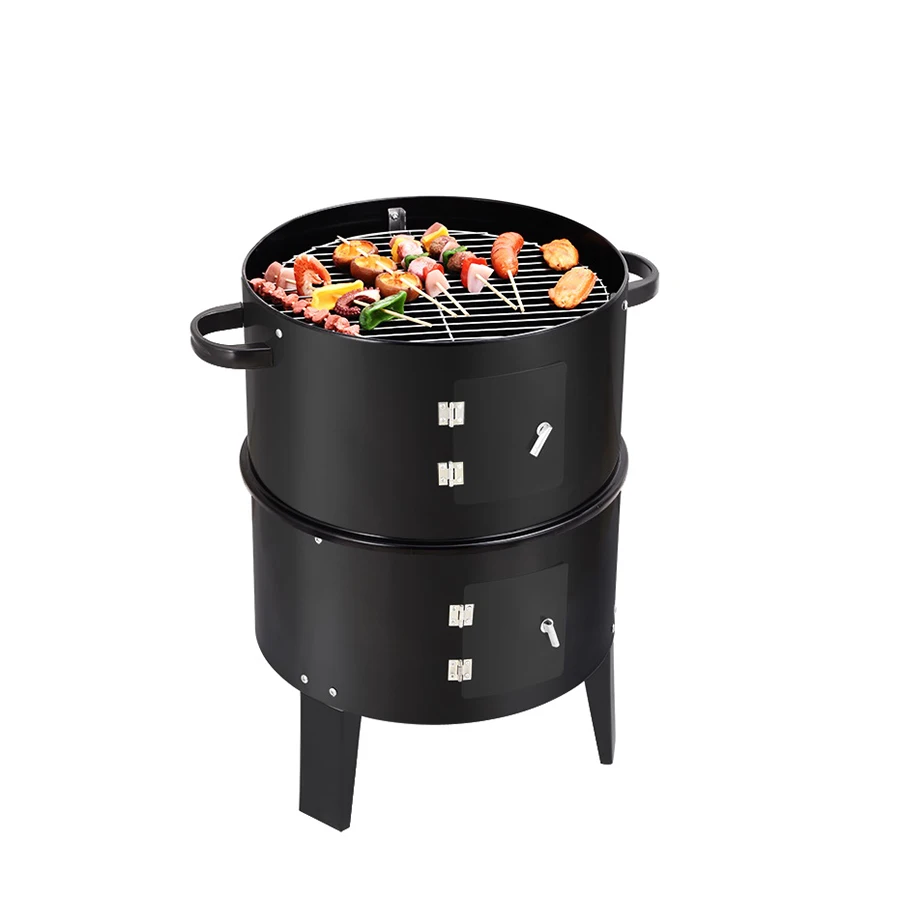
Quality standards for smoker BBQ units encompass multiple aspects including materials, construction methods, safety features, and performance specifications. These requirements vary significantly between regions, with North American, European, and Asian markets each maintaining distinct regulatory frameworks. Manufacturers must navigate complex certification processes while ensuring their products meet the demanding expectations of professional pitmasters and backyard barbecue enthusiasts alike.
International Safety and Certification Standards
North American Safety Requirements
The United States and Canada maintain rigorous safety standards for smoker BBQ units through organizations like UL (Underwriters Laboratories) and CSA (Canadian Standards Association). These standards focus primarily on fire safety, structural integrity, and user protection during operation. UL 1482 specifically addresses outdoor cooking gas appliances, while UL 2158 covers solid fuel burning outdoor cooking appliances, making these certifications essential for smoker BBQ units entering North American markets.
The certification process involves comprehensive testing of heat distribution, combustion efficiency, and material durability under various operating conditions. Manufacturers must demonstrate that their smoker BBQ units can withstand extreme temperatures while maintaining structural integrity and preventing dangerous situations like gas leaks or excessive heat buildup. Documentation requirements include detailed technical specifications, assembly instructions, and safety warnings in both English and French for Canadian compliance.
Additionally, North American markets require compliance with environmental regulations regarding emissions and fuel efficiency. The EPA (Environmental Protection Agency) has established guidelines for outdoor cooking appliances that limit particulate matter emissions, particularly relevant for wood-burning and charcoal smoker BBQ units. These regulations continue to evolve as environmental consciousness grows among consumers and regulatory bodies.
European Union Compliance Framework
European markets demand compliance with the CE marking requirements under various EU directives, including the Gas Appliances Regulation (GAR) and the Machinery Directive. The EN 498 standard specifically addresses barbecue appliances using solid fuels, establishing requirements for construction, safety, and performance testing. Smoker BBQ units must undergo thorough evaluation by notified bodies to receive CE certification before entering European markets.
The European framework emphasizes environmental sustainability and energy efficiency alongside safety considerations. Manufacturers must provide detailed technical documentation demonstrating compliance with REACH (Registration, Evaluation, Authorisation and Restriction of Chemicals) regulations for all materials used in construction. This includes comprehensive analysis of coatings, gaskets, and other components that may come into contact with food or release substances during operation.
Packaging and labeling requirements for European markets are particularly stringent, requiring multilingual safety instructions and compliance statements. The Waste Electrical and Electronic Equipment (WEEE) Directive also applies to smoker BBQ units with electrical components, mandating proper disposal and recycling procedures. These requirements significantly impact the design and documentation processes for manufacturers targeting European distribution channels.
Material and Construction Quality Standards
Steel Grade and Thickness Specifications
The foundation of quality in smoker BBQ units lies in the selection of appropriate steel grades and thickness specifications. Food-grade stainless steel, typically 304 or 316 grade, is preferred for cooking chambers and food contact surfaces due to its corrosion resistance and non-reactive properties. The thickness requirements vary by component, with cooking chambers typically requiring 14-gauge or heavier steel to ensure adequate heat retention and structural durability.
Carbon steel components in smoker BBQ units must meet specific coating and treatment standards to prevent rust and ensure longevity. High-temperature powder coating or porcelain enameling provides protective barriers against moisture and heat damage. These finishes must withstand thermal cycling tests that simulate years of cooking use, maintaining adhesion and protective properties under extreme conditions.
Welding quality standards for smoker BBQ units require certified welders and specific procedures to ensure joint integrity under thermal stress. Penetration welding techniques prevent air leaks that could compromise smoking performance, while proper heat treatment processes relieve stress concentrations that might lead to cracking. Quality control procedures include visual inspection, pressure testing, and sometimes radiographic examination of critical welds.
Insulation and Heat Management Systems
Effective insulation systems in smoker BBQ units require careful selection of materials that maintain performance at high temperatures while remaining safe and environmentally friendly. Ceramic fiber blankets and high-temperature mineral wool provide excellent thermal barrier properties, but manufacturers must ensure these materials comply with health and safety regulations regarding fiber emissions and handling.
Heat management systems incorporate dampers, vents, and air flow control mechanisms that must operate reliably across temperature ranges from ambient to over 500°F. These components require precision manufacturing to maintain proper sealing and smooth operation throughout the product lifecycle. Quality testing includes repeated cycling under various temperature and humidity conditions to verify consistent performance.
Temperature monitoring and control systems in modern smoker BBQ units must meet accuracy and reliability standards that ensure consistent cooking results. Digital thermometers and controllers require calibration procedures and environmental testing to verify performance under outdoor conditions including rain, dust, and temperature extremes. Wireless connectivity features must comply with FCC regulations in the United States and similar telecommunications standards in other markets.
Performance Testing and Quality Assurance
Heat Distribution and Retention Testing
Comprehensive performance testing of smoker BBQ units begins with heat distribution analysis using calibrated temperature sensors positioned throughout the cooking chamber. These tests verify that temperature variations remain within acceptable limits, typically plus or minus 25°F across the cooking surface. Advanced testing protocols use thermal imaging to identify hot spots and cold zones that could affect cooking consistency.
Heat retention testing measures the ability of smoker BBQ units to maintain stable temperatures over extended cooking periods. This involves monitoring temperature decay rates when heat sources are removed and measuring fuel consumption efficiency under various operating conditions. Results must demonstrate that the unit can maintain target temperatures for typical smoking durations of 8-12 hours with reasonable fuel consumption.
Smoke generation and circulation testing ensures that smoker BBQ units produce adequate smoke density and distribute it evenly throughout the cooking chamber. This testing uses specialized smoke detection equipment to measure particle concentration and flow patterns. Proper smoke circulation is critical for achieving authentic barbecue flavors and must be consistent across different fuel types and weather conditions.
Durability and Longevity Assessment
Accelerated aging tests for smoker BBQ units simulate years of use through repeated thermal cycling, moisture exposure, and mechanical stress. These tests identify potential failure modes in components like hinges, latches, and sealing systems before products reach consumers. Testing protocols typically include hundreds of door opening cycles, temperature cycling between ambient and maximum operating temperatures, and exposure to salt spray for corrosion resistance evaluation.
Structural integrity testing verifies that smoker BBQ units can safely support fully loaded cooking chambers plus additional equipment like water pans and drip trays. Load testing includes both static weight capacity and dynamic loading that simulates the forces generated during transportation and normal use. Components must maintain safety margins well above typical use scenarios to account for user variations and unexpected loading conditions.
Environmental resistance testing exposes smoker BBQ units to extreme weather conditions including UV radiation, freezing temperatures, and high humidity. These tests verify that materials and finishes maintain their protective properties and appearance over extended outdoor exposure. Results inform warranty policies and help manufacturers recommend appropriate storage and maintenance procedures for different climatic regions.
Packaging and Documentation Requirements
Export Packaging Standards
Packaging requirements for exporting smoker BBQ units must protect products during international shipping while meeting destination country regulations for materials and labeling. Corrugated cardboard packaging typically requires edge crush test (ECT) ratings appropriate for the product weight and stacking requirements. Protective foam inserts and corner guards prevent damage from shock and vibration during container shipping and handling.
Moisture barrier systems protect smoker BBQ units from humidity and condensation during ocean transport. Desiccant packets, vapor barrier films, and proper ventilation design prevent corrosion and mold growth during extended shipping periods. Packaging materials must be recyclable or biodegradable where required by destination country environmental regulations.
Dimensional optimization of packaging for smoker BBQ units maximizes container utilization while maintaining protection standards. Standard shipping container dimensions drive package design decisions, and efficient packing arrangements reduce transportation costs significantly. Packaging engineers must balance protection requirements with space efficiency and handling convenience for distributors and retailers.
Technical Documentation and Compliance
Comprehensive technical documentation for smoker BBQ units includes detailed assembly instructions with multilingual translations for international markets. Assembly diagrams must be clear and accurate, with part identification systems that prevent confusion during setup. Step-by-step procedures include torque specifications for fasteners and safety warnings for critical assembly points.
Operating manuals for smoker BBQ units require extensive safety information, maintenance procedures, and troubleshooting guides. These documents must comply with local language requirements and safety warning standards for each target market. Digital versions and QR code access provide customers with updated information and video demonstrations that enhance user experience and safety compliance.
Warranty documentation and service support information establish manufacturer commitments and consumer protection standards. International warranty coverage requires coordination with local service networks and parts availability systems. Clear procedures for warranty claims and technical support reduce customer frustration and protect manufacturer reputation in competitive markets.
Market-Specific Compliance Considerations
Regional Certification Variations
Different global markets maintain unique certification requirements that significantly impact the export strategy for smoker BBQ units. Australian and New Zealand markets require compliance with AS/NZS standards that emphasize outdoor appliance safety and environmental considerations. Japanese JIS (Japanese Industrial Standards) focus on precise manufacturing tolerances and quality consistency that align with local consumer expectations for product reliability.
Emerging markets in Southeast Asia and Latin America are developing their own quality standards for smoker BBQ units, often based on international frameworks but adapted for local conditions and preferences. These markets may have less stringent formal requirements but increasingly demand quality certifications that demonstrate product reliability and safety. Understanding these evolving requirements is essential for long-term market development strategies.
Certification timing and renewal requirements vary significantly between markets, affecting production planning and inventory management for manufacturers. Some certifications require annual updates while others remain valid for several years with proper maintenance of quality systems. Coordinating multiple certification schedules requires sophisticated project management and quality assurance systems.
Cultural and Usage Pattern Adaptations
Regional cooking preferences influence design requirements for smoker BBQ units beyond basic safety and performance standards. European markets often prefer compact designs suitable for smaller outdoor spaces, while American consumers typically favor larger capacity units for entertaining. Asian markets may require additional features for different cooking styles and fuel preferences.
Climate considerations affect material selection and design features for smoker BBQ units destined for different global regions. Units exported to tropical climates require enhanced corrosion protection and ventilation systems, while products for northern climates need improved cold weather operation capabilities. These adaptations go beyond basic standards to address real-world performance expectations.
Local fuel availability and preferences impact design specifications for smoker BBQ units in different markets. Some regions have limited access to specific wood species or charcoal types, requiring flexibility in fuel system design. Gas availability and connection standards vary globally, necessitating different regulator and connection systems for different markets.
FAQ
What are the most important safety certifications for exporting smoker BBQ units
The most critical safety certifications include UL listing for North American markets, CE marking for European Union countries, and CSA certification for Canada. These certifications require comprehensive testing of fire safety features, structural integrity, and user protection systems. Additional certifications may be required depending on specific destination countries and local regulations.
How do material quality standards affect the performance of smoker BBQ units
Material quality directly impacts heat retention, durability, and food safety in smoker BBQ units. High-grade stainless steel provides superior corrosion resistance and maintains food safety standards, while proper steel thickness ensures adequate heat retention and structural stability. Quality materials also extend product lifespan and reduce maintenance requirements for consumers.
What testing procedures verify the performance quality of smoker BBQ units
Performance testing includes heat distribution analysis, temperature retention measurements, and durability assessments through accelerated aging protocols. These tests verify consistent cooking temperatures, adequate insulation performance, and long-term reliability under various operating conditions. Environmental resistance testing ensures products maintain performance standards across different climate conditions.
How do packaging requirements impact the export process for smoker BBQ units
Packaging must protect products during international shipping while meeting destination country regulations for materials and labeling. Proper packaging prevents damage from moisture, shock, and vibration during container transport. Dimensional optimization reduces shipping costs while maintaining protection standards, and documentation requirements ensure customs compliance and consumer safety information availability.
Table of Contents
- International Safety and Certification Standards
- Material and Construction Quality Standards
- Performance Testing and Quality Assurance
- Packaging and Documentation Requirements
- Market-Specific Compliance Considerations
-
FAQ
- What are the most important safety certifications for exporting smoker BBQ units
- How do material quality standards affect the performance of smoker BBQ units
- What testing procedures verify the performance quality of smoker BBQ units
- How do packaging requirements impact the export process for smoker BBQ units