
 EN
EN



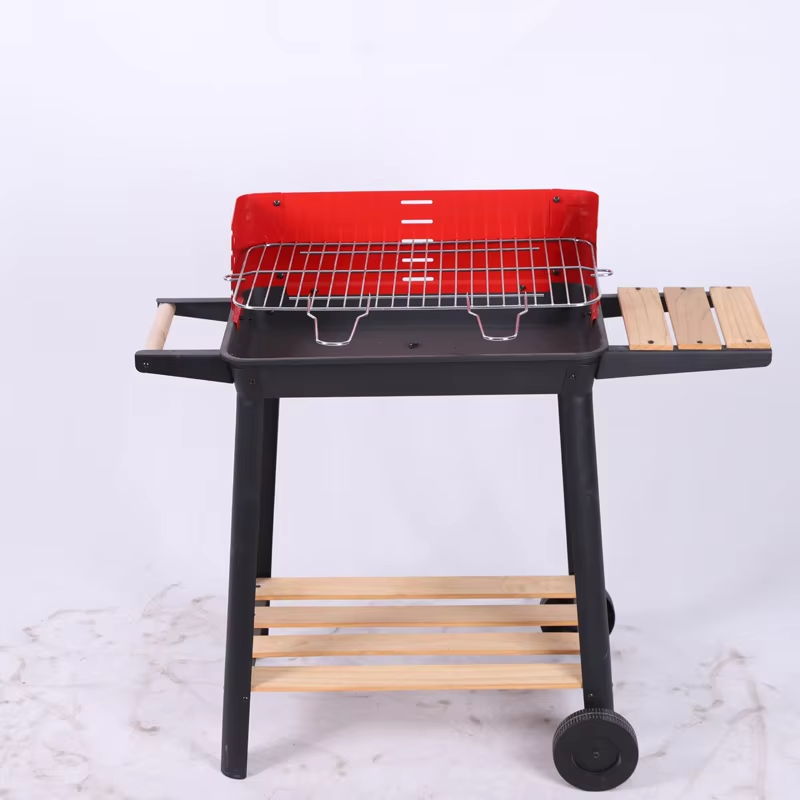
When it comes to outdoor catering, few pieces of equipment earn as much consistent trust as charcoal grills. Whether serving guests at a large corporate event, a weekend festival, or a private garden party, charcoal grills deliver a cooking experience that gas-powered alternatives simply cannot replicate. The combination of high radiant heat, natural smoke infusion, and operational flexibility makes charcoal grills a go-to solution for professional caterers worldwide.
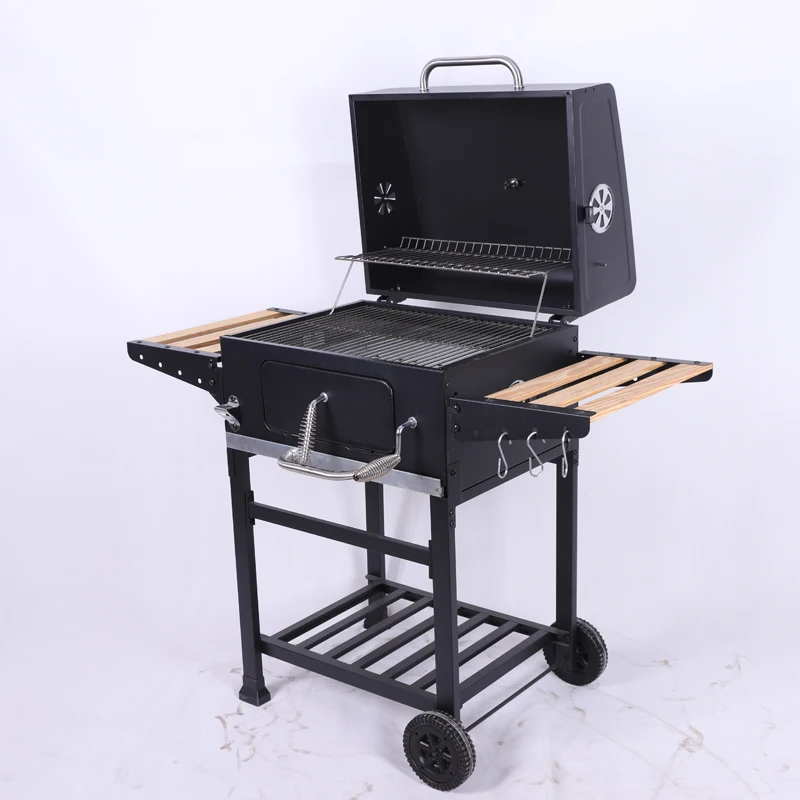
The continued popularity of charcoal grills in professional outdoor catering is not simply a matter of tradition. It reflects real, measurable advantages that caterers experience every time they fire up their equipment. From the unmistakable seared flavor on meats to the low setup cost and ease of transport, charcoal grills fulfill demands that modern catering businesses genuinely face. Understanding why charcoal grills hold this preferred position helps catering operators make smarter equipment investments.
The Flavor Advantage That Defines Charcoal Grills
Authentic Smoke and Sear That Guests Remember
One of the most powerful reasons charcoal grills remain dominant in outdoor catering is their ability to produce authentic charred and smoky flavors. When fat and juices from meat drip onto hot charcoal, they vaporize and rise back onto the food as aromatic compounds. This natural process creates depth of flavor that is simply not achievable with propane or electric cooking equipment. Charcoal grills produce a sensory experience that guests associate with quality outdoor dining.
For catering businesses, this flavor profile is a competitive differentiator. Clients who hire outdoor caterers often expect food to taste distinctly different from what they can prepare at home. Charcoal grills deliver exactly that. The smoky, caramelized crust formed during high-heat grilling becomes a signature that builds a caterer's reputation and drives repeat bookings. Professional caterers who rely on charcoal grills often report higher guest satisfaction scores compared to those using alternative cooking methods.
High Radiant Heat for Efficient Cooking
Charcoal grills reach extremely high surface temperatures, enabling caterers to sear large quantities of meat quickly. This thermal efficiency matters enormously when serving crowds. With charcoal grills, a skilled operator can manage multiple cooking zones simultaneously — one area for searing and another for slower finishing. This zonal heat management is a practical advantage that experienced catering teams leverage to maintain consistent food output during peak service windows. Charcoal grills designed with side tables and adjustable grates, such as the large trolley-style models built for commercial use, make this multi-zone approach even more effective.
Operational Strengths of Charcoal Grills in Catering Contexts
Portability and Setup Simplicity
Outdoor catering frequently happens in locations without reliable power or gas line access. Parks, rooftops, beachside venues, and rural event spaces all present logistical challenges for cooking equipment. Charcoal grills address this challenge directly. Because charcoal grills require no electricity, no gas cylinders, and no fuel line connections, they can be set up virtually anywhere. A quality charcoal grill on a wheeled trolley frame can be loaded onto a catering vehicle, transported to a remote venue, and made ready for cooking in under an hour.
This operational independence gives catering operators a significant advantage when bidding for venue contracts. Charcoal grills allow caterers to serve in locations that competitors equipped with gas-dependent cooking systems simply cannot access. For growing catering businesses looking to expand their service territory, charcoal grills represent a practical and cost-effective infrastructure investment.
Cost Efficiency and Equipment Durability
From a cost perspective, charcoal grills offer a compelling value proposition. The upfront cost of a heavy-duty outdoor charcoal grill is generally lower than a comparable commercial gas grill of similar cooking surface area. Fuel costs for charcoal remain competitive with propane on a per-event basis. Charcoal grills built with heavy-gauge steel frames and powder-coated or enamel-finished surfaces resist outdoor weather conditions and last for years of regular commercial use. This durability means catering businesses can amortize their equipment cost over many events, improving the overall profitability of their operation.
Maintenance requirements for charcoal grills are also straightforward. Without burners, igniters, gas valves, or electronic components, there are fewer parts that can fail during an event. Catering operators appreciate the mechanical simplicity of charcoal grills because it reduces the risk of equipment failure at a critical moment during a paid booking. Cleaning a charcoal grill after service is a well-established routine that any trained kitchen assistant can handle efficiently.
Why Charcoal Grills Suit Modern Outdoor Catering Trends
Theatrical Cooking That Engages Event Guests
Modern event catering increasingly values the visual and interactive dimension of food preparation. Guests at outdoor events enjoy watching skilled grill operators work over live charcoal grills. The visible glow of burning charcoal, the rising smoke, and the sound of sizzling meat create an immersive dining atmosphere that significantly enhances the event experience. Charcoal grills function as a focal point for outdoor events, drawing guests toward the cooking station and generating conversation and engagement.
This theatrical quality is something that charcoal grills provide naturally. Catering operators who understand event experience design often position their charcoal grills prominently at venue setups. Large-format charcoal grills with wide cooking surfaces and side preparation tables make it easy for operators to manage live cooking theatrically while maintaining the workflow efficiency that professional catering demands.
Menu Versatility Across Protein and Vegetable Options
Charcoal grills are not limited to cooking beef or pork. They handle fish, poultry, lamb, vegetables, flatbreads, and even desserts with equal capability. This menu versatility allows catering teams to offer diverse menus from a single equipment type. Charcoal grills with adjustable grate heights enable precise temperature management for delicate proteins alongside high-heat items simultaneously. For caterers serving guests with varied dietary preferences, this flexibility is operationally valuable and reduces the need for multiple cooking appliances at a single event.
FAQ
How much charcoal is typically needed for a large catering event?
For a large outdoor catering event serving 100 or more guests, a professional operator typically uses between 10 and 20 kilograms of charcoal depending on the duration of service and the types of food being cooked. Charcoal grills with larger fireboxes can hold more fuel and sustain heat longer, reducing the need for frequent refueling during service.
Are charcoal grills suitable for catering events in enclosed or semi-enclosed spaces?
Charcoal grills are designed primarily for open-air use. They produce carbon monoxide and smoke during operation, which makes them unsuitable for fully enclosed indoor spaces. However, charcoal grills work well under open-sided event tents, covered outdoor terraces, and canopied spaces where adequate airflow and ventilation are maintained throughout service.
What size charcoal grill is recommended for professional outdoor catering?
For professional outdoor catering, a large square or rectangular charcoal grill with a cooking surface of at least 60 by 80 centimeters is generally recommended. Trolley-style charcoal grills with side tables, storage shelves, and heavy-duty wheels offer the best combination of cooking capacity, mobility, and workspace efficiency for catering environments.