
 EN
EN



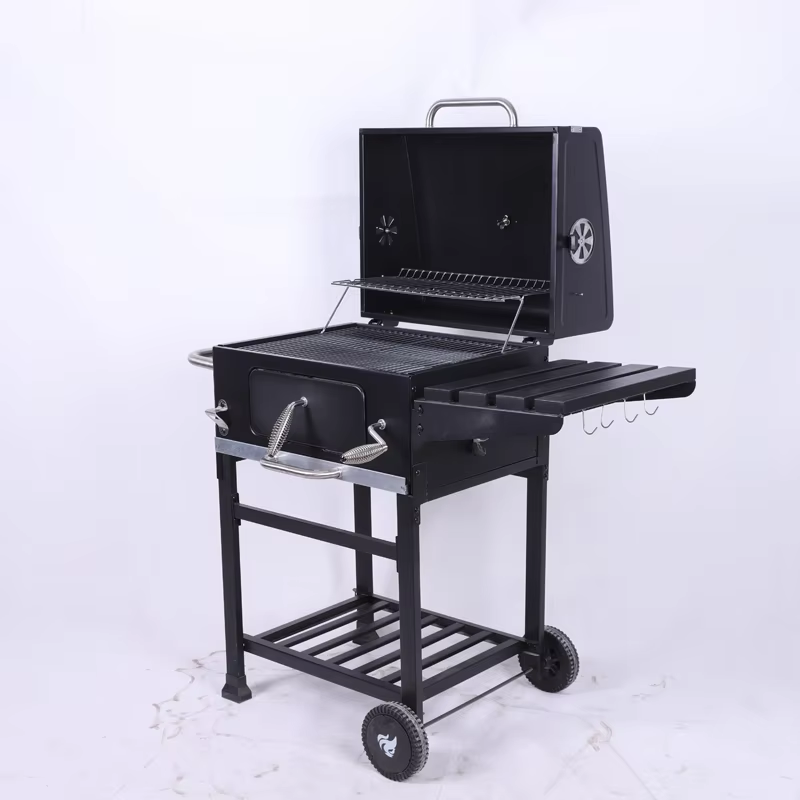
Choosing the right charcoal grill has never been more complex, yet more rewarding. The market today offers a wide spectrum of options, from time-tested traditional models to feature-rich modern designs that redefine what a charcoal grill can deliver. Understanding the key differences between these two categories helps buyers, chefs, and outdoor enthusiasts make confident, informed decisions rather than guessing which charcoal grill will best suit their cooking style.

The evolution of the charcoal grill spans decades of engineering innovation, material advancement, and shifting culinary culture. A traditional charcoal grill typically prioritizes simplicity, while a modern charcoal grill is engineered for precision, durability, and expanded cooking versatility. Whether you are a casual backyard cook or a serious grilling professional, knowing what separates a classic charcoal grill from a contemporary one is the first step toward finding the ideal match for your outdoor kitchen setup.
Construction and Material Differences
Traditional Charcoal Grill Build
A traditional charcoal grill is most commonly built from basic sheet metal or cast iron components assembled with minimal complexity. The classic kettle-style charcoal grill, for example, features a rounded bowl, a simple ash catcher, and a hinged cooking grate. This type of charcoal grill is lightweight and easy to transport, which has made it a household staple for decades. However, the thinner steel construction found in most entry-level traditional charcoal grill models means that heat retention and structural longevity can become limitations over time. A traditional charcoal grill also tends to lack protective surface coatings, making it more susceptible to rust after repeated exposure to weather and moisture.
Modern Charcoal Grill Build
A modern charcoal grill, by contrast, is typically fabricated from heavier-gauge steel or stainless steel, often finished with powder coating that resists rust, heat, and abrasion. The structural integrity of a modern charcoal grill is noticeably superior, with reinforced frames, welded joints, and precision-cut components. Many modern charcoal grill designs, including Santa Maria and Argentine-style models, incorporate wind guards, adjustable cooking grates, and integrated side tables that transform the charcoal grill into a fully functional outdoor cooking station. The powder-coated exterior of a modern charcoal grill also extends the product lifespan significantly, making it a better long-term investment for commercial operators and serious enthusiasts.
Heat Control and Cooking Performance
Airflow Management in a Traditional Charcoal Grill
Heat control in a traditional charcoal grill relies almost entirely on manual vent adjustment. Most traditional charcoal grill designs include a bottom vent and a lid vent that the cook opens or closes to regulate airflow and, therefore, combustion intensity. While experienced grillers can achieve excellent results with this approach, a traditional charcoal grill offers limited precision for those who need consistent temperature zones across a large cooking surface. The relatively shallow firebox found in a standard traditional charcoal grill also restricts how fuel can be arranged for indirect cooking methods.
Another performance characteristic of a traditional charcoal grill is its response time. Because the firebox is compact and the coal bed is close to the grate, a traditional charcoal grill heats up quickly but can also fluctuate in temperature more erratically. Managing a traditional charcoal grill over a long, slow cook requires constant attention and frequent coal additions, which can disrupt the cooking process and produce uneven results.
Advanced Heat Control in a Modern Charcoal Grill
A modern charcoal grill addresses heat management through thoughtful engineering. Argentine and Santa Maria-style charcoal grill models feature a height-adjustable grate system that allows the cook to raise or lower the cooking surface relative to the charcoal bed. This mechanical adjustment gives the operator direct control over radiant heat intensity without touching the coals. A charcoal grill built with a wind guard further stabilizes combustion in outdoor environments where wind would otherwise cause unpredictable flare-ups or temperature drops. The result is a charcoal grill experience that is measurably more consistent and professional.
Versatility and Cooking Applications
What a Traditional Charcoal Grill Can Do
A traditional charcoal grill is well-suited for standard grilling tasks such as burgers, steaks, chicken, and vegetables over direct heat. Its compact footprint makes a traditional charcoal grill easy to set up at picnics, tailgate events, or small backyard gatherings. The simplicity of a traditional charcoal grill also means that cleaning and maintenance are straightforward, requiring only basic tools and minimal effort. For casual cooks who prioritize convenience over control, a traditional charcoal grill remains a practical and affordable option.
Expanded Capabilities of a Modern Charcoal Grill
A modern charcoal grill expands the range of possible cooking methods considerably. With features like an extended cooking grate, a built-in side table, and a wind guard, a modern charcoal grill supports large-format grilling, open-fire roasting, and slow-cooking techniques that a traditional charcoal grill simply cannot accommodate. Commercial food service operators and outdoor catering professionals increasingly rely on the modern charcoal grill because it delivers restaurant-quality results at scale. The Argentine-style charcoal grill, in particular, is favored for its ability to cook large cuts of meat evenly over an open wood or charcoal fire, making it a staple in high-volume outdoor kitchens. A modern charcoal grill with a powder-coated finish also requires less maintenance than an uncoated charcoal grill, reducing the total cost of ownership for professional users.
FAQ
What is the main structural difference between a traditional and modern charcoal grill?
A traditional charcoal grill is typically made from lighter sheet metal with minimal finishing, while a modern charcoal grill uses heavier-gauge steel, welded frames, and powder-coated surfaces. This makes the modern charcoal grill more durable and better suited for frequent or commercial use.
Is a modern charcoal grill harder to use than a traditional charcoal grill?
Not necessarily. While a modern charcoal grill may offer more features such as adjustable grates and wind guards, these are designed to simplify heat control rather than complicate it. Many users find that a modern charcoal grill actually produces more consistent results with less guesswork than a traditional charcoal grill.
Which charcoal grill type is better for outdoor catering or commercial use?
A modern charcoal grill is generally the preferred choice for commercial or catering applications. Its larger cooking surface, sturdier construction, and advanced heat management features make the modern charcoal grill far more capable of handling high-volume cooking demands than a traditional charcoal grill designed for casual home use.