
 EN
EN



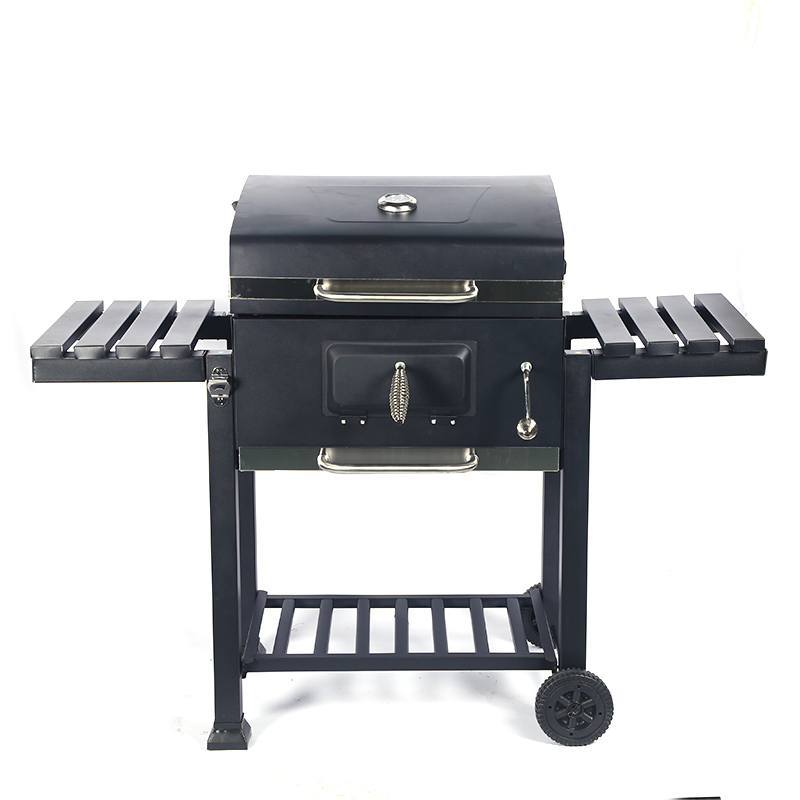
Distributors operating in the global export market face intense pressure to source products that balance quality, regulatory compliance, and customer satisfaction. When it comes to barbecue grills, the decision to stock certified models over standard alternatives has become a strategic differentiator for successful distributors. Certified barbecue grills offer measurable advantages that directly impact profitability, reduce liability exposure, and enhance brand reputation across international markets. Understanding why leading distributors prioritize certification is essential for anyone looking to build a competitive advantage in the outdoor living category.
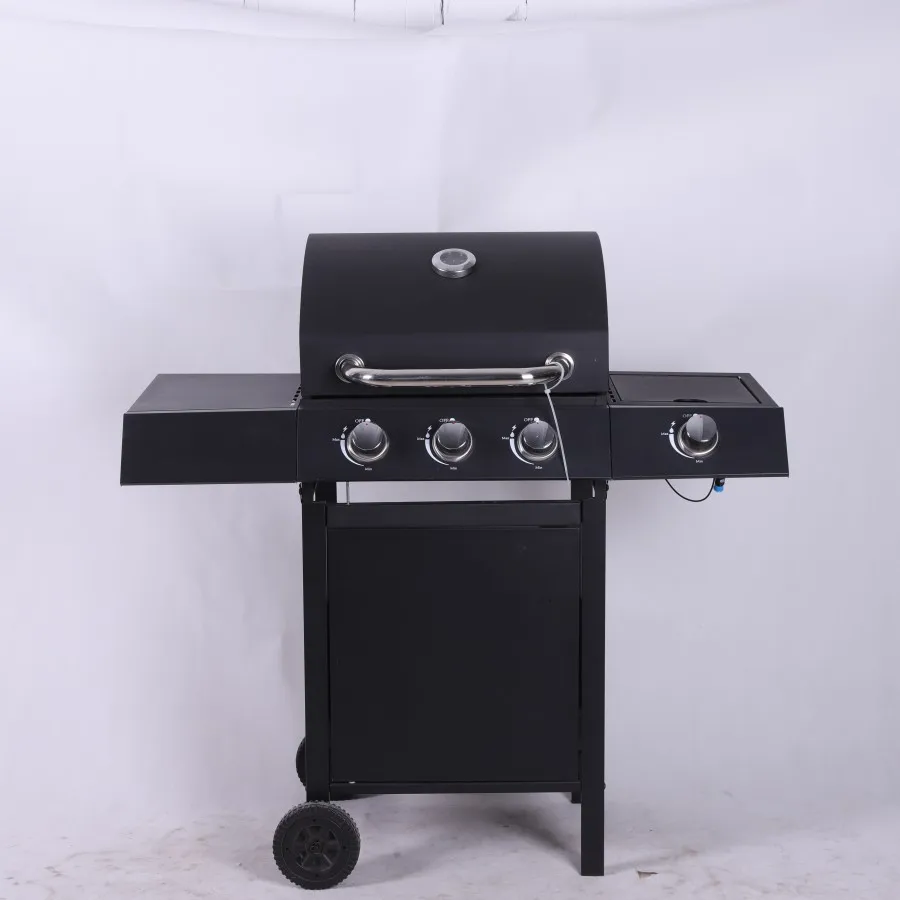
The export market for barbecue grills has grown significantly over the past decade, with consumers demanding higher performance standards and manufacturers facing stricter international regulations. Distributors who choose certified barbecue grills position themselves as premium suppliers capable of meeting demanding customer expectations and compliance requirements. This strategic choice reflects a deeper understanding of market dynamics, risk management, and long-term profitability in the outdoor equipment sector.
Regulatory Compliance and International Market Access
Meeting Global Safety Standards
Certified barbecue grills meet internationally recognized safety standards such as UL, CE, CSA, and regional equivalents that govern product safety across North America, Europe, and Asia-Pacific markets. These certifications verify that barbecue grills have undergone rigorous testing for gas leakage, structural integrity, temperature control, and fire safety compliance. Distributors who stock certified barbecue grills eliminate a significant sourcing complexity because their inventory automatically qualifies for most major export destinations without additional testing or modification. When regulatory bodies conduct inspections or customers request proof of compliance, certified barbecue grills provide immediate documentation that protects both the distributor and end users from potential legal and safety risks.
Reducing Liability and Legal Exposure
The liability landscape for consumer products has become increasingly complex, with product injury claims and regulatory penalties reaching into the millions for non-compliant manufacturers and distributors. By choosing certified barbecue grills, distributors significantly reduce their exposure to product liability lawsuits, import restrictions, and costly recalls. Certified barbecue grills include comprehensive documentation trails that demonstrate due diligence in product selection and quality assurance. In cases where product disputes arise, certification serves as strong evidence that the distributor exercised reasonable care in sourcing safe, compliant equipment. Insurance providers often recognize this risk mitigation strategy by offering better coverage terms and premium rates for distributors who stock certified barbecue grills exclusively.
Quality Assurance and Customer Confidence
Consistent Performance and Durability
Certification requires manufacturers of barbecue grills to meet strict material specifications, welding standards, paint durability requirements, and performance benchmarks that far exceed typical industry averages. Distributors who carry certified barbecue grills can confidently guarantee consistent heat distribution, reliable ignition systems, and long-term structural durability to their customers. When end consumers invest in barbecue grills, they expect equipment that performs reliably across multiple seasons and weather conditions. Certified barbecue grills deliver on this expectation by incorporating reinforced construction, corrosion-resistant materials, and proven design elements validated through independent laboratory testing. This consistency reduces customer returns, warranty claims, and negative feedback that can damage a distributor's reputation in competitive markets.
Building Brand Reputation and Market Differentiation
In crowded export markets, distributors compete not just on price but on the perceived quality and reliability of their product portfolios. Choosing certified barbecue grills sends a clear market signal that a distributor prioritizes customer safety and product excellence over short-term margin maximization. Retailers and end consumers increasingly recognize certification marks as badges of quality and trustworthiness, making certified barbecue grills easier to sell and more resistant to price-based competition. Distributors who build their brands around certified barbecue grills establish stronger customer loyalty and command premium pricing that improves overall profitability. This reputational advantage extends across multiple product categories as customers trust the distributor's judgment on other outdoor living equipment they offer.
Economic and Operational Benefits
Streamlined Supply Chain and Faster Market Entry
Certified barbecue grills eliminate months of back-and-forth communication with customs authorities, testing laboratories, and regulatory agencies that typically accompany non-certified products. Distributors can import certified barbecue grills directly into most developed markets with minimal documentation review because certification credentials are already established and recognized by border officials. This operational efficiency translates into faster inventory turnover, reduced working capital requirements, and the ability to capitalize on seasonal demand windows before competitors. When a distributor sources certified barbecue grills, they avoid the hidden costs associated with product delays, compliance rejections, and rushed certification efforts that can consume significant management time and resources.
Competitive Pricing and Margin Protection
While certified barbecue grills may carry a modestly higher unit cost than non-certified alternatives, the total cost of ownership for distributors is substantially lower when accounting for reduced returns, warranty claims, regulatory compliance costs, and risk mitigation. Retailers who stock certified barbecue grills can justify premium pricing to end consumers based on proven quality and compliance credentials. Distributors benefit from this pricing power by maintaining healthier margins while still offering competitive retail prices. Additionally, the ability to move inventory faster and manage cash flow more efficiently with certified barbecue grills creates a financial advantage that compounds over time. Market data consistently shows that distributors specializing in certified barbecue grills achieve higher return on investment compared to those relying on commodity-priced, non-certified equipment.
Market-Specific Applications and Regional Demand
Adapting to Regional Preferences and Regulations
Different export markets have distinct preferences regarding fuel type, size specifications, and performance features for barbecue grills. Certified barbecue grills often come in multiple configurations optimized for specific regional requirements, allowing distributors to tailor their product mix to local customer preferences. European consumers may prefer compact, high-efficiency models, while North American markets demand larger capacity barbecue grills with advanced features. By choosing certified barbecue grills available in regional variants, distributors can efficiently serve multiple markets without maintaining excessive inventory diversity. This flexibility makes certified barbecue grills a practical choice for distributors pursuing multi-market expansion strategies.
Supporting Retail Partners and End-User Success
Retailers who stock certified barbecue grills receive comprehensive support materials, warranty documentation, and customer service resources that help them close sales and resolve issues quickly. Distributors who back their certified barbecue grills with strong retailer support programs build stronger channel partnerships and achieve higher sell-through rates. End users benefit from consistent product information, clear safety guidelines, and reliable after-sales support that comes with certified barbecue grills. These factors create a virtuous cycle where customer satisfaction drives repeat purchases, positive reviews, and word-of-mouth referrals that benefit distributors across their entire market region.
FAQ
What certifications should distributors look for when sourcing barbecue grills for export?
Distributors should prioritize barbecue grills carrying UL (Underwriters Laboratories), CE (Conformité Européenne), CSA (Canadian Standards Association), or equivalent regional certifications depending on target markets. UL certification is essential for North American distribution, while CE marking is mandatory for European Union countries. Many leading distributors source barbecue grills with multiple certifications to maximize market access and reduce the need for recertification across different regions. Verifying certification authenticity through manufacturer documentation and regulatory body databases protects distributors from counterfeit credentials.
How do certified barbecue grills affect distributor profitability compared to non-certified alternatives?
While certified barbecue grills typically cost 5–15% more per unit than non-certified models, distributors recover this premium through higher retail pricing, reduced warranty claims, faster inventory turnover, and lower risk management costs. Studies show that distributors specializing in certified barbecue grills achieve 20–30% higher net margins when accounting for all operational factors. The elimination of costly recalls, regulatory penalties, and liability exposure makes certified barbecue grills economically superior over medium and long-term planning horizons, despite higher initial unit costs.
Can distributors successfully market certified barbecue grills to price-sensitive customers?
Yes, distributors can effectively market certified barbecue grills to price-conscious buyers by emphasizing long-term value, durability, warranty coverage, and safety credentials rather than competing on initial purchase price. Customer education campaigns highlighting the hidden costs of non-certified barbecue grills—such as frequent repairs, regulatory rejections, and safety risks—help shift buyer perception from price to value. Retailers trained to explain certification benefits can successfully position certified barbecue grills as premium products justifying higher prices, particularly in developed markets where consumer safety awareness is high.