
 EN
EN



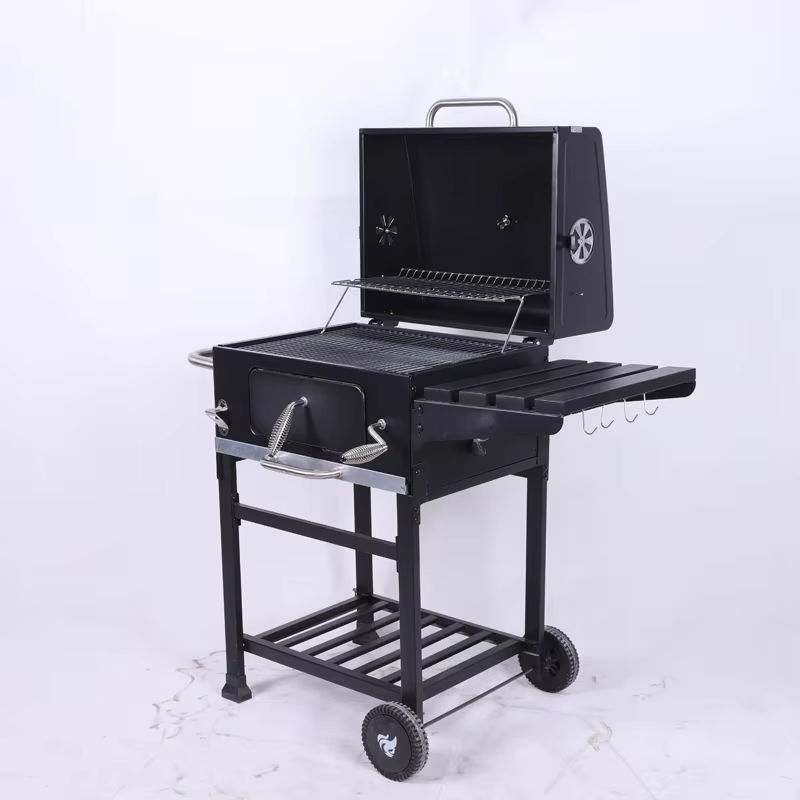
Exporting charcoal barbecue equipment requires navigating complex international manufacturing standards and regulatory frameworks. Whether you manufacture portable charcoal barbecue units or large commercial charcoal barbecue systems, compliance with global standards is essential for market access, consumer safety, and brand reputation. Understanding the key manufacturing standards for exporting charcoal barbecue products ensures your production meets international expectations and reduces rejection risks at customs or retail distribution points.
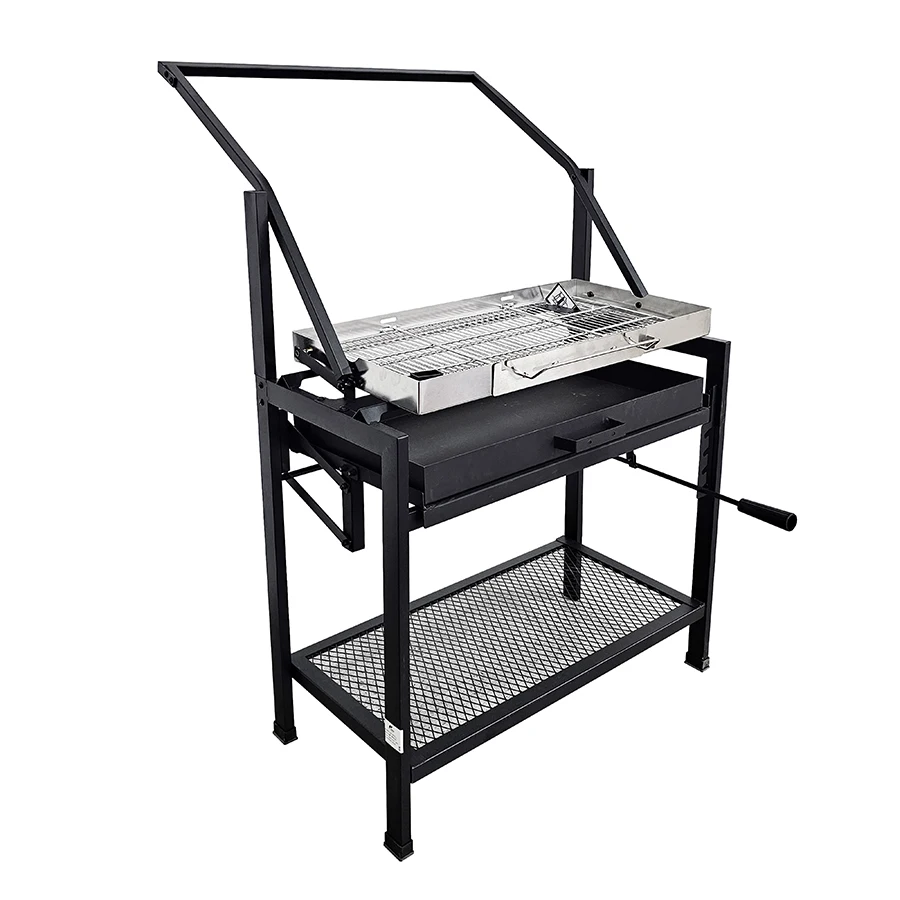
The charcoal barbecue industry operates under overlapping standards set by regional bodies, national governments, and international organizations. Each charcoal barbecue manufacturer must balance material quality, design safety, durability, and environmental compliance when preparing products for export. This article explores the core manufacturing standards that govern charcoal barbecue production and export, helping manufacturers understand what's required to succeed in global markets.
Safety and Material Standards for Charcoal Barbecue Production
Fire Safety and Thermal Performance Requirements
Fire safety is the primary concern for any charcoal barbecue manufacturer. The charcoal barbecue must meet rigorous thermal performance standards to prevent uncontrolled heat transmission, surface burns, or structural failure during use. International standards such as ISO and EN specifications require charcoal barbecue products to maintain specific heat resistance thresholds on external surfaces. A high-quality charcoal barbecue must prevent handle temperatures from exceeding safe touch limits, typically 65–75 degrees Celsius, and ensure the charcoal chamber maintains structural integrity under sustained high temperatures.
Testing protocols for charcoal barbecue safety involve subjecting units to extended burn tests and thermal cycling to simulate real-world use. Manufacturers must document that each charcoal barbecue design can withstand repeated heating and cooling cycles without deformation, cracking, or rust formation. Export markets in North America, Europe, and Australia enforce strict thermal performance validation for all charcoal barbecue equipment.
Material Composition and Corrosion Resistance
The materials used in charcoal barbecue construction directly affect product lifespan and safety. Export standards require charcoal barbecue manufacturers to source food-grade materials that resist rust, corrosion, and chemical degradation. Stainless steel grades 304 and 316 are industry standards for charcoal barbecue bodies, grates, and cooking surfaces because they withstand high moisture exposure and salt spray environments typical in outdoor use. A reliable charcoal barbecue must also use non-toxic paints, coatings, and fasteners that meet food contact safety regulations.
Certification testing for material composition in charcoal barbecue products includes salt spray exposure tests lasting 500–1000 hours, depending on market destination. Export charcoal barbecue manufacturers must provide material certifications, mill test reports, and third-party corrosion resistance validation. Galvanized components are acceptable for charcoal barbecue frames in some markets but are prohibited in others due to zinc leaching concerns.
Regulatory Compliance and Certification Pathways
Regional Certification Requirements for Charcoal Barbecue Equipment
Different regions enforce distinct certification requirements for charcoal barbecue products. European markets require CE marking and compliance with Machinery Directive 2006/42/EC and Product Safety Directive 2001/95/EC for charcoal barbecue units. North American exporters must obtain UL, CSA, or ANSI certification for charcoal barbecue products to access retail channels. Australian and New Zealand markets demand AS/NZS compliance certification specifically for charcoal barbecue outdoor heating appliances. Each certification pathway requires independent testing by accredited laboratories, adding lead time and cost to charcoal barbecue production schedules.
The charcoal barbecue manufacturer must plan certification timelines before production begins. Obtaining CE marking for a charcoal barbecue typically requires six to twelve weeks from test initiation to certificate issuance. Dual certification for charcoal barbecue products—meeting both European and North American standards—often requires separate test batches and documentation, increasing overall compliance costs by 15–25 percent.
Product Documentation and Traceability Standards
Export regulations mandate comprehensive documentation for each charcoal barbecue product batch. Manufacturing records must track material sources, batch numbers, production dates, and quality inspection results for every charcoal barbecue unit. Traceability standards require charcoal barbecue manufacturers to maintain detailed records allowing rapid identification and recall of defective units if safety issues emerge. Export-destined charcoal barbecue equipment must include multilingual user manuals, safety warnings, and assembly instructions meeting ISO 1019 technical illustration standards and local language requirements.
Quality management system certification, such as ISO 9001, strengthens market positioning for charcoal barbecue manufacturers. Many large retailers and distributors require charcoal barbecue suppliers to hold ISO 9001 accreditation, treating it as a non-negotiable supplier qualification criterion. Establishing documented quality protocols, preventive maintenance schedules, and continuous improvement processes for charcoal barbecue production facilities demonstrates professional manufacturing capability to international buyers.
Design, Durability, and Performance Standards for Charcoal Barbecue Export
Structural Integrity and Load-Bearing Requirements
Charcoal barbecue units must pass rigorous structural testing to ensure safe operation under intended use conditions. Export standards require charcoal barbecue designers to conduct finite element analysis and physical load testing confirming that grills withstand intended cooking loads, user contact forces, and environmental stresses. A portable charcoal barbecue must handle minimum loads of 50–100 kilograms of charcoal plus cooking food without structural failure, handle deformation, or leg collapse. Stability testing for charcoal barbecue equipment includes tilt tests, uneven surface placement, and wind load simulation to prevent tip-over hazards.
Leg design, fastener specifications, and weld quality directly impact charcoal barbecue durability and export compliance. Substandard welding in a charcoal barbecue frame creates stress concentration points leading to premature failure and potential user injury. Export-quality charcoal barbecue manufacturers employ ultrasonic or X-ray inspection of critical welds, stress-relieving heat treatment, and fatigue testing spanning minimum 10,000 operational cycles.
Environmental and Emission Standards
Environmental regulations increasingly affect charcoal barbecue manufacturing standards, particularly in environmentally conscious markets like Europe and California. Some charcoal barbecue designs must comply with air quality standards limiting particulate emissions during charcoal combustion. Charcoal barbecue manufacturers may need to incorporate grate designs, airflow optimization, or coating treatments that reduce smoke generation and ash dispersal. Export charcoal barbecue products destined for California must meet SCAQMD (South Coast Air Quality Management District) emission thresholds, which may require specialized gasket materials, combustion chamber designs, or alternative fuel compatibility.
Packaging materials for exported charcoal barbecue equipment must also meet environmental standards. Many charcoal barbecue export markets restrict plastic packaging content, mandate recycled material usage, or require biodegradable filler materials. Design optimization—creating lighter, more compact charcoal barbecue units—reduces transportation emissions and packaging waste, strengthening environmental compliance profiles for export shipments.
FAQ
What certifications must a charcoal barbecue manufacturer obtain before exporting?
A charcoal barbecue exporter must obtain region-specific certifications depending on target markets. European charcoal barbecue exports require CE marking under Machinery and Product Safety Directives. North American charcoal barbecue sales require UL, CSA, or ANSI certification. Australian markets require AS/NZS certification for charcoal barbecue units. Many manufacturers pursue multiple certifications simultaneously to access diverse markets, which typically requires engaging accredited testing laboratories and maintaining ISO 9001 quality management systems throughout charcoal barbecue production.
Which material standards apply to charcoal barbecue stainless steel components?
Charcoal barbecue manufacturers must use food-grade stainless steel meeting ASTM A276 or equivalent specifications. Type 304 stainless steel is standard for charcoal barbecue cooking surfaces and grates, while Type 316 is preferred for coastal or salt-spray environments where enhanced corrosion resistance benefits long-term charcoal barbecue durability. Charcoal barbecue fasteners, hinges, and hardware must also be stainless steel or equivalently corrosion-resistant materials. Export charcoal barbecue suppliers must provide mill test reports and third-party corrosion resistance validation confirming material compliance.
How often must charcoal barbecue products undergo testing and re-certification?
Charcoal barbecue manufacturers must conduct initial certification testing before first export shipment, then maintain compliance through ongoing quality assurance protocols. If a charcoal barbecue design, material, or manufacturing process changes significantly, new testing may be required. Most export markets expect annual or biennial charcoal barbecue product audits and documentation reviews. Maintaining detailed production records, traceability systems, and quality management certifications allows charcoal barbecue manufacturers to demonstrate continuous compliance without repeating full certification cycles for every production batch.