
 EN
EN



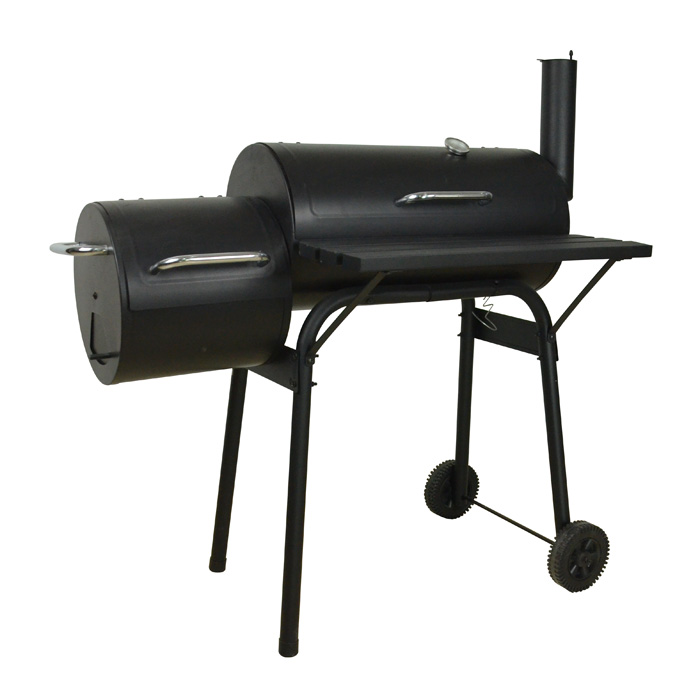
Selecting the right materials for a charcoal grill is one of the most important decisions any buyer, operator, or procurement manager can make. The material determines how well a charcoal grill handles extreme heat cycles, outdoor exposure, grease accumulation, and physical wear over months and years of use. A poorly chosen material leads to corrosion, warping, and structural failure long before the grill should reach the end of its service life.

Understanding material properties is especially critical in B2B and commercial contexts, where a charcoal grill is used daily in outdoor kitchens, catering operations, food stalls, or hotel settings. In these environments, durability is not optional — it is a direct factor in operational cost, maintenance frequency, and return on investment. This guide explores the key material options, their performance characteristics, and how to evaluate them for long-term charcoal grill durability.
Why Material Choice Defines Charcoal Grill Lifespan
Heat Resistance and Thermal Cycling
Every charcoal grill endures repeated cycles of extreme heat and cooling. When charcoal burns, the firebox of a charcoal grill can reach temperatures well above 300 degrees Celsius. Materials that cannot handle this thermal stress will expand and contract unevenly, leading to cracks, warping, and joint failures. For a charcoal grill intended for long-term use, the firebox and grate materials must retain structural integrity through thousands of heat cycles without degrading in shape or surface quality.
Carbon steel is a widely used material in the charcoal grill industry because of its excellent thermal conductivity and high heat tolerance. A heavy-duty charcoal grill built from thick-gauge carbon steel resists deformation under sustained high temperatures. The thickness of the steel plate directly correlates with how long a charcoal grill maintains its geometry after repeated use. Thinner steel saves cost upfront but dramatically reduces the working lifespan of any charcoal grill.
Corrosion Resistance Over Time
Outdoor use exposes a charcoal grill to moisture, rain, humidity, and salt in coastal environments. Corrosion is the leading cause of premature failure in a charcoal grill that is otherwise mechanically sound. Without protective treatment, even a well-constructed charcoal grill made from carbon steel will develop surface rust within one or two seasons. This does not just affect appearance — deep rust compromises the wall thickness of the grill body and eventually leads to perforation and structural collapse.
High-temperature powder coating and heat-resistant paint are the most common surface treatments applied to a carbon steel charcoal grill. These coatings create a barrier against moisture and oxidation without significantly affecting heat performance. When evaluating a charcoal grill for durability, inspect the coating thickness, adhesion quality, and whether the coating is specifically rated for high-temperature environments. A coating not designed for heat will blister and peel on any active charcoal grill within weeks.
Key Materials Used in Durable Charcoal Grill Construction
Carbon Steel as the Industry Standard
Carbon steel remains the most practical material for a heavy-duty charcoal grill in commercial and professional settings. It offers a strong balance of affordability, weldability, and heat resistance. A charcoal grill constructed from carbon steel with a wall thickness of 2mm or more provides a reliable working life when properly maintained. The material is also easy to repair and fabricate, which matters for operators who need custom sizes or replacement parts for their charcoal grill.
One important advantage of carbon steel in charcoal grill design is its ability to season over time, similar to cast iron. With repeated use and occasional oiling, the cooking surface of a carbon steel charcoal grill develops a natural non-stick layer that improves both food quality and corrosion resistance. This seasoning effect means a well-used charcoal grill actually performs better over time, not worse, assuming the base metal remains in sound condition.
Cast Iron Grates and Their Role in Charcoal Grill Performance
While the body of a charcoal grill is typically made from carbon steel or similar metals, the cooking grate is where material choice most visibly affects food quality. Cast iron grates are favored in professional charcoal grill applications because they retain and distribute heat evenly. This means consistent sear marks, faster cooking, and better heat management across the full surface of a charcoal grill.
Cast iron grates on a charcoal grill require periodic seasoning and protection from moisture to prevent rust. However, when maintained properly, cast iron grates outlast chrome-plated or plain steel alternatives by a significant margin. For any charcoal grill intended for frequent, high-volume use, cast iron grates represent a worthwhile material investment that directly supports long-term durability goals.
Design Features That Enhance Charcoal Grill Material Performance
Adjustable Height Mechanisms and Material Stress
A charcoal grill with an adjustable height feature places additional mechanical demands on its construction materials. The adjustment mechanism must handle both the weight of the grill surface and the stress of frequent repositioning near intense heat. In a professional charcoal grill, this mechanism is typically fabricated from the same carbon steel used in the main body, with reinforced joints at connection points. Poorly designed adjustment hardware made from thin or low-grade metal will loosen and fail quickly on a working charcoal grill.
When selecting a charcoal grill with height adjustment, evaluate whether the moving parts are designed to handle the full thermal and mechanical load. Look for welded construction rather than bolted joints at critical points on the charcoal grill frame. Welded carbon steel joints on a charcoal grill are more resistant to heat-induced loosening than mechanical fasteners that can expand and contract at different rates than the surrounding metal.
Ventilation Design and Material Longevity
Airflow management in a charcoal grill affects both combustion efficiency and material durability. A charcoal grill with well-positioned vents allows operators to control burn temperature, which directly reduces the peak thermal stress placed on the metal body. Overheating a charcoal grill body by restricting airflow accelerates oxidation and weakens surface coatings faster than normal operating conditions. Proper ventilation design is therefore a material-preservation feature, not just a cooking feature, in any long-term charcoal grill investment.
FAQ
What is the best metal for a long-lasting charcoal grill?
Carbon steel is widely considered the best material for a durable charcoal grill because it offers high heat tolerance, good weldability, and reasonable corrosion resistance when properly coated. Thicker gauge carbon steel extends the service life of a charcoal grill significantly, especially in commercial or high-frequency use environments.
How do I prevent rust on my charcoal grill?
To prevent rust on a charcoal grill, apply a high-temperature powder coating or heat-resistant paint to all external surfaces. Season cast iron or carbon steel grates regularly with cooking oil. Store the charcoal grill covered or indoors when not in use, especially in humid or coastal climates where moisture accelerates corrosion on any charcoal grill surface.
Does a thicker steel charcoal grill last longer?
Yes, a charcoal grill built from thicker steel plate generally lasts longer because the additional metal mass resists warping, cracking, and burn-through during high-temperature use. For a professional or commercial charcoal grill, a minimum wall thickness of 2mm is recommended to ensure the structure withstands daily thermal cycling without premature failure.