
 EN
EN



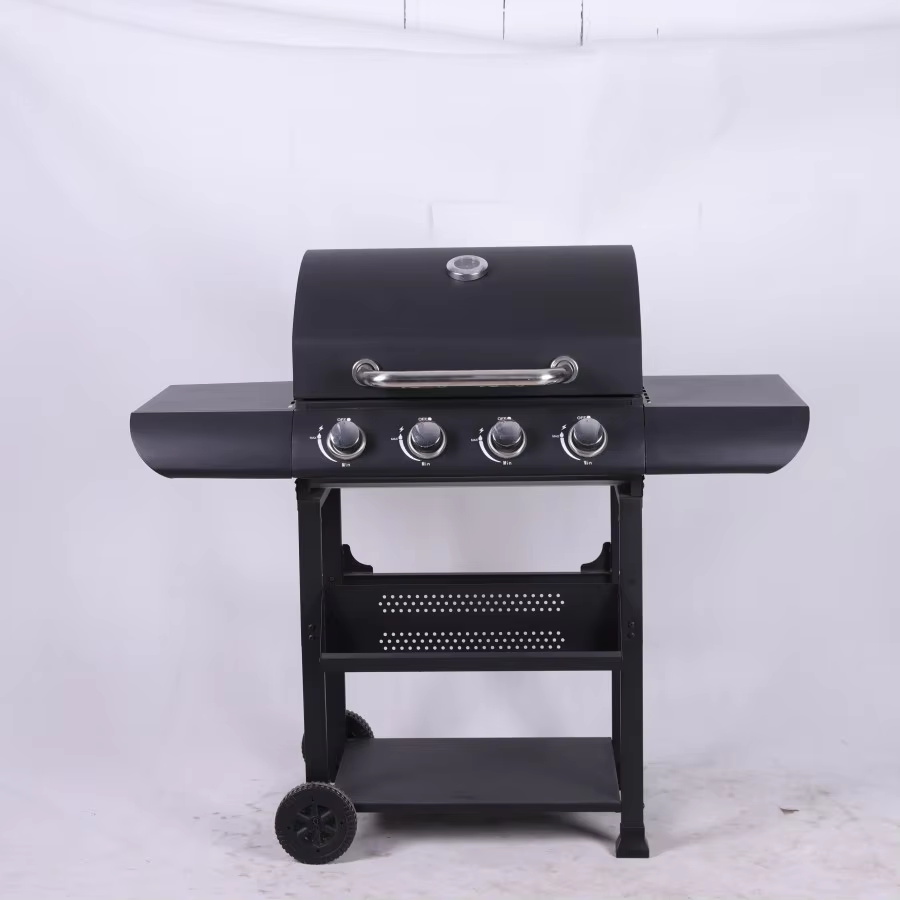
Understanding how a gas grill is manufactured for international standards is essential for buyers, importers, and distributors who need reliable, safe, and compliant products. The global market for outdoor cooking equipment has grown steadily, and a gas grill that meets recognized international benchmarks carries significantly higher commercial value. From raw material sourcing to final assembly, every stage of gas grill production is guided by strict technical requirements designed to ensure performance, safety, and durability across different markets.
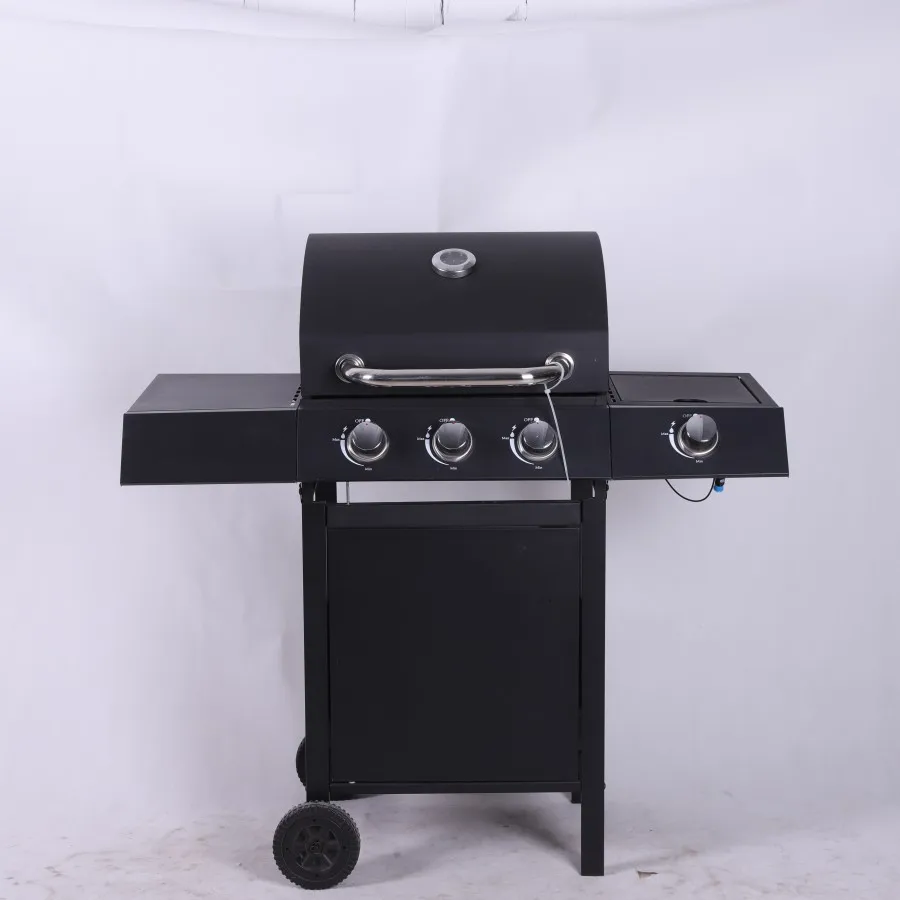
A gas grill built for international distribution must satisfy a complex set of engineering and compliance criteria. Whether the gas grill is destined for North American, European, or Asia-Pacific markets, the manufacturing process must align with the specific certification frameworks governing each region. This article explains the core stages of gas grill manufacturing, the materials and components involved, and how international compliance is embedded throughout the production process rather than treated as an afterthought.
Raw Materials and Component Selection in Gas Grill Production
Steel Grades and Surface Treatment for a Gas Grill
The foundation of every gas grill begins with the selection of appropriate steel grades. Manufacturers typically use cold-rolled steel, stainless steel, or aluminized steel depending on the target price point and intended climate conditions. A gas grill body constructed from 430-grade stainless steel or higher offers both corrosion resistance and structural integrity, making it suitable for export markets with strict material traceability requirements. Surface treatment, including porcelain enamel coating or powder coating, is applied to protect the gas grill exterior from oxidation, UV degradation, and high-temperature stress over extended use cycles.
Cast iron or stainless steel cooking grates are selected for the gas grill based on heat retention needs and ease of cleaning. Cast iron grates provide superior heat distribution, while stainless steel grates offer lighter weight and faster heat-up times. The burner tubes inside a gas grill are commonly made from aluminized steel or stainless steel, with wall thickness determined by pressure tolerance specifications. International standards require burner materials to withstand prolonged exposure to combustion byproducts without significant degradation.
Valve and Regulator Standards in Gas Grill Engineering
The gas control system is the most safety-critical component of any gas grill. Valves, regulators, and manifold assemblies must be precision-machined to control gas flow within tight tolerances. In a gas grill designed for the North American market, the regulator must comply with ANSI Z21.58 or CSA 1.6 standards for outdoor cooking gas appliances. For European markets, a gas grill must conform to EN 498 standards, which govern outdoor barbecues and specify requirements for gas pressure, materials, and labeling. Each valve on the gas grill is individually tested for leakage before the unit proceeds to assembly.
Assembly Process and Quality Control in Gas Grill Manufacturing
Sequential Assembly Stages for a Compliant Gas Grill
Gas grill manufacturing follows a sequential assembly process that integrates quality checkpoints at every stage. The frame of the gas grill is welded and inspected for structural alignment before any other components are attached. Burner tubes are fitted into the manifold, and each connection point on the gas grill is checked for dimensional accuracy. The ignition system, whether piezo or electronic, is installed and tested on every individual gas grill unit before the cooking chamber is sealed. Fasteners used in gas grill assembly must meet torque specifications to prevent loosening under thermal expansion during operation.
Side burners, warming racks, and drip trays are assembled onto the gas grill frame following the primary burner installation. Each gas grill unit undergoes a pre-shipment visual inspection covering paint uniformity, surface finish, and component alignment. Any gas grill unit showing surface defects, weld inconsistencies, or dimensional deviations is flagged for rework before the quality sign-off is issued. This structured approach ensures every gas grill leaving the production facility reflects the same standard as the certified prototype.
Pressure Testing and Leak Detection for Every Gas Grill
Before any gas grill is cleared for packaging and shipment, it must pass a gas pressure test and leak detection procedure. Manufacturers inject inert gas or air at operating pressure into the gas grill manifold and check all joints, valves, and connection points using leak detection solution. A gas grill that shows any leakage is immediately removed from the production line and returned for re-inspection and repair. This mandatory step prevents defective gas grill units from reaching end users and is a core requirement under both North American and European compliance frameworks. Documented test records are maintained for each gas grill batch to support traceability and audit requirements.
International Certification and Compliance for Gas Grill Export
Certification Frameworks Governing Gas Grill Manufacturing
A gas grill intended for international export must obtain certification from recognized bodies before it can be legally sold in target markets. In the United States and Canada, a gas grill must carry CSA or ETL certification demonstrating compliance with ANSI standards for outdoor gas appliances. In Europe, a gas grill must bear the CE mark, confirming conformity with the Gas Appliances Regulation and relevant harmonized standards. Some markets also require a gas grill to carry country-specific approvals, such as SAA certification for Australia or PSB certification for Singapore. These certifications are obtained through third-party testing laboratories that evaluate the gas grill against performance, safety, and emissions criteria.
Documentation and Labeling Requirements for a Gas Grill
International compliance for a gas grill extends beyond the product itself to include documentation, labeling, and instruction manuals. Every certified gas grill must carry a permanently affixed data plate stating the gas type, operating pressure, heat input rating, and certification mark. The gas grill instruction manual must be available in the official language of the destination market and must include safety warnings, assembly instructions, and maintenance guidance. Importers and distributors sourcing a gas grill from overseas manufacturers should request the full compliance documentation package, including test reports, declaration of conformity, and factory audit records, before placing bulk orders.
FAQ
What international standards apply to gas grill manufacturing?
The most widely referenced standards for gas grill manufacturing include ANSI Z21.58 and CSA 1.6 for North American markets, EN 498 for Europe, and various national approval schemes for Australia, Singapore, and other markets. Each standard specifies requirements for materials, pressure tolerance, ignition systems, and labeling. A gas grill exported internationally should carry the certification relevant to each destination market.
How is a gas grill tested for safety before export?
Every gas grill undergoes a series of safety tests before it is cleared for export. These tests include gas pressure testing, leak detection on all connection points, ignition system verification, and structural load assessment. Third-party laboratories conduct formal certification testing on a gas grill prototype, and the production line applies inline quality checks to each gas grill unit produced. This dual-layer approach ensures both the design and the manufactured gas grill unit meet the required safety thresholds.
Why does gas grill manufacturing require third-party certification?
Third-party certification for a gas grill is required because self-declaration alone is not accepted under most international regulatory frameworks. An independent laboratory validates that the gas grill design and manufacturing process consistently meet the declared standards. This protects end users from unsafe gas grill products, gives importers legal certainty when entering regulated markets, and provides manufacturers with a credible quality signal that supports commercial relationships and reduces liability risk.