
 EN
EN



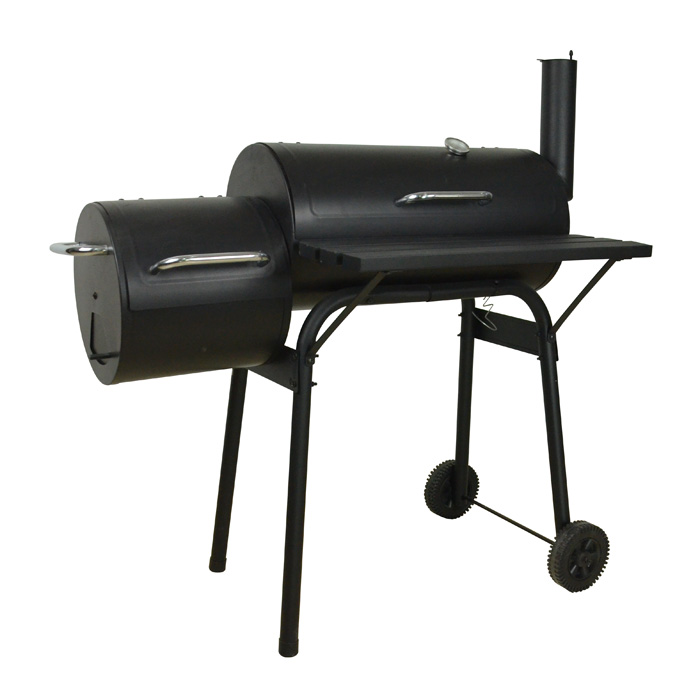
In the competitive world of B2B retail sourcing, gas grills have emerged as one of the most consistently demanded product categories. Importers who supply large-format retailers, home improvement chains, and outdoor lifestyle stores have discovered that gas grills deliver reliable sell-through rates, strong margin potential, and broad consumer appeal. As outdoor cooking culture continues to expand globally, the strategic case for stocking gas grills in large quantities has never been stronger.

B2B importers are not simply reacting to trends when they prioritize gas grills — they are making calculated sourcing decisions based on category performance data, consumer behavior shifts, and the logistical advantages that gas grills offer over competing product types. Understanding why gas grills dominate large-scale retail procurement helps both new and established importers sharpen their buying strategies and negotiate more effectively with manufacturers.
The Retail Demand Drivers Behind Gas Grills
Consumer Preference for Convenience and Performance
One of the most powerful reasons importers choose gas grills is that end consumers strongly prefer them for ease of use. Gas grills ignite quickly, reach cooking temperature fast, and allow precise heat control — qualities that charcoal alternatives simply cannot match at the same convenience level. Retailers report that gas grills consistently outsell other grill types in mainstream retail environments, making them a low-risk, high-velocity SKU for any large-scale buyer.
When a retail chain commits to a seasonal outdoor category, gas grills anchor the assortment. Importers who secure quality gas grills early in the buying cycle gain shelf space priority and benefit from first-mover sell-through advantages. This consumer-led pull is a core reason why gas grills remain a top procurement target across multiple retail channels.
Year-Round Sales Potential Across Markets
Unlike products tied to a single season, gas grills generate sales across a broad retail calendar. In warmer climates, gas grills sell steadily throughout the year. In temperate regions, importers leverage peak spring and summer demand, supplemented by holiday gifting cycles in the fourth quarter. This extended sales window makes gas grills especially attractive to large-scale retail buyers who need products with predictable and sustained inventory turns.
Sourcing Advantages That Make Gas Grills Ideal for Bulk Orders
Scalable Manufacturing and Customization Options
Gas grills are manufactured at industrial scale by a wide network of capable suppliers, giving importers significant leverage when negotiating pricing, configurations, and private-label options. Importers sourcing gas grills in bulk can specify burner counts, BTU ratings, trolley designs, side shelf configurations, and ignition systems — creating retailer-exclusive versions that reduce direct price comparison pressure at shelf. The flexibility that gas grills offer in terms of product differentiation is a major advantage for large-scale retail importers.
Heavy-duty models such as five-burner gas grills with trolley frames and smokeless technology represent the premium end of what importers can source for large-scale retail. These configurations appeal to retailers targeting outdoor lifestyle consumers who are willing to invest in durable, feature-rich gas grills for long-term home use.
Favorable Container Economics and Logistics Fit
From a logistics perspective, gas grills are well-suited for container-based bulk importing. Gas grills are typically shipped in flat-pack or semi-assembled configurations, maximizing container fill rates and reducing per-unit freight costs. Importers with established container programs find that gas grills integrate naturally into their supply chain without requiring specialized handling or storage infrastructure. These practical logistics advantages reinforce why gas grills rank highly in large-scale retail sourcing programs.
Importers also benefit from the fact that gas grills are a mature product category with well-documented compliance and certification pathways. Standards for gas grills — covering safety valves, hose fittings, and burner assemblies — are broadly understood by both manufacturers and customs authorities, reducing the risk of import delays or product holds that can disrupt retail replenishment schedules.
What Retailers Expect from Imported Gas Grills
Category Positioning and Price Tier Coverage
Large-scale retailers typically expect importers to supply gas grills across multiple price tiers, from entry-level two-burner models to premium five-burner gas grills with enhanced features. This tiered approach allows retailers to serve budget-conscious shoppers alongside consumers seeking high-performance outdoor cooking equipment. Importers who can fulfill gas grills across this price architecture become strategic partners rather than transactional vendors, strengthening their long-term retail relationships.
Retailers also expect gas grills to arrive with complete packaging, multilingual assembly instructions, and compliance documentation appropriate for their regional market. Importers who ensure gas grills meet these retail-ready standards reduce the risk of listing rejections and chargebacks, protecting both their margins and their reputations as reliable supply partners.
Durability and After-Sales Support Expectations
When retailers commit to stocking gas grills at scale, they carry implicit quality assurance obligations to their own customers. Importers are expected to source gas grills that are built to last, using robust steel frames, corrosion-resistant coatings, and reliable ignition systems. Gas grills that generate high return rates or warranty claims damage retail relationships quickly. Sourcing durable gas grills from manufacturers with verifiable quality controls is therefore not just a product decision — it is a business continuity decision for any serious importer.
FAQ
What minimum order quantities are typical for bulk gas grills?
Minimum order quantities for gas grills in B2B contexts typically range from one full container load to smaller mixed-product containers, depending on the manufacturer. For standard gas grills, most factories set MOQs between 50 and 200 units per model, though high-volume retail importers often negotiate lower per-unit pricing by committing to larger gas grills orders across multiple SKUs.
Which certifications should imported gas grills carry for retail markets?
Gas grills destined for major retail markets generally require certifications aligned with regional safety standards. For North American retail, gas grills should carry CSA or UL certification. For European markets, gas grills must meet CE marking requirements and applicable EN standards. Importers should verify that gas grills carry the correct certifications before placing bulk orders to avoid compliance issues at customs or retail compliance audits.
How do importers differentiate gas grills for private-label retail programs?
Importers differentiate gas grills for private-label retail by working with manufacturers to customize color schemes, branding elements, burner configurations, and accessory bundles. Unique features such as integrated smoker boxes, side burners, or heavy-duty trolley designs help gas grills stand apart from generic assortments. Private-label gas grills allow retailers to build exclusive product identities while importers gain stronger account loyalty and reduced margin erosion from direct price comparison.