
 EN
EN



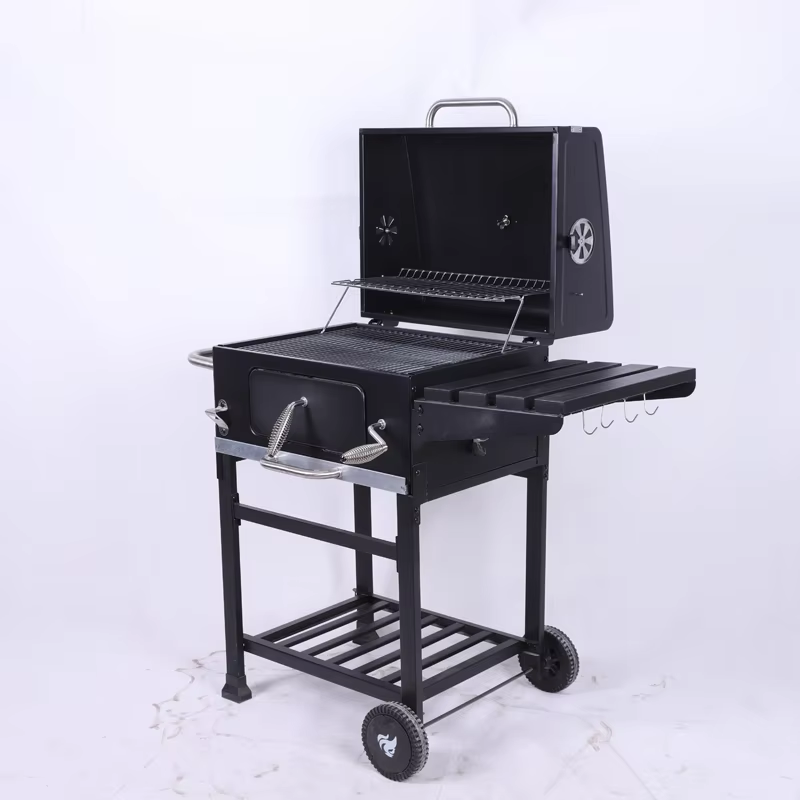
The modern grill bbq has evolved far beyond simple outdoor cooking equipment. Today's grill bbq designs represent a sophisticated blend of engineering, materials science, and culinary innovation that directly impacts how efficiently you prepare food outdoors. When you invest in a quality grill bbq, you're not just buying a cooking surface—you're acquiring a precision instrument that optimizes heat distribution, fuel consumption, and overall cooking performance. Understanding how grill bbq design principles enhance efficiency can help you make better purchasing decisions and maximize your outdoor cooking capabilities.
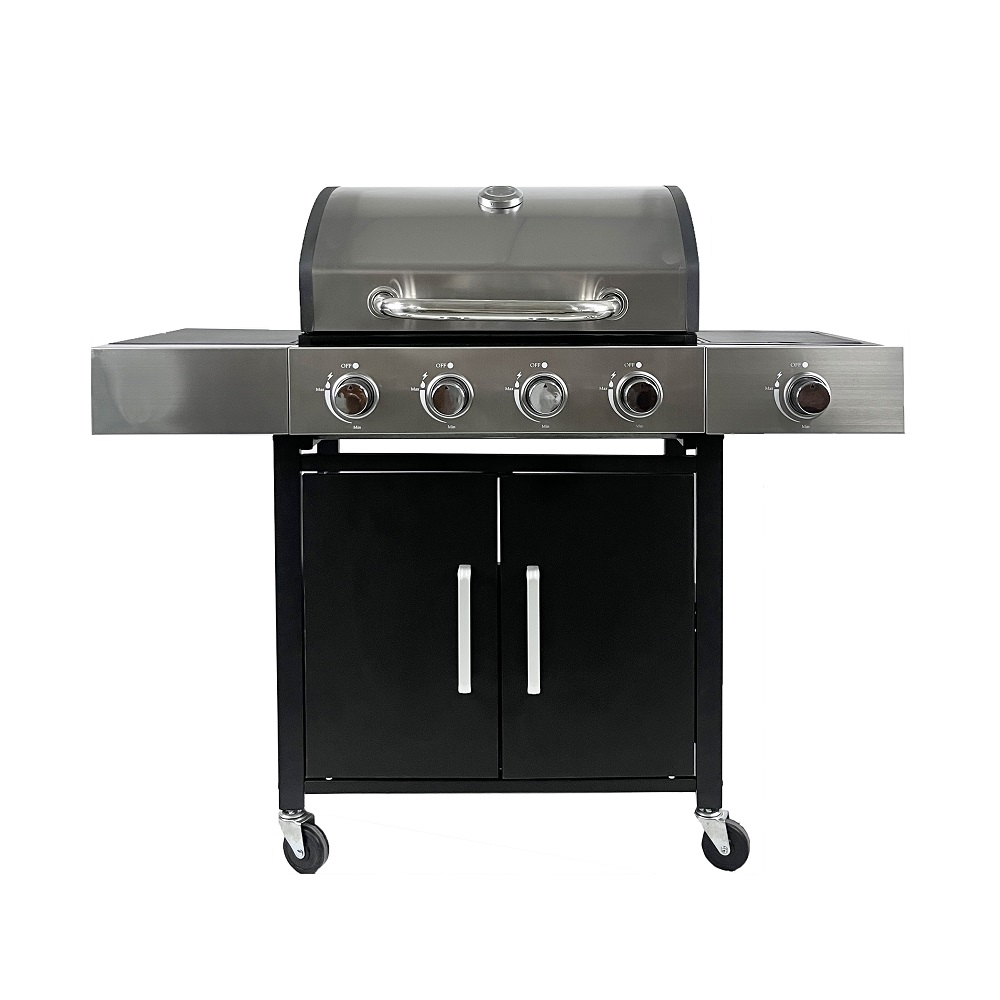
The efficiency of a grill bbq depends on multiple interconnected design factors working in harmony. From the materials used in construction to the airflow management systems, every element of a modern grill bbq contributes to how much fuel gets converted into usable cooking heat. A well-designed grill bbq can reduce fuel waste by up to 30 percent compared to poorly engineered models, directly saving you money on propane or charcoal while delivering consistent cooking results. This comprehensive guide explores the key design features that make contemporary grill bbq systems so much more efficient than older generations.
Heat Distribution and Retention in Grill BBQ Design
Advanced Grill BBQ Construction Materials
The foundation of efficient grill bbq performance begins with material selection. Premium grill bbq systems use high-grade stainless steel, cast iron, and aluminum alloys that retain and distribute heat evenly across the cooking surface. A quality grill bbq with thick-walled construction maintains stable temperatures with less energy input, reducing the fuel needed to achieve target cooking temperatures. These materials also resist rust and degradation, ensuring your grill bbq maintains its thermal efficiency over many years of use, unlike cheaper models that lose effectiveness as they corrode.
Thermal Engineering in Modern Grill BBQ Systems
Contemporary grill bbq designs incorporate thermal barriers and reflective surfaces that concentrate heat where you need it most. The internal architecture of a modern grill bbq uses strategically positioned heat deflectors and baffles to eliminate cold spots and ensure uniform temperature across the entire cooking surface. This thermal engineering approach means your grill bbq uses significantly less fuel to maintain consistent cooking temperatures, which directly improves efficiency. Advanced grill bbq models feature adjustable heat zones that allow you to concentrate or disperse flames based on cooking needs, optimizing fuel consumption for different foods.
Airflow Management and Combustion Efficiency
Ventilation Design in Grill BBQ Systems
The airflow architecture of a grill bbq dramatically affects how completely fuel burns and how efficiently heat transfers to food. Modern grill bbq designs incorporate strategically positioned air intake vents that ensure consistent oxygen flow to burners, promoting complete combustion and minimizing wasted fuel. A well-engineered grill bbq maximizes the combustion process, meaning more of your propane or charcoal converts into actual cooking heat rather than escaping as incomplete combustion byproducts. Superior grill bbq systems feature damper controls that fine-tune airflow based on cooking temperature requirements, preventing fuel waste from excessive air intake.
Smoke and Moisture Control in Grill BBQ Operation
Efficient grill bbq design accounts for smoke and moisture management, which significantly impacts cooking efficiency. When a grill bbq handles smoke and steam properly through optimized ventilation paths, the cooking environment remains stable and fuel usage stays consistent. A poorly ventilated grill bbq loses more heat through excessive smoke escape, requiring additional fuel to maintain cooking temperatures. Modern grill bbq systems use curved smoke paths and chimney design that maximizes heat capture while directing moisture away from critical components, extending equipment life and maintaining thermal efficiency over extended cooking sessions.
Fuel Delivery and Burner Technology
Precision Burner Design in Contemporary Grill BBQ Models
The burner configuration is central to grill bbq efficiency, as it directly controls how fuel converts into usable heat. Modern grill bbq burners feature multiple flame ports that distribute fuel across the cooking surface uniformly, preventing hot spots and fuel waste. A quality grill bbq incorporates brass or stainless steel burners with optimized flame patterns that maximize heat transfer while minimizing fuel consumption. Advanced grill bbq systems use secondary burners and adjustable controls that allow you to operate at partial capacity for smaller cooking tasks, significantly reducing fuel waste compared to traditional grill bbq designs that operate at fixed intensity levels.
Fuel System Integration in Grill BBQ Equipment
Efficient grill bbq design extends to how fuel flows from tank to burner. Premium grill bbq systems incorporate pressure regulators and fuel distribution manifolds that maintain consistent propane flow and optimal combustion conditions. A well-designed grill bbq fuel system prevents pressure fluctuations that waste fuel or create inconsistent heat output. Modern grill bbq technology includes shut-off valves, cleanable fuel lines, and pressure monitoring systems that ensure your grill bbq operates at peak efficiency throughout each cooking season. These integrated systems are standard in professional-grade grill bbq equipment but increasingly available in consumer models.
Practical Efficiency Advantages of Modern Grill BBQ Design
Real-World Performance Benefits of Advanced Grill BBQ Systems
When you choose a grill bbq built with modern efficiency principles, you experience tangible performance improvements. A contemporary grill bbq reaches cooking temperature faster than older designs, using less fuel during preheating. Once operational, an efficient grill bbq maintains stable temperatures with minimal burner adjustment, preventing the temperature fluctuations that waste fuel in traditional systems. Your grill bbq delivers superior heat retention between uses, meaning you don't need to run burners longer to recover lost heat when cooking multiple foods sequentially.
Long-Term Value of Investing in Efficient Grill BBQ Technology
The investment in a properly engineered grill bbq pays dividends over years of use. An efficient grill bbq reduces annual fuel costs significantly, particularly for frequent outdoor cooking enthusiasts who use their equipment regularly. A quality grill bbq maintains its efficiency longer than budget alternatives, as superior materials and construction resist the thermal degradation that reduces efficiency in cheaper models. When you calculate the total cost of ownership—including fuel savings, maintenance expenses, and longevity—a modern grill bbq designed for efficiency offers exceptional value compared to older generations of outdoor cooking equipment.
FAQ
What makes a grill bbq design more efficient than traditional models?
Modern grill bbq designs enhance efficiency through superior heat retention materials, optimized airflow management, precision burner technology, and integrated fuel systems. These design elements work together to convert more of your fuel into usable cooking heat, reducing waste and improving performance. Contemporary grill bbq construction uses stainless steel and cast iron that retain heat better, while advanced thermal engineering eliminates hot and cold spots that plague older designs.
How much fuel can an efficient grill bbq save compared to older equipment?
A well-engineered grill bbq can reduce fuel consumption by up to 30 percent compared to older or poorly designed models. This efficiency gain results from improved combustion, better heat retention, and optimized fuel delivery systems that modern grill bbq technology provides. Over a season of regular use, these savings can be substantial, particularly if you host frequent outdoor cooking events or use your grill bbq multiple times weekly.
Are efficiency features in grill bbq systems worth the additional cost?
Yes, investing in an efficient grill bbq typically provides excellent return on investment through fuel savings, reduced maintenance costs, and extended equipment life. While a premium grill bbq with advanced efficiency features may have higher upfront costs, the reduced fuel consumption, faster preheating times, and superior temperature stability make it more economical long-term. An efficient grill bbq maintains consistent cooking performance year after year, whereas budget models lose efficiency as materials degrade.