
 EN
EN



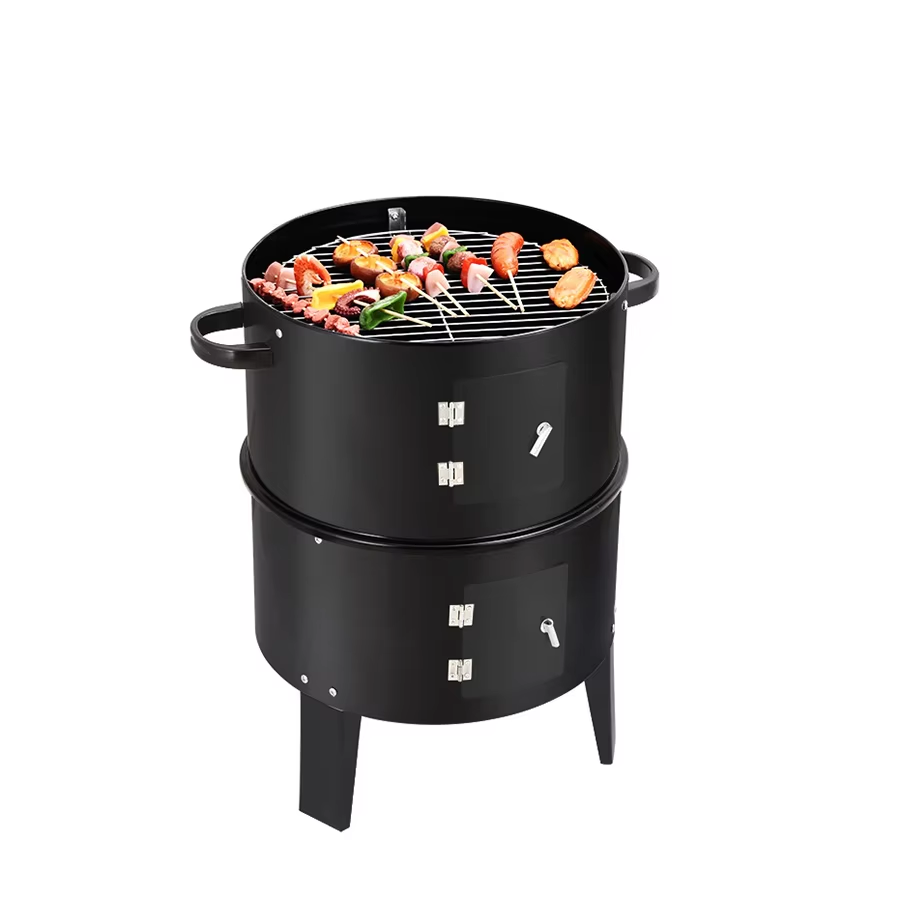
A well-maintained smoker bbq is the foundation of exceptional outdoor cooking and years of reliable performance. Whether you own a barrel smoker, offset smoker, or vertical smoker, understanding proper care routines will protect your investment and maintain consistent heat management, smoke quality, and cooking results. Regular maintenance prevents rust, corrosion, component failure, and the accumulation of ash or creosote that can affect performance over time. Without attention to maintenance, even high-quality smoker bbq equipment can deteriorate rapidly, leading to unexpected repairs or premature replacement.
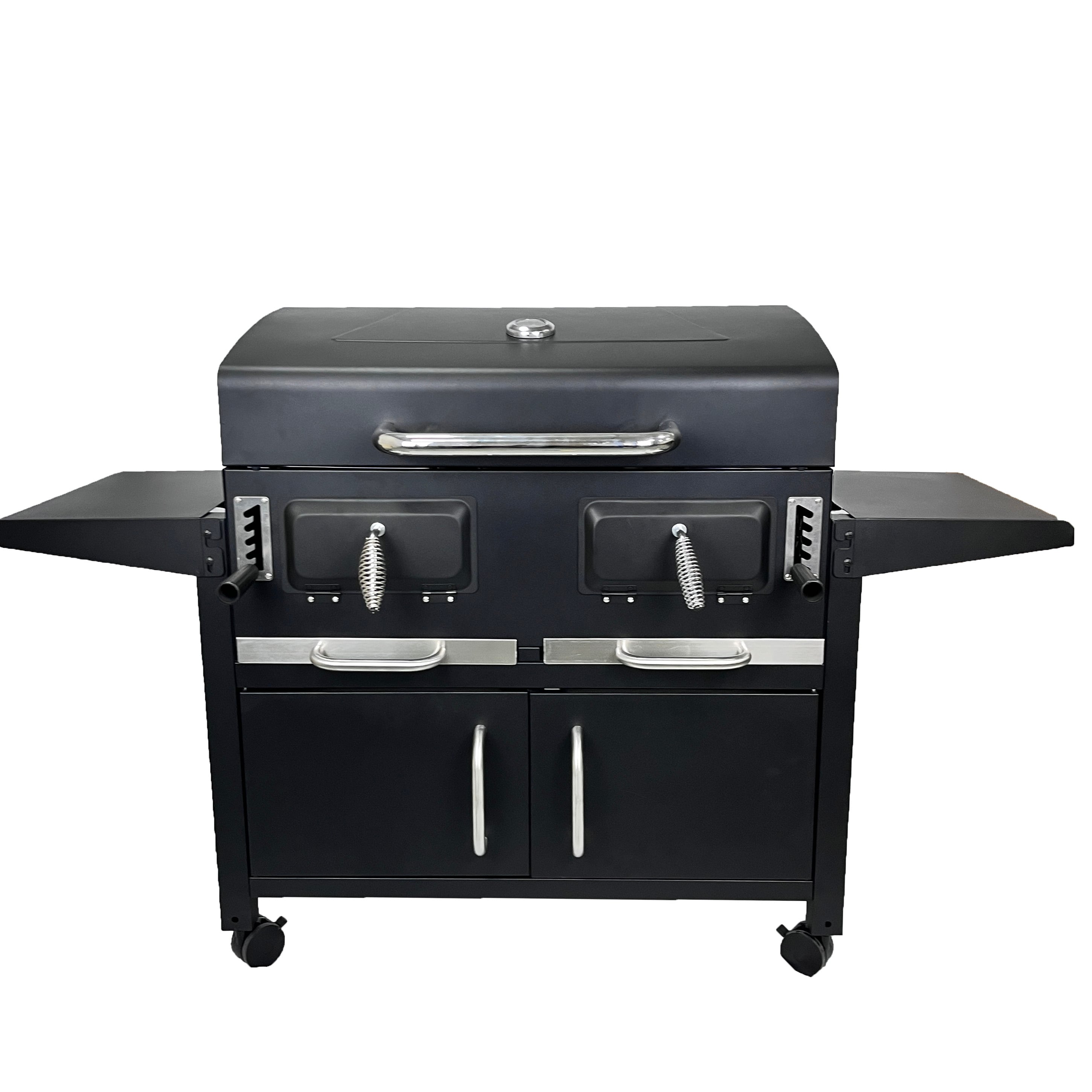
Effective smoker bbq maintenance combines routine cleaning, regular inspections, seasonal preparation, and protective storage strategies. By implementing these maintenance practices, you extend equipment lifespan, minimize costly downtime, and ensure your smoker bbq performs at peak capacity for decades. This guide covers the essential maintenance tasks every smoker owner should master, from daily post-cook procedures to annual deep cleaning and off-season protection protocols.
Daily and Weekly Smoker BBQ Cleaning Routines
Post-Cook Cleanup for Smoker BBQ Equipment
Immediately after each cooking session, your smoker bbq requires basic cleaning to prevent residue buildup and moisture accumulation. Allow the unit to cool for 20 to 30 minutes, then use a grill brush to remove excess ash, grease, and food particles from the cooking grate and interior surfaces. This simple smoker bbq cleaning step prevents ash from absorbing moisture and forming corrosive deposits. Empty the ash catcher completely and wipe down the interior walls with a damp cloth to remove stubborn debris. This routine smoker bbq maintenance takes only 10 to 15 minutes but significantly reduces long-term damage risk.
Grate and Thermometer Inspection
Your smoker bbq grates deserve special attention during weekly maintenance cycles. Scrub grates with a dedicated grill brush after every use to prevent carbonized buildup that can harbor bacteria and cause uneven heat distribution. Check your smoker bbq thermometer weekly to verify accurate temperature readings; thermometer drift often goes unnoticed but compromises cooking precision. Inspect the thermometer stem and housing for signs of corrosion or moisture accumulation inside the gauge. If your smoker bbq thermometer shows inconsistent readings, recalibrate it against a reliable reference thermometer or replace it to maintain cooking accuracy.
Seasonal Smoker BBQ Maintenance Procedures
Spring Preparation for Smoker BBQ Systems
Before the active smoking season begins, conduct a comprehensive inspection of your entire smoker bbq system. Check all fasteners, hinges, and latch mechanisms for rust or looseness; tighten or replace as needed. Inspect your smoker bbq vents and dampers to ensure they move freely and seal properly when closed. Clean or replace the cooking grates if they show heavy rust or degradation. Test your smoker bbq by running it at medium-high temperature for 30 minutes to verify proper airflow, heat distribution, and thermometer accuracy. This seasonal preparation prevents mid-season equipment failures and ensures your smoker bbq is ready for optimal performance throughout warm months.
End-of-Season Smoker BBQ Deep Cleaning
As outdoor cooking season winds down, dedicate a day to thorough deep cleaning of your smoker bbq unit. Remove and soak the cooking grates in warm water mixed with mild detergent to dissolve grease and stubborn carbon deposits. While grates soak, scrape the interior firebox and lid of your smoker bbq using a putty knife or specialized smoker cleaning tool. Pay special attention to corners and seams where creosote accumulates. Wipe the interior completely dry to prevent rust formation during storage. For your smoker bbq exterior, use appropriate metal polish or rust treatment if any surface oxidation has developed during the season.
Long-Term Protection and Storage of Smoker BBQ Units
Rust Prevention and Metal Protection
Rust represents the primary threat to smoker bbq longevity, particularly in humid or coastal climates. After each deep cleaning, apply a light coat of high-temperature cooking oil to interior surfaces of your smoker bbq to create a protective barrier against moisture. For exterior protection, use outdoor metal sealant or automotive-grade wax designed for steel surfaces to shield your smoker bbq from rain and oxidation. Inspect your smoker bbq regularly for early rust spots; address any discoloration immediately with fine-grit sandpaper and protective coating. Replace any corroded thermometer stems, damaged gaskets, or compromised fasteners promptly to prevent progressive deterioration of your smoker bbq structure.
Storage and Weather Protection for Smoker BBQ Equipment
Proper storage dramatically extends the lifespan of your smoker bbq during off-season months. Store your smoker bbq in a sheltered location such as a garage, shed, or covered patio to minimize exposure to rain, snow, and temperature fluctuations. If covered storage is unavailable, invest in a heavy-duty waterproof cover designed specifically for your smoker bbq style and size. Ensure your smoker bbq is completely dry before covering it to prevent moisture trapping inside. Open the firebox access door and dampers slightly during storage to allow air circulation and prevent condensation buildup inside your smoker bbq. Never seal your smoker bbq completely during storage, as trapped moisture accelerates rust formation and interior corrosion.
Component Inspection and Replacement Guidelines
Gasket, Seal, and Hardware Assessment
The gaskets and seals on your smoker bbq maintain temperature stability and smoke integrity during cooking sessions. Inspect gaskets quarterly for cracks, hardening, or gaps that would allow heat and smoke to escape. If your smoker bbq gaskets show signs of wear or no longer create an airtight seal when the lid closes, replace them immediately to restore cooking efficiency. Check all bolts, hinges, and latches on your smoker bbq for corrosion or looseness; tighten or replace corroded hardware with stainless steel fasteners that resist rust. Pay attention to the thermometer housing gasket as well; a faulty seal allows moisture inside your smoker bbq gauge, causing inaccurate readings and eventual failure.
Thermometer and Airflow System Maintenance
Your smoker bbq thermometer requires periodic calibration and maintenance to ensure reliable temperature monitoring. Test your smoker bbq thermometer accuracy monthly by comparing its reading to a calibrated reference during a heating cycle. If your smoker bbq thermometer consistently reads high or low, calibration adjustment or replacement is necessary. Examine your smoker bbq vents, dampers, and chimney for blockages caused by creosote, ash, or debris accumulation. A partially blocked smoker bbq chimney restricts airflow, prevents proper smoke circulation, and causes temperature fluctuations during cooking. Clean your smoker bbq chimney annually and inspect it for any structural damage or internal corrosion that could compromise function.
FAQ
How often should I clean my smoker bbq to maintain long-term performance?
Basic cleaning after each cooking session combined with weekly grate scrubbing prevents ash and grease buildup that damages your smoker bbq. Perform a deep seasonal cleaning before and after your active smoking season. Monthly inspections of gaskets, thermometers, and vents help catch problems early before they affect your smoker bbq performance. This regular schedule maintains optimal smoker bbq function and prevents rust or component failure.
What should I do if my smoker bbq develops rust spots?
Address rust immediately to prevent it from spreading through your smoker bbq structure. Use fine-grit sandpaper to remove surface rust from your smoker bbq exterior or interior. After sanding, apply a protective coating such as high-temperature paint for exterior rust or food-safe cooking oil for interior surfaces. For severe rust affecting your smoker bbq structural integrity, consult the manufacturer for replacement part availability or professional restoration options.
Can proper maintenance really extend my smoker bbq lifespan significantly?
Yes, consistent maintenance directly impacts how long your smoker bbq remains functional and reliable. A neglected smoker bbq may fail or require major repairs within five to seven years, while a well-maintained unit regularly lasts 15 to 20 years or longer. Investing time in regular smoker bbq cleaning, inspections, and protective measures saves money on repairs and replacement while ensuring consistent cooking performance throughout the equipment lifecycle.