
 EN
EN



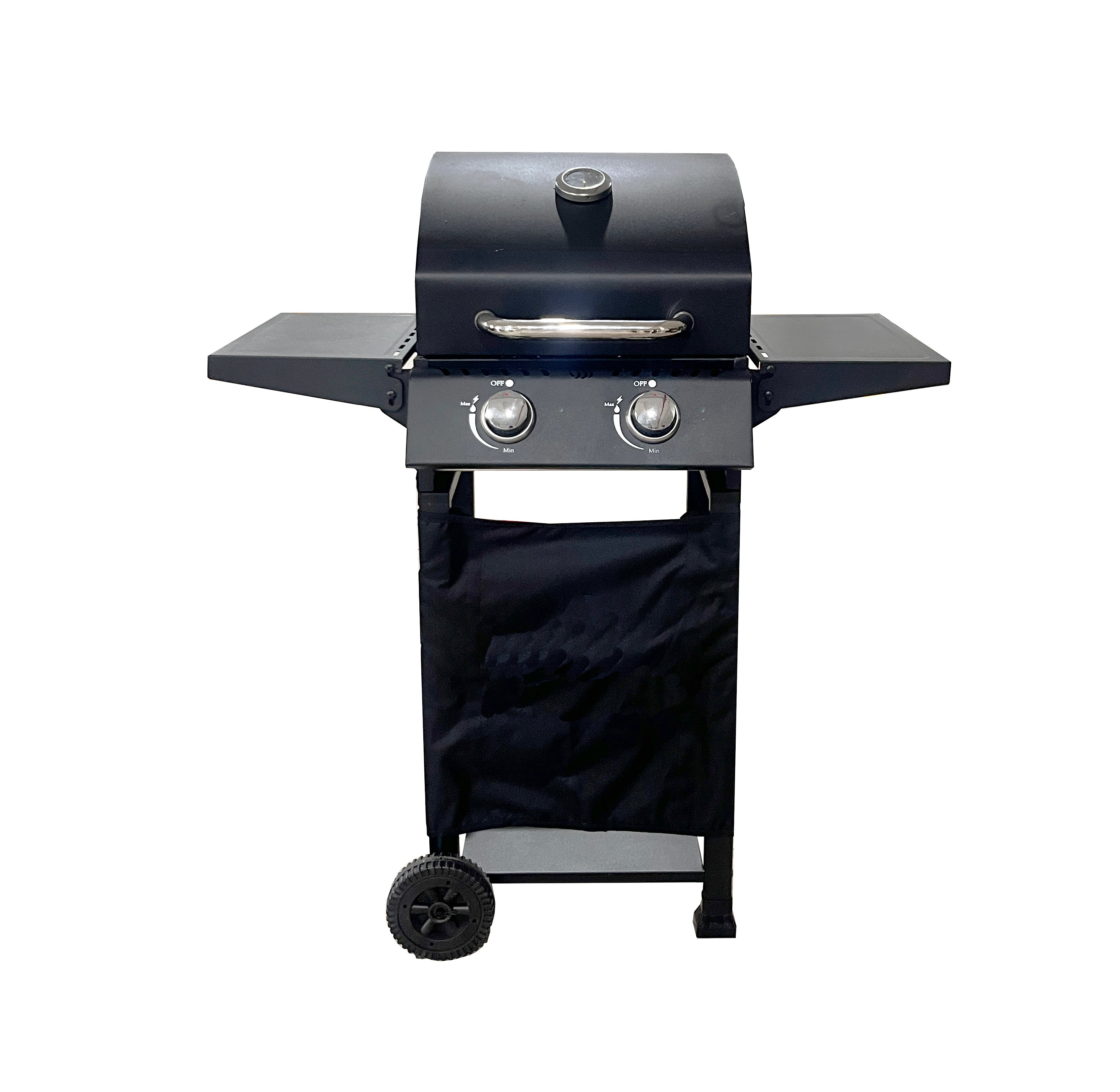
A commercial gas grill is a significant investment for any restaurant, catering company, or hospitality business. Proper maintenance of your gas grill directly impacts its longevity, performance, and safety. Without regular upkeep, even the highest-quality gas grill can deteriorate quickly, leading to costly repairs or premature replacement. This guide walks you through essential maintenance practices that will keep your gas grill operating at peak efficiency for years to come. Understanding how to care for your gas grill is not just about preserving equipment—it's about protecting your business operations and ensuring consistent food quality.

Neglecting maintenance on your gas grill can result in uneven heating, reduced fuel efficiency, and safety hazards that compromise your operation. Commercial kitchens depend on reliable equipment to serve customers consistently, and a malfunctioning gas grill can disrupt your entire service schedule. By implementing a structured maintenance routine, you protect your investment and maintain the trust your customers place in your establishment. The following sections outline practical strategies to maximize the life and performance of your gas grill through intentional, systematic care.
Understanding Your Gas Grill Components
Core Elements That Require Regular Attention
Every gas grill contains several critical components that work together to deliver reliable cooking performance. The burners are the heart of any gas grill, converting fuel into controlled heat for cooking. Understanding how each part of your gas grill functions helps you identify potential issues before they become serious problems. The firebox, grates, flavorizer bars, and heat deflectors all play essential roles in distributing heat evenly and protecting your gas grill from excessive wear. When you maintain each component of your gas grill properly, you ensure consistent results and extend the overall lifespan of the equipment.
Fuel System and Safety Features
The fuel system in your commercial gas grill includes the propane tank, regulator, connection hoses, and control valves. These components must remain in excellent condition to prevent gas leaks and maintain the safety of your gas grill. Regular inspection of your gas grill's fuel connections ensures that pressure remains consistent and fuel flows efficiently to the burners. A well-maintained gas grill fuel system operates quietly and reliably, with no hissing or unusual odors. Neglecting fuel system maintenance puts your staff and customers at risk while compromising the reliability of your gas grill.
Daily and Weekly Gas Grill Maintenance
Cleaning Routines That Prevent Buildup
Daily cleaning of your gas grill protects it from grease accumulation, which is the leading cause of corrosion and malfunction. After each service, allow your gas grill to cool slightly, then scrape the grates with a brass brush to remove food residue and buildup. Wiping down the exterior of your gas grill weekly prevents rust and keeps the equipment looking professional. Pay special attention to areas where grease collects, as this accelerates deterioration in your gas grill's structure. A clean gas grill operates more efficiently and requires fewer repairs over its lifetime.
Checking Burner Performance
Inspect the burners of your gas grill each week to ensure they ignite evenly and produce consistent blue flames. If your gas grill produces yellow or orange flames, this indicates incomplete combustion and suggests cleaning is needed. Test each burner individually to confirm they heat uniformly and respond properly to control adjustments. A properly functioning gas grill should have symmetrical flame patterns across all burners without gaps or weak spots. Address any inconsistencies immediately, as delayed action can damage your gas grill's burner tubes and reduce efficiency.
Monthly and Seasonal Gas Grill Service
Deep Cleaning and Component Inspection
Once monthly, conduct a thorough inspection of your entire gas grill to catch developing issues early. Remove the grates and flavorizer bars from your gas grill and soak them in warm soapy water to dissolve stubborn grease. While these components soak, inspect the inside of your gas grill for grease buildup, rust spots, or debris that might interfere with performance. Check all visible connections on your gas grill for signs of corrosion, leaks, or loose fittings. Reassemble your gas grill carefully, ensuring all components sit properly to maintain heat distribution and safety.
Regulator and Hose Assessment
The regulator controls fuel pressure to your gas grill, making its condition critical for safe operation. Monthly inspection of your gas grill's regulator involves checking for cracks, rust, or damage that might compromise function. Hoses connecting to your gas grill should be examined for cracks, brittleness, or discoloration, which indicate aging and require replacement. A well-maintained gas grill regulator maintains consistent pressure regardless of weather conditions or fuel tank levels. If you notice any issues with your gas grill's regulator or hoses, have a qualified technician service them immediately to prevent dangerous fuel leaks.
Seasonal Preservation and Long-Term Care
Weatherproofing Your Gas Grill
Seasonal changes accelerate deterioration if your gas grill lacks proper protection. Before winter or rainy seasons, apply protective coatings to your gas grill's exterior to resist moisture and prevent rust formation. Cover your gas grill with a heavy-duty cover when not in use for extended periods, ensuring the cover allows adequate ventilation to prevent moisture buildup inside your gas grill. Drain standing water from the bottom of your gas grill monthly to prevent rust from developing internally. Storing your gas grill in a sheltered location extends its life significantly compared to year-round outdoor exposure.
Professional Servicing and Replacement Parts
Even with excellent maintenance, your gas grill will eventually require professional service or component replacement. Schedule annual inspections with a certified technician to assess the condition of your gas grill and identify components approaching end-of-life. Replacement parts for your gas grill should match manufacturer specifications to ensure proper fit and safety. Investing in quality replacement parts for your gas grill costs less than repairing damage caused by inferior components. A professional familiar with your gas grill model can recommend upgrades or modifications that improve efficiency and lifespan.
FAQ
How often should I clean the burners on my gas grill?
Clean the burners on your gas grill weekly to prevent grease buildup that blocks fuel ports and creates uneven flames. Daily surface cleaning removes food debris, but weekly deep cleaning of burner tubes ensures consistent ignition and heat distribution. Monthly disassembly and soaking of burner components maintains optimal performance and prevents clogs.
What signs indicate my gas grill needs professional repair?
Your gas grill requires professional attention if burners ignite slowly, produce weak flames, or emit unusual sounds or odors. Visible rust, gas leaks, uneven heating, or difficulty controlling temperature are all warning signs your gas grill needs service. Corrosion on fuel connections, cracks in the firebox, or deteriorating hoses also signal that professional maintenance is essential. Addressing these issues promptly prevents further damage to your gas grill and ensures safe operation.
How can I extend the lifespan of my commercial gas grill?
Establish a consistent maintenance schedule for your gas grill that includes daily cleaning, weekly inspections, and monthly deep service. Protect your gas grill from extreme weather with covers and sheltered storage whenever possible. Use quality replacement parts and schedule annual professional inspections to catch developing issues before they compromise your gas grill's functionality. Treating your gas grill as a critical asset worthy of investment ensures it provides reliable performance for ten years or more.