
 EN
EN



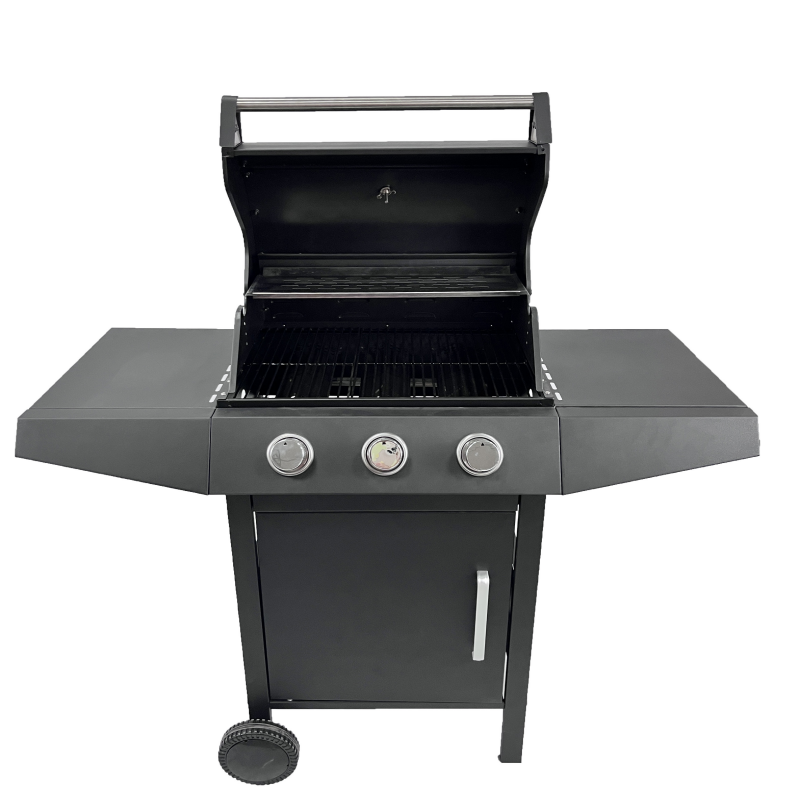
Private label businesses operating in the outdoor cooking sector face significant challenges when establishing market presence and scaling production efficiently. The solution lies in partnering with original equipment manufacturers that specialize in barbecue grills, enabling businesses to launch branded products without the capital investment and infrastructure required for in-house manufacturing. Understanding how OEM barbecue grills support private label operations is essential for entrepreneurs and retailers seeking sustainable growth in this competitive market.
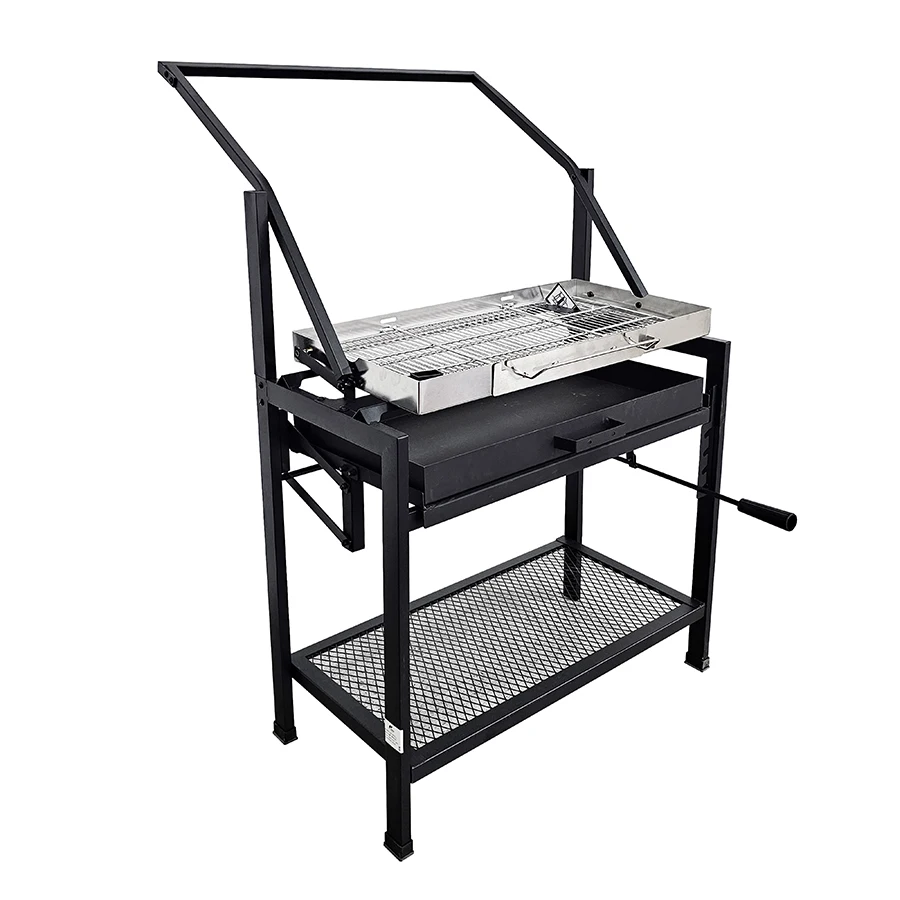
The outdoor cooking industry continues to expand as consumers invest more in home entertainment and garden upgrades. Private label businesses can capitalize on this trend by leveraging OEM barbecue grills that combine quality manufacturing with flexible customization options. This approach allows companies to differentiate their brand offerings while maintaining competitive pricing and consistent product quality that builds customer loyalty.
Understanding OEM Barbecue Grills in Private Label Markets
What Defines OEM Barbecue Grills
OEM barbecue grills are manufactured by specialized producers who build products to specification for other brands. These barbecue grills serve as the foundation for private label businesses seeking to establish market presence without developing manufacturing expertise. OEM producers handle design refinement, material sourcing, quality control, and production logistics, allowing private label companies to focus on branding, marketing, and customer relationships.
The relationship between OEM manufacturers and private label businesses creates a symbiotic ecosystem. Barbecue grills produced through OEM channels meet industrial standards while offering customization flexibility that allows each brand to maintain unique visual identity and feature sets. This model eliminates barriers to entry for entrepreneurs who lack manufacturing infrastructure but possess strong market insights and customer understanding.
Key Advantages of OEM Barbecue Grills
Selecting OEM barbecue grills provides private label businesses with numerous operational advantages. Lower upfront capital requirements mean companies can launch product lines with reduced financial risk. Barbecue grills sourced through OEM channels arrive production-ready, allowing businesses to bypass complex manufacturing processes and focus on market positioning and sales acceleration.
Quality consistency represents another critical advantage when working with established OEM producers of barbecue grills. These manufacturers maintain standardized production processes, quality testing protocols, and material specifications that ensure every unit meets expectations. Private label businesses benefit from this reliability because consistent product performance builds customer trust and reduces warranty claims and returns.
Customization and Branding Strategies
Design Customization Options
OEM barbecue grills offer extensive customization capabilities that allow private label businesses to create distinctive product lines. Surface finishes, material selections, handle designs, and cooking surface configurations can be tailored to match brand identity and target market preferences. Barbecue grills customized at the manufacturing stage result in higher perceived value and stronger brand differentiation compared to generic off-the-shelf alternatives.
Many OEM manufacturers of barbecue grills maintain design studios and engineering teams that collaborate with private label partners on product refinement. This collaborative approach ensures that customized barbecue grills align with both aesthetic brand goals and functional performance requirements. The iterative design process results in products that feel truly proprietary while maintaining manufacturing efficiency and cost predictability.
Packaging and Branding Integration
Beyond the physical product, OEM barbecue grills integrate seamlessly with comprehensive branding strategies through customized packaging, instructional materials, and warranty documentation. Private label businesses can specify packaging designs, color schemes, and messaging that reinforce brand positioning throughout the customer unboxing experience. Barbecue grills arriving with branded packaging and materials create a professional first impression that justifies premium positioning in retail or direct-to-consumer channels.
Coordinated branding across OEM barbecue grills and accompanying materials strengthens market recognition and customer loyalty. Instruction manuals, warranty cards, and promotional inserts can carry consistent messaging that educates customers about brand values, product care, and available accessories. This holistic approach transforms barbecue grills from commodity products into branded solutions that command customer attention and repeat purchase consideration.
Production Scaling and Inventory Management
Flexible Order Quantities and Lead Times
Private label businesses require production flexibility that accommodates variable demand cycles and seasonal market fluctuations. OEM barbecue grills manufacturers typically offer minimum order quantities that balance production efficiency with private label needs, ranging from hundreds to thousands of units per order. Barbecue grills can be scheduled for production aligned with demand forecasting, allowing businesses to avoid excessive inventory accumulation or stock-outs during peak seasons.
Lead time negotiation represents a critical component of OEM barbecue grills partnerships. Established manufacturers maintain production capacity and supply chain relationships that enable reasonable lead times for standard configurations. Barbecue grills ordered with advance notice can be delivered within timeframes that support seasonal marketing campaigns and promotional activities, enabling private label businesses to maintain market momentum year-round.
Scaling Operations Without Capital Investment
The greatest operational advantage of OEM barbecue grills lies in enabling business scaling without proportional capital infrastructure investment. As private label businesses grow, they can increase order volumes with the same manufacturing partners without constructing factories, purchasing equipment, or hiring production personnel. Barbecue grills production scales with business growth while maintaining operational simplicity and financial efficiency.
This scalability model proves particularly valuable for businesses entering international markets or expanding into adjacent product categories. OEM barbecue grills manufacturers often support expansion through volume pricing adjustments and expedited production scheduling. As sales volume increases, private label businesses benefit from improved unit economics while maintaining quality standards, creating a positive feedback loop that rewards growth and market penetration.
Quality Assurance and Compliance Considerations
Manufacturing Standards and Testing
Reputable OEM barbecue grills manufacturers maintain rigorous quality assurance protocols that exceed industry baseline standards. Barbecue grills undergo multiple testing phases including structural integrity verification, thermal performance evaluation, and safety mechanism validation. This commitment to quality testing reduces the risk of product failures in the field and protects the private label business from costly recalls or reputation damage.
Documentation from OEM barbecue grills manufacturers includes detailed specifications, test results, and compliance certifications that private label businesses require for retail distribution and customer assurance. Barbecue grills sourced from qualified manufacturers arrive with documentation demonstrating compliance with applicable safety standards and performance benchmarks. This transparency builds confidence with distributors, retailers, and end customers who rely on consistent quality indicators.
Regulatory Compliance and Certification
OEM barbecue grills must meet regional regulatory requirements for product safety, material composition, and operational performance. Established manufacturers maintain current knowledge of evolving standards and proactively update manufacturing processes to ensure compliance. Barbecue grills produced to these standards simplify the market entry process for private label businesses because regulatory documentation follows the product through distribution channels.
Working with compliant OEM barbecue grills manufacturers reduces administrative burden and legal risk for private label businesses. Barbecue grills already carrying appropriate certifications and test documentation accelerate retail approval processes and reduce barriers to shelf placement. This compliance readiness proves particularly valuable when entering new geographic markets with evolving regulatory frameworks or stricter product standards.
FAQ
How do OEM barbecue grills differ from retail brands manufacturing in-house?
OEM barbecue grills represent products manufactured by specialized producers to private label specifications, while brands manufacturing in-house maintain full production control and infrastructure ownership. Barbecue grills produced through OEM channels typically offer faster market entry, lower capital requirements, and greater design flexibility. In-house manufacturing provides complete supply chain control but requires substantial infrastructure investment and ongoing operational overhead that OEM barbecue grills relationships eliminate.
What customization options are available for OEM barbecue grills?
OEM barbecue grills can be customized across multiple dimensions including materials, dimensions, surface finishes, handle designs, cooking surface configurations, and color specifications. Barbecue grills can incorporate brand logos, custom packaging, and proprietary feature combinations that differentiate products in competitive markets. Most OEM manufacturers of barbecue grills maintain design flexibility that accommodates private label requirements while preserving manufacturing efficiency and cost predictability.
How do private label businesses ensure quality consistency with OEM barbecue grills?
Private label businesses ensure quality consistency through detailed specification development, performance testing agreements, and ongoing monitoring protocols with OEM barbecue grills manufacturers. Barbecue grills agreements should specify quality standards, acceptable defect rates, testing procedures, and corrective action protocols. Regular communication, periodic audits, and third-party inspection programs help maintain barbecue grills quality standards and catch potential issues before products reach customer hands.