
 EN
EN



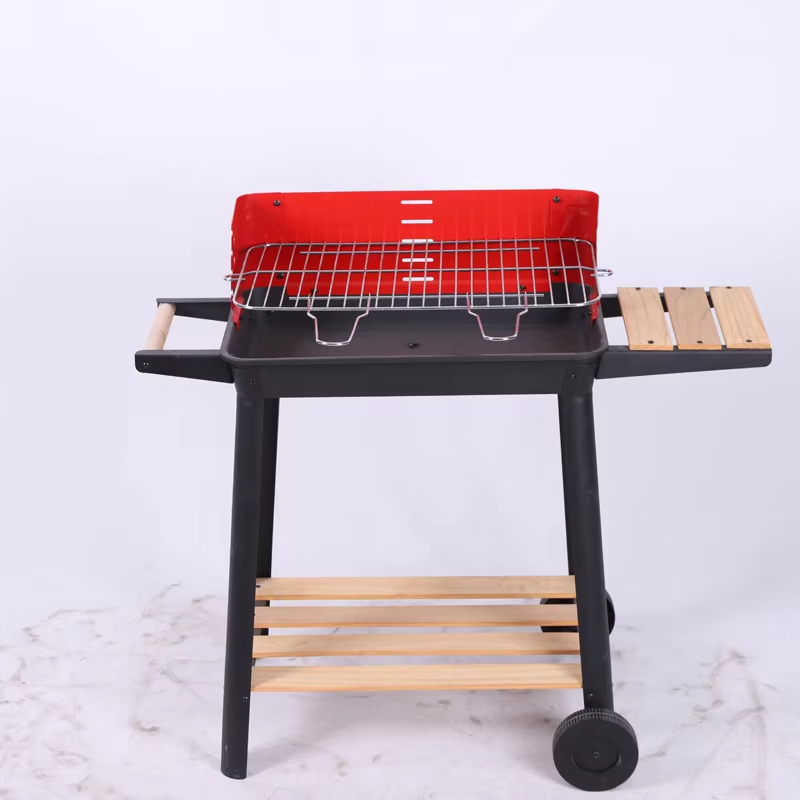
Selecting the right charcoal barbecue for restaurant use is one of the most important equipment decisions a food service operator can make. A charcoal barbecue delivers the authentic smoky flavor that diners expect from a premium grilling experience, but not every charcoal barbecue is built to handle the demands of a commercial kitchen. Understanding what separates a professional-grade charcoal barbecue from a consumer model will help you invest wisely and avoid costly replacements down the line.
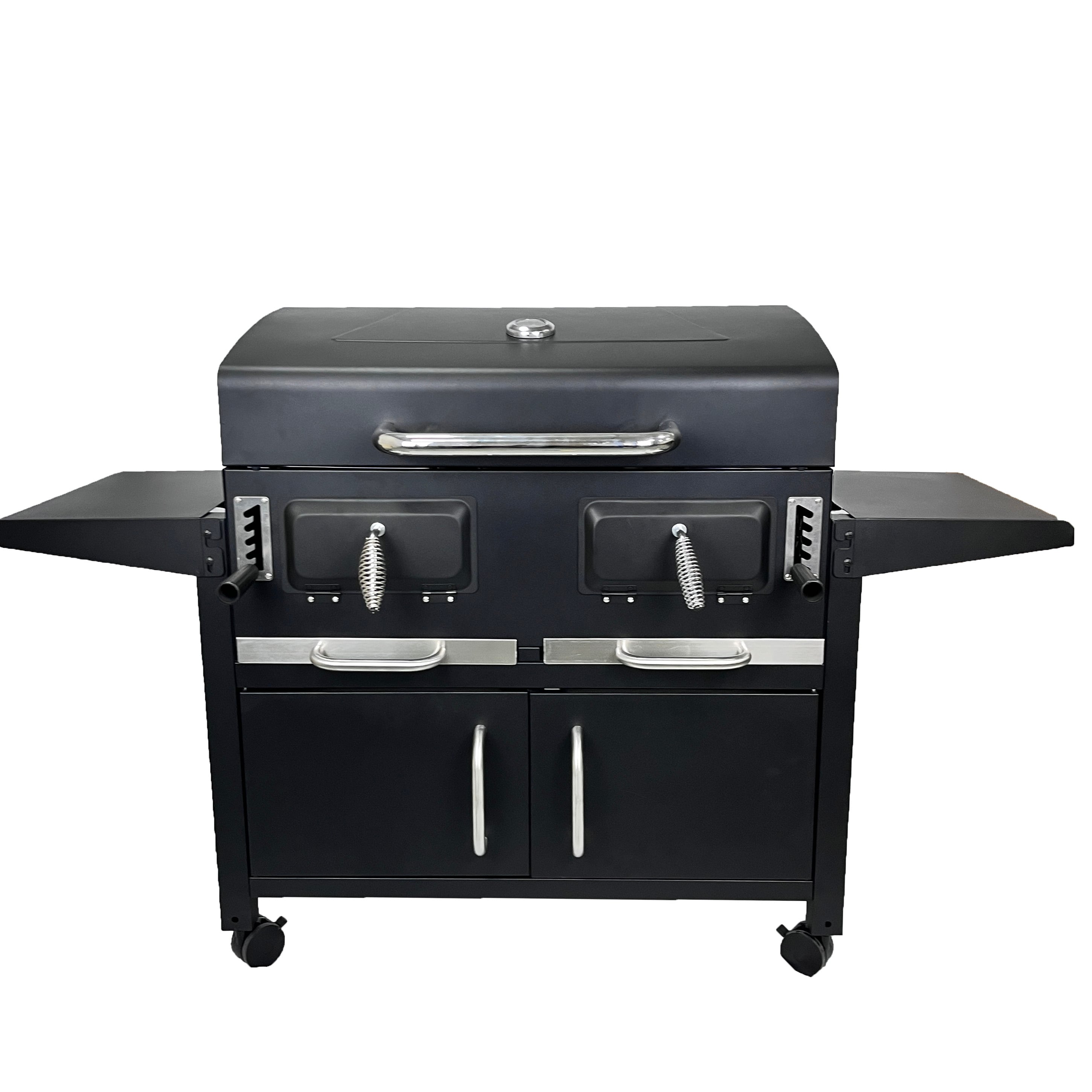
Restaurant operators frequently underestimate how differently a charcoal barbecue performs under continuous, high-volume cooking compared to weekend backyard use. A commercial charcoal barbecue must sustain consistent heat across multiple cooking cycles, resist corrosion from daily cleaning, and meet local health and safety codes. This guide walks through the key selection criteria so that your charcoal barbecue choice is grounded in real operational needs rather than surface-level features.
Grill Capacity and Cooking Surface Size
Matching Grill Size to Service Volume
The cooking surface area of a charcoal barbecue is directly tied to how many portions you can produce per service. A charcoal barbecue that is too small will create bottlenecks during peak hours, forcing your kitchen team to cook in multiple slow batches. For a high-volume restaurant, a charcoal barbecue with a large primary cooking grate — ideally above 800 square inches — gives chefs the flexibility to run proteins, vegetables, and sides simultaneously. A charcoal barbecue with an adjustable-height grate is especially valuable because it allows the cook to move food closer to or further from the heat source without repositioning charcoal, which saves time and reduces the risk of flare-ups during a busy service.
Vertical Capacity and Multi-Zone Cooking
Beyond flat surface area, a charcoal barbecue designed for restaurant use should offer multi-zone heat management. Many professional charcoal barbecue models include offset fireboxes or secondary warming racks that allow different heat zones within a single unit. This means your charcoal barbecue can simultaneously sear proteins over direct heat while holding finished items at a lower temperature, maintaining quality without constant plate turnover. A charcoal barbecue with a built-in chimney or venting system also gives kitchen staff better control over airflow and temperature, which is essential for consistent results during long service periods.
Build Quality and Material Durability
Heavy-Gauge Steel and Heat Retention
A commercial charcoal barbecue must be constructed from materials that can withstand daily high-heat use. Heavy-gauge steel — particularly thick cast iron or stainless steel components — is the industry standard for a restaurant-grade charcoal barbecue because it retains heat more evenly and resists warping over time. A charcoal barbecue built from thin sheet metal may perform adequately for a few months, but the body will degrade quickly under the thermal stress of commercial operation. When evaluating a charcoal barbecue, check the thickness of the firebox walls, the quality of the welding seams, and whether the grates are coated or made from solid cast iron. A well-built charcoal barbecue will hold heat more efficiently, which actually reduces charcoal consumption over time.
Thermometer Integration and Heat Monitoring
One often overlooked feature in a commercial charcoal barbecue is an integrated thermometer. A charcoal barbecue with a built-in thermometer allows kitchen staff to monitor the internal cooking chamber temperature without opening the lid, preserving heat and smoke consistency. This is particularly important when a charcoal barbecue is used for slow-smoked meats that require sustained temperature windows. Without reliable temperature monitoring, a charcoal barbecue becomes harder to operate consistently, and food quality will vary. A charcoal barbecue equipped with a quality thermometer reduces guesswork, which matters greatly in a high-pressure restaurant environment where consistency defines the guest experience.
Operational Practicality and Compliance
Ventilation, Ash Management, and Cleaning
A charcoal barbecue in a restaurant setting generates significant ash and grease residue that must be managed efficiently between service periods. A charcoal barbecue with a dedicated ash pan or removable ash drawer allows staff to clean the unit quickly without fully dismantling the grill. Proper ventilation is equally critical — a charcoal barbecue must be positioned under an exhaust hood that meets commercial kitchen ventilation codes, and the charcoal barbecue itself should have adjustable dampers to fine-tune airflow during cooking. Operators who overlook ash management often find that a buildup of spent charcoal reduces the airflow beneath the grates, causing the charcoal barbecue to burn inconsistently and produce bitter smoke flavors that negatively affect food quality.
Mobility, Footprint, and Safety Features
In a restaurant kitchen or outdoor dining area, the physical footprint of a charcoal barbecue matters considerably. A charcoal barbecue mounted on locking casters offers operational flexibility, allowing the unit to be repositioned for cleaning or reconfigured for event catering. Safety is equally non-negotiable — a charcoal barbecue used commercially should have heat-resistant handles, stable leg construction, and a firebox design that prevents accidental tip-overs. Some charcoal barbecue models include side shelves that double as prep stations, which adds workflow value in confined outdoor kitchens. Always verify that the charcoal barbecue you select complies with local fire codes and, where applicable, commercial kitchen safety regulations before placing it into regular service.
FAQ
What size charcoal barbecue is best for a busy restaurant?
For a busy restaurant, a charcoal barbecue with a cooking surface of at least 800 square inches is recommended. A larger charcoal barbecue reduces the need for batch cooking, keeps service flowing efficiently, and allows chefs to manage multiple heat zones at once. The right charcoal barbecue size ultimately depends on your average cover count and menu complexity.
How often should a restaurant charcoal barbecue be cleaned?
A charcoal barbecue in commercial use should be cleaned after every service. This includes removing ash from the ash pan, scrubbing the grates, and inspecting the vents for blockages. A clean charcoal barbecue performs more consistently, uses fuel more efficiently, and produces better flavor results than a neglected unit.
Is a charcoal barbecue with a chimney better for restaurant use?
Yes, a charcoal barbecue with a chimney or top-mounted vent provides significantly better heat and smoke control compared to models without one. The chimney on a charcoal barbecue acts as an adjustable draft system, pulling fresh air through the firebox and allowing the cook to regulate temperature more precisely. For restaurant use, this level of control is critical to maintaining dish consistency across an entire service.