
 EN
EN



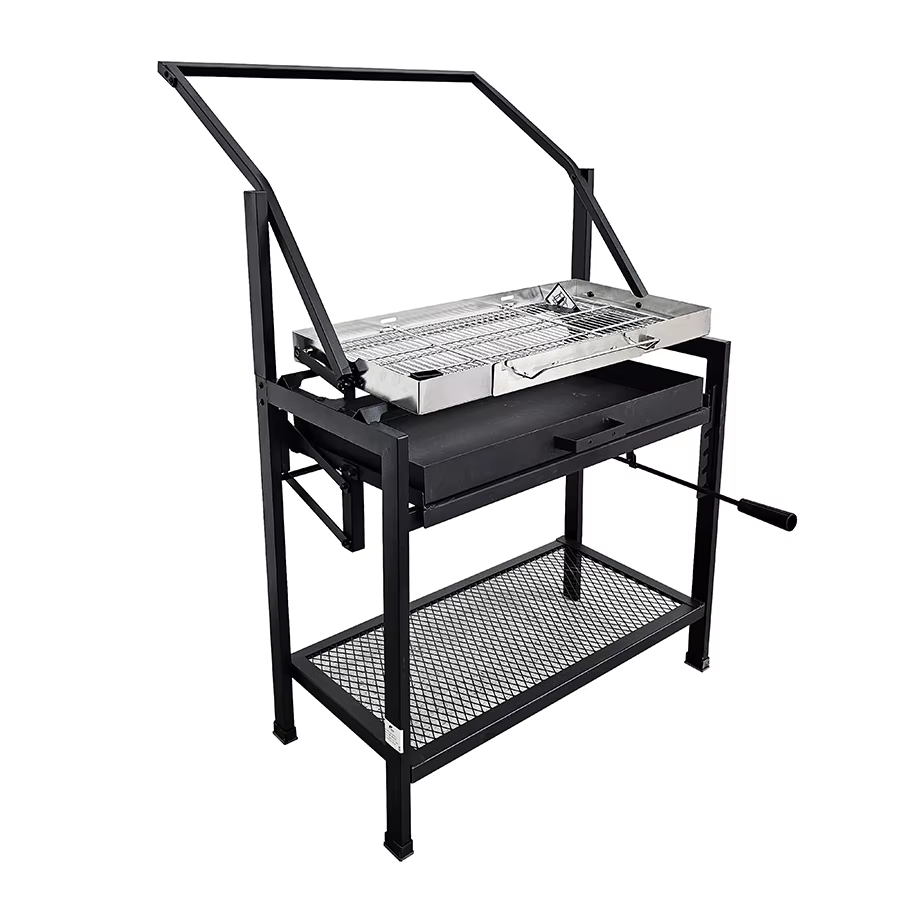
The outdoor cooking industry has witnessed tremendous growth over the past decade, with global demand for barbecue equipment reaching unprecedented levels. For retail distributors seeking profitable opportunities in this expanding market, OEM BBQ grills represent a strategic pathway to success. These original equipment manufacturer solutions provide distributors with high-quality products at competitive prices, enabling them to establish strong market positions while maintaining healthy profit margins. Understanding the advantages of partnering with established OEM manufacturers can transform a distributor's business trajectory and open doors to lucrative international markets.
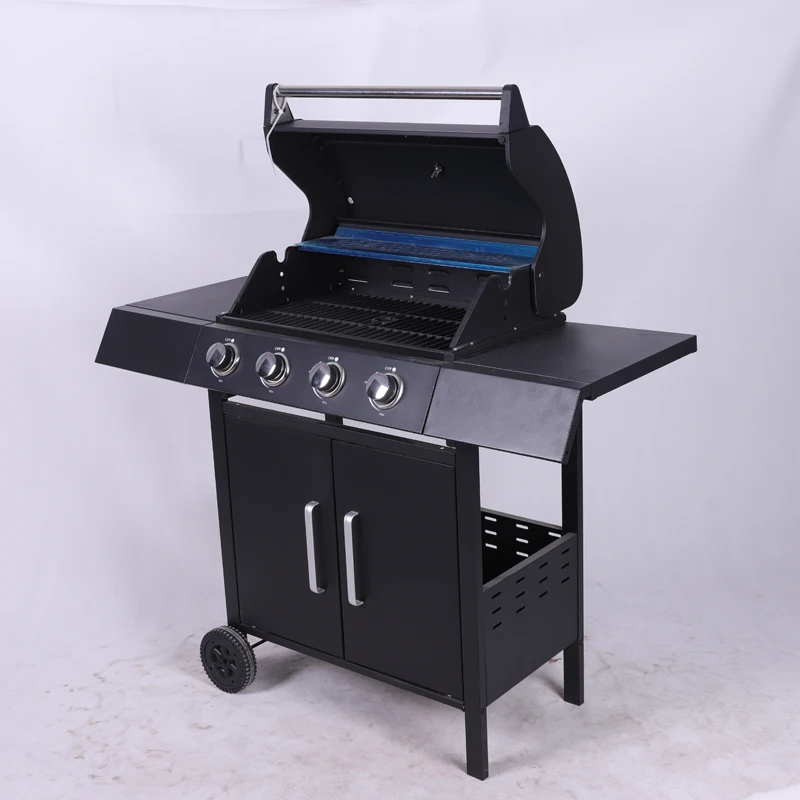
Understanding the OEM BBQ Market Landscape
Market Growth and Consumer Demand Trends
The global barbecue grill market has experienced remarkable expansion, driven by changing lifestyle preferences and increased outdoor recreational activities. Consumer behavior analysis reveals a growing preference for outdoor entertaining, particularly in developed markets where disposable income supports premium outdoor cooking equipment purchases. This trend has created substantial opportunities for distributors who can source quality products at competitive wholesale prices. Market research indicates that the barbecue equipment sector continues to outperform many traditional appliance categories, making it an attractive proposition for forward-thinking distributors.
Regional variations in grilling preferences present both challenges and opportunities for international distributors. North American markets typically favor larger gas grills with multiple burners, while European consumers often prefer compact, portable designs suitable for smaller outdoor spaces. Asian markets are experiencing rapid growth in outdoor cooking adoption, creating new avenues for distributor expansion. These market dynamics require distributors to work with manufacturers capable of producing diverse product ranges that can satisfy varying regional preferences and price points.
OEM Manufacturing Advantages for Distributors
Original equipment manufacturing relationships provide distributors with significant competitive advantages over traditional retail models. OEM partnerships eliminate the need for extensive research and development investments, allowing distributors to focus their resources on marketing, distribution, and customer service excellence. Manufacturers handle product development, quality control, and production scaling, while distributors concentrate on market penetration and brand building activities. This division of responsibilities creates efficient business models that can respond quickly to market opportunities.
Cost efficiency represents another compelling benefit of OEM BBQ grills for distributors entering competitive markets. Direct manufacturer relationships typically offer pricing structures that enable healthy profit margins while remaining competitive at retail levels. Volume purchasing agreements often provide additional cost reductions as distributor sales increase, creating incentives for long-term partnership development. These economic advantages become particularly important in price-sensitive markets where consumers actively compare similar products across multiple retailers.
Quality Standards and Manufacturing Excellence
Material Selection and Construction Quality
Premium OEM manufacturers prioritize material selection and construction techniques that ensure product longevity and customer satisfaction. Stainless steel components resist corrosion and maintain appearance standards even with regular outdoor exposure, while cast iron cooking grates provide superior heat retention and distribution. Advanced powder coating processes protect steel surfaces from weather damage, extending product lifespan and reducing warranty claims that can impact distributor profitability. These quality considerations directly influence customer satisfaction and repeat purchase behavior.
Manufacturing processes employed by established OEM producers incorporate rigorous quality control measures at every production stage. Automated welding techniques ensure consistent joint strength and appearance, while precision machining creates properly fitting components that enhance overall product reliability. Temperature testing protocols verify that grills meet specified performance standards before shipment, reducing the likelihood of field failures that could damage distributor reputations. Investment in quality manufacturing processes ultimately protects distributor interests by minimizing product returns and warranty expenses.
Safety Standards and Regulatory Compliance
International safety standards compliance represents a critical consideration for distributors operating across multiple markets. Reputable OEM manufacturers maintain certifications for major international standards, including CE marking for European markets, CSA certification for North America, and various regional safety approvals. These certifications enable distributors to confidently enter new markets without extensive additional testing or certification processes. Compliance documentation provided by manufacturers streamlines import procedures and reduces regulatory risks for international distributors.
Product liability considerations make safety standard adherence particularly important for retail distributors. OEM manufacturers typically carry comprehensive product liability insurance and maintain detailed quality assurance documentation that protects distributor interests in case of product-related incidents. Proper safety testing protocols ensure that gas connections, ignition systems, and structural components meet or exceed industry standards for consumer safety. These protections become increasingly valuable as distributors expand their market reach and customer base.
Customization Options and Brand Development
Private Label Opportunities
OEM BBQ grills offer exceptional opportunities for private label brand development, enabling distributors to establish unique market identities while leveraging proven product designs. Customization options typically include logo placement, color schemes, packaging design, and minor feature modifications that differentiate products from standard offerings. Private labeling allows distributors to build brand recognition and customer loyalty without the substantial investment required for independent product development. Successful private label strategies can create significant barriers to competitor entry in established markets.
Brand positioning flexibility represents another advantage of OEM partnerships for distributors targeting specific market segments. Manufacturers can often accommodate requests for premium finishes, upgraded components, or specialized features that align with distributor brand strategies. Value engineering discussions with OEM partners can identify cost-effective modifications that enhance perceived value without significantly impacting wholesale pricing. These collaborative approaches enable distributors to develop products that precisely match their target customer preferences and price expectations.
Product Line Expansion Strategies
Established OEM relationships facilitate systematic product line expansion as distributor businesses grow and market opportunities evolve. Manufacturers with comprehensive production capabilities can support distributor expansion into related product categories such as smokers, outdoor kitchen components, or grilling accessories. Coordinated product development ensures design consistency and brand coherence across expanded product ranges. Sequential product launches can be timed to maximize market impact and minimize inventory investment risks.
Market feedback integration becomes more efficient when distributors maintain close relationships with responsive OEM partners. Customer suggestions and market trend observations can be communicated to manufacturers for consideration in future product development cycles. This collaborative approach ensures that product evolution remains aligned with actual market demands rather than theoretical preferences. Distributors who actively participate in product development discussions often gain preferential access to new designs and enhanced customization options.
Logistics and Supply Chain Management
International Shipping and Warehousing
Efficient logistics management represents a crucial success factor for distributors handling OEM BBQ grills across international markets. Container optimization strategies can significantly reduce per-unit shipping costs by maximizing equipment density while ensuring adequate protection during transit. Experienced OEM manufacturers typically provide packaging expertise that balances cost efficiency with damage prevention requirements. Proper packaging design also facilitates efficient warehouse handling and retail presentation, reducing operational costs throughout the distribution chain.
Inventory management complexity increases with international distribution, making reliable supplier relationships essential for maintaining adequate stock levels without excessive capital investment. Seasonal demand variations in different geographic regions require careful planning to avoid stockouts during peak selling periods or excess inventory during slower seasons. OEM partners with flexible production scheduling can accommodate distributor requirements for staggered deliveries that align with regional selling seasons and warehouse capacity constraints.
Documentation and Import Procedures
Professional OEM manufacturers provide comprehensive documentation packages that streamline international shipping and customs clearance procedures. Proper commercial invoices, packing lists, and product specification documents reduce delays and minimize the risk of customs complications that can disrupt distribution schedules. Certificate of origin documentation enables distributors to take advantage of applicable trade agreements and tariff preferences. Accurate product classification codes ensure appropriate duty assessments and regulatory compliance.
Technical documentation provided by OEM partners supports distributor marketing efforts and customer education programs. Assembly instructions, maintenance guides, and warranty information enhance customer satisfaction and reduce support requests that can strain distributor resources. Multilingual documentation options enable distributors to serve diverse markets effectively without investing in translation services. Professional documentation also demonstrates product quality and manufacturer credibility to potential retail partners.
Market Entry and Competitive Positioning
Pricing Strategy Development
Competitive pricing represents a fundamental consideration for distributors entering established BBQ markets with OEM products. Market analysis must account for existing brand positioning, feature comparisons, and perceived value propositions to identify optimal pricing strategies. OEM cost structures typically provide flexibility for competitive pricing while maintaining sufficient margins to support marketing investments and business growth. Price positioning should reflect target customer expectations and competitive landscape realities.
Value proposition development extends beyond simple price comparisons to encompass quality, features, warranty terms, and customer service considerations. OEM BBQ grills often provide superior value propositions compared to similarly priced alternatives when quality and feature sets are properly communicated to potential customers. Effective marketing communications should highlight specific advantages such as construction quality, performance capabilities, and manufacturer support that justify pricing decisions and differentiate products from lower-cost alternatives.
Distribution Channel Strategy
Multi-channel distribution strategies enable OEM BBQ grill distributors to maximize market penetration while diversifying revenue streams and reducing dependence on single retail partners. Traditional retail channels including home improvement stores, outdoor living specialists, and department stores provide established customer access and credibility. Online marketplaces offer opportunities for direct customer engagement and higher margin sales, while wholesale relationships with smaller retailers can provide volume growth and market coverage expansion.
Channel partner support requirements vary significantly across different distribution approaches, making OEM manufacturer support capabilities an important selection criterion. Training materials, marketing support, and technical assistance programs provided by manufacturers can enhance distributor effectiveness across all channels. Consistent product availability and reliable delivery performance become particularly critical when serving multiple channel partners with different inventory and service expectations.
FAQ
What are the minimum order quantities typically required for OEM BBQ grill partnerships
Most established OEM BBQ grill manufacturers require initial minimum orders ranging from 100 to 500 units, depending on product complexity and customization requirements. Container load quantities often provide the most favorable pricing, typically accommodating 200-400 standard gas grills per 40-foot container. Many manufacturers offer smaller initial orders for new distributor relationships, with expectations for increased volumes as partnerships develop. Payment terms and credit arrangements can often be negotiated to accommodate distributor cash flow requirements during market entry phases.
How long does customization and private labeling typically take for OEM BBQ products
Standard customization options such as logo placement and color modifications typically require 4-6 weeks from approval to first production run. More extensive modifications involving component changes or packaging redesign may require 8-12 weeks for development and initial production. Manufacturers generally provide samples for approval before commencing full production runs, adding 2-3 weeks to overall timelines. Ongoing production runs after initial setup typically follow standard manufacturing schedules with 3-4 week lead times.
What warranty and support services do OEM manufacturers typically provide to distributors
Professional OEM manufacturers typically offer comprehensive warranty programs ranging from one to five years, covering manufacturing defects and component failures. Technical support services often include training materials, troubleshooting guides, and direct communication channels for complex issues. Many manufacturers maintain spare parts inventories and provide replacement components at distributor cost for warranty repairs. Marketing support may include product photography, specification sheets, and promotional materials that distributors can customize for their specific markets.
How can distributors evaluate the quality and reliability of potential OEM BBQ grill manufacturers
Quality assessment should include factory visits or virtual tours to observe manufacturing processes, quality control procedures, and production capabilities. Certification documentation for international safety standards, ISO quality management systems, and environmental compliance provides objective quality indicators. Reference checks with existing distributor partners can provide insights into manufacturer reliability, communication effectiveness, and problem resolution capabilities. Product samples should be thoroughly tested for construction quality, performance characteristics, and durability under normal use conditions.
Table of Contents
- Understanding the OEM BBQ Market Landscape
- Quality Standards and Manufacturing Excellence
- Customization Options and Brand Development
- Logistics and Supply Chain Management
- Market Entry and Competitive Positioning
-
FAQ
- What are the minimum order quantities typically required for OEM BBQ grill partnerships
- How long does customization and private labeling typically take for OEM BBQ products
- What warranty and support services do OEM manufacturers typically provide to distributors
- How can distributors evaluate the quality and reliability of potential OEM BBQ grill manufacturers