
 EN
EN



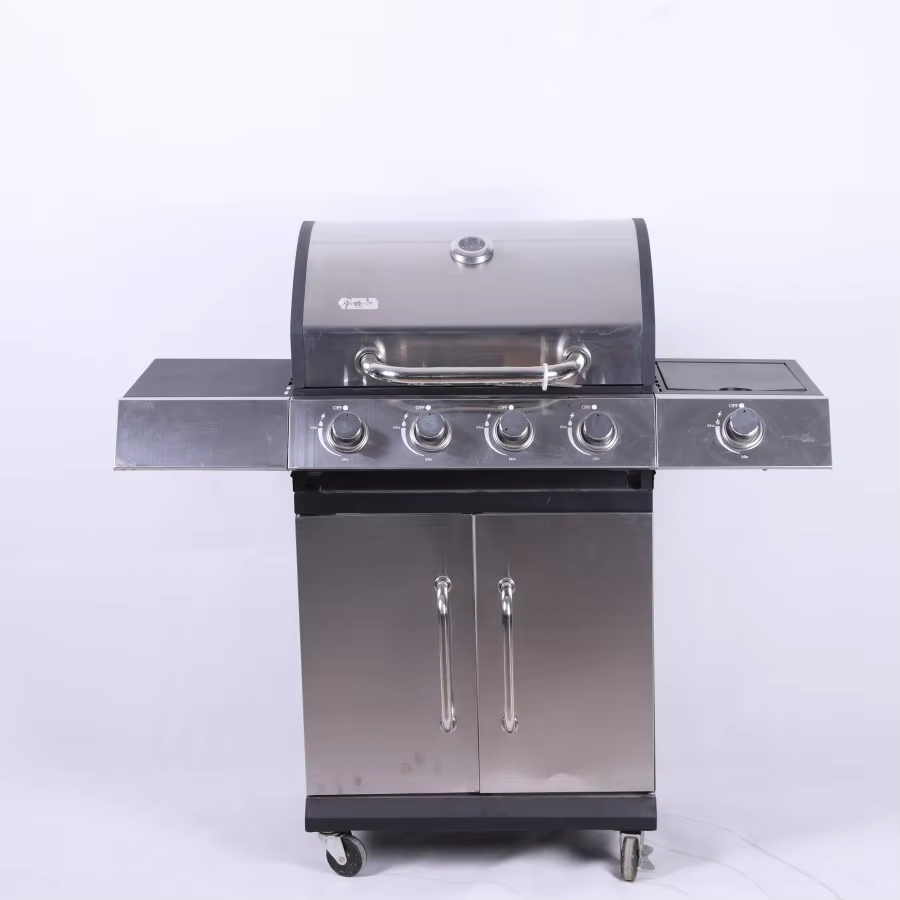
Sourcing a reliable charcoal grill at a commercial scale requires a very different approach than buying one for personal use. B2B buyers — including restaurant owners, hospitality procurement teams, catering businesses, and wholesale distributors — must evaluate every charcoal grill against strict durability, safety, and performance standards before committing to bulk orders. Getting this process right from the start saves time, reduces waste, and protects your brand reputation in the long run.

This guide walks through the essential steps that professional buyers use to identify, evaluate, and procure a high-quality charcoal grill for commercial and wholesale purposes. Whether you are placing your first bulk order or restructuring an existing supply chain, understanding the key sourcing criteria for a charcoal grill will help you make smarter purchasing decisions. From material quality to supplier verification, every detail matters when selecting the right charcoal grill for your operation.
Understanding Quality Standards for a Commercial Charcoal Grill
Material and Build Construction
The foundation of any durable charcoal grill is the material from which it is constructed. Carbon steel and cast iron are the most common choices in commercial-grade products, and each charcoal grill material carries distinct advantages. Carbon steel offers a good strength-to-weight ratio, making it ideal for a charcoal grill that needs to be moved or adjusted frequently during service. Cast iron retains heat exceptionally well, which can improve cooking consistency across a busy commercial charcoal grill operation. When reviewing supplier samples, always verify the gauge of steel used, because a thicker gauge charcoal grill will resist warping and corrosion far better over time.
A professionally built charcoal grill should also feature welded joints rather than bolted assemblies wherever possible. Welded construction significantly improves the structural integrity of each charcoal grill, especially under the thermal stress of daily commercial use. B2B buyers should request material certification documents from suppliers to confirm that the charcoal grill meets relevant industrial standards before placing a bulk order.
Adjustable Height and Functional Design
An adjustable-height charcoal grill offers substantial operational advantages in a professional kitchen or outdoor catering setup. The ability to raise or lower the grill grate on a charcoal grill allows the operator to control cooking temperature without changing the fuel load. This makes each charcoal grill more versatile and reduces the skill barrier for kitchen staff. When comparing models, look for a charcoal grill with a smooth, reliable height-adjustment mechanism that can be operated safely while the unit is hot. Practical design details like these directly affect both the safety record and the daily productivity of every charcoal grill in your fleet.
How to Evaluate Charcoal Grill Suppliers
Supplier Verification and Capacity Assessment
Finding the right supplier is just as important as selecting the right charcoal grill model. A credible supplier should be able to demonstrate consistent production capacity, quality control procedures, and on-time delivery history. When auditing a potential charcoal grill supplier, request product samples before negotiating final pricing. A physical sample gives your team the opportunity to test the charcoal grill under realistic conditions and identify any quality issues that photographs or specifications cannot reveal. Confirm that the supplier has experience producing a charcoal grill for commercial or export markets, as these environments typically enforce higher standards than domestic retail channels.
It is also wise to verify whether a charcoal grill supplier holds relevant manufacturing certifications. Certifications such as ISO quality management standards signal that the supplier maintains documented production controls, which directly benefits the consistency of every charcoal grill batch they produce. Ask your supplier to share inspection reports and quality assurance protocols for the charcoal grill models you are considering. This level of transparency is a positive sign that the supplier takes product quality seriously and can scale a reliable charcoal grill supply to match your business growth.
Pricing, MOQ, and Lead Time Negotiation
Understanding pricing structures for a commercial charcoal grill requires more than comparing unit costs. Minimum order quantities, packaging specifications, and lead times all affect the total landed cost of every charcoal grill shipment. Negotiate MOQs carefully — a lower MOQ gives you flexibility to test a new charcoal grill model with a smaller initial investment before scaling up. Always clarify the lead time for a standard charcoal grill order versus an expedited one, especially if your business operates seasonally. Seasonal demand spikes are common in the outdoor cooking industry, and a supplier who cannot deliver your charcoal grill order on schedule can disrupt your entire commercial operation.
Procurement Best Practices for B2B Charcoal Grill Buying
Defining Specifications Before Sourcing
Before approaching any supplier, your procurement team should define detailed specifications for the charcoal grill you intend to source. These specifications should cover grill dimensions, cooking surface area, maximum load capacity, material grade, surface finish, and any compliance requirements relevant to your market. A clear charcoal grill specification document serves as the baseline for supplier quotations and prevents misunderstandings during production. It also makes it easier to compare offers from multiple charcoal grill suppliers on an objective basis. Investing time in this step reduces the risk of receiving a charcoal grill that does not meet your operational requirements after delivery.
Building Long-Term Supplier Relationships
Successful B2B charcoal grill sourcing is not a one-time transaction. Building a long-term relationship with a trusted charcoal grill supplier creates mutual value for both parties. A supplier who understands your standards and volume patterns can prioritize your charcoal grill orders, provide early warnings about material shortages, and collaborate on product improvements over time. Establish regular communication cycles, conduct periodic quality audits, and provide structured feedback after each charcoal grill shipment. These practices reinforce accountability and encourage your supplier to maintain the standards that made your initial charcoal grill sourcing decision successful. Over time, a reliable supply partnership becomes a genuine competitive advantage in your market.
FAQ
What materials are best for a commercial charcoal grill?
Carbon steel and cast iron are the most widely used materials for a commercial charcoal grill. Carbon steel is lighter and easier to work with, while cast iron retains heat more effectively. The best choice depends on how you intend to use the charcoal grill in your specific operation.
How many units should I order when buying a charcoal grill in bulk?
The right bulk quantity for a charcoal grill order depends on your storage capacity, cash flow, and demand forecast. Start with a smaller charcoal grill order to validate quality, then scale up once your supplier has proven reliability. Most commercial charcoal grill suppliers offer tiered pricing that rewards higher volume orders.
How do I verify that a charcoal grill supplier is legitimate?
Request product samples, manufacturing certifications, and references from existing clients before committing to a charcoal grill supplier. A factory audit, either in person or through a third-party inspection service, is the most reliable way to verify that a charcoal grill supplier can consistently meet your quality and volume requirements.