
 EN
EN



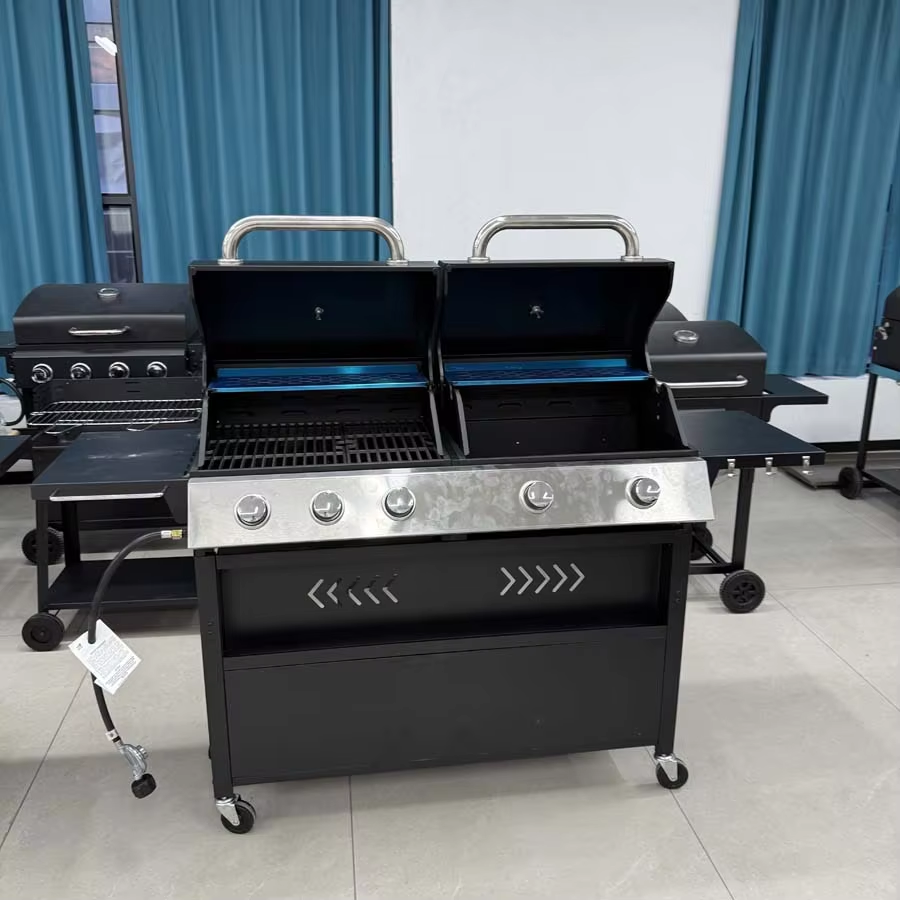
The outdoor cooking industry has witnessed a remarkable transformation in recent years, with smoker BBQ units emerging as one of the fastest-growing segments in the retail market. This surge in popularity reflects changing consumer preferences toward authentic barbecue experiences and premium outdoor cooking equipment. Retail buyers are increasingly recognizing the profit potential of these sophisticated cooking devices, as consumers seek professional-grade results in their backyard cooking adventures.
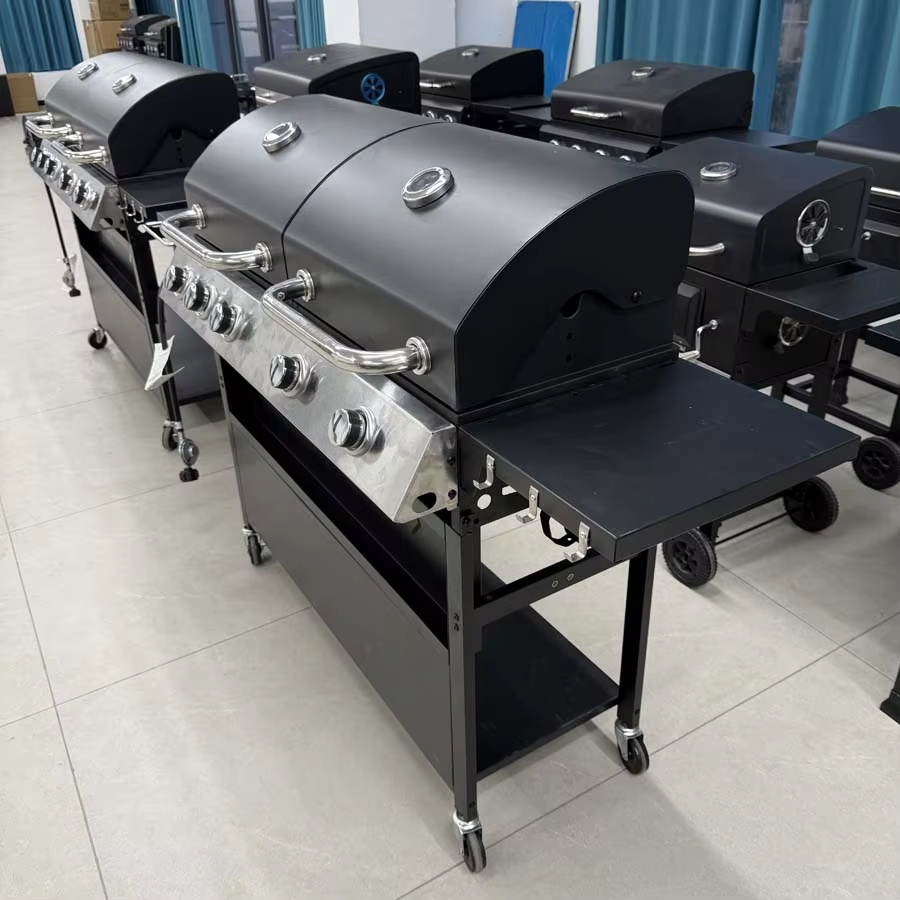
Understanding the market dynamics behind this trend reveals multiple factors driving demand. Consumer interest in outdoor entertainment and culinary experiences has intensified, particularly following recent global events that emphasized home-based activities. Professional chefs and cooking enthusiasts have popularized smoking techniques through social media and television programming, creating widespread awareness of the unique flavors achievable through slow-cooking methods. This cultural shift has translated into substantial retail opportunities for businesses that position themselves strategically in the smoker BBQ market.
Market Dynamics Driving Smoker BBQ Demand
Consumer Behavior Shifts in Outdoor Cooking
Modern consumers are increasingly viewing outdoor cooking as an extension of their culinary expertise rather than simple grilling. The smoker BBQ segment appeals to this sophisticated approach by offering temperature control, flavor enhancement, and cooking versatility that traditional grills cannot match. Retail data indicates that customers are willing to invest in higher-priced units when they understand the superior results achievable through proper smoking techniques.
Social media platforms have amplified this trend by showcasing elaborate outdoor cooking setups and smoking results. Instagram and YouTube channels dedicated to barbecue techniques have created aspirational content that drives purchase decisions. Retail buyers benefit from this organic marketing effect, as consumers arrive in stores already educated about smoking benefits and eager to upgrade their outdoor cooking capabilities.
Premium Product Positioning Strategies
Successful retail positioning of smoker BBQ units requires understanding their premium market position. These products typically command higher price points than standard grills, but they also deliver superior margins for retailers. The investment-oriented purchasing behavior associated with these units means that customers often research extensively before buying, making product knowledge and demonstration capabilities crucial for retail success.
Retailers who invest in staff training and product demonstration areas often see significantly higher conversion rates on smoker BBQ units. The tactile experience of examining build quality, understanding control mechanisms, and visualizing the cooking process helps justify the premium pricing that these products command in the marketplace.
Technical Features Driving Retail Appeal
Advanced Temperature Control Systems
Modern smoker BBQ units incorporate sophisticated temperature management technologies that appeal to both novice and experienced users. Digital thermostats, wireless monitoring capabilities, and automated pellet feeding systems have transformed smoking from a labor-intensive process requiring constant attention to a more accessible cooking method. These technological improvements expand the potential customer base beyond traditional barbecue enthusiasts to include busy professionals and casual outdoor cooks.
The integration of smart technology features creates additional selling points for retail presentations. Customers appreciate the ability to monitor cooking progress remotely through smartphone applications, set temperature alerts, and access guided cooking programs. These features justify premium pricing while addressing common consumer concerns about the complexity of traditional smoking methods.
Multi-Functional Cooking Capabilities
Contemporary smoker BBQ designs emphasize versatility by incorporating multiple cooking methods within single units. Combination devices that offer smoking, grilling, roasting, and baking capabilities appeal to space-conscious consumers who want maximum functionality from their outdoor cooking investments. This versatility also helps retailers position these products as complete outdoor kitchen solutions rather than specialized smoking devices.
The ability to prepare diverse menu items throughout the year makes smoker BBQ units more attractive to retailers concerned about seasonal sales fluctuations. Unlike traditional grills that see peak demand during summer months, multi-functional smoking units maintain appeal across seasons due to their indoor-quality cooking capabilities and weather-resistant construction features.
Retail Category Growth Opportunities
Expanding Customer Demographics
The smoker BBQ market has successfully expanded beyond its traditional male-dominated demographic to include female consumers, younger families, and urban apartment dwellers with balcony space. This demographic diversification creates multiple retail opportunities and suggests sustained growth potential rather than a temporary trend. Retailers who recognize and cater to these diverse customer segments often achieve superior sales performance.
Urban consumers particularly value compact smoker BBQ designs that deliver restaurant-quality results in limited spaces. This segment often prioritizes build quality and warranty coverage over size, creating opportunities for higher-margin sales. Additionally, urban customers frequently purchase complementary accessories and fuel supplies, generating ongoing revenue streams for retailers who position themselves as complete barbecue solution providers.
Seasonal Sales Pattern Evolution
Traditional grilling products experience pronounced seasonal demand patterns, with peak sales concentrated in spring and early summer months. However, smoker BBQ units demonstrate more consistent year-round sales due to their enclosed cooking chambers and weather-resistant designs. This sales consistency helps retailers maintain steady inventory turnover and cash flow throughout the year.
Holiday gift-giving has emerged as an unexpected growth driver for premium smoker BBQ sales. These products appeal to gift-buyers seeking substantial, memorable presents for outdoor cooking enthusiasts. Retailers who develop holiday marketing strategies around these units often achieve strong fourth-quarter sales that offset traditional seasonal declines in outdoor product categories.
Competitive Advantages for Retail Buyers
Higher Profit Margin Potential
Smoker BBQ products typically offer superior profit margins compared to standard grilling equipment due to their premium positioning and limited price comparison shopping. Customers focus on features and quality rather than competing solely on price, allowing retailers to maintain healthier markup structures. This margin advantage becomes particularly important as retailers face increasing pressure from online competitors in commodity product categories.
The complexity and variety of smoker BBQ options also reduce direct price comparison between retailers. Customers often evaluate complete packages including warranties, service support, and accessory availability rather than focusing solely on unit prices. This comprehensive evaluation process favors retailers who invest in knowledgeable sales staff and comprehensive product support.
Customer Loyalty and Repeat Business
Smoker BBQ customers frequently develop strong brand and retailer loyalty due to the learning curve associated with mastering smoking techniques. Successful initial purchases often lead to accessory sales, fuel purchases, and replacement part business over the product lifecycle. Retailers who provide excellent initial sales experiences and ongoing support often capture this repeat business.
The enthusiast community surrounding barbecue smoking creates opportunities for retailers to build ongoing customer relationships through classes, demonstrations, and community events. These engagement activities not only generate direct sales but also create word-of-mouth marketing that attracts new customers to the retail location.
Implementation Strategies for Retail Success
Product Selection and Inventory Management
Successful smoker BBQ retailing requires careful product curation that addresses different price points and feature requirements. Entry-level units should demonstrate clear upgrade paths to premium models, while high-end products should showcase advanced features that justify their pricing. Retailers benefit from carrying complementary product lines including accessories, fuel supplies, and maintenance items that enhance the overall customer experience.
Inventory management for smoker BBQ products requires understanding seasonal patterns while maintaining adequate stock for impulse purchases. These products often require demonstration models and adequate floor space for customer examination, making inventory planning more complex than traditional retail products. However, the higher margins and customer satisfaction associated with proper inventory management justify the additional attention required.
Staff Training and Customer Education
Product knowledge becomes crucial for smoker BBQ sales success due to the technical nature of these products and customer questions about smoking techniques. Retailers who invest in comprehensive staff training often achieve conversion rates significantly higher than those relying on basic product information. Training should cover technical specifications, competitive comparisons, and basic smoking techniques to address common customer concerns.
Customer education extends beyond the initial sale to include ongoing support for smoking techniques and equipment maintenance. Retailers who provide recipe suggestions, technique tips, and troubleshooting support often develop strong customer relationships that generate repeat business and referrals. This educational approach differentiates successful retailers from competitors who focus solely on transactional relationships.
FAQ
What makes smoker BBQ units more profitable than traditional grills for retailers
Smoker BBQ units typically command higher profit margins due to their premium positioning and specialized features. Customers focus on quality and functionality rather than price comparison, allowing retailers to maintain healthier markup structures. Additionally, these products generate ongoing revenue through accessory sales, fuel purchases, and replacement parts over their lifecycle.
How do retailers effectively demonstrate smoker BBQ products to potential customers
Successful demonstration requires adequate floor space for customers to examine build quality and control features. Many retailers benefit from having working demonstration units that allow customers to see temperature control capabilities and understand the cooking process. Staff training on basic smoking techniques helps address customer questions and build confidence in the purchase decision.
What customer segments show the strongest growth potential for smoker BBQ sales
Urban consumers with limited outdoor space represent significant growth potential due to their willingness to invest in compact, high-quality units that deliver restaurant-quality results. Additionally, female consumers and younger families are increasingly interested in outdoor cooking experiences, expanding the market beyond traditional barbecue enthusiasts.
How should retailers manage seasonal variations in smoker BBQ demand
While smoker BBQ products show more consistent year-round sales than traditional grills, retailers should still plan for seasonal variations. Holiday gift-giving periods often generate unexpected sales spikes, while late fall promotions can capture customers preparing for winter cooking. Maintaining demonstration capabilities throughout the year helps convert browsers into buyers regardless of season.
Table of Contents
- Market Dynamics Driving Smoker BBQ Demand
- Technical Features Driving Retail Appeal
- Retail Category Growth Opportunities
- Competitive Advantages for Retail Buyers
- Implementation Strategies for Retail Success
-
FAQ
- What makes smoker BBQ units more profitable than traditional grills for retailers
- How do retailers effectively demonstrate smoker BBQ products to potential customers
- What customer segments show the strongest growth potential for smoker BBQ sales
- How should retailers manage seasonal variations in smoker BBQ demand