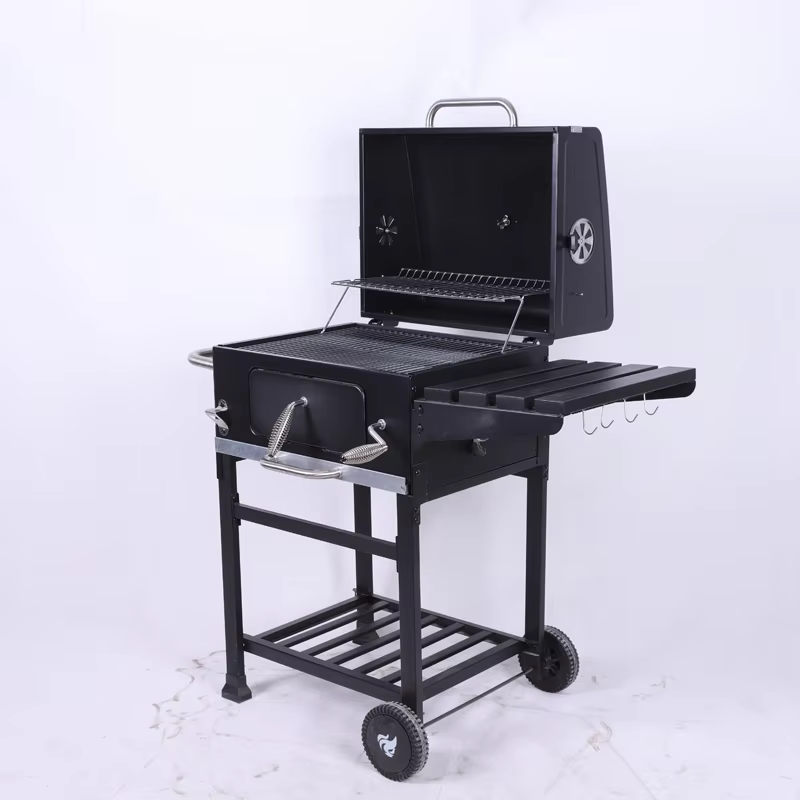
Authentic Flavor Enhancement and Smoke Infusion
The charcoal barbecue pit delivers unparalleled flavor enhancement capabilities that transform ordinary ingredients into extraordinary culinary experiences through natural combustion processes and smoke infusion techniques. This authentic flavor development begins with the charcoal combustion itself, which produces complex aromatic compounds that cannot be replicated through gas flame cooking or indoor preparation methods. The natural burning process creates distinctive char flavors through the Maillard reaction, where proteins and sugars interact under high heat to develop rich, complex tastes that define authentic barbecue cuisine. Beyond basic charring, the charcoal barbecue pit accommodates wood chunk additions that produce aromatic smoke clouds infusing foods with regional flavor profiles associated with specific hardwood varieties. Hickory wood imparts bold, bacon-like flavors perfect for pork preparations, while applewood provides subtle, sweet notes ideal for poultry and fish. Mesquite delivers intense, earthy flavors suited for beef applications, and cherry wood contributes mild, fruity undertones that enhance both meat and vegetable preparations. The controlled combustion environment within the charcoal barbecue pit allows for optimal smoke production without overwhelming bitterness that can result from improper burning conditions. The extended cooking times possible with charcoal fuel enable deep smoke penetration into dense proteins, creating the coveted smoke ring visible in professionally prepared barbecue meats. This penetration occurs gradually as smoke particles dissolve into meat surfaces and migrate inward, carrying flavor compounds throughout the protein structure. The charcoal barbecue pit design promotes clean smoke production through proper airflow management, preventing the acrid flavors associated with oxygen-starved fires. Users can experiment with various wood combinations to create signature flavor profiles, blending different hardwood species to achieve unique taste characteristics impossible with conventional cooking methods. The natural fat rendering that occurs during charcoal cooking creates additional flavor enhancement as rendered fats drip onto hot coals, vaporize, and rise back to baste cooking foods with intensified flavors. This continuous flavor recycling process, combined with the aromatic smoke environment, produces results that consistently surpass gas grilling outcomes in taste tests and culinary evaluations.

 EN
EN